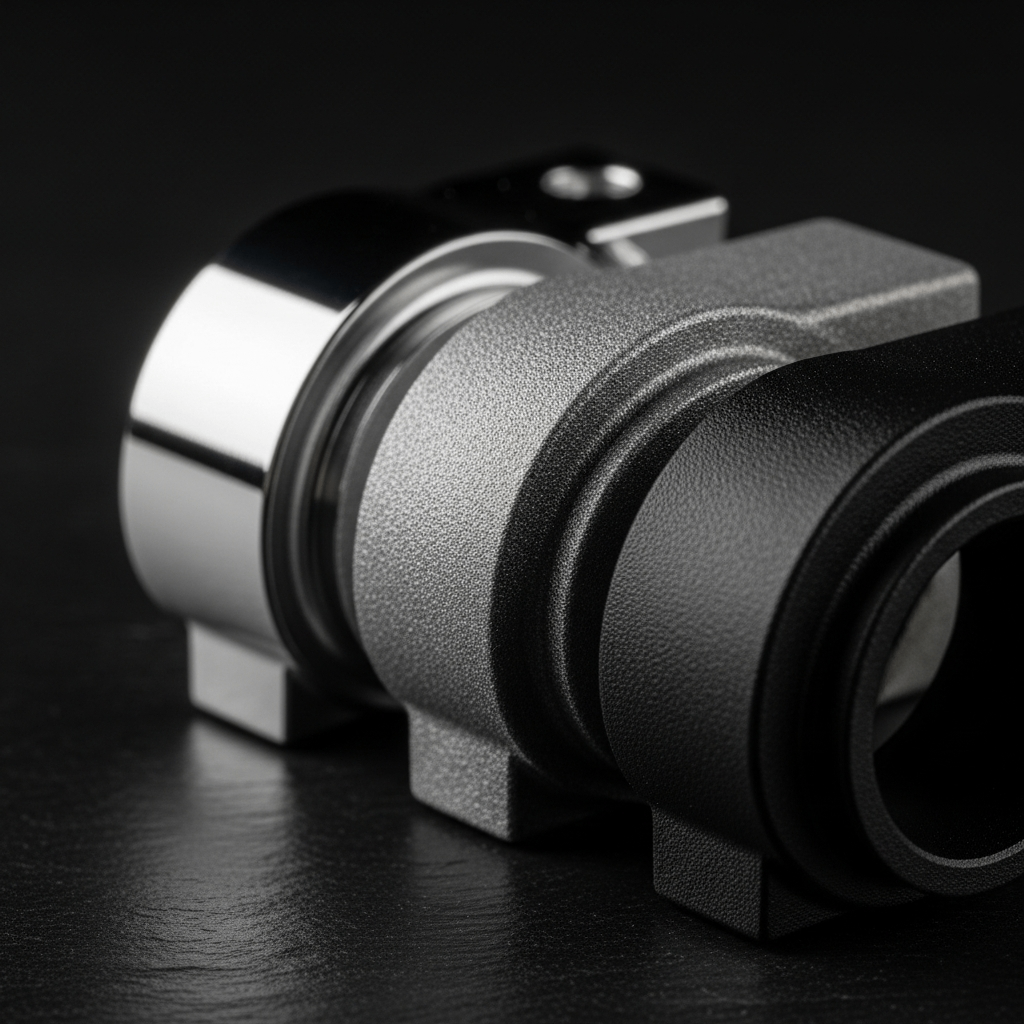
In the high-stakes landscape of global industrial procurement, a die-cast part is rarely market-ready the moment it is ejected from the steel mold. For overseas wholesale buyers and procurement managers, the raw casting—often referred to as the as-cast state—represents only the beginning of a complex supply chain journey.
At YISHANG, we understand that for professionals sourcing an electrical enclosure or a junction box NEMA, the finish is a strategic engineering decision. It dictates dimensional integrity, EMI/RFI shielding effectiveness, and the overall Total Cost of Ownership (TCO). This comprehensive guide leverages over 26 years of expertise to provide an exhaustive deep dive into 13 essential surface finishes for die-cast parts.
We have categorized these by their primary engineering function to help you navigate the delicate balance between high-performance specifications and high-volume production economics. If you have a 3D design electrical enclosure project in mind, this guide will provide the necessary raw material knowledge center data to optimize your RFQ process and reduce potential scrap rates.
The Science of the Substrate: Why Die Casting is Metallurgically Unique
Before committing to a specific finishing inquiry now, it is vital to understand the physics and metallurgy of the die-casting substrate. Unlike CNC-machined billets or material stainless steel components, die-cast parts possess a unique surface morphology. This morphology dictates the success of any post-processing and post-coating performance.
During the high-pressure injection cycle, the rapid cooling of molten metal against the tool walls creates a dense, fine-grained skin. However, the core of the casting often retains varying degrees of micro-porosity due to trapped gases or shrinkage. This micro-porosity is the primary antagonist in surface finishing, especially for wholesale orders where batch consistency is paramount for automated assembly.
If not properly managed during the pre-treatment phase, trapped air or moisture can lead to outgassing during heat-intensive cycles like powder coating. This results in unsightly surface bubbles or structural pinholes that lead to high scrap rates and wasted material costs. Furthermore, high silicon content in common alloys like A380 provides flowability but presents a significant hurdle for chemical treatments like anodizing.
At YISHANG, we emphasize that understanding these metallurgical nuances is the non-negotiable first step toward achieving a fail-safe finish. Whether you are sourcing an electrical meter box or a complex push button enclosure, we ensure the substrate is optimized for the intended finish. This technical foresight prevents long-term environmental degradation and ensures your components survive the rigors of global logistics.
Category A: Mechanical Finishes (Surface Preparation & Texture)
Mechanical finishes serve as the primary refiners of the fabrication world. These processes physically alter the surface texture to remove casting defects, such as flash and gate marks, while establishing the necessary anchor pattern required for secondary coatings. For procurement teams, these steps are critical for managing the surface roughness of die cast parts before they enter the chemical line.
1. Sandblasting & Shot Blasting (Surface Homogenization)
Sandblasting and shot blasting are the indispensable workhorses of the die-casting industry. By propelling abrasive media—ranging from fine glass beads to aggressive steel shots—at high velocity against the part, we achieve a uniform, matte texture. This process ensures your parts have a consistent look across massive production runs, regardless of minor variations in the casting mold.
- Pros: Excellent for removing heavy flash; creates a superior mechanical bond for coatings.
- Cons: Can affect very tight tolerances if not controlled; requires secondary cleaning to remove media residue.
Beyond simple aesthetic cleaning, this process induces compressive stress on the surface, which effectively cold works the metal. This treatment improves the part’s fatigue life and helps close minor surface pores. For a wholesale buyer, this means a more durable product that can withstand the rigors of trans-oceanic shipping without surface oxidation or premature degradation.
2. Vibratory Deburring & Tumbling (High-Volume Mass Finishing)
When dealing with wholesale quantities of small-to-medium precision parts, manual deburring is economically unfeasible. Vibratory finishing utilizes a high-frequency vibrating bowl filled with specialized abrasive media and chemical accelerators. As the parts and media interact in a controlled scrubbing motion, the friction gently rounds sharp edges and ensures every part in a large batch is identical.
- Pros: Highly cost-effective for large batches; achieves consistent edge rounding across thousands of units.
- Cons: Not suitable for very large or heavy parts that might damage each other during vibration.
This process is essential for ensuring that internal threads and complex internal geometries are free of loose metal flakes. In the production of a control station enclosure, loose debris could cause catastrophic electrical short circuits. By choosing the right ceramic or plastic media, YISHANG helps you achieve a smoother surface while maintaining strict dimensional tolerances.
3. Precision Polishing & Buffing (The High-End Mirror Finish)
For products where the showroom factor is paramount, such as high-end appliance handles or consumer electronics, mechanical polishing is the gold standard. This multi-stage, labor-intensive process moves from coarse abrasive wheels to fine cotton buffing compounds. It is the best way to achieve a premium look for high-visibility components that face the end-user.
- Pros: Exceptional aesthetic quality; increases perceived product value significantly.
- Cons: Higher labor cost; requires skilled technicians to maintain consistency on complex curves.
While robotic polishing has increased consistency in high-volume OEM runs, manual buffing remains the preferred choice for complex shapes. Polishing is often a prerequisite for high-quality decorative electroplating. The plating process tends to magnify rather than hide surface imperfections, making pre-plate inspection a critical quality gate in our facility.
Category B: Electrochemical & Chemical Finishes (Corrosion Resistance)
This category represents the technical core of surface engineering for industrial applications. By utilizing controlled chemical reactions, we transform the metal surface into a highly stable, corrosion-resistant barrier. This is vital for parts used in harsh environments like a solar battery enclosure.
4. Anodizing (Type II Decorative & Type III Hardcoat)
Anodizing is an electrolytic process that grows a controlled Aluminum Oxide layer from the substrate itself. Unlike a coating that sits on top, the anodic layer is integral to the part. Type II anodizing is primarily used for aesthetic coloring and moderate corrosion resistance, while Type III (Hardcoat) is for extreme wear and abrasion resistance.
- Pros: Extremely hard (600-900 HV); excellent dielectric strength; won’t peel or flake.
- Cons: Limited color vibrancy on high-silicon die-cast alloys; can be brittle under impact.
The challenge for wholesale buyers is that the silicon content in die-cast aluminum interferes with the growth of the oxide layer. This can result in a dark gray or bronze hue rather than a bright color. At YISHANG, we ensure your anodized parts meet international standards, providing you with enhanced corrosion resistance that lasts for decades in the field, even in corrosive industrial zones.
5. Electroless Nickel Plating (ENP) (Precision & Uniformity)
In contrast to standard electroplating, Electroless Nickel Plating (ENP) does not require an external electrical current. Instead, it relies on an autocatalytic chemical reaction. For die-cast parts with complex internal geometries, blind holes, or deep cavities, ENP is the superior choice because it deposits a perfectly uniform thickness across all surfaces.
- Pros: Perfect uniformity on complex parts; superior chemical and wear resistance.
- Cons: Higher material cost than standard nickel; slower deposition rate.
For buyers sourcing parts for marine or industrial fluid handling, ENP offers unparalleled protection against salt-air oxidation. At YISHANG, we find that this method provides a unique plating solution for high-precision components. It ensures your parts remain functional even in the most corrosive atmospheres, significantly reducing long-term maintenance and replacement costs.
6. Electroplating (Chrome, Nickel, and Copper)
Traditional electroplating remains a staple for both functional protection and high-end decoration in the wholesale market. By depositing sequential layers of copper, nickel, and chrome, we create a triple-layer shield. In the automotive industry, chrome plating provides a sacrificial barrier that protects the aluminum substrate from road salt and humidity.
- Pros: Highly decorative; excellent sacrificial protection for zinc parts.
- Cons: Risk of hydrogen embrittlement; environmental concerns (requires strict chemical management).
Whether you are designing a stainless steel enclosure or a zinc die cast part, electroplating can provide the premium finish your customers expect. It offers pros by aiding in protecting the base metal while providing a high-luster finish. Contact our team for some more information on how plating can enhance your next project’s market appeal while maintaining long-term durability.
7. Chromate Conversion Coating (Chem-Film / Alodine)
Often referred to as Alodine, chromate conversion is a chemical immersion process that creates a thin protective film. Its most significant engineering advantage is that it is electrically conductive. This makes it the mandatory solution for an enclosure aluminum enclosure requiring EMI/RFI shielding to protect sensitive internal electronics from interference.
- Pros: Conductive surface; low cost; excellent base for paint; full RoHS/REACH compliance.
- Cons: Low mechanical wear resistance; very thin layer (only 0.01 to 0.1 microns).
For procurement managers, this is a low-cost, high-value finish. It is particularly effective for large batches of internal structural components. At YISHANG, we utilize high-capacity tanks to ensure that your wholesale orders for control station enclosures or meter boxes are processed quickly and meet all environmental regulations for international markets.
8. Passivation (Surface Purification for Stainless Assemblies)
While die casting usually involves aluminum or zinc, many metal products companies handle multi-material assemblies. Passivation involves using a mild oxidant to remove free iron from the surface of stainless steel components. This enhances the formation of a transparent, self-healing oxide film that prevents rust from forming in the first place.
- Pros: Restores corrosion resistance after machining; maintains precise dimensional tolerances.
- Cons: Only applicable to certain stainless steel grades; does not hide surface scratches.
By ensuring every part is passivated, YISHANG helps you avoid costly returns and maintains your brand’s reputation for high quality. This process is particularly relevant for buyers sourcing parts for a stainless steel enclosure project. Passivation entails the application of acids that do not change the part’s dimensions but significantly boost its lifespan.
Category C: Organic & Polymer Coatings (Environmental Protection)
Organic coatings provide a physical barrier between the metal and the atmosphere. These are the most versatile finishes in terms of color selection and specialized environmental adaptability. They are essential for a solar battery enclosure or a galvanized steel enclosure.
9. Powder Coating (Industrial Durability & Impact Resistance)
Powder coating is a thermosetting process where dry polymer powder is electrostatically charged and sprayed onto the part. The part is then cured in an oven, causing the powder to melt into a tough skin. It is significantly more impact-resistant than liquid paint and offers superior UV stability for outdoor equipment like advertising displays and solar battery enclosures.
- Pros: Impact resistant; thousands of colors available; zero VOC emissions.
- Cons: Requires high-heat curing (180 to 200 degrees Celsius); potential outgassing issues on castings.
For a wholesale buyer, powder coating provides the most cost-effective way to get a durable, high-visibility finish. It is available in thousands of colors and textures, allowing you to match any brand identity. We recommend this for any steel enclosure galvanized or aluminum enclosure that will be exposed to public use, harsh weather, or frequent handling.
10. E-Coating (Electrophoretic Deposition for 100% Coverage)
E-coating is a high-tech hybrid between plating and painting. The parts are submerged in a bath of water-based epoxy paint, and an electrical charge is applied. This draws the paint particles into every microscopic crevice, ensuring 100% Full-Body coverage, including internal channels and complex geometries that traditional spray guns cannot reach.
- Pros: Perfect coverage on internal channels; excellent primer for powder topcoats.
- Cons: Limited color choices (usually black); requires specialized immersion equipment.
At YISHANG, we find that E-coating is the most reliable way to protect complex junction box nema units. By providing a uniform barrier, it prevents moisture from finding a weak point in the coating. This process ensures your parts stay rust-free for their entire service life, even in the most challenging industrial or agricultural settings.
11. Industrial Painting (Wet Spray for Specialized Functional Needs)
While powder coating has captured much of the market, wet spray painting remains vital for specific applications. It is the preferred choice for heat-sensitive components that cannot withstand the high temperatures of a powder curing oven. Additionally, wet paint allows for complex, multi-color branding and soft-touch textures that add a premium feel to the product.
- Pros: Applicable to heat-sensitive parts; superior color matching for low volumes.
- Cons: Higher VOC emissions; lower impact resistance compared to powder coating.
For procurement managers, wet painting offers flexibility for low-volume specialty runs. At YISHANG, we maintain high-quality spray booths to ensure a dust-free finish. Whether you need a carbon steel enclosure painted in a custom color or an aluminum enclosure with a specific texture, our painting team can deliver precise results that align with your 3D design electrical enclosure specs.
Category D: Advanced & Specialized Finishes (High-Tech Solutions)
When standard finishes reach their physical or aesthetic limits, advanced surface engineering provides the next generation of solutions. These are often used in high-end consumer electronics and aerospace projects where performance and miniaturization are priorities.
12. PVD (Physical Vapor Deposition for Extreme Hardness)
PVD is a vacuum deposition process that creates ultra-thin-film coatings with extreme hardness. Originally developed for cutting tools, it is now popular for premium consumer hardware. PVD allows us to achieve stunning metallic colors—like Rose Gold or Gunmetal—without the environmental waste and potential quality issues of traditional electroplating.
- Pros: Extreme hardness (up to 2500 HV); scratch proof; environmentally friendly (dry process).
- Cons: High initial setup cost; requires specialized vacuum chambers.
Because the coating is only a few microns thick, it maintains the tightest CNC tolerances. For a wholesale buyer, PVD represents the luxury tier of finishes. At YISHANG, we help you integrate PVD into your high-volume production line to give your products a significant competitive edge in the high-end global market.
13. Vacuum Impregnation (The Internal Sealing Solution)
Technically, vacuum impregnation is a porosity sealant rather than a surface coating, but it is an essential part of the finishing lifecycle. By using a vacuum chamber to pull a specialized resin into the micro-pores of a casting, we can make a leaky part 100% pressure-tight. This is mission-critical for pump housings, engine blocks, and energy sector parts.
- Pros: Seals invisible porosity; eliminates leaks; improves part reliability.
- Cons: Adds an additional processing step; only necessary for fluid/gas-handling parts.
At YISHANG, we view this as a risk-mitigation finish. It ensures that even if a casting has internal flaws, those flaws will not affect the product’s performance in the field. This lowers your overall scrap rate and ensures that every part you ship to your customer is functional, reliable, and compliant with all pressure-rating standards.
Engineering Trade-off Matrix: Procurement Selection Guide
To help you select the optimal finish for your wholesale order, we have compiled the following data-driven matrix. This matrix is based on standard industrial testing protocols, including ASTM B117 salt spray tests and Vickers hardness measurements, to provide you with enhanced corrosion resistance data for your RFQ evaluations.
| Surface Finish | Salt Spray Resistance (Hours) | Hardness (HV / Pencil) | Electrical Conductivity | Relative Cost | Primary Application |
|---|---|---|---|---|---|
| As-Cast | < 24 | Base Alloy | High | Low | Internal structural brackets. |
| Sandblasting | 24 – 48 | Cold-worked skin | High | Low | Surface prep for painting. |
| Anodizing (Type III) | 500 – 1000+ | 600 – 900 HV | Insulator | Medium | Aerospace wear components. |
| Electroless Nickel | 100 – 500 | 500 – 700 HV | High | High | Medical valves & sensors. |
| Powder Coating | 500 – 2000 | 2H – 4H (Pencil) | Insulator | Medium | Outdoor solar enclosures. |
| E-Coating | 1000+ | Flexible | Insulator | Medium | Automotive underbody parts. |
| Chromate (RoHS) | 72 – 168 | Soft | High | Low | EMI Shielded enclosures. |
| PVD Coating | 1000+ | Over 2000 HV | High | Very High | Premium consumer hardware. |
FAQ: What Wholesale Buyers Ask Most
1. Which finish is best for NEMA 4X rated enclosures?
For NEMA 4X (corrosive environment) ratings, we typically recommend a combination of E-coating and a high-durability powder topcoat, or the use of Hardcoat Anodizing for aluminum parts to ensure maximum environmental isolation.
2. Does surface finish affect dimensional tolerances?
Yes. Processes like powder coating can add 50 to 150 microns of thickness. At YISHANG, we provide DFM feedback to adjust your machining offsets before production begins to ensure assembly fits perfectly without rework.
3. How do you prevent outgassing in powder-coated die-castings?
We utilize a dedicated pre-bake cycle and specialized degassing powder primers. This forces trapped air out of the pores before the final decorative layer is applied, ensuring a bubble-free surface and high yield rates.
Critical Failure Analysis: Sourcing Pitfalls to Avoid
In our 26 years of experience at YISHANG, we have seen that most finishing failures are due to a mismatch between the substrate and the environment.
- Adhesion Failure: Often caused by residual mold release agents. We solve this with a multi-stage alkaline wash before any coating.
- Galvanic Corrosion: Using incompatible fasteners with certain finishes. We review your full assembly to identify potential galvanic risks and suggest compatible hardware.
- Tolerance Stacking: Failing to account for finish thickness in the design phase. We help calculate the exact stack to prevent interference and assembly delays.
Conclusion: A Strategic Approach with YISHANG
Surface finishing is not merely a final coat of paint—it is a sophisticated branch of materials science that dictates your product’s performance and market lifespan. A part that looks beautiful but fails a salt spray test in six months is an engineering failure. By integrating finish selection into the initial 3D design stage, you can optimize for both high-end quality and bottom-line cost efficiency.
At YISHANG, our 26-year legacy of exporting to 50+ countries has taught us that consistency is the ultimate metric of quality for professional buyers. Whether you need an enclosure galvanized steel or a premium PVD-coated component, we have the material knowledge to guide your procurement strategy. Our ISO 9001 certified facility is equipped to handle high-volume wholesale orders with precision, ensuring your supply chain remains resilient and competitive.
Ready to optimize your next project with the perfect finish? YISHANG offers you the expertise and reliability needed to succeed in the global market.
[Send your inquiry today] to receive a comprehensive quote and DFM review for your die-cast projects.