
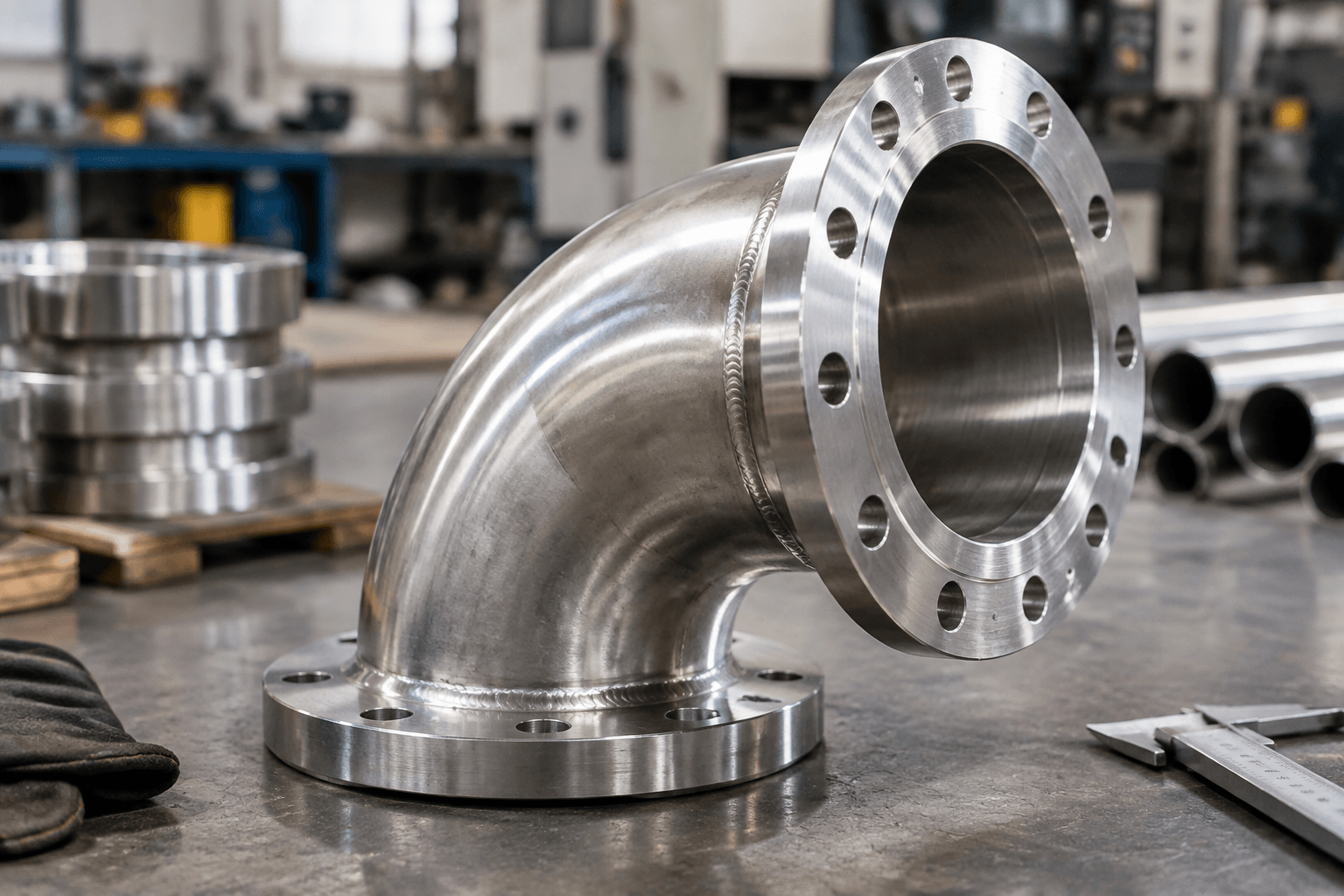
316 stainless steel is a molybdenum-bearing austenitic stainless steel generally selected instead of 304 when additional resistance to chloride-related and chemical corrosion is justified. It is not rustproof: actual performance depends on the exposure, temperature, component geometry, product specification, fabrication quality, surface condition, and maintenance.
The designation normally refers to UNS S31600, but a drawing should also identify the governing material specification and product form. Sheet, plate, strip, bar, tube, pipe, and cast products can be governed by different standards and should not be treated as interchangeable solely because they carry a 316-family designation.
What 316 Stainless Steel Means and How Its Alloying Elements Work
Type 316 belongs to the chromium-nickel austenitic stainless steel family. Its defining difference from common Type 304 is the intentional addition of molybdenum. Molybdenum improves resistance to localized attack in many chloride-containing environments, although it cannot prevent pitting or crevice corrosion under every service condition.
The following limits apply to Type 316 plate, sheet, and strip specified to ASTM A240/A240M. Values are percentages by mass. Requirements for bar, forgings, tube, pipe, or another product form must be checked against the relevant specification and the edition stated in the purchase documents.
| Element | ASTM A240/A240M Type 316 limit, wt.% | Primary function or consideration |
|---|---|---|
| Carbon | 0.08 maximum | Higher carbon can increase susceptibility to chromium-carbide precipitation in an unfavorable welding or thermal cycle. |
| Manganese | 2.00 maximum | Supports steelmaking and influences austenitic structure. |
| Phosphorus | 0.045 maximum | Controlled residual element. |
| Sulfur | 0.030 maximum | Controlled because inclusions can affect corrosion behavior and fabrication. |
| Silicon | 0.75 maximum | Used in deoxidation and contributes to oxidation behavior. |
| Chromium | 16.00–18.00 | Forms the chromium-rich passive film responsible for stainless behavior. |
| Nickel | 10.00–14.00 | Stabilizes the austenitic structure and supports ductility and toughness. |
| Molybdenum | 2.00–3.00 | Improves resistance to localized corrosion, particularly in many chloride exposures. |
| Nitrogen | 0.10 maximum | Contributes to strength and austenite stability. |
| Iron | Balance | Base metal, together with normal trace residuals allowed by the specification. |
Source basis: ASTM A240/A240M chemical requirements for UNS S31600 plate, sheet, and strip. The applicable standard edition and any purchaser-specific restrictions should be confirmed when ordering.
Mechanical and Physical Properties: Condition and Product Form Matter
Property values should not be quoted without a test basis. The first table gives minimum or maximum room-temperature acceptance requirements for annealed Type 316 plate, sheet, and strip under ASTM A240/A240M. Cold-worked material can have substantially higher strength and lower ductility, so annealed values must not be transferred to it.
| Property | Specified value | Basis |
|---|---|---|
| Tensile strength | 515 MPa minimum | ASTM A240/A240M; annealed product |
| 0.2% offset yield strength | 205 MPa minimum | ASTM A240/A240M; annealed product |
| Elongation | 40% minimum | 50 mm gauge length, subject to the applicable product provisions |
| Hardness | 217 HBW or 95 HRB maximum | ASTM A240/A240M acceptance limit |
Physical-property figures are normally typical engineering data rather than material acceptance limits. Representative values for annealed 316 are shown below; design calculations should use data approved for the exact product, temperature, and governing code.
| Physical property | Representative value | Condition or temperature basis |
|---|---|---|
| Density | Approximately 8.0 g/cm³ | Near room temperature |
| Elastic modulus | Approximately 193 GPa | Near 20°C |
| Mean thermal expansion | Approximately 16 µm/m·K | About 20–100°C |
| Thermal conductivity | Approximately 16 W/m·K | Near 100°C |
| Magnetic response | Generally low in the annealed condition | Cold working or welding may produce some magnetic response |
Reference basis: representative room-temperature data published in ASM and stainless steel producer technical references. These typical values are not guaranteed inspection criteria.
Austenitic 316 generally retains useful toughness at low temperatures and does not show the same ductile-to-brittle transition behavior as many ferritic steels. Nevertheless, cryogenic equipment still requires product-specific property data, welding qualifications, impact requirements, and applicable design-code review.
316 Stainless Steel vs 304: Which Is the Better Choice?
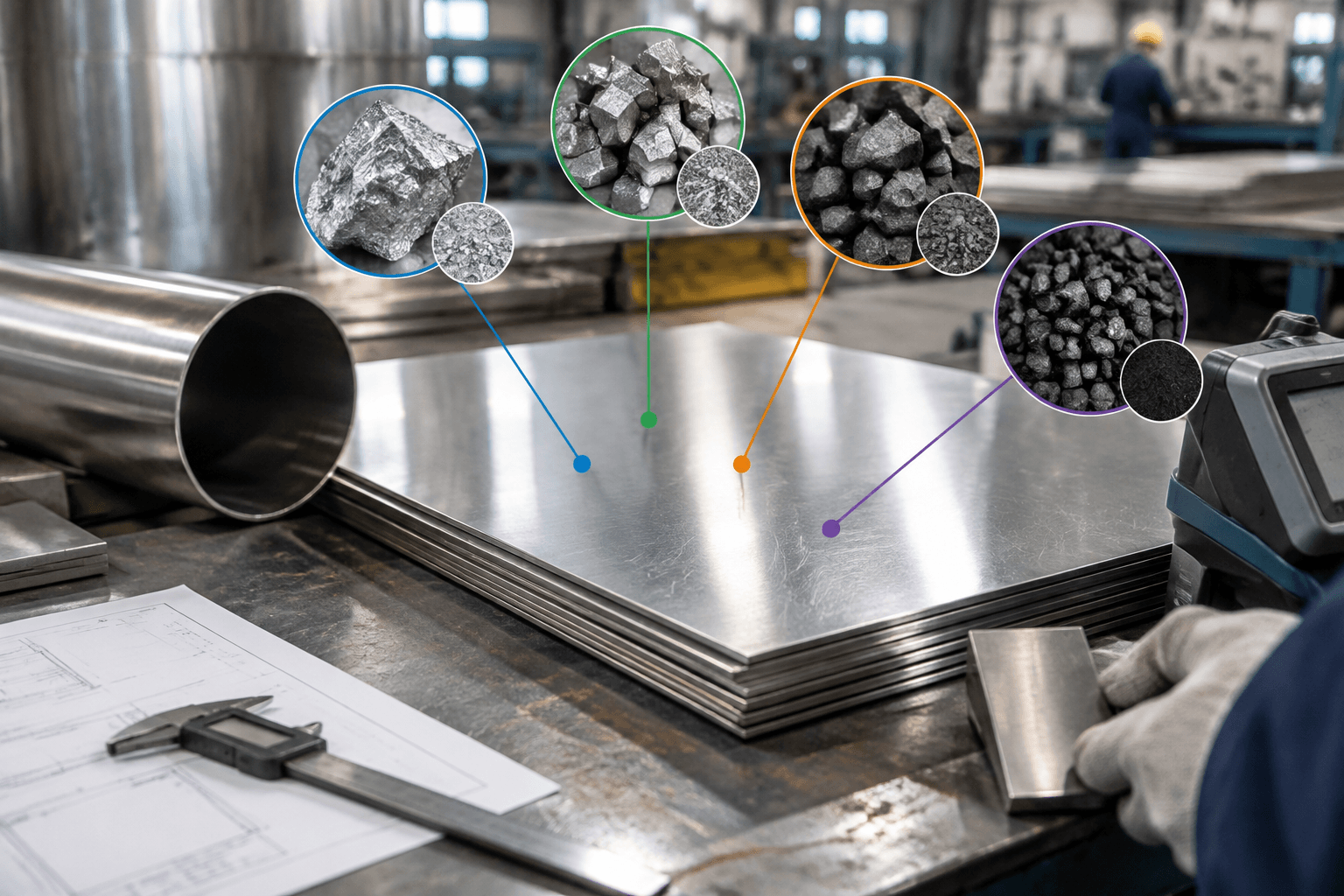
Neither grade is universally better. The selection depends mainly on corrosion severity, geometry, cleaning, fabrication, documentation, availability, and total cost. Comparing both grades on the same ASTM A240/A240M basis avoids misleading differences caused by unrelated product standards.
| Selection factor | 304 stainless | 316 stainless |
|---|---|---|
| UNS designation | S30400 | S31600 |
| Chromium | 18.00–20.00% | 16.00–18.00% |
| Nickel | 8.00–10.50% | 10.00–14.00% |
| Molybdenum | No required addition | 2.00–3.00% |
| Chloride resistance | Adequate for many mild, regularly cleaned environments | Generally better resistance to pitting and crevice corrosion, but not immunity |
| Forming and welding | Generally good | Generally good; procedures must still control distortion, heat tint, and contamination |
| Machining | Work-hardens and requires suitable tooling | Also work-hardens and can be somewhat more demanding to machine |
| Availability | Usually broader | Common, but specific forms, thicknesses, and finishes may be less available |
| Cost tendency | Usually lower alloy cost | Usually higher due partly to nickel and molybdenum content |
304 may remain sufficient for indoor equipment, mild atmospheric exposure, and regularly cleaned components without meaningful chloride contact. Consider 316 when salt, chloride-bearing cleaners, process chemicals, coastal deposits, or difficult-to-clean details increase corrosion risk. Current price cannot be inferred from the grade alone; product form, quantity, finish, certification, dimensions, and alloy-market conditions all affect quotations.
When 316 Is Worth Considering—and When Grade Alone Is Not Enough
Calling 316 “marine grade” is convenient but incomplete. Coastal air, splash zones, warm stagnant seawater, submerged service, and polluted harbors present very different conditions. Chloride concentration, temperature, wet-dry cycling, oxygen availability, deposits, and the presence of crevices can change performance substantially.
| Application condition | Selection direction | Additional questions |
|---|---|---|
| Dry indoor service with mild cleaning | 304 may be adequate; 316 may add little practical value | Are chloride cleaners or corrosive process residues present? |
| Outdoor or coastal atmosphere | 316 deserves consideration | Can rain wash the surface? Are salt deposits removed? Is tea staining acceptable? |
| Intermittent salt spray or chloride washdown | 316 generally offers an advantage over 304 | What are the concentration, temperature, contact time, and rinse procedure? |
| Warm, stagnant, immersed, or crevice-rich chloride service | Grade alone is insufficient; 316 may fail by localized corrosion | Are a higher-alloy material, redesigned joint, drainage, or controlled cleaning required? |
| Chemical processing | Potentially suitable for selected chemicals | Check concentration, temperature, aeration, contaminants, and published corrosion data. |
| Welded hygienic equipment | 316 or 316L may be considered | Are weld profile, roughness, heat-tint removal, cleanability, and validation requirements defined? |
| Sustained tensile stress at elevated temperature with chlorides | Evaluate stress-corrosion cracking risk | What residual and operating stresses, temperatures, and chloride conditions exist? |
Pitting often begins where the passive film is locally challenged. Crevice corrosion can develop beneath overlapping joints, gaskets, deposits, fastener heads, or poorly drained seams because the chemistry inside the restricted area differs from the bulk environment. A smooth, clean surface and an open, drainable design can therefore be as important as the nominal grade.
Atmospheric discoloration or tea staining does not always indicate structural failure, but it shows that appearance and maintenance expectations must be specified. For outdoor products, drainage, sheltered surfaces, finishing direction, contamination control, and cleaning access should be reviewed together. These factors are discussed further in the context of custom metal fabrication for garden and outdoor products.
Fabricating and Qualifying a 316 Component
Forming and machining
Annealed 316 is ductile and suitable for many bending and forming operations, but it work-hardens. Bend radius, grain direction, thickness, tooling clearance, springback, and the sequence of operations need to be considered. During machining, rigid setups, sharp tools, suitable feeds, and avoidance of prolonged rubbing help prevent a hardened surface layer.
Welding and the role of 316L
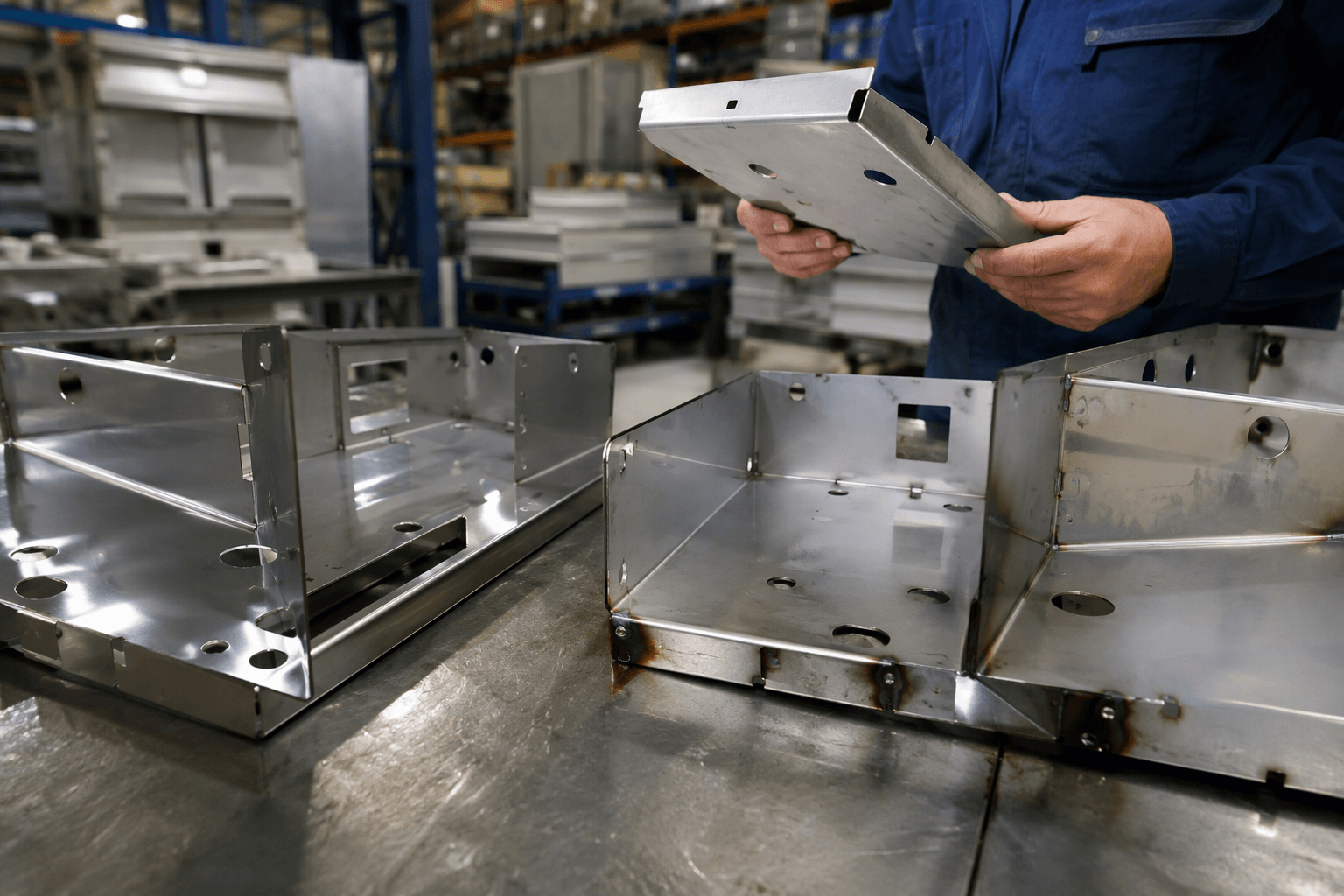
316 is generally weldable using established stainless steel processes and appropriately selected filler metal. Heat input, joint restraint, shielding, distortion, penetration, and the service environment still require procedure control. Heat tint is not merely cosmetic: chromium depletion beneath the oxide scale can reduce local corrosion resistance, and the affected surface may require suitable mechanical or chemical post-weld cleaning.
316L is a lower-carbon variant, normally limited to 0.030% carbon under ASTM A240/A240M. Its lower carbon content reduces the risk of chromium-carbide precipitation and intergranular corrosion after welding or thermal exposure. It is not identical to 316, and choosing it does not remove the need for a qualified welding procedure, appropriate filler, or post-fabrication cleaning.
Finishing, cleanliness, and compliance
Dedicated stainless tools and controlled work areas help prevent embedded carbon-steel particles, which can later produce rust staining. Grinding media, wire brushes, handling equipment, and storage practices all matter. Scale, weld spatter, heat tint, oils, and shop contamination should be removed using a process compatible with the drawing and end-use requirements. Passivation can improve surface cleanliness and support passive-film formation, but it cannot correct unsuitable alloy selection or poor joint design.
316 is not automatically “food grade” or pharmaceutical compliant. Suitability belongs to the finished component and depends on material traceability, surface finish, weld quality, cleanability, drainage, lubricants, fabrication residues, inspection, and the applicable customer or industry specification. Buyers evaluating such parts can review these issues in the context of fabricated stainless components for food and beverage equipment.
Frequently Asked Questions
Is 316 stainless steel good quality?
316 is a well-established engineering alloy, but “quality” and suitability are not the same. A conforming 316 product may still be unsuitable for warm stagnant chlorides, severe crevices, or a chemical it cannot resist. Product specification, traceability, fabrication, finish, and inspection also determine finished-part quality.
Which is better, 316 or 304 stainless steel?
316 is generally preferable where its molybdenum-assisted resistance to localized corrosion justifies the additional cost. 304 can be the more economical choice for mild indoor or regularly cleaned service. The decision should be based on exposure, temperature, geometry, maintenance, and applicable requirements.
Is 316 stainless the same as 316L?
No. Both are molybdenum-bearing austenitic grades, but 316L has a lower maximum carbon content. This can reduce sensitization risk in welded components, although it does not guarantee corrosion performance or eliminate welding and cleaning controls.
Can 316 stainless steel rust in marine, coastal, or chloride-containing environments?
Yes. 316 can pit, corrode in crevices, tea-stain, or suffer stress-corrosion cracking under unfavorable conditions. Salt concentration, temperature, deposits, wet-dry cycling, surface finish, oxygen access, stresses, cleaning, and component design all influence the result; there is no universal chloride or service-life limit.