
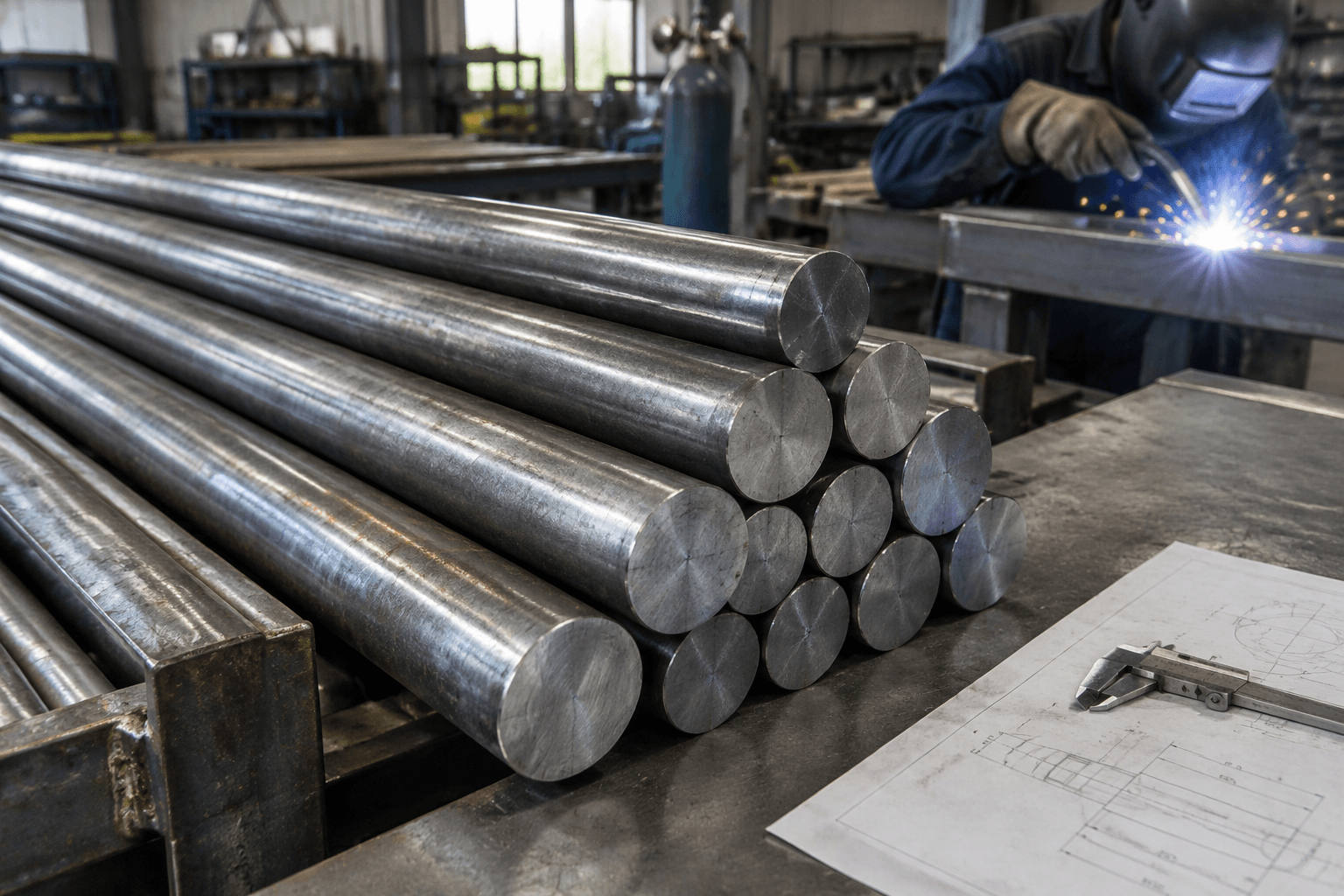
AISI 4130 is a low-alloy chromium-molybdenum steel valued for its combination of strength, toughness, hardenability, and relatively low weight compared with many higher-alloy steels. Its actual performance depends heavily on the product form, section size, heat-treatment condition, and governing specification, so a 4130 material properties chart should never be used without checking those details.
For engineers and procurement teams, the important question is not simply whether 4130 is strong. It is whether the supplied condition provides the required mechanical properties, whether the part will be welded, formed, machined, or heat treated, and whether the finished component has suitable corrosion protection for its service environment.
What Is AISI 4130 Steel?
4130 is a low-carbon alloy steel containing chromium and molybdenum. The chromium contributes to hardenability and strength, while molybdenum supports hardenability and resistance to softening during tempering. It is commonly associated with the term “chromoly,” although that informal name can refer to several chromium-molybdenum steels rather than 4130 specifically.
A commonly specified 4130 chemistry includes approximately 0.28–0.33% carbon, 0.40–0.60% manganese, 0.15–0.35% silicon, 0.80–1.10% chromium, and 0.15–0.25% molybdenum. Maximum phosphorus and sulfur limits depend on the applicable product specification. These figures should be treated as a general composition guide, not as a substitute for the heat certificate or purchase specification.
The designation alone also does not establish a finished part’s strength. A 4130 tube, plate, sheet, or bar can have different properties because of manufacturing method, wall thickness, heat treatment, forming history, and test location. For a safety-critical or pressure-related component, the material certificate and applicable product requirements must control.
Key 4130 Material Properties
The following properties are useful for preliminary material selection. Exact values vary with alloy chemistry, product form, thickness, heat treatment, and test method.
| Property | Typical engineering description | Selection significance |
|---|---|---|
| Density | Approximately 7.85 g/cm³ | Useful for weight estimates and comparisons with other steels or aluminium alloys. |
| Elastic modulus | Approximately 200–210 GPa | Indicates that stiffness is similar to other carbon and low-alloy steels; strength changes do not greatly change elastic stiffness. |
| Poisson’s ratio | Approximately 0.28–0.30 | Used in elastic stress and finite-element calculations. |
| Yield strength | Condition-dependent; normalized material is substantially lower than quenched-and-tempered material. | Must be matched to the design load and the supplied condition. |
| Tensile strength | Can range from moderate structural levels to substantially higher values after suitable hardening and tempering. | Published tensile figures are meaningful only when the condition and product form are identified. |
| Elongation and reduction of area | Generally decrease as strength and hardness increase. | Important when a part must tolerate forming, impact, local stress concentration, or weld distortion. |
| Hardness | Ranges from relatively machinable annealed material to much harder quenched-and-tempered or surface-hardened material. | Affects machining, wear, forming, and the risk of distortion or cracking. |
4130 is often selected for its balance rather than for one maximum value. Compared with a plain low-carbon steel such as 1020, it can offer higher strength and hardenability when properly processed. However, the increase in alloy content also makes welding and heat-treatment control more important.
How Heat Treatment Changes Performance
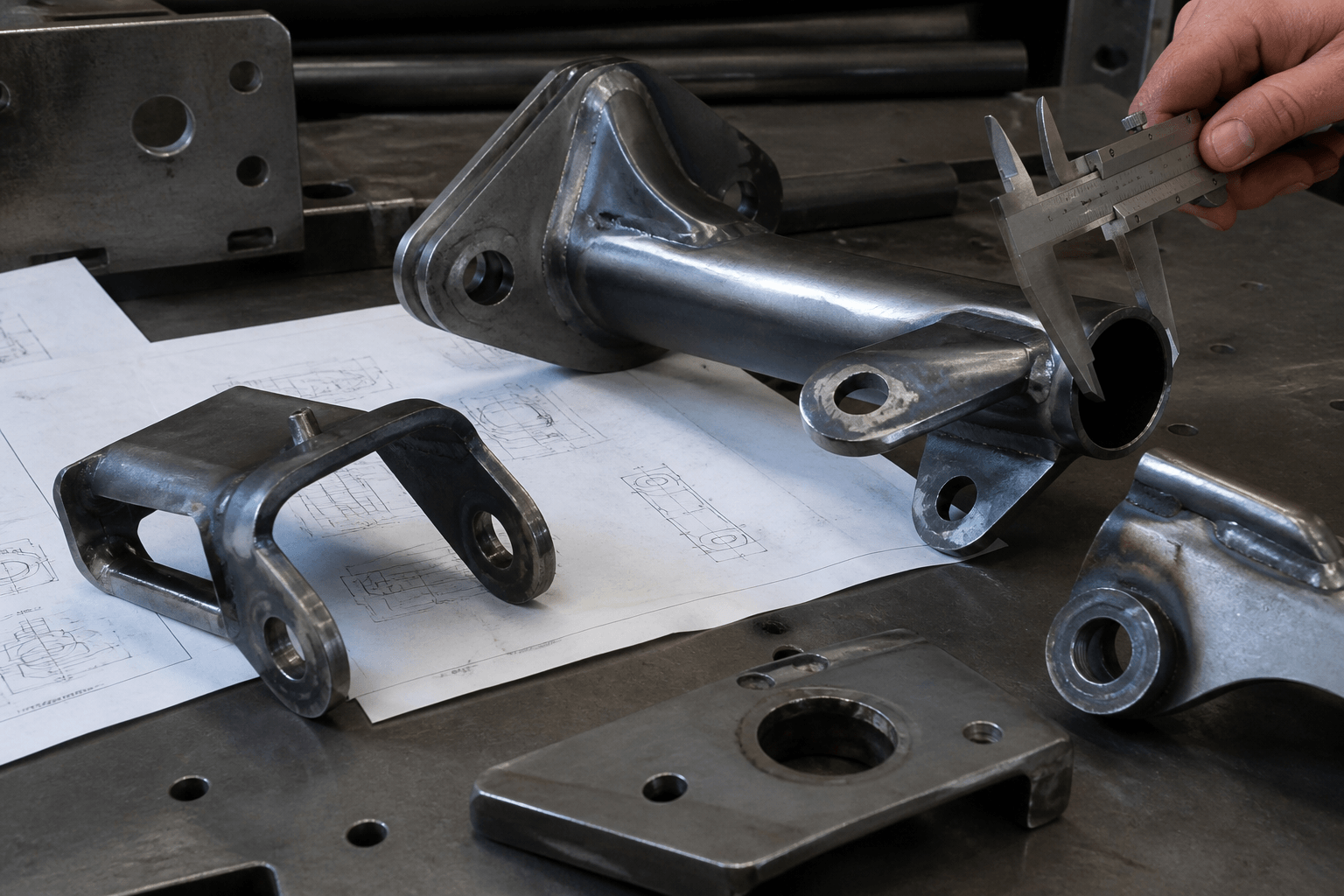
Heat treatment is central to understanding 4130 material properties. The same nominal grade may be supplied annealed, normalized, quenched and tempered, or locally surface hardened. These conditions are not interchangeable.
Annealed 4130 is relatively soft and ductile. This condition can be useful when machining, forming, or preparing the material for a later hardening operation. Its lower strength may be unsuitable for the final load-bearing design unless the component is subsequently heat treated.
Normalized 4130 has a refined and more uniform structure than many as-rolled conditions. It is often considered when a balance of strength, toughness, and dimensional stability is required. The actual result still depends on section size and the complete thermal cycle.
Quenched-and-tempered 4130 can provide substantially higher yield strength, tensile strength, and hardness. Tempering temperature is a major control variable: lower tempering temperatures generally preserve more hardness and strength, while higher tempering temperatures usually improve toughness and reduce brittleness. The selected condition must reflect the design’s stress, impact, fatigue, and fabrication requirements.
Carburized 4130 can develop a harder outer layer while retaining a tougher lower-carbon core. This may be relevant to components exposed to surface wear, but it is not automatically appropriate for every part. Case depth, distortion, post-treatment machining, and the required core properties must be defined before specifying this route.
When reviewing a 4130 material properties PDF or supplier chart, check at least five items: product form, thickness or diameter, heat-treatment condition, test direction, and specification. A tensile value without those details is useful for orientation but weak evidence for purchasing acceptance.
Welding, Forming, Cutting, and Machining Considerations
4130 can be welded, but it generally requires more process control than mild steel. Its hardenability and carbon content can increase the risk of a hard heat-affected zone and hydrogen-assisted cracking, particularly in thicker sections, highly restrained joints, cold material, or contaminated weld areas.
A welding procedure should establish suitable joint preparation, filler selection, preheat, interpass control, heat input, and cooling conditions. Preheat reduces the cooling rate and helps limit the formation of brittle zones. Interpass temperature matters because excessive heat can reduce local properties, while insufficient heat control can increase cracking risk. Post-weld thermal treatment may be required or beneficial depending on thickness, restraint, material condition, service stress, and the governing specification.
These decisions should be made by a qualified welding engineer rather than copied from a generic chart. A procedure suitable for thin tubing may not be suitable for thick plate, and a welded assembly should not be assumed to retain the parent material’s highest heat-treated strength in the joint area.
Forming also depends on condition. Annealed or normalized 4130 is generally more workable than high-hardness quenched-and-tempered material. Tight bends, short bend radii, cut edges, and cold-worked areas deserve particular attention because they can concentrate strain. Laser, plasma, or flame cutting may create a heat-affected edge that needs cleaning, machining, inspection, or additional treatment before final use.
Machining response changes with hardness and heat treatment. Softer material can be easier to cut but may produce built-up edge or poorer chip control, while harder material increases tool wear and cutting-force requirements. Machining allowances should account for heat-treatment distortion when the finished geometry has close interfaces, bearing seats, or threaded features.
4130 Compared With Other Common Choices
Grade selection becomes clearer when the comparison uses defined criteria instead of broad claims about “strong steel.”
| Material | Typical reason to consider it | Important limitation or trade-off |
|---|---|---|
| 4130 | Useful balance of strength, toughness, hardenability, and weldable low-alloy construction when the process is controlled. | Welding, heat treatment, and corrosion protection require more attention than ordinary mild steel. |
| 4140 | Higher hardenability and strength potential for many heavily loaded machined components. | Often less convenient for welding and forming; the higher-carbon chemistry can affect fabrication choices. |
| 1020 | Lower-cost, relatively easy-to-form and weld carbon steel for moderate-duty components. | Lower strength and hardenability than 4130 in comparable conditions. |
| Stainless steel | Selected when corrosion resistance is a primary design requirement. | Grade-specific strength, weldability, cost, and thermal behavior vary; 4130’s chromium content does not make it stainless steel. |
4130 is not a corrosion-resistant substitute for stainless steel. Its chromium level supports alloy-steel performance but is insufficient to provide stainless-steel-level corrosion protection. Depending on the environment, the finished part may require a specified protective system such as paint, plating, conversion coating, or oiling. The coating must also be compatible with dimensional interfaces, weld areas, and service temperature.
How to Specify 4130 for a Custom Part
A usable purchase description should identify more than “4130 steel.” Define the product form, dimensions, nominal thickness or diameter, required condition, mechanical property requirements, testing or certification needs, surface condition, and any restrictions on welding or heat treatment.
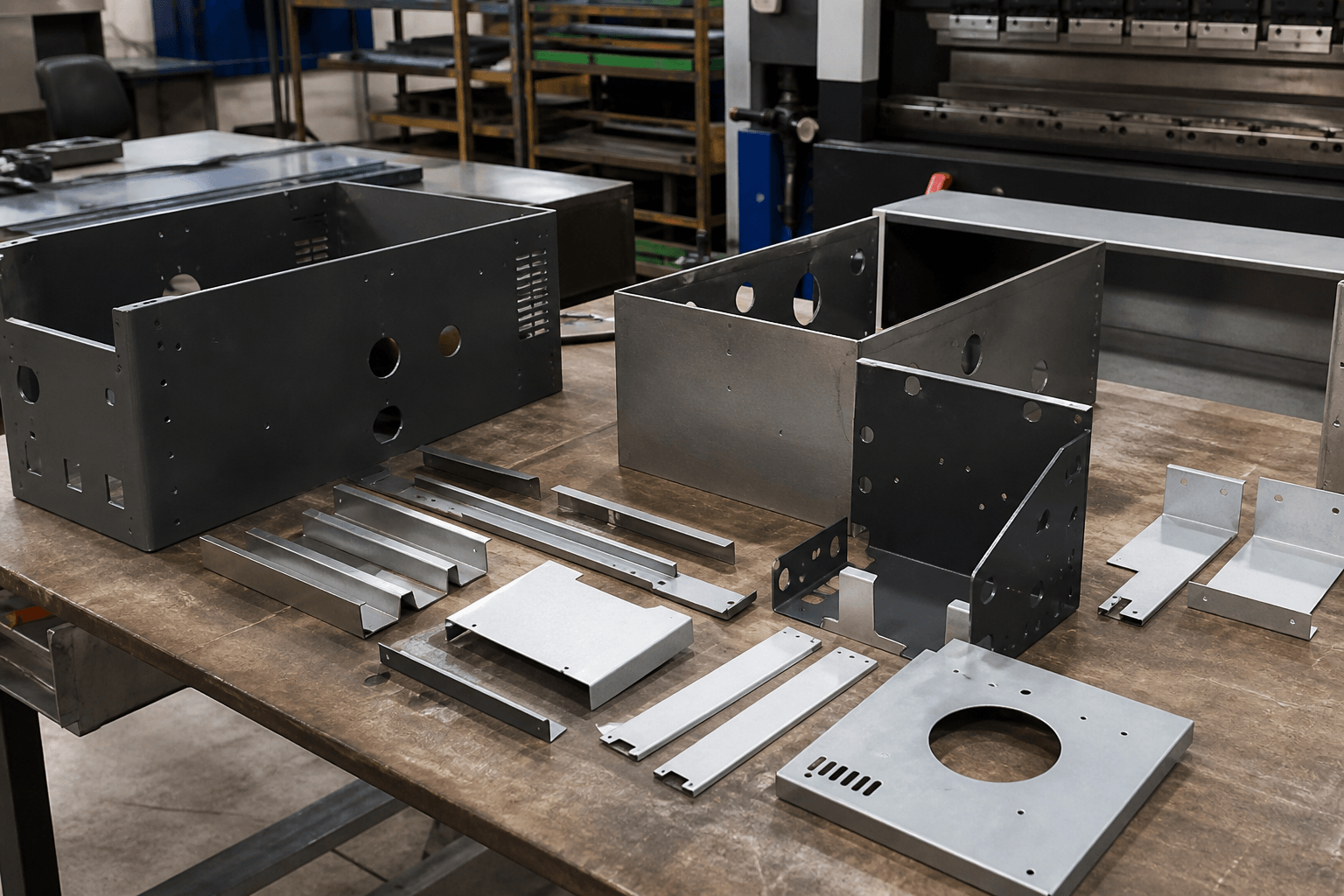
For sheet metal or fabricated assemblies, also state whether the material will be bent, welded, machined after fabrication, or heat treated as an assembly. For a machined interface, identify critical bores, threads, flatness, perpendicularity, and post-treatment allowances on the drawing. These requirements are separate from the nominal grade and cannot be inferred from the material name.
Inspection planning should match the risk. Depending on the application, review chemical certification, mechanical test results, hardness, dimensions, weld inspection, surface condition, and final geometry. Do not accept a tensile-strength value from a general 4130 chart as proof that a particular lot meets the drawing unless the test condition and purchase requirements correspond.
For OEM or wholesale projects, Yishang can review a drawing and the intended manufacturing route as part of a custom manufacturing discussion. The useful starting information is the drawing, material designation, quantity, tolerance requirements, and finish. This helps clarify whether the proposed 4130 condition and fabrication sequence are compatible with the part’s interfaces and inspection needs. See Yishang’s custom metal manufacturing service for an application review.
Frequently Asked Questions
How does heat treatment affect 4130 material properties?
Heat treatment can substantially change 4130 yield strength, tensile strength, hardness, elongation, toughness, and machinability. Annealed, normalized, and quenched-and-tempered conditions are not interchangeable, so published values must be matched to the supplied product form, section size, heat-treatment condition, and test requirements.
Is 4130 the same as chromoly tubing?
Not always. “Chromoly” is a general industry term for chromium-molybdenum steels. Tubing marketed as chromoly may be 4130 or another related grade, so the material certificate and specified chemistry should be checked.
Can 4130 steel be welded?
Yes, but welding requires controlled procedure variables such as joint preparation, preheat, interpass temperature, filler selection, heat input, and cooling. The correct requirements depend on thickness, restraint, material condition, and service demands. Generic mild-steel welding practice should not be assumed to apply.
Is 4130 more corrosion resistant than ordinary carbon steel?
Its chromium content can influence alloy-steel behavior, but it does not provide stainless-steel-level corrosion resistance. Protective finishing should be selected according to the service environment, dimensional requirements, and the intended maintenance condition.