
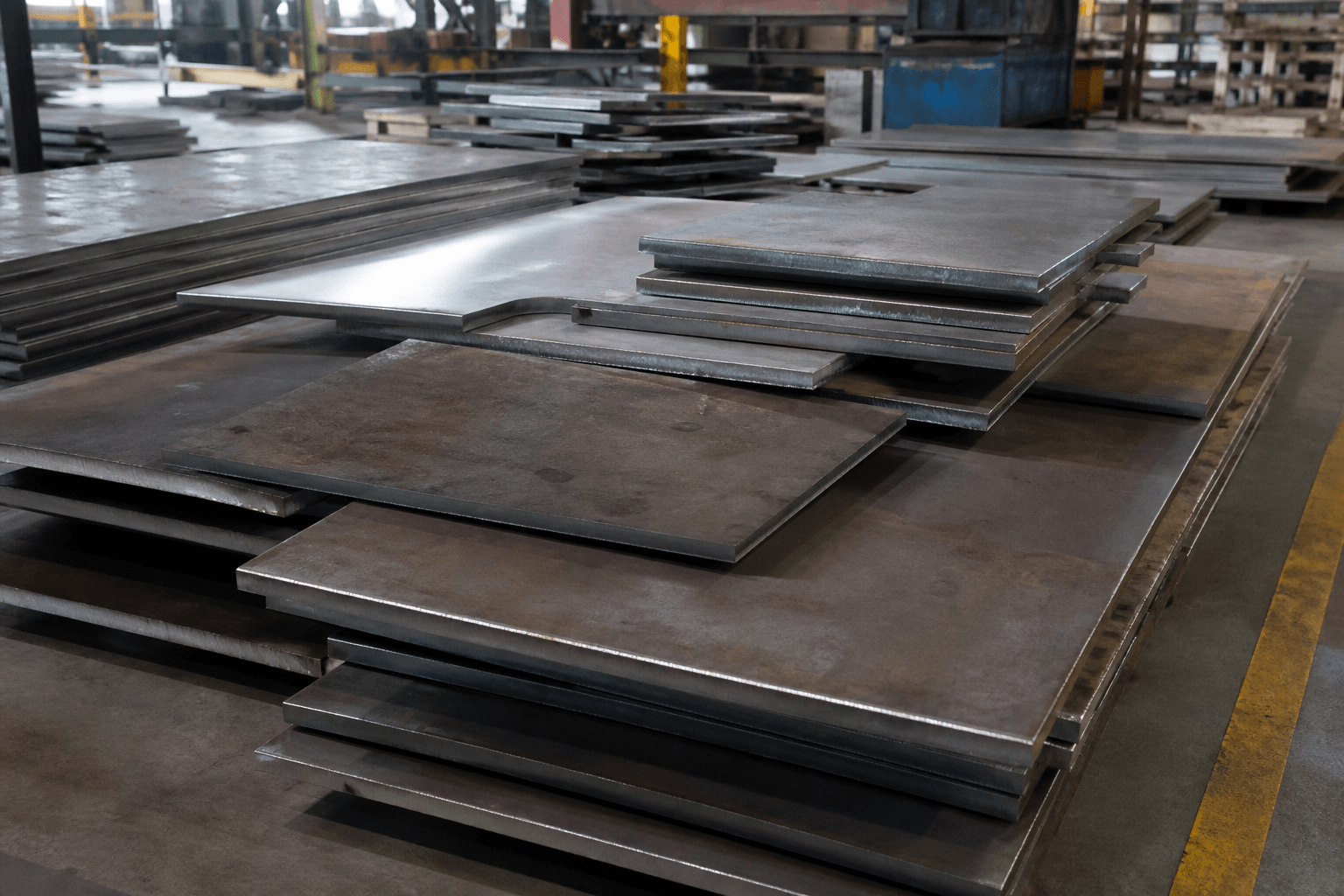
When buyers search for a 4130 steel equivalent, they are usually looking for a material that can replace AISI/SAE 4130 without changing the component’s strength, weldability, heat treatment, or service performance. The closest commonly referenced equivalent is 25CrMo4 under European designation systems, while UNS K41300 identifies the same broad alloy family in the Unified Numbering System. These designations should not be treated as automatic proof of interchangeability: the applicable material specification, product form, heat treatment, chemistry limits, and inspection requirements still need to be checked.
For a custom part, equivalence is a technical verification step rather than a simple grade-name lookup. A substitute may be chemically similar but unsuitable for the intended weld procedure, section thickness, forming operation, load, or operating temperature.
What is the closest equivalent to 4130 steel?
AISI/SAE 4130 is a low-alloy chromium-molybdenum steel. In international purchasing, the designations most often associated with it include:
- AISI/SAE 4130: the widely used alloy designation in North American engineering and manufacturing documentation.
- UNS K41300: a Unified Numbering System designation commonly associated with 4130 alloy steel.
- 25CrMo4: a European grade frequently considered comparable to 4130 for appropriate product forms and specifications.
The word “equivalent” needs care here. A material listed under a different designation may have similar chromium-molybdenum alloying and a comparable general purpose, but the allowable chemistry ranges and mechanical requirements may differ. Product standards can also define different conditions for bar, tube, plate, or sheet. Two materials that appear equivalent on a supplier’s list may therefore require different certificates, heat treatment, welding controls, or acceptance criteria.
For procurement, the correct question is not only “What is the 4130 equivalent?” It is also “Equivalent for which requirement?” A replacement should be reviewed against the drawing material callout, delivery condition, required mechanical properties, component geometry, joining method, service environment, and traceability requirements.
How the main 4130 designations compare
The following comparison is a starting point for material identification, not a blanket substitution approval.
| Designation | How it is used | Important qualification |
|---|---|---|
| AISI/SAE 4130 | North American alloy designation for chromium-molybdenum steel | Confirm the product specification, condition, and required properties |
| UNS K41300 | Unified designation associated with the 4130 alloy family | UNS identification alone does not define every purchasing or heat-treatment requirement |
| 25CrMo4 | European designation frequently used when sourcing a comparable Cr-Mo steel | Check the applicable European specification and compare chemistry and mechanical requirements |
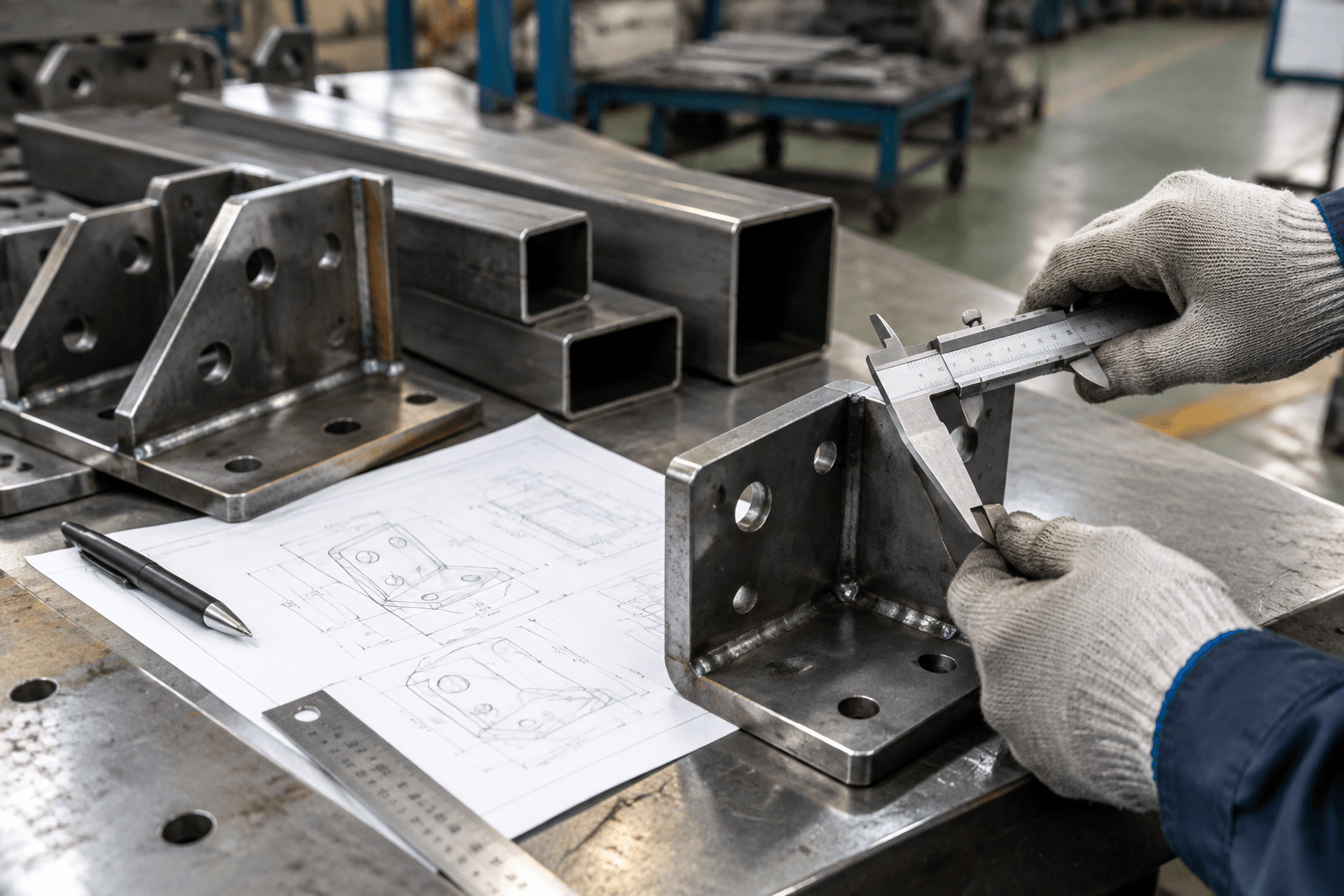
In practice, an engineer should compare the actual mill certificate or material test certificate with the specification named on the drawing. Useful checks include carbon, chromium, molybdenum, manganese, silicon, sulfur, phosphorus, tensile strength, yield strength, elongation, hardness, impact requirements where applicable, and delivery condition. The exact limits depend on the specification and product form, so a generic online equivalence chart is not enough for a controlled substitution.
Why similar chemistry does not guarantee identical performance
4130 is valued because its alloy system can provide a useful balance of strength, toughness, and weldability when the material is processed correctly. Its response depends on more than the nominal grade name. Section thickness affects cooling during heat treatment and welding. The initial condition affects forming and machining. Quenching, tempering, normalizing, or stress relieving can change hardness and strength. Surface condition and discontinuities can also matter when fatigue loading is involved.
Heat treatment deserves particular attention. A normalized 4130 component is not equivalent to a quenched-and-tempered component simply because both are labeled 4130. Similarly, a 25CrMo4 product supplied in a different condition may not meet the mechanical or dimensional requirements of an existing 4130 design. The supplier’s certificate should identify the material condition and report the properties required by the governing specification.
Service temperature is another boundary. 4130 and comparable Cr-Mo grades should not be selected for elevated-temperature service solely from room-temperature strength data. Long-term exposure can introduce concerns involving strength retention, creep, oxidation, thermal expansion, distortion, and dimensional stability. The exposure temperature, duration, stress level, atmosphere, and heat treatment all matter. Any high-temperature substitution should therefore use data generated under conditions representative of the actual application.
There is also no universal answer to whether a higher-alloy or higher-carbon grade is “better.” A material with greater hardenability or hardness may be more difficult to weld, form, machine, or repair. Conversely, a lower-carbon option may be easier to fabricate but may not provide the required strength after the selected treatment. The right choice is the one that satisfies the complete design and production specification.
4130 compared with 4140, 1018, and 4340
These grades are often raised during equivalent-material searches, but they are not automatic replacements for 4130.
- 4140: another chromium-molybdenum alloy steel, generally treated as a different grade rather than a direct 4130 equivalent. Its chemistry and heat-treatment response can support different hardness and strength targets. That may be useful for a loaded machined component, but the change can affect weldability, forming, machining, distortion, and inspection requirements.
- 1018: a plain carbon steel commonly used for general-purpose parts. It does not provide the same alloy design or hardenability as 4130. It may be suitable for a lower-demand component after engineering review, but it should not be presented as a like-for-like substitute.
- 4340: a nickel-chromium-molybdenum alloy steel developed for a different balance of hardenability, strength, and toughness. It is not a direct 4130 equivalent and may impose different heat-treatment, welding, sourcing, and cost considerations.
For a sheet metal bracket, welded frame, tube assembly, or machined interface, the manufacturing route can be as important as the nominal tensile-strength target. A substitute that looks suitable in a material table may create problems during cutting, bending, welding, drilling, tapping, or subsequent assembly.
What to check before approving a 4130 substitute
A practical substitution review can follow this sequence:
- Define the product form. Identify whether the requirement is for sheet, plate, tube, bar, forging, or a machined blank. Equivalent designations are not necessarily interchangeable across all forms.
- Confirm the governing specification. Record the material standard or customer specification, delivery condition, thickness range, and certificate requirements. If the drawing only says “4130,” request clarification before purchasing.
- Compare chemistry. Review the certificate rather than relying on a trading description. Pay attention to carbon and alloying limits because they influence hardenability, weldability, and heat-treatment response.
- Compare required properties. Check yield strength, tensile strength, elongation, hardness, toughness, and any fatigue or impact criteria under the specified condition. Do not compare values from different heat treatments as though they were equivalent.
- Review fabrication. Consider cutting, cold forming, machining, welding, preheating, interpass control, post-weld treatment, and distortion control. The appropriate welding procedure depends on chemistry, thickness, joint design, restraint, and heat input.
- Review service conditions. Confirm loads, cyclic loading, temperature, duration, corrosion exposure, contact with other materials, and dimensional stability requirements.
- Confirm inspection and traceability. Decide whether the project needs material certificates, heat or batch identification, hardness checks, dimensional inspection, weld inspection, or customer-specific documentation.
This review is especially important when the part combines fabrication and machining. For example, a welded 4130 assembly may need different controls from a quenched-and-tempered 4130 machined part, even if both originate from the same alloy family. Interfaces such as drilled holes, tapped features, turned inserts, and mating surfaces should be evaluated in the condition in which they will be delivered.
Manufacturing implications for custom 4130 parts
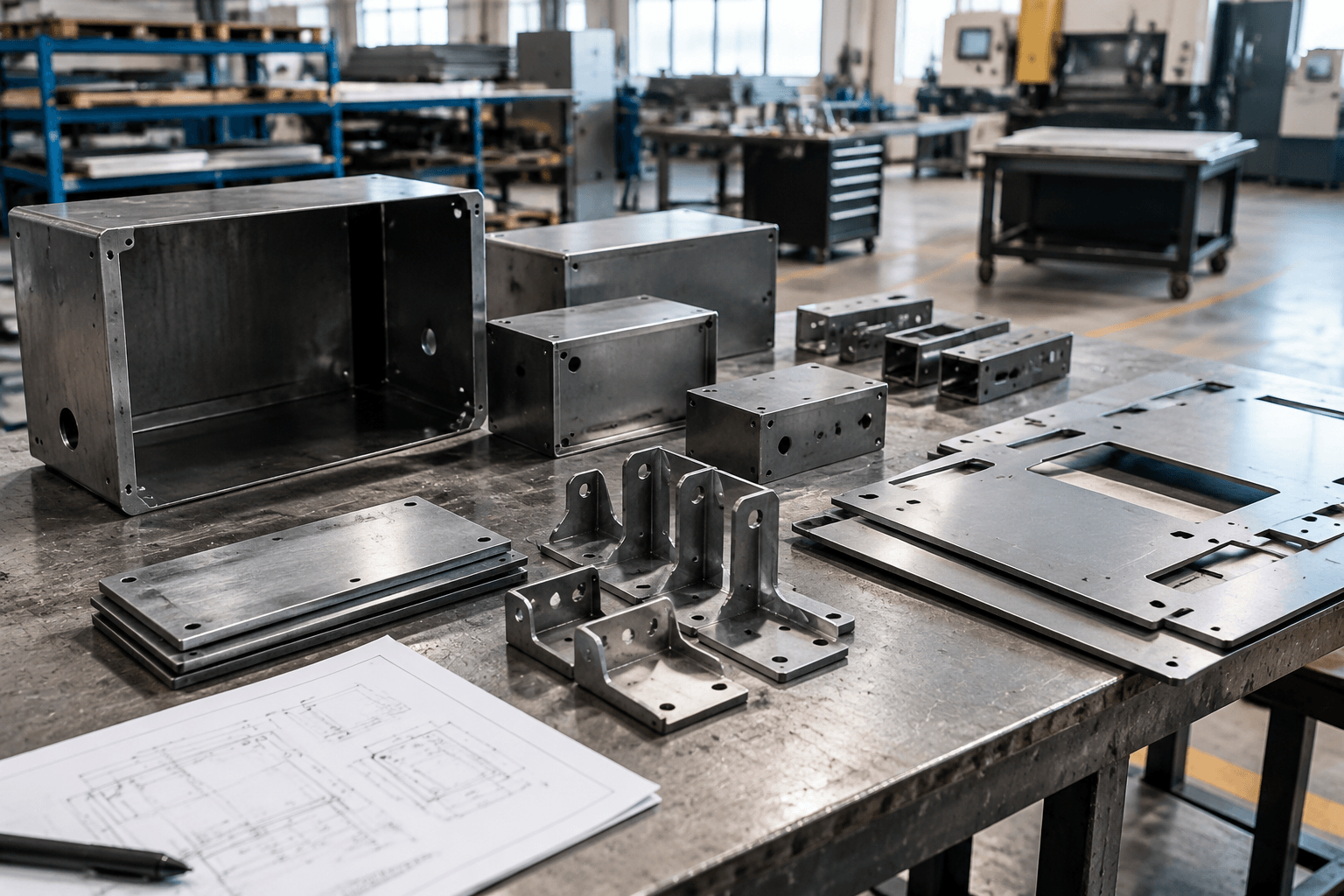
4130 may be supplied as a material for fabricated or machined components, but the processing route should be agreed before production. Sheet and plate parts may involve laser cutting, bending, forming, welding, and finishing. Bar or tube components may require turning, milling, drilling, or other machining operations. Turning is a machining process; it is not itself sheet metal fabrication, although a turned part can be designed to interface with a fabricated assembly.
Welding deserves an early design review. A chromium-molybdenum steel can be weldable, but weld quality depends on the actual chemistry, thickness, joint restraint, consumable selection, heat input, preheat, interpass temperature, and cooling behavior. If a substitute has different carbon or alloy content, the existing welding procedure may not transfer automatically. The drawing should identify critical welds and any post-weld requirements rather than leaving these decisions to the material name alone.
Machined features may also expose differences between candidate grades. Hardness and heat-treatment condition affect tool selection, cutting behavior, dimensional movement, drilling, tapping, and surface finish. Where a part is fabricated first and machined afterward, the sequence should account for weld distortion and stress relief before final interface dimensions are inspected.
For OEM or wholesale projects, a supplier can review the drawing, specified material, quantity, tolerance, and finish together. Yishang has more than 26 years of experience manufacturing custom sheet metal parts and metal products, supports OEM and ODM work, and exports to more than 50 countries. Its ISO and RoHS certifications are available as part of its supplied factory information; the applicable customer and material requirements still need to be defined for each project. For an application review, send the drawing, material designation, quantity, critical tolerances, and finish through Yishang’s website so manufacturability and documentation needs can be clarified before quotation.
Frequently Asked Questions
Is 25CrMo4 exactly the same as 4130?
25CrMo4 is commonly treated as a comparable European grade, but it should not be assumed to be identical in every product form or condition. Compare the applicable specifications, chemistry, mechanical properties, heat treatment, and certification requirements before approving substitution.
What is the difference between 4140 and 4130 steel?
Both are chromium-molybdenum alloy steels, but they are different grades with different chemistry and heat-treatment responses. 4140 may be selected for a different strength or hardness target, while 4130 is often considered when a balance of strength and fabrication requirements is needed. Neither should replace the other without an engineering review.
Can 1018 steel replace 4130?
Usually not as a direct substitute. 1018 is a plain carbon steel with a different alloy design and hardenability. It may be acceptable for a lower-demand part only when the loads, joining method, service conditions, and required properties have been reassessed.
Is 4130 a high-strength steel?
4130 can provide higher strength than many plain carbon steels when supplied and treated appropriately, but “high strength” depends on the specified condition and required comparison. The grade name alone does not establish a guaranteed tensile strength, hardness, or performance level.