Introduction
In aluminum sourcing, familiar grades tend to dominate the conversation. Buyers ask for 6061 because it is widely recognized. They ask for 7075 when strength takes priority. Somewhere in between, 6062 aluminum is often passed over—not because it performs poorly, but because it is less frequently discussed.
That is starting to change.
For OEM buyers and industrial sourcing teams, 6062 has real appeal where the job depends on clean extrusion quality, dependable machining, stable anodizing results, and smoother downstream processing. It is not the grade for every application, but in the right program it can reduce variation, improve finish consistency, and make volume production easier to control.
This is exactly why more buyers are taking a second look at it.
1. What Exactly Is 6062 Aluminum?
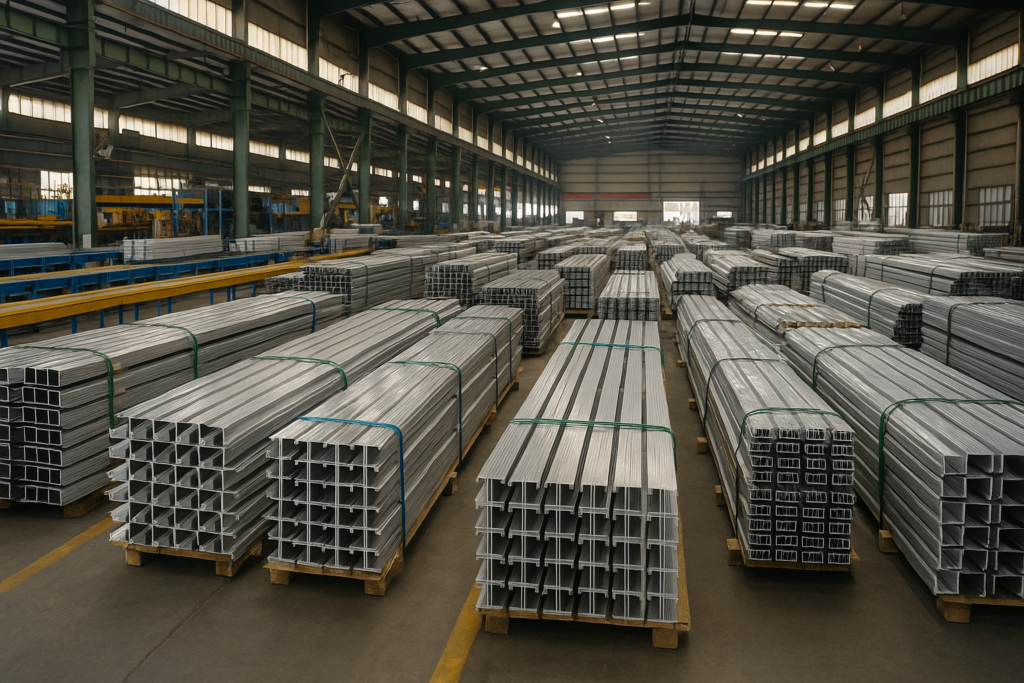
6062 aluminum is a 6000-series magnesium-silicon alloy known for a useful balance of medium strength, corrosion resistance, extrusion quality, and finishing consistency. It is often chosen less for headline strength figures and more for how reliably it behaves across real manufacturing steps.
That distinction matters. In many OEM projects, the alloy is not judged only by datasheet numbers. It is judged by what happens after extrusion, machining, welding, anodizing, and assembly.
Compared with more commonly specified grades like 6061 or 6082, 6062 is often valued for:
cleaner surface appearance after extrusion
more stable behavior in finishing processes
good fabrication compatibility across multiple operations
better suitability for appearance-sensitive profiles and frames
Typical Composition (%)
| Element | Content Range |
| Aluminum | 95.8–98.6 |
| Magnesium | 0.45–0.90 |
| Silicon | 0.40–0.90 |
| Copper | 0.10–0.30 |
| Manganese | 0.15–0.40 |
| Chromium | Up to 0.25 |
| Zinc | Up to 0.10 |
| Residuals | ≤ 0.15 |
For buyers, this composition matters less as a chemistry lesson and more as a clue to how the alloy will behave when the job calls for extruded shapes, anodized profiles, machined parts, or welded light-structural assemblies.
2. Why Buyers Like 6062 in Real Production
6062 sits in a range that makes sense for many structural and semi-structural parts. It is not an ultra-high-strength alloy, but that is often not the point. What makes it attractive is how it combines adequate strength with easier downstream control.
Mechanical Properties (T6 Temper)
| Property | Typical Range |
| Ultimate Strength | 290–330 MPa |
| Yield Strength | 240–290 MPa |
| Elongation | 12–16% |
| Brinell Hardness | 80–95 HB |
These figures place 6062 in a useful position for buyers who need more than decorative strength, but do not want to pay the processing penalties that often come with harder, less forgiving alloys.
Thermal and Physical Properties
Density: ~2.73 g/cm³
Melting Point: ~582°C
Thermal Conductivity: ~167 W/m·K
Coefficient of Expansion: ~21.8 µm/m·°C
Why This Matters in Volume Orders
In repeat production, the real value of 6062 is not just that it can meet strength requirements. It is that it tends to stay more manageable through forming, machining, finishing, and assembly, especially in programs where buyers are watching:
batch consistency
post-process defect rates
surface quality after anodizing
rework and downtime
That makes 6062 especially useful where the product has to look good, fit well, and run through multiple process steps without creating surprises.
3. Fabrication Compatibility Across the Supply Chain
One reason 6062 performs well in OEM projects is that it moves through multiple fabrication stages without creating unnecessary complications. That makes life easier for both the supplier and the buyer.
Machining
6062 machines cleanly and supports stable tolerances in many common CNC operations. Buyers usually notice this not in the machine shop itself, but later—through:
less secondary polishing
cleaner part edges
more predictable repeatability across batches
Welding
For projects that rely on MIG or TIG welding, 6062 generally offers good weldability and practical post-weld usability. That matters in assemblies such as:
welded enclosures
support brackets
light structural cross-members
Forming
6062 also performs well where shaped profiles or bent sections are part of the design. Buyers benefit when the alloy holds form more predictably, because that can reduce:
tooling stress
shape variation
forming-stage rejects
Surface Treatment
This is one of the strongest reasons buyers choose 6062. It responds well to anodizing and powder coating, making it useful in projects where the finish is not just decorative, but commercially important.
For anodized profiles, visible rails, branded fixtures, and appearance-sensitive housings, finish consistency can matter as much as mechanical performance.
4. Where 6062 Aluminum Makes Sense in OEM Projects
EV Frames and Modules
In EV-related fabrication, buyers often need an alloy that balances reasonable strength, weld compatibility, and dimensional stability. 6062 works well in parts such as:
battery-frame sections
light structural modules
support profiles and brackets
It is especially attractive where the assembly has to move through extrusion, machining, joining, and finishing without creating excessive variation.
Marine and Outdoor Fixtures
For outdoor and corrosive environments, 6062 offers useful corrosion resistance along with a surface quality that works well in finished profiles. This makes it relevant in products such as:
marine fixtures
antenna mounts
equipment housings
outdoor framing systems
Architectural and Retail Frames
This is one of the clearest fit areas for 6062. Buyers looking for anodized window profiles, partition frames, display rails, or branded retail structures often care about finish appearance, consistency, and low rejection rates. In that context, 6062 can be easier to manage than some more familiar alternatives.
Heat Dissipation Units
6062 also has value in heat sink supports, lighting housings, and electrical enclosures where moderate thermal conductivity and shape stability both matter. It is not selected only because it conducts heat, but because it can do so while remaining workable across several production steps.
5. 6062 vs Common Alternatives
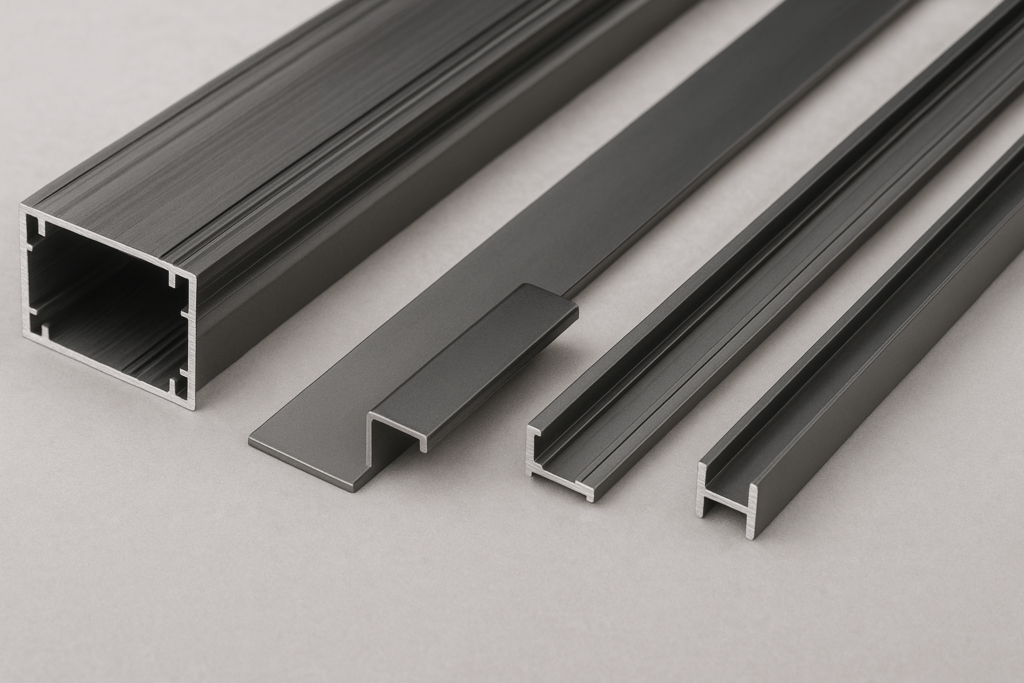
A useful way to understand 6062 is to compare it with the grades buyers ask for most often.
| Property | 6062 | 6061 | 6082 | 7075 |
| Strength | Medium | Medium | Medium-High | Very High |
| Weldability | Excellent | Good | Fair | Limited |
| Anodizing Quality | Excellent | Good | Moderate | Poor |
| Price | Moderate | Low | Moderate | High |
| Formability | High | Moderate | Limited | Poor |
How Buyers Usually Read This Comparison
6061 is familiar, flexible, and widely available.
6082 can offer higher strength, but it is not always the easiest option for appearance-sensitive finishing.
7075 is strong, but it brings more limitations in welding, formability, and finishing cost.
6062 sits in a useful middle ground when the program values process stability, good anodizing results, and fabrication friendliness.
That is the real reason it deserves more attention.
6. Procurement Considerations: Availability, Cost, and Delivery
6062 is available in forms such as bar, plate, and extruded profiles, though regional availability can vary depending on market demand and supplier specialization.
What Buyers Should Watch
Lead time: Often around 2–4 weeks for standard supply, but longer for customized profiles or integrated finishing
Supplier capability: Stronger results usually come from suppliers that can manage extrusion, machining, welding, and finishing in one coordinated flow
True cost: 6062 may not always have the lowest base price, but it can reduce total cost through less rework, better finishing yield, and steadier production quality
For many buyers, that total-process benefit matters more than the initial alloy price alone.
7. FAQs for Industrial Buyers
Is 6062 a realistic alternative to 6061?
Yes. In projects where surface finish, anodizing quality, or weld consistency matter more than market familiarity, 6062 can be the better choice.
Can 6062 be bent and formed?
Yes. It generally performs well in forming operations and is suitable for profiles and parts that need controlled shaping.
Does 6062 perform well outdoors?
Yes. When properly finished, it offers good corrosion resistance and is widely suited to outdoor, marine-adjacent, and architectural use.
Why do some buyers switch to 6062?
Usually because they are trying to improve one of three things:
finish consistency
fabrication stability
overall process yield in volume production
Conclusion
6062 aluminum is easy to miss because it does not carry the same name recognition as 6061 or the headline strength of 7075. Even so, it solves a very practical set of problems for industrial buyers.
Where the project depends on good extrusion quality, stable fabrication, cleaner anodizing results, and fewer downstream variables, 6062 can be a smarter and more balanced choice than the more obvious alternatives.
That is why it deserves more attention in OEM sourcing.
At YISHANG, we help buyers evaluate aluminum grades not just by datasheet familiarity, but by how they perform through real manufacturing steps. If you are comparing 6062 with 6061, 6082, or other extrusion-friendly alloys, our team can help review your drawings, finish requirements, and production goals to find the right fit.