
From Metallurgical Precision to Manufacturing Realities: A Deep Dive for Global Wholesale Buyers and Engineers
Introduction: Strategic Sourcing Starts with Material Precision
630 stainless steel—also known as 17-4 PH—isn’t a standard choice, and that’s exactly why smart procurement teams investigate it deeper. For international wholesale buyers handling critical infrastructure or industrial components, this material comes with high performance—but also nuanced requirements.
At YISHANG, we understand sourcing decisions aren’t only about datasheets—they’re about downstream reliability, total lifecycle cost, and compliance with both global standards and local operating conditions. This guide moves beyond basic material promotion to offer application-aligned insight—built for professionals who want precision before purchase orders.
I. The Procurement Power—and Pitfalls—of 630 Stainless Steel
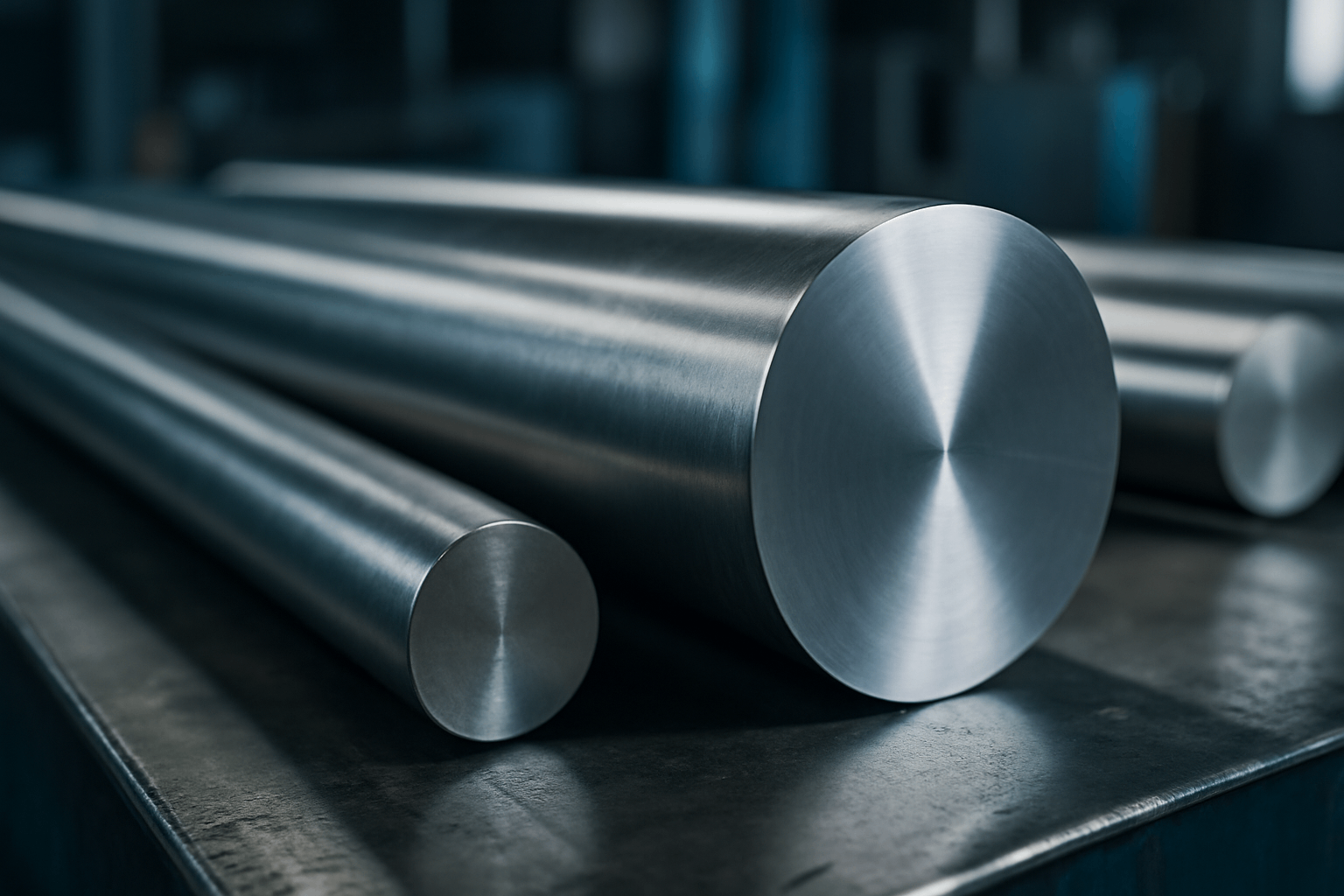
630 stainless steel (UNS S17400) is a martensitic precipitation-hardening alloy with a unique balance of strength and corrosion resistance. Its yield strength can reach over 1300 MPa, making it suitable for aerospace fasteners, turbine blades, and pressure-bearing components.
But its performance depends heavily on heat treatment conditions. The difference between H900 and H1150 isn’t just mechanical—it affects suitability for machining, weld prep, and even how parts behave in load-bearing applications. For purchasing teams, a generic spec sheet doesn’t suffice. You need clear documentation of the condition, treatment standard (e.g., ASTM A564 or AMS 5643), and traceability to the production batch.
At YISHANG, we ensure every shipment of 630 stainless includes full material certification, third-party test results, and clearly labeled condition identifiers—giving your technical and quality assurance teams full visibility.
II. Field Performance: Strength, Corrosion Resistance, and Fabrication Trade-Offs
Yield Strength vs. Machining Behavior
A primary selling point of 630 stainless lies in its ultra-high strength when aged. Under H900 treatment, parts maintain impressive load-handling capacities. However, this strength also means reduced ductility and tougher machinability. Forming operations such as bending or stamping should occur in the solution-annealed (Condition A) stage.
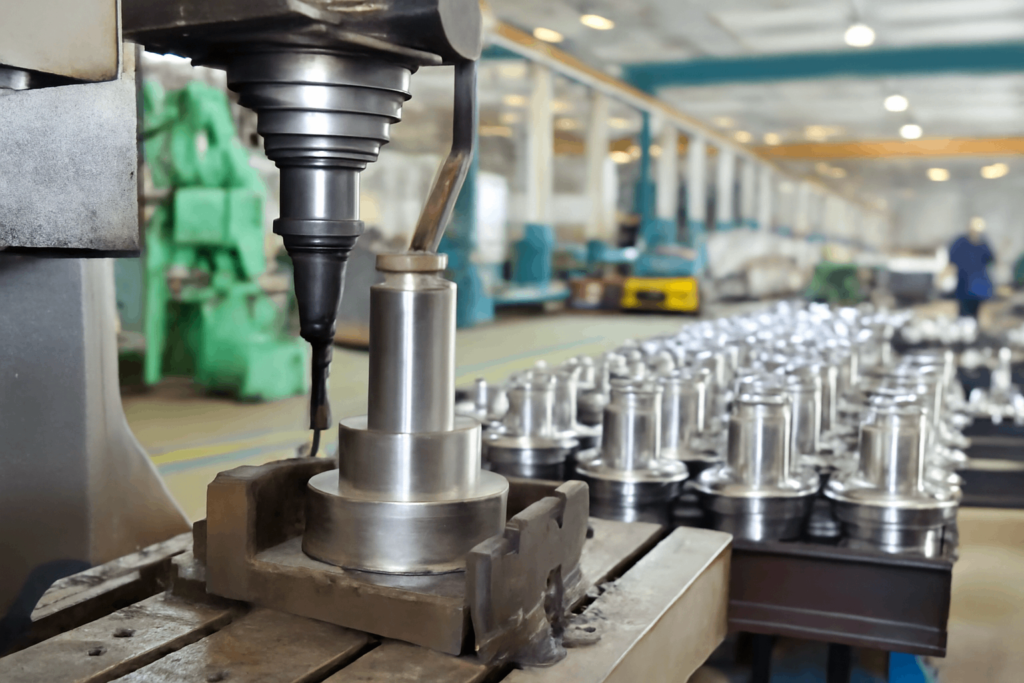
YISHANG provides precision-prepared blanks or CNC-machined parts in pre-aged condition, allowing easier downstream fabrication without compromising final mechanical specs.
Corrosion Resistance Nuances
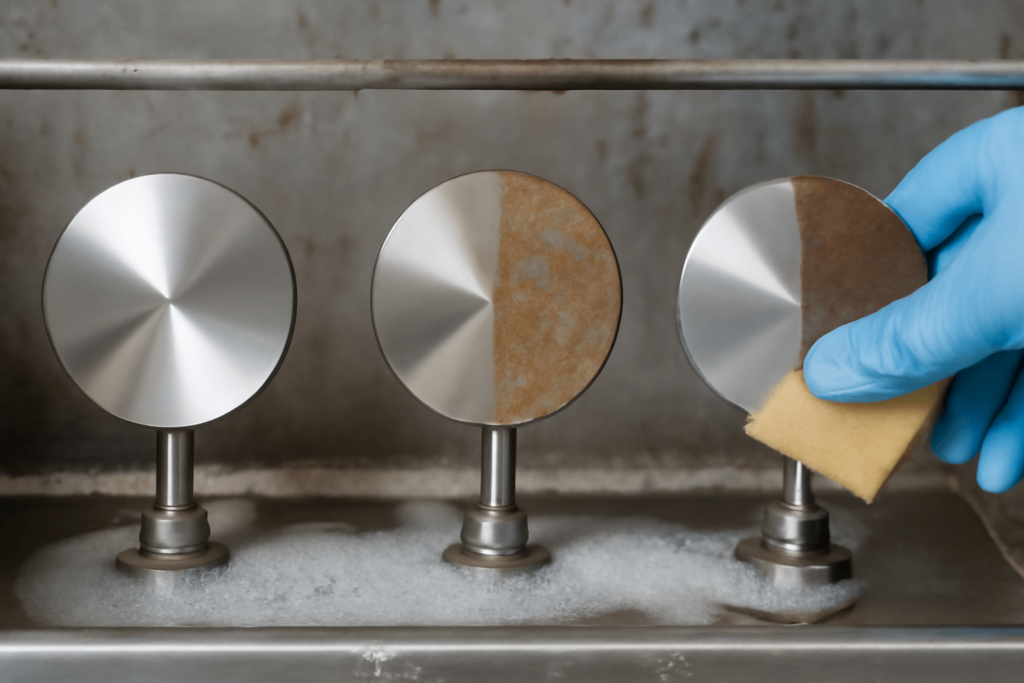
While 630 stainless performs adequately in neutral and mildly corrosive environments, its resistance to pitting—particularly in chloride-rich or acidic conditions—lags behind 316L or duplex grades. In B2B applications such as marine components, lab fixtures, or coastal electronics enclosures, coating or alloy substitution should be considered.
We offer customized surface finishing options—like passivation, electropolishing, or epoxy coating—based on destination humidity, temperature range, and chemical exposure levels. These are pre-approved through REACH and RoHS compliance testing.
Heat Treatment and Weld Impact
Inadequate post-weld heat treatment is a frequent cause of failure. Welded 630 stainless must undergo solution annealing followed by aging to restore its strength. Without this, parts may exhibit brittleness, microcracking, or up to 50% drop in tensile integrity.
YISHANG’s integrated CNC-to-weld workflow includes TIG/MIG process control and automated thermal cycling. Each part batch is monitored digitally for soak time and cooling curve precision—ensuring treatment consistency regardless of volume.
III. Common Pitfalls: Global Case Studies of Misuse and Mitigation
Aerospace Spec Mismatch
A multinational contractor purchased 17-4 PH bolts in both H900 and H1025 from separate sources. The variation caused failure in structural torque retention during aerospace engine testing. Though both conditions were “standard,” their mixed use introduced mechanical inconsistency.
YISHANG eliminates such risk with a locked spec matrix per order—cross-verified with digitally matched inspection certificates and ERP-stored heat treatment logs.
Marine Failure Due to Incomplete Prep
A Southeast Asia marine filtration OEM installed 630 stainless pumps without surface protection. Six months in, corrosion forced a full replacement. The root cause? A misunderstanding of chloride compatibility.
Now, all YISHANG marine-grade parts ship with a corrosion exposure checklist, surface treatment specs, and guidance on compatibility between alloy, pH, and exposure time.
Weld Brittleness in Solar Projects
An energy infrastructure client used 630 stainless mounting brackets in solar arrays without post-weld aging. Result: welds cracked after six months of cyclic stress. Had the supplier advised on aging or provided welding protocol, this could have been prevented.
YISHANG mandates post-weld thermal treatment for all 17-4 PH assemblies unless contractually waived—ensuring fatigue durability in structural use.
IV. Is 630 Stainless Steel the Right Fit for Your Purchase Order?
Selection by Application Demands
630 stainless is best suited for:
-
Aerospace fixtures needing ultra-high strength
-
Hydraulic shafts in chemical-neutral settings
-
Load-bearing brackets in low-chloride environments
Avoid this alloy for:
-
Permanent submersion in marine environments (unless coated)
-
Highly complex parts requiring post-aging reshaping
Use-case relevance is key. At YISHANG, our engineers co-review client drawings and specs to match 630 with real-world conditions—not just datasheet assumptions.
Performance Benchmark Table for Buyers
| Stainless Grade | Yield Strength (MPa) | Corrosion Resistance | Weldability | Cost-Efficiency |
|---|---|---|---|---|
| 304 | ~215 | High | Excellent | High |
| 316L | ~290 | Very High | Very Good | Moderate |
| 2205 Duplex | ~450 | Excellent | Moderate | Moderate |
| 630 (H900) | ~1100–1300 | Medium | Conditional | Depends on Spec |
V. What Engineers Expect Buyers to Know (But Often Don’t)
Bridging Engineering and Procurement
In projects involving critical tolerances or high fatigue loads, spec clarity is vital. Common oversights:
-
Quoting without condition (e.g., H900 vs H1150)
-
Overlooking ASTM standards (e.g., A564)
-
Assuming “stainless” means corrosion-proof in all contexts
-
Missing heat treatment certification
YISHANG’s RFQ workflow includes engineer-to-buyer Q&A sessions, sample trials, and third-party verifications—ensuring alignment before orders are placed.
Solving Trust Gaps in International Supply
B2B buyers from Europe to North America seek confidence in Asia-based suppliers. We’ve earned that trust through:
-
TÜV/SGS certifications for every production lot
-
Digital twin records for every PO
-
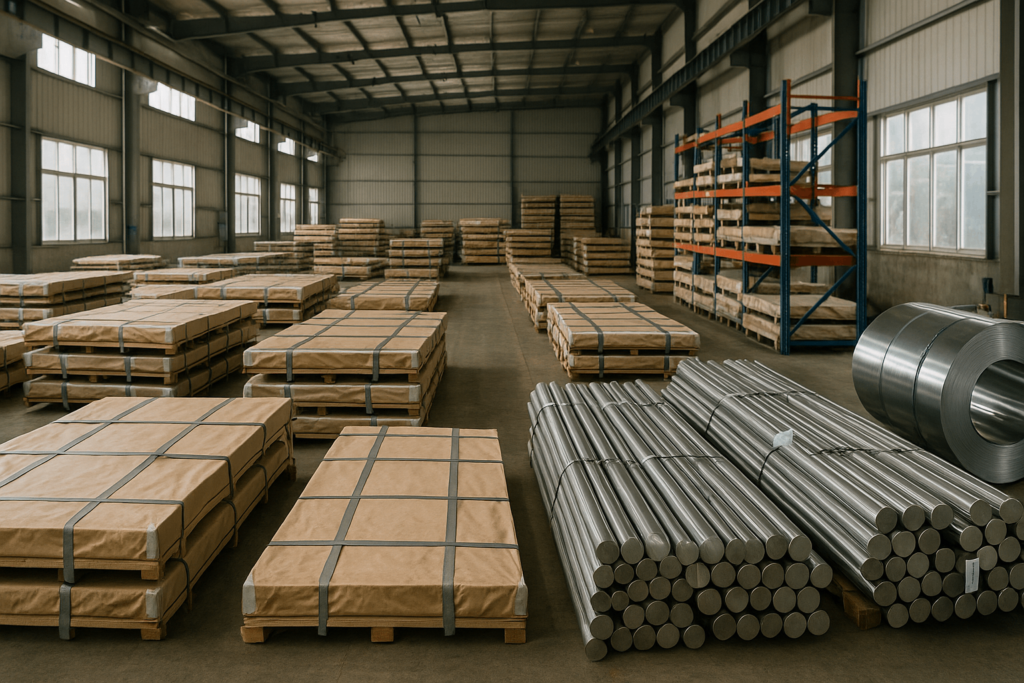
Logistics transparency down to packaging type and shipping method
We also help buyers meet local compliance standards with documentation like CE, REACH, RoHS, and provide English-labeled inspection and customs-ready COs.
VI. Final Analysis: Application Fit, Not Just Alloy Fit
If your procurement priorities involve maximizing strength-to-weight, maintaining post-process dimensional stability, and withstanding moderate corrosion—630 stainless can be a top performer.
However, it’s not a one-size-fits-all solution. Without correct handling of condition, welding, and environment, the material’s performance potential may not be realized.
That’s where YISHANG becomes more than a supplier—we’re a spec-aligned solutions partner.
Sourcing for industrial hinges, load-bearing pins, or panel brackets? Let us support your selection process with fit-for-purpose insights, not just price quotes.
Ready to Source with Confidence?
Global buyers trust YISHANG for technically verified, condition-specific 630 stainless steel. We don’t just sell alloy—we deliver performance assurance.
Submit your RFQ today and get compliance-ready support from our metal solutions team.