
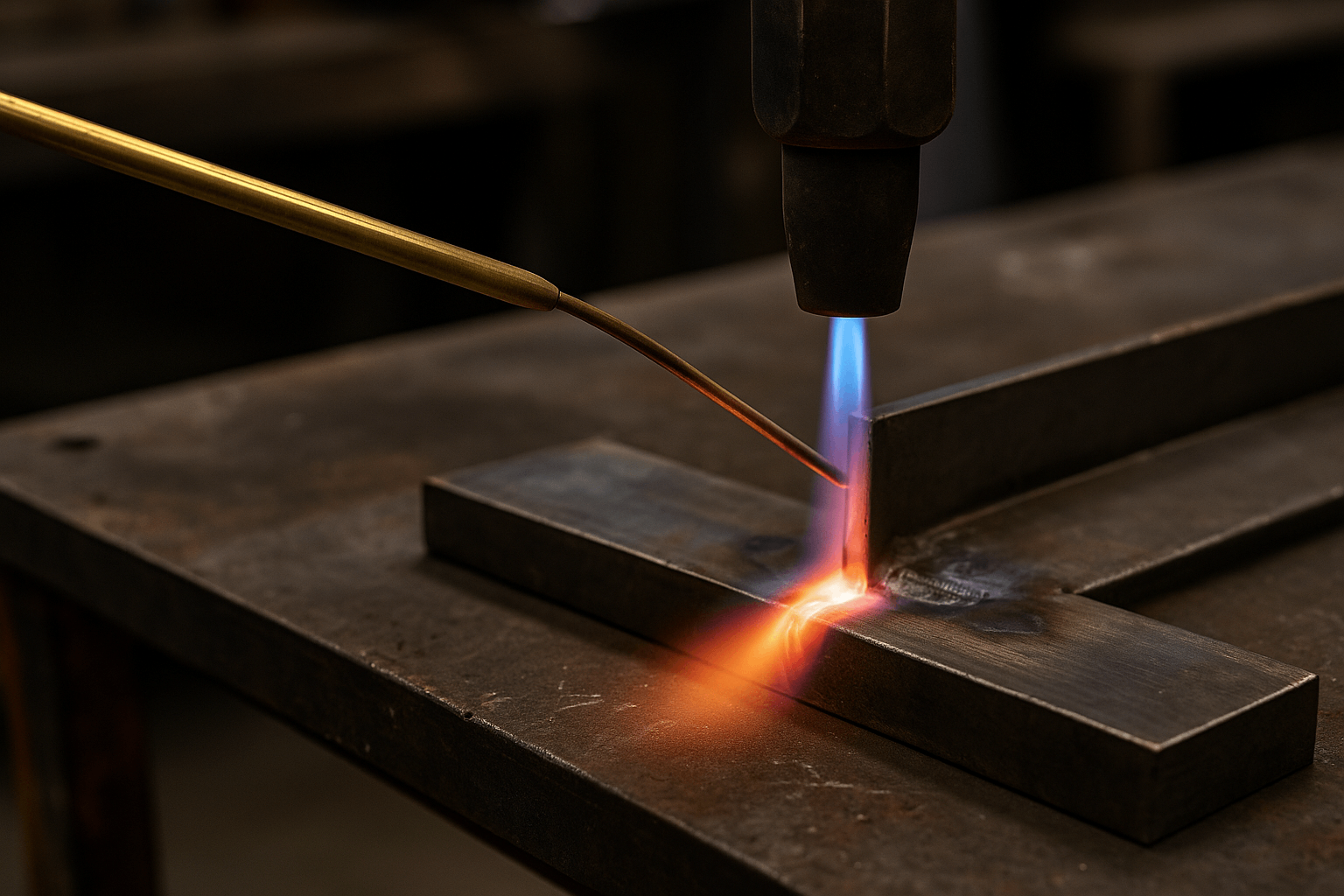
Most search results for how to use a brazing rod, brazing sheet steel, or brazing video focus on technician‑level demonstrations: how to heat a joint, when flux turns clear, how filler flows. These guides help beginners and DIY users, but they rarely answer what matters to overseas wholesale buyers and OEM procurement teams.
For a buyer sourcing metal cabinets, machine frames, display structures, or industrial subassemblies, brazing is not a workshop skill—it is a quality‑stability variable. It affects joint reliability, deformation risk, coating performance, system durability, and long‑term warranty cost. When your orders run in hundreds or thousands, the real question is not how a brazing rod melts, but whether a supplier can repeat results at scale.
This article reframes the brazing process from a procurement and industrial‑manufacturing perspective. It follows a clear progression—from fundamental control variables, to filler selection, to interpreting brazing behavior, to defect diagnosis, and finally to scalable production systems. Every section builds toward one outcome: helping buyers evaluate suppliers objectively and reduce long‑term risk.
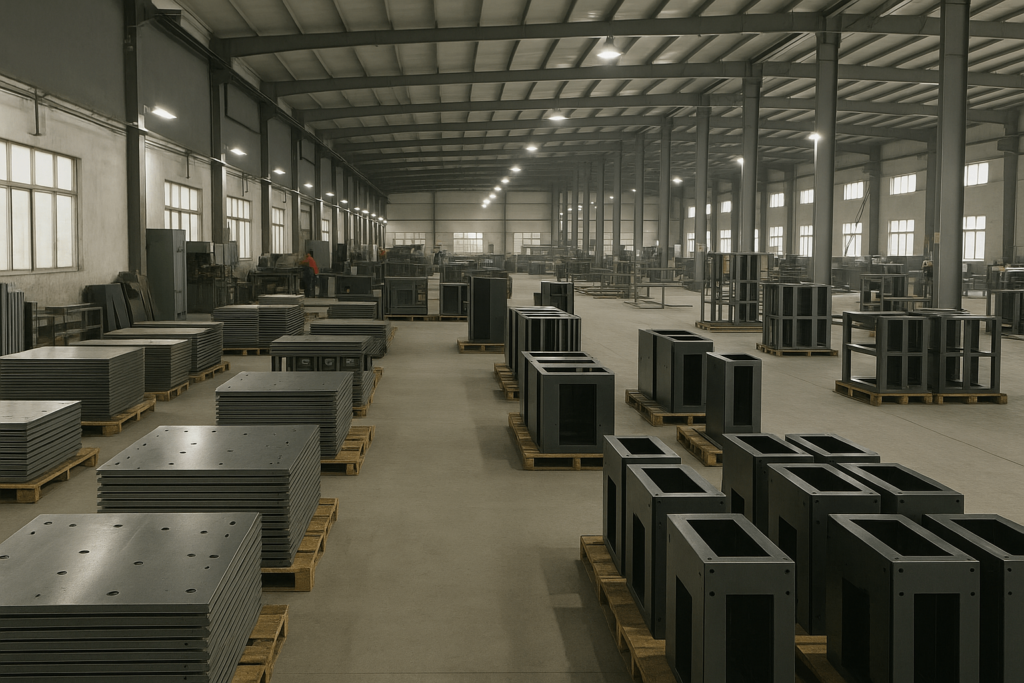
Before the Flame: Why Industrial Brazing Depends on System Control
Professional buyers know that watching a brazing video alone cannot reveal a supplier’s real capability. In industrial fabrication, consistency depends on whether the factory controls three variables: surface condition, joint clearance, and heat behavior. All downstream quality indicators—strength, appearance, corrosion resistance, leak‑tightness, coating adhesion—trace back to these fundamentals.Surface Condition: The Foundation of Capillary Flow
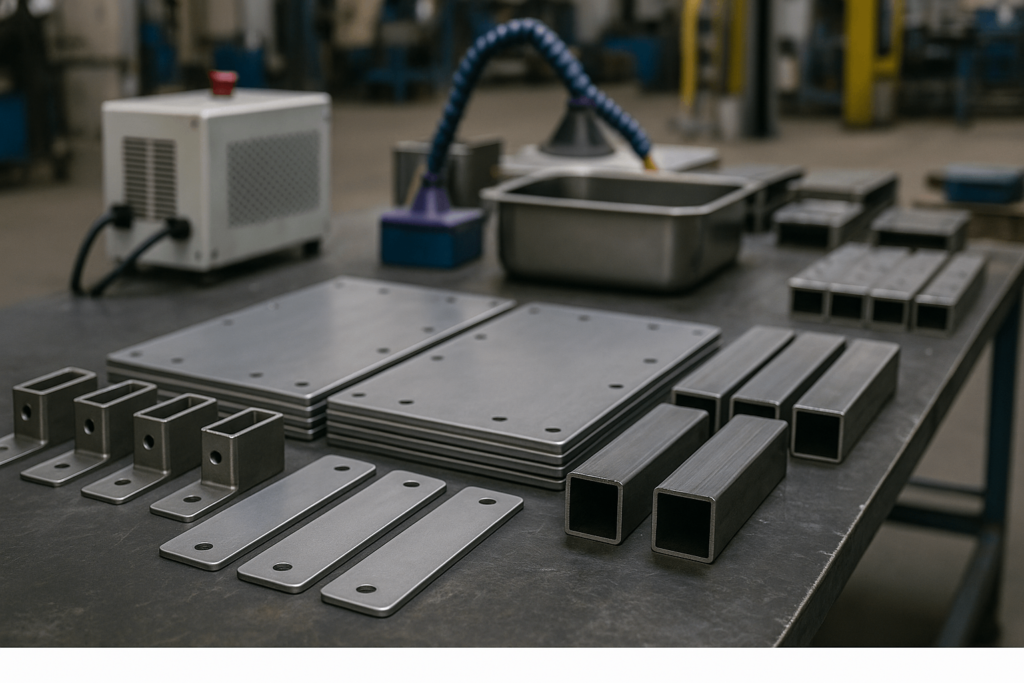
Contaminants such as oil, oxide layers, and machining residue block capillary action. For brazing sheet steel, oxidation forms quickly, and even a thin film can cause uneven wetting. A mature supplier controls surface condition through:- Documented degreasing and abrasive‑cleaning procedures
- Clean‑handling standards between operations
- Verification before flux application and heating
Joint Clearance: The Decisive Mechanical Variable
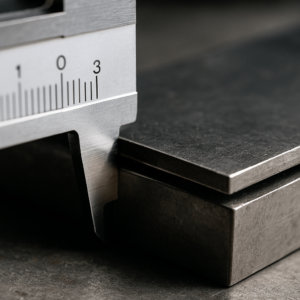
Brazing works because molten filler is pulled into a gap. The optimal range in production is typically 0.05–0.20 mm. Outside this window, defects become predictable:- Too tight → poor penetration, starved joints
- Too loose → voids, weak fillets, excess filler consumption
- Dimension joint gaps clearly on drawings
- Measure fit‑up before heating
- Use thermal‑stable fixtures to minimize variation
- Track gap‑related deviations over tool life
Heat Behavior: The Real Indicator of Process Maturity
Technicians should heat the base metal, not the rod. Filler should melt when it touches the joint—not in the flame. Overheating burns flux, weakens alloy behavior, and increases distortion risk. Buyers can detect heat‑control issues through simple visual checks:- Crystallized or burned flux
- Irregular discoloration patterns
- Over‑large fillets or unmelted rod marks
Special Focus: Brazing Sheet Steel in Production Environments
Many search results for brazing sheet steel cover one‑off repairs. In industrial fabrication, thin sheet steel behaves differently:- It heats rapidly and deforms easily
- Heat sinks cause uneven temperature distribution
- Small voids can fail leak tests or corrosion tests
- How they prevent panel warping
- Whether they use heat sinks or backing bars
- How brazing interacts with later bending or forming
- What tests validate leak‑tightness or coating performance
Choosing the Right Brazing Rod: Matching Alloy, Geometry, and Production Reality
Search results often oversimplify filler selection—for example, recommending one rod for steel and another for copper. Industrial brazing requires deeper evaluation. A filler must match joint geometry, wetting behavior, finishing requirements, and volume‑production stability.Geometry: Why Joint Shape Dictates Filler Choice
Long lap seams need highly fluid fillers; structural brackets may require alloys forming slightly thicker fillets. Closed corners, deep channels, and multi‑thickness joints alter heat flow. A procurement team can quickly assess maturity by noting whether a supplier discusses:- Overlap length and flow direction
- Thickness transitions
- Heat‑sink areas
- Fixture orientation
Wetting Behavior: The Predictor of Consistency
Wetting determines penetration depth and bond uniformity. Variations in gap size, cleanliness, or heat input disrupt wetting. A reliable supplier will explain:- Why a certain filler wets carbon steel, copper‑steel, or stainless assemblies
- How flux chemistry supports that wetting
- How penetration is verified (cut‑sections, test coupons)
Avoiding Unnecessary Premium Fillers
High‑silver rods are sometimes selected because they “seem better.” In many cases, they simply raise cost without fixing root‑cause issues like poor design or inconsistent heating. Buyers should favor suppliers who:- Select fillers based on performance, not prestige
- Consider supply chain stability
- Evaluate filler‑to‑finish compatibility (powder coating, plating)
How to Use a Brazing Rod: A Six‑Step Industrial Overview
Since “how‑to” queries dominate SERP results, this section provides a clear, search‑aligned response—and then links it back to procurement relevance.Six Controlled Steps
- Fit parts with a 0.05–0.20 mm gap.
- Clean surfaces; apply compatible flux.
- Heat base metal evenly; focus on thicker areas.
- Observe flux clarity and uniform heating.
- Touch rod to joint away from the flame; allow capillary pull.
- Cool in still air; avoid accelerated cooling.