
Introduction: Material Strategy as the First Line of Supply Chain Defense
1 Why Steel Selection Has Become a Strategic Variable
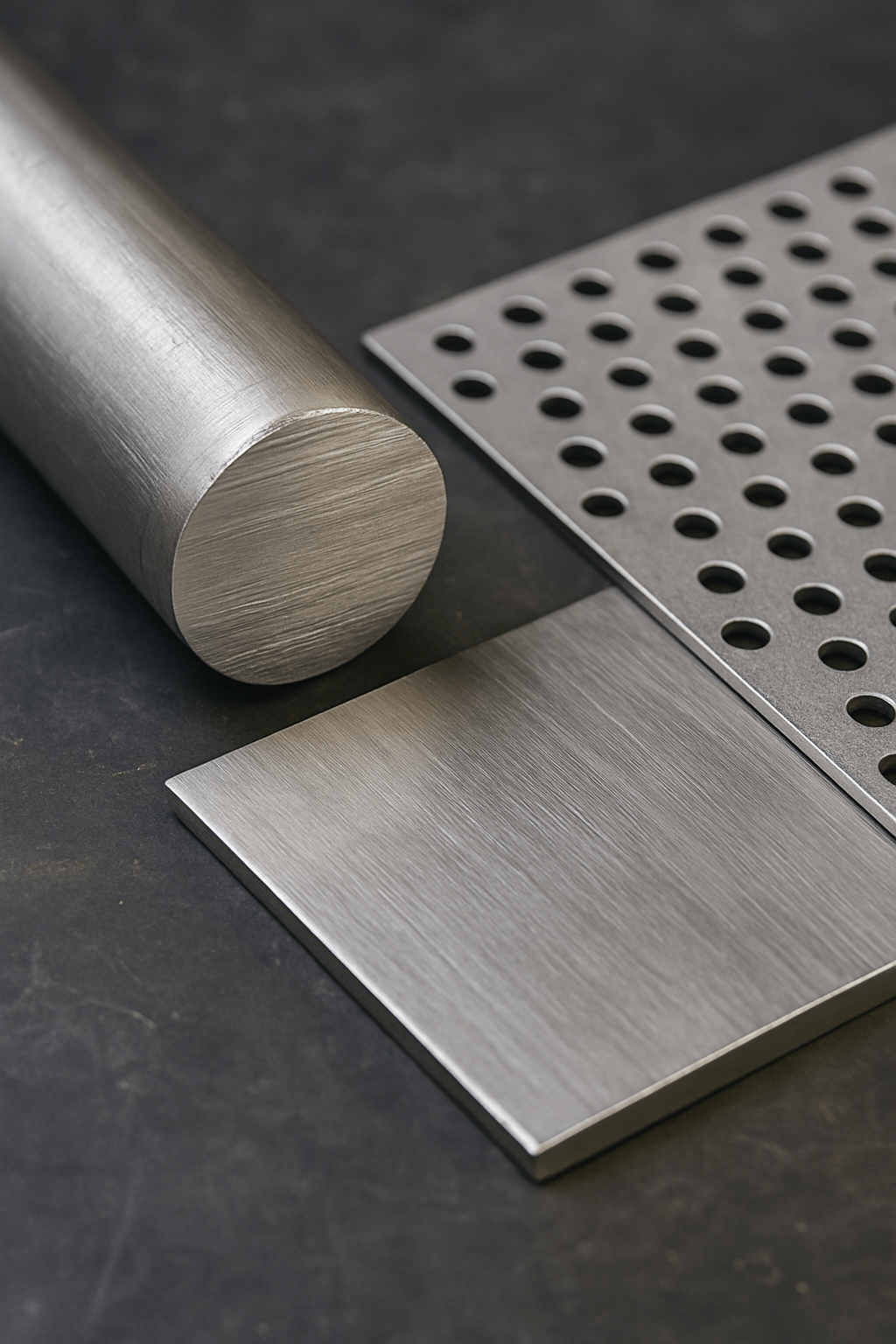
In the manufacturing landscape of 2025, steel selection is no longer a matter of simply comparing tensile strength tables or selecting the lowest-cost option. For OEMs, procurement managers, sourcing directors, and engineering teams, truly understanding what steel is used for and how its evolving properties affect performance, compliance, and lifecycle cost has become a core strategic capability. Steel today is not just a material—it is a supply chain variable intertwined with regulations, sustainability mandates, and functional engineering demands.
2 The Regulatory and Metallurgical Pressures Behind Modern Steel Procurement
The rapid rise of decarbonization initiatives, including the EU’s Carbon Border Adjustment Mechanism (CBAM), has redefined procurement priorities. At the same time, increased global reliance on Electric Arc Furnace (EAF) production introduces risks tied to recycled scrap. Tramp elements such as copper, tin, or antimony—unremovable in traditional refining—pose weldability challenges and surface-quality concerns. As manufacturers continue to analyze the chemical composition of steel more critically, its metallurgical stability has become central to product performance.
3 Why This Matters for Exporters and Overseas Buyers
For companies exporting to 50+ countries like YISHANG, the consequences of selecting steel with inconsistent quality can be severe. Hot shortness during processing, corrosion failures in the field, or non-compliance in customs inspections can lead to high-cost recalls and legal liabilities. Understanding what steel is composed of and how its properties behave in demanding applications is therefore increasingly significant for global wholesale buyers.
4 What This Guide Covers and Who It Is For
This guide is written for overseas decision-makers who purchase custom sheet metal parts, steel cabinets, frames, and enclosures from Asia-based suppliers. Rather than redefining basic steel concepts, it deepens the discussion, connecting engineering logic, compliance frameworks, and manufacturing economics. From why battery systems are returning to steel to how electropolishing enhances sterile environments, this article positions steel as an adaptable, engineered solution—ideal for sectors ranging from EVs and BESS to medical equipment, agriculture, and smart infrastructure.
5 The YISHANG Perspective (Experience-Based Insight)
At YISHANG, our 26+ years of metal fabrication experience in custom steel cabinets, sheet metal parts, metal display racks, and welded frames gives us a practical vantage point. We have supported OEM and ODM projects for automotive, energy, vending, storage, and medical sectors, and we understand how to balance cost, regulatory requirements, and performance for overseas importers.
6 What You Will Learn in This Guide
In this guide, you will learn how to:
- Match different types of steel to real-world applications and industries
- Avoid common specification mistakes when writing RFQs for steel enclosures
- Understand how processes like laser cutting, stamping, and welding affect cost
- Check whether a potential supplier can meet CBAM, RoHS, and other compliance needs
- Use steel strategically in your next OEM / ODM sheet metal fabrication project
For international wholesale buyers, the goal is simple: choose steel and processes that reduce risk instead of adding it. The following sections explain how to do that in a structured, engineering-driven way. The following sections explain how to do that in a structured, engineering-driven way.
What Is Steel? Composition, Elements and Structure
Steel is an engineered alloy primarily composed of iron and carbon, with small but critical amounts of alloying elements that determine its behavior in different applications. For global buyers evaluating materials for cabinets, frames, or enclosure systems, understanding what steel is made of, what steel is composed of, and what elements make steel is essential for correct specification.
At its core, steel is mainly composed of:
- Iron (Fe): The base element that makes up the majority of steel.
- Carbon (C): The key strengthening element; even a small increase dramatically changes hardness, brittleness, and weldability.
- Manganese (Mn): Improves strength and toughness; essential for deoxidation.
- Chromium (Cr): Provides corrosion resistance and heat resistance.
- Nickel (Ni): Enhances toughness and corrosion resistance, especially in low‑temperature or chemical environments.
- Silicon (Si): Helps deoxidization and improves magnetic properties.
- Molybdenum (Mo): Significantly increases strength and pitting corrosion resistance.
- Other micro‑alloys (V, Nb, Ti): Used in high‑strength steels.
This combination of elements forms the chemical structure of steel, influencing its durability, formability, and resistance to corrosion. When buyers ask “Is steel a type of metal?” the answer is yes—but more specifically, steel is a metal alloy engineered for specific performance requirements. This is why steel offers far greater flexibility than pure metals like aluminum, copper, or zinc.
Understanding these constituents helps international buyers determine whether to choose mild steel, stainless steel, AHSS, weathering steel, or coated steels based on the product’s environment, required strength, and compliance considerations.
Steel Composition and Chemical Properties
The chemical composition of steel directly determines its performance, longevity, and suitability for applications such as BESS enclosures, medical equipment frames, or agricultural structures. For international procurement teams, this section provides a practical overview of steel chemistry and how each element affects the final product.
Key Components of Steel
Steel contains several elements, each contributing distinct properties:
- Iron (Fe): Structural base providing strength and magnetic properties.
- Carbon (C): Primary hardening element; higher carbon increases strength but decreases ductility.
- Chromium (Cr): Enables stainless steel to form a protective chromium‑oxide layer.
- Nickel (Ni): Stabilizes austenitic structure for toughness.
- Manganese (Mn): Essential for deoxidation and improving impact strength.
- Silicon (Si): Enhances strength and electrical properties.
- Molybdenum (Mo): Crucial for resisting high temperatures and pitting corrosion.
These ingredients together form the steel metal composition, which varies based on grade and intended function.
Chemical Properties of Steel
The major chemical properties of steel include:
- Ability to form oxide layers (important for corrosion resistance)
- Reactivity with chloride, acids, or ammonia depending on alloy composition
- Sensitivity to impurities (e.g., copper and tin in recycled scrap)
- Compatibility with coatings such as zinc, powder coatings, or passivation
Understanding these behaviors is vital for international buyers specifying materials for coastal installations, cleanrooms, food‑grade environments, or high‑temperature applications.
This section helps address key global searches such as:
- steel chemistry
- steel constituents / steel ingredients
- material composition of steel
- steel metal properties
- components of steel
Applications and Key Properties of Steel in Modern Industry
Steel is widely used because of its unique combination of strength, formability, weldability, corrosion resistance, and cost‑effectiveness. These characteristics allow it to outperform many other materials in demanding industrial environments.
Common Applications of Steel
Steel is used across nearly every major industry, including:
- Energy storage (BESS containers, battery pack enclosures)
- Automotive and EV structures
- IoT and smart infrastructure (lockers, kiosks, telecom cabinets)
- Medical and laboratory equipment
- Food processing machines and frames
- Agricultural racking, greenhouse frames, hydroponic structures
- Construction and architectural elements
- Machinery, tools, and industrial components
These uses of steel metal illustrate why steel remains a preferred material for OEM and ODM manufacturing.
Key Properties of Steel Material
The properties of steel material that make it indispensable include:
- High tensile and yield strength
- Excellent weldability and machinability
- Predictable behavior under heat and mechanical stress
- Wide range of corrosion‑resistant options
- Suitability for coating, forming, cutting, and stamping processes
- Long lifecycle even under harsh conditions
These steel characteristics help buyers align product requirements with the right grade and coating system.
Steel and Types of Steel
The global market primarily uses:
- Carbon Steel (cost‑effective, strong, widely used)
- Stainless Steel (corrosion‑resistant; grades 304, 316L)
- AHSS / High‑Strength Steels (for BESS, EV safety, frames)
- Weathering Steel (Corten) for outdoor structures
- ZAM‑coated steel for harsh ammonia environments
These types of steel differ in steel metal properties, enabling selection tailored to cost, strength, and environmental conditions.
The Physics of Energy Security: Why BESS and EVs are Returning to Steel
The Physics of Energy Security: Why BESS and EVs are Returning to Steel
Renewable energy storage and electric vehicles (EVs) have reframed the role of structural metals. Initially, aluminum captured interest due to its lightweight advantages, but 2025 has seen a strong shift back toward steel—driven by safety, reliability, and total lifecycle value. The core reason is thermal and structural integrity.
In high-energy systems such as Battery Energy Storage Systems (BESS) and EV battery packs, thermal runaway containment has become a defining engineering requirement. These systems must withstand extreme internal temperatures, pressure expansion, and mechanical deformation while maintaining enclosure integrity. This central function of steel is reshaping design choices across the industry and directly influences how buyers should specify battery pack steel enclosures in their RFQs.
Thermal Runaway Containment: The Melting Point Reality
Thermal runaway events present the most acute threat in lithium-ion technology. Safety standards such as UL 9540A, UL 1487, and NFPA 855 push enclosure materials into new territory, requiring exceptional resilience at temperatures that surpass 1,000°C.
While aluminum melts at ~660°C, advanced steel grades can endure temperatures exceeding 1,370°C without losing structural cohesion. This huge differential makes steel the safer choice for high-risk systems. Modern AHSS (Advanced High-Strength Steel), martensitic steels, and boron steels deliver superior load resistance even when exposed to severe heat flux, offering a stable “survival architecture” for battery protection.
Steel’s higher strength enables down-gauging, which narrows the weight gap between aluminum and steel systems without compromising durability. This highlights a critical truth in understanding what steel is used for in today’s mobility sector: its primary role is ensuring controlled failure modes, occupant safety, and predictable performance in worst-case scenarios.
For international buyers working with a custom steel battery enclosure manufacturer in China, this has a direct implication: specify steel grades and minimum yield strengths clearly in drawings and RFQs, and verify that your fabricator has the welding, forming, and coating capability to handle these materials consistently.
BESS Container Design: Structural Mechanics at 40 Feet
Grid-scale BESS systems introduce intense structural loads. A 40-foot container carrying megawatt-level racks can easily exceed 30 tons, requiring materials that resist torsion, vibration, weathering, and long-term deformation.
Weathering Steel (Corten) has emerged as the preferred choice due to its copper- and chromium-enhanced alloying, which allows the steel to form a stable, protective oxide layer. This property makes it ideal for remote renewable installations with minimal maintenance access.
However, coastal environments introduce chloride exposure that even Corten cannot resist indefinitely. A dual-layer treatment—a zinc-rich primer plus marine-grade coating—extends service life significantly. This illustrates how steel characteristics must align precisely with the deployment environment, especially for BESS container systems installed near ports, islands, or offshore wind hubs.
Thermal integration has also evolved. Modern steel BESS enclosures incorporate liquid cooling channels welded directly into the structure. Steel’s predictable expansion rate prevents leak-path formation, making it ideal for sealed, thermally active installations.
For buyers sourcing wholesale BESS containers or battery cabinets, this means looking beyond basic thickness and material labels. Ask your supplier about their experience with large welded frames, door flatness control, leak testing, and coating systems suitable for your target country and climate.
Smart Infrastructure: Precision Manufacturing for the IoT Era
The global shift toward IoT-enabled infrastructure has pushed steel enclosures into a new role—as protective, precision-engineered shells for sensitive electronics. Smart lockers, EV charging cabinets, vending machines, parcel stations, and 5G enclosures now require exceptionally accurate fabrication and repeatable quality, especially when produced in large batches for international roll-outs.
For overseas wholesale buyers, these products are often purchased as complete metal shell kits or fully assembled units from an OEM sheet metal supplier. Understanding how the steel is processed helps you judge whether a factory can support consistent long-term supply.
The Geometry of Smart Lockers: Panel Benders vs. Press Brakes
Smart lockers demand extreme dimensional precision. With dozens of individual doors, even a small deviation can lead to lock failures, misalignment, or long-term service issues. Traditional press brakes depend heavily on operator skill, which introduces variability.
Panel benders, however, automate the bending sequence to achieve consistent angular accuracy across thousands of parts. At YISHANG, this helps ensure:
- Tolerance consistency within ±0.5 degrees across critical bends
- Reduced risk of “oil canning” when using thinner steels
- Lower total shipping weight due to material optimization and down-gauging
This is a clear demonstration of what is the function of steel in logistics-oriented manufacturing: enabling structural accuracy, long-term durability, and cost-effective scaling.
For buyers sourcing smart locker steel enclosures or click-and-collect cabinet shells, a practical checklist includes asking:
- Does the supplier use panel benders or only manual press brakes?
- Can they provide samples that show consistent door gaps and flatness?
- Do they have experience exporting fully assembled or KD (knock-down) locker structures?
Aligning these process capabilities with your quality expectations reduces field failures and warranty claims in your destination market.
The “Outdoor” Specification Trap: NEMA 3R vs. NEMA 4X
A common but costly mistake in enclosure procurement is selecting the wrong NEMA rating. Many assume NEMA 3R is sufficient simply because it is “outdoor-rated.”
However, NEMA 3R is not sealed against windblown dust or hose water, making it unsuitable for industrial and coastal environments. In contrast, NEMA 4X provides complete dust- and water-tight protection, along with corrosion resistance.
Choosing the right grade of stainless steel (304 or 316) is essential for NEMA 4X compliance. Galvanized steel, even with coatings, cannot guarantee long-term performance under corrosive exposure. This highlights how understanding steel types and characteristics is essential when designing outward-facing smart infrastructure.
For international buyers of EV charger cabinets, outdoor payment kiosks, and 5G base station enclosures, this is a key takeaway: clearly specify IP / NEMA requirements, preferred steel grade, and coating expectations in your RFQ. A qualified metal fabrication partner will be able to recommend an optimal combination of material, gasket design, and surface finish based on your target country and local standards.
Micro-Surface Engineering: Medical and Food-Grade Hygiene
In medical, pharmaceutical, and food processing environments, hygiene is governed at a microscopic level. The functional performance of steel surfaces depends not just on alloy composition but also on surface engineering. For overseas buyers who source stainless steel medical trolleys, cleanroom carts, laboratory frames, and food equipment housings, understanding how surface finish affects hygiene is crucial.
The Molybdenum Factor: 304 vs. 316 Stainless Steel
The difference between 304 and 316 stainless steel is often oversimplified, but the chemical reality matters significantly. Chloride-rich environments, frequent sterilization, and exposure to oxidizing agents demand superior corrosion resistance.
316 stainless steel, containing 2–3% molybdenum, is far more resistant to pitting and crevice corrosion than 304—especially when used in:
- Cleanrooms
- Surgical trays and instrument carts
- Bioprocessing equipment
- Coastal environments and marine laboratories
When buyers ask what makes steel resistant to corrosion, the answer often lies in these alloying elements. In chloride-heavy conditions, 316L is not optional; it is required for compliance and durability.
For importers of stainless steel hospital furniture or food-grade processing frames, it is important to include the required grade (304 vs. 316L), surface finish (e.g., 2B, brushed, electropolished), and cleaning-chemical exposure in the purchase specification. This ensures that the selected steel type and thickness provide enough safety margin over the expected service life.
Electropolishing: The Ra Value Game
Electropolishing enhances hygiene by smoothing micro-peaks on steel surfaces. Compared to mechanical polishing, electropolishing produces:
- Lower surface roughness (Ra)
- Higher resistance to bacterial adhesion
- Improved corrosion resistance due to a chromium-enriched passive layer
For stainless steel used in medical exports, electropolishing upgrades both functional lifespan and sanitation reliability. YISHANG routinely recommends it for customers seeking premium finish quality, particularly for stainless steel trolleys, bioreactor frames, and cleanroom carts.
Manufacturing Economics: A Cost-Benefit Analysis for Procurement
Selecting the right manufacturing process is essential for controlling cost without sacrificing performance. Understanding the economic implications of steel fabrication options is key for OEMs and wholesale buyers who plan multi-year projects.
Laser Cutting vs. Stamping: Finding the Break-Even Point
Laser cutting offers zero tooling cost and high flexibility, making it ideal for prototypes and low-volume orders. Stamping has high upfront tooling cost but delivers extremely low per-unit cost at scale.
This decision is central to how steel components should be manufactured. Volume-based transitions—from laser cutting to metal stamping—typically deliver ROI within 6–12 months.
For purchasing managers, the practical question is: “At what annual volume should I invest in stamping dies instead of staying with laser-cut blanks?” As a general rule, once a design is stable and annual volume exceeds 3,000–5,000 pieces, switching to stamping or progressive dies can reduce unit cost dramatically.
When you work with an OEM sheet metal fabrication factory in China, ask them to provide two quotations in the RFQ stage: one based on laser cutting and bending, and another based on stamping/transfer press once volume justifies tooling. This helps you plan a phased cost-down roadmap from pilot to mass production.
DFM: Design for Manufacturing to Reduce Costs
YISHANG provides detailed DFM feedback to help customers eliminate unnecessary costs. Strategic design adjustments—such as optimizing hole placement, unifying fastener types, or simplifying weldments—can drastically reduce labor, fixtures, and assembly complexity.
These design considerations show how steel properties and fabrication logic intertwine to influence cost and performance.
Typical cost-reduction levers include:
- Converting multi-piece weldments into single bent parts where possible
- Standardizing hardware (for example, using only M4 and M6 fasteners)
- Adjusting bend radii to match standard tooling
- Designing products for flat-pack shipping to reduce freight cost for bulky steel cabinets and racks
For international buyers searching for “OEM metal fabrication,” “custom steel cabinet manufacturer,” or “wholesale sheet metal enclosure supplier,” partnering with a factory that actively offers DFM suggestions is a strong signal of long-term value, not just low unit price.
Surface Engineering: The Battle Against Corrosion in Agriculture
Modern agriculture introduces severe corrosion challenges, especially environments with high ammonia concentration and continuous moisture. Vertical farming, livestock buildings, and greenhouse systems all expose steel structures to aggressive chemicals.
For overseas buyers of hydroponic steel racks, poultry cages, and greenhouse support frames, choosing the wrong steel or coating can lead to premature failure and expensive replacements.
The Ammonia Challenge in Livestock & Hydroponics
Ammonia-rich air accelerates corrosion in galvanized steel, compromising structural integrity in farming and hydroponic systems. The combination of high humidity, cleaning chemicals, and organic waste attacks zinc coatings, leading to rapid white rust and then red rust.
Traditional hot-dip galvanizing provides good baseline protection, but in high-ammonia spaces its lifespan is often shorter than expected. This is where understanding what steel is used for in agriculture becomes a design and purchasing decision, not just a cost choice.
ZAM Coatings: The 2025 Solution
ZAM (Zinc-Aluminum-Magnesium) coatings enhance corrosion resistance, delivering 3–4x higher durability than standard galvanization in ammonia-rich environments. The magnesium component promotes the formation of a dense protective film on exposed edges, significantly delaying corrosion and extending structural life. This cost-effective yet resilient option makes ZAM ideal for agricultural racking, hydroponic frames, and livestock equipment.
For international buyers comparing ZAM-coated steel vs. stainless steel for agricultural structures, ZAM offers an attractive middle ground: far better corrosion resistance than standard galvanization, but at a much lower cost than 304 or 316 stainless steel. When drafting RFQs, specify required salt-spray performance or life expectancy rather than only naming a coating. A capable fabricator can then recommend whether HDG, ZAM, powder coating, or duplex systems are most appropriate.
Global Compliance & The Green Supply Chain (2025 Outlook)
For international buyers, the physical quality of steel is only half the challenge. Compliance, documentation integrity, and sustainability reporting now define market access, especially into the EU, UK, and North America.
CBAM: The New Tariff Reality
The European Union’s Carbon Border Adjustment Mechanism (CBAM) requires importers to disclose embedded emissions for steel products. OEMs sourcing from facilities without proper emission reporting risk delays, tariffs, or rejection at customs. Modern supply chains must now prioritize low‑carbon EAF steels and complete traceability.
For buyers, this means working with a factory that can provide basic environmental data, RoHS statements, and, where required, lifecycle or carbon reports issued under recognized frameworks. Asking these questions early in supplier selection reduces the risk of non-compliant steel components being blocked at the border.
RoHS & REACH: Surface Treatment Compliance
Surface coatings—not base steel—pose the greatest compliance risks. Hexavalent chromium (Cr6+) is banned under RoHS due to carcinogenicity. YISHANG ensures full compliance by using Trivalent Chromium (Cr3+) passivation for all export orders, preventing legal and financial risk.
Other finishing-related topics that international buyers should pay attention to include:
- VOC content and curing conditions for powder coatings
- Use of lead-free solders and lead-free paints where applicable
- Proper labeling and documentation for products entering the EU single market
Conclusion: Engineering Value Beyond the Price Tag
In 2025, the question is no longer simply “what is steel used for?” but rather “how can steel be engineered and processed to solve tomorrow’s challenges?” From thermal containment in EV batteries to sterile performance in medical applications and durability in agriculture, steel remains central to global manufacturing.
The true value lies not only in the alloy but in the process—precision bending, appropriate welding methods, electropolishing, DFM, stamping transitions, coating selection, and compliance strategy. For overseas wholesale buyers, this means evaluating suppliers based on their engineering support and export experience, not just on a unit price in a spreadsheet.
How to use this guide in your next RFQ:
- Specify the steel grade, thickness, and environment (indoor, coastal, ammonia, medical, etc.)
- Clarify certification requirements such as RoHS, REACH, CBAM readiness, and ISO 9001
- Ask potential suppliers how they control flatness, tolerances, and weld quality on large enclosures
- Request DFM suggestions that could reduce part count or simplify assembly
- For long-term programs, discuss a roadmap from laser-cut prototypes to stamped or roll‑formed solutions
By aligning with an experienced fabricator like YISHANG, OEMs and wholesale importers gain a partner who understands both engineering demands and global regulatory complexity. That is where steel stops being “just a material” and becomes a strategic advantage in your supply chain.
Engineer’s Reference: Quick Comparison Guides
Table 1: Corrosion Resistance by Environment (Hours to Red Rust – ASTM B117)
| Material / Finish | Coastal/Marine | Industrial | Indoor | Cost Index |
|---|---|---|---|---|
| Mild Steel | <24 hrs | <48 hrs | <1 month | $ |
| Hot-Dip Galvanized | 1,000+ hrs | 800+ hrs | 50+ yrs | $$ |
| Powder Coating | 500–1,000 hrs | 1,000+ hrs | 20+ yrs | $$ |
| Duplex (Galv + Powder) | 2,000+ hrs | 2,500+ hrs | 50+ yrs | $$$ |
| 304 Stainless | 150–400 hrs | 1,000+ hrs | Lifetime | $$$ |
| 316 Stainless | 2,000+ hrs | 2,000+ hrs | Lifetime | $$$$ |
Table 2: Manufacturing Process Selection Guide
| Feature | Laser Cutting | CNC Punching | Metal Stamping |
|---|---|---|---|
| Tooling Cost | Low | Medium | High |
| Per-Part Cost | High | Medium | Low |
| Design Flexibility | Excellent | Good | Poor |
| Intricate Contours | Excellent | Fair | Good |
| Ideal Volume | <3,000 | 1,000–5,000 | >5,000 |
Frequently Asked Questions (FAQ)
Does steel have iron in it?
Yes. Iron is the base component of all steel grades. Steel becomes steel through controlled additions of carbon and alloys.
Is steel a type of metal?
Technically, steel is an engineered alloy—not a pure metal. Its properties depend on alloying elements such as carbon, chromium, and nickel.
What is the function of steel in renewable energy?
Steel provides thermal stability, structural strength, and fire protection in EV battery housings, BESS systems, solar mounting structures, and wind tower segments.
What is steel made of when recycled?
Recycled steel consists of melted scrap, but may contain tramp elements like copper or tin. These must be controlled to avoid performance issues in demanding applications such as automotive or structural parts.
What elements make steel resistant to corrosion?
Chromium forms a passive oxide layer on stainless steels. Nickel, molybdenum, and nitrogen further enhance corrosion resistance and toughness.
Which type of steel is best for outdoor enclosures?
For harsh or coastal outdoor use, 304 or 316 stainless steel, or a duplex system combining galvanizing and high‑quality powder coating, is generally recommended. For mild environments, galvanized and powder‑coated carbon steel can offer an excellent balance between cost and durability.