Why Flux Matters: A Key Element in Metal Bonding
Flux is often treated as a small consumable, but in production it directly affects joint quality, rework rate, oxidation control, wetting behavior, and long-term reliability. For bulk buyers and manufacturing teams, that makes flux selection more important than it first appears.
In welding, brazing, and soldering, the wrong flux can cause weak bonding, poor appearance, contamination issues, and unnecessary scrap. The right flux helps stabilize production and reduces downstream quality risk.
What is Flux? The Core Functions You Need to Know
Flux is a process-support material used to help metal joining work more reliably. In practical terms, it helps prepare the metal surface, reduces oxidation during heating, and improves the conditions needed for filler metal or molten material to bond correctly.
For procurement teams, the useful definition is simple: flux is not just an additive. It is part of the joining system.
Defining Flux in Metalworking
In metalworking, flux is used where heat would otherwise allow oxides and contaminants to interfere with the joining process. It helps maintain a cleaner, more workable joining zone while the metal is being heated.
The Two Critical Roles of Flux
Flux usually serves two fundamental roles:
Chemical cleaning, by helping remove or disrupt oxides and contaminants that weaken bonding.
Physical protection, by reducing re-oxidation while the joint area is hot and reactive.
For buyers, these two functions are the reason flux is often essential rather than optional.
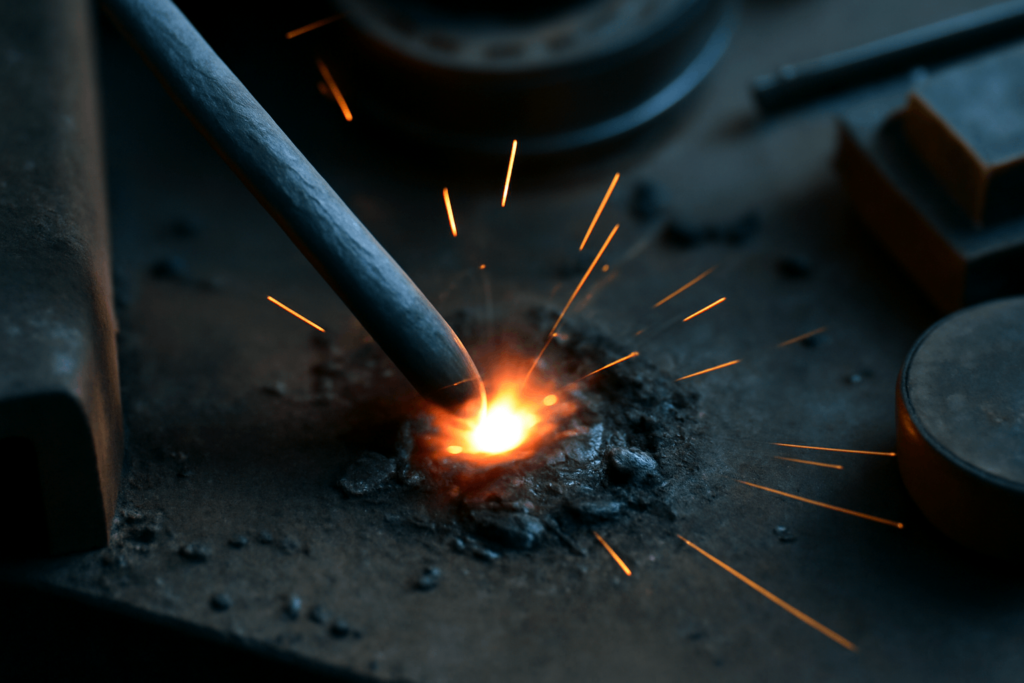
The Multifunctionality of Flux: Ensuring Quality and Efficiency
Flux improves joining quality in more than one way. It supports cleaner bonding, better metal flow, and more stable process behavior across different materials and joining temperatures.
1. Preventing Oxidation and Ensuring Strong Bonds
When metals are heated, they become more reactive and are more likely to oxidize. Flux helps protect the joint area during this stage so the bond can form more cleanly and with fewer defects.
2. Cleaning Metal Surfaces for Enhanced Wetting
Flux also helps the filler material or molten metal spread more effectively by improving surface condition and reducing resistance to proper wetting. This is especially important where oxide layers build quickly or surface cleanliness is difficult to maintain.
Flux in Real-World Applications: Impacting Product Quality and Efficiency
Flux behavior changes depending on the process. That is why buyers should evaluate flux selection in context, not as a generic material.
1. Flux in Arc Welding (FCAW, SMAW, SAW)
In arc-welding processes, flux helps create a more stable joining environment by shielding the molten area and supporting slag or protective coverage where required. This is one reason some flux-based welding methods remain valuable in outdoor or industrial conditions.
2. Flux in Brazing and Soldering
In brazing and soldering, flux is often central to surface preparation and proper filler flow. Without suitable flux, oxide layers can quickly interfere with bonding quality and consistency.
3. Flux in Mixed-Metal Fabrication
Mixed-metal joining raises the difficulty level because different metals respond differently to heat, oxidation, and filler compatibility. In these cases, correct flux selection becomes even more important.
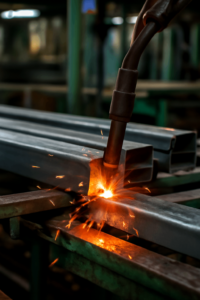
Choosing the Right Flux: Key Considerations for Bulk Buyers
Choosing flux should be treated as a process decision linked to the base metal, joining method, production speed, cleanliness requirements, and post-process expectations.
Metal Type and Compatibility
Different metals need different flux activity levels and chemical behavior. Aluminum, stainless steel, galvanized steel, copper alloys, and mixed-metal assemblies do not respond the same way in production.
Process and Application Requirements
Flux choice also depends on whether the process is welding, brazing, or soldering, and whether the production goal emphasizes speed, appearance, outdoor reliability, electrical performance, or leak-tight assembly.
Environmental Considerations
Work environment matters too. Outdoor fabrication, high-volume production, residue sensitivity, and operator handling requirements all influence which flux system makes the most sense.
Conclusion: Flux is a Strategic Investment for Metalworking Success
Flux should not be treated as a low-priority consumable. It is part of the quality system behind strong joints, cleaner production, and more stable manufacturing output.
For buyers, the real value of flux is not just in helping metal bond once. It is in reducing defects, improving repeatability, and protecting overall project performance at scale.
FAQ
What is the primary function of flux?
Its main role is to support cleaner, more reliable metal joining by helping remove oxides, limit oxidation, and improve bonding conditions.
How do I choose the right flux for my welding project?
Start with the base metal, the joining method, the working environment, and the required joint performance.
Can flux be used for all types of metals?
No. Different metals and joining methods require different flux systems for best results.
Need a Manufacturing Partner Who Understands Joining Quality?
At Yishang Metal Products Co., Ltd., we support OEM and wholesale customers with custom metal fabrication across processes including laser cutting, bending, stamping, welding, CNC machining, surface treatment, assembly, packaging, inspection, and shipment. With 26+ years of manufacturing experience, we help customers align joining method, fabrication route, and quality expectations with real production requirements.
📩 If you are evaluating welded, brazed, or soldered metal components for your next project, send us your drawings or requirements to discuss the most suitable manufacturing approach.