
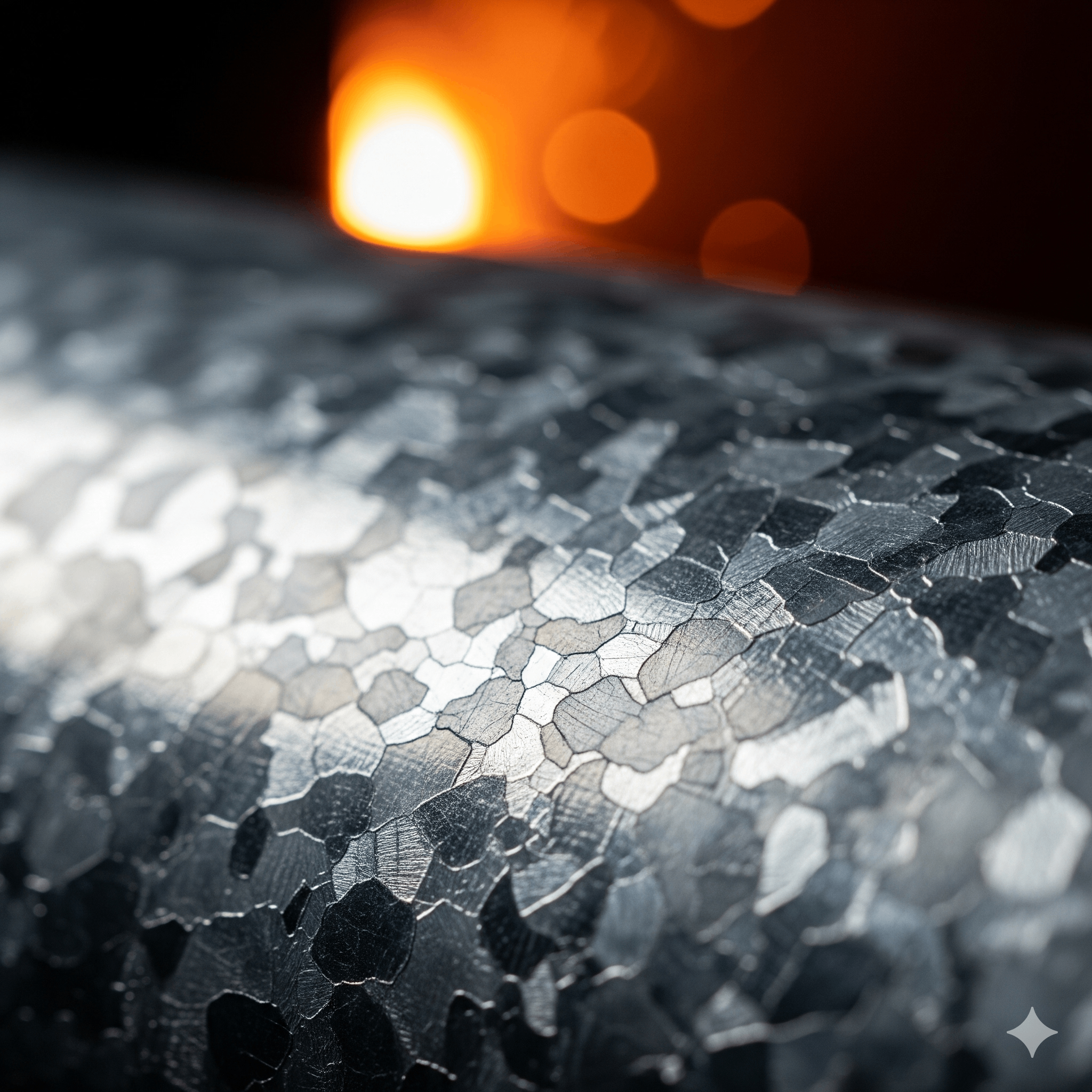
In the rigorous world of global industrial procurement, material selection stands as the cornerstone of effective risk management. For project engineers and procurement officers sourcing components for sectors such as commercial HVAC, food processing, or large-scale agriculture, the query “Is galvanized steel toxic?” represents far more than a health concern—it serves as a critical inquiry into corporate liability and supply chain integrity.
Misjudging the chemical properties of galvanized coatings can lead to severe operational setbacks. Specifically, these range from failed OSHA (Occupational Safety and Health Administration) audits to significant product recalls that jeopardize a company’s financial standing and brand reputation. When dealing with high-volume orders, the cost of a material mismatch can escalate into the millions. Consequently, technical literacy regarding zinc-coated substrates becomes a mandatory skill for modern buyers.
As a premier custom metal fabricator with over 26 years of experience, YISHANG views material safety through the lens of metallurgical precision. We recognize that “toxicity” is not a static characteristic of galvanized steel; rather, the intersection of Temperature, Acidity, and Fabrication Methodology determines this variable. This comprehensive white paper moves beyond simplified myths to provide a data-driven framework. Therefore, procurement professionals can make decisions that are chemically compatible and legally defensible in the international market.
The Executive Verdict: Stability vs. Reactivity
To provide a direct answer to the high-volume search: is galvanized steel toxic? The metallurgical reality is that in its finished, solid state at ambient temperatures, galvanized steel remains biologically inert and poses zero health risk to humans or livestock. Essentially, it is a stable, reliable material that forms the backbone of modern infrastructure.
Manufacturers apply the zinc coating via the Hot-Dip Galvanizing (HDG) process, which creates a stable barrier that does not off-gas or leach toxins under standard conditions. For structural applications such as highway barriers, solar racking, or warehouse shelving, the material proves to be a safe, cost-effective champion of durability. Furthermore, industry data well documents the safety of finished galvanized products, allowing users to place them in close proximity to humans in residential and commercial settings without specialized protection.
However, the safety profile of the material shifts the moment it encounters thermal stress or chemical aggression. The transition from “safe” to “toxic” occurs when heat vaporizes or acid ionizes the zinc layer into bio-available compounds. Understanding this threshold remains vital for any project manager overseeing the fabrication or deployment of zinc-coated components in volatile environments.
The Industrial Safety “Traffic Light” Decision Matrix
For procurement officers, identifying the “safe zone” acts as the first step in auditing a Bill of Materials (BOM). This matrix helps simplify the initial screening process during the quoting stage.
| Application Scenario | Safety Status | Critical Compliance Note |
|---|---|---|
| Structural & Outdoor Use | 🟢 SAFE | Standard: ASTM A123 / ISO 1461. Inert at ambient temps. No health risks during handling or installation. |
| Commercial Greenhouse / Agritech | 🟡 CAUTION | Safe for structures. High Risk for aquaculture (zinc sensitivity in fish) or acidic animal feed storage. |
| Thermal Processing (Welding/Cutting) | 🔴 HAZARD | Regulation: OSHA 1910.1000. Heating galvanized steel releases Zinc Oxide fumes. Strict LEV protocols are mandatory. |
| Food & Pharmaceutical Contact | 🔴 PROHIBITED | Regulation: FDA Food Code 4-101.15. Illegal for acidic contact. High risk of zinc chloride leaching and toxicity. |
The Metallurgy: Why Zinc-Iron Alloys Influence Safety
Understanding the internal structure of the coating is essential for predicting its behavior under stress. Galvanized steel does not simply consist of “zinc-covered” steel; instead, it comprises a series of intermetallic layers created through a metallurgical reaction at approximately 450°C. This bond performs far superiorly to mechanical coatings like paint or powder, but it introduces unique variables when one applies energy.
The Micro-Structure of Protection
A standard hot-dip coating consists of four distinct layers, each possessing different iron content and physical properties. The diffusion of zinc into the steel surface forms these layers, creating a transition zone that ensures the coating cannot easily strip away.
- Gamma Layer (75% Zn, 25% Fe): The innermost layer, extremely hard and brittle, providing the strongest bond to the base metal.
- Delta Layer (90% Zn, 10% Fe): Provides the bulk of the impact resistance and is responsible for the coating’s toughness.
- Zeta Layer (94% Zn, 6% Fe): A thick, column-like crystal layer that makes up the majority of the coating thickness.
- Eta Layer (100% Zn): The pure zinc outer surface that gives the steel its “spangle” or bright finish and acts as the first line of defense.
While zinc is an essential trace element for the human immune system, its bio-availability determines toxicity. Solid zinc in these layers remains bio-unavailable. However, once you introduce heating galvanized steel to its boiling point or expose it to low-pH chemicals, these stable layers break down into bio-available toxins. This metallurgical transition marks the point at which occupational hazards emerge.
Procurement Strategy: The G-Rating Trade-off When specifying coatings (e.g., G60, G90, or G235), procurement managers must balance corrosion longevity with fabrication risk. A G90 coating contains 50% more zinc than G60. While it offers superior rust protection in coastal environments, it also produces a significantly higher volume of zinc oxide fumes if operators later weld or laser-cut the material in your facility. At YISHANG, we help clients optimize this specification to ensure the material fits its purpose without introducing unnecessary occupational hazards.
Thermal Toxicity: The “Zinc Vapor” Crisis in Fabrication
The most significant risk to workforce health—and the source of the most intense search volume regarding is galvanized steel toxic when heated—occurs during thermal fabrication processes like welding and laser cutting. Here, the physics of the material meets the reality of the workshop floor.
The Physics of the “Boiling Gap”
This danger stems from a fundamental physical disparity between the base metal and the protective coating. This “boiling gap” makes thermal processing of galvanized steel particularly hazardous compared to other metals.
- Steel Melts at: approx. 1,370°C (2,500°F)
- Zinc Boils at: approx. 907°C (1,665°F)
When a welding arc or a high-powered laser hits the surface, the zinc reaches its boiling point long before the steel even begins to melt. Consequently, this creates a high-pressure vaporization effect where the zinc coating “explodes” into a plume of white, sub-micron particulates. This gas then reacts with oxygen to form a dense cloud of zinc oxide.
Metal Fume Fever: The “Monday Morning Fever”
Inhaling these fumes triggers an acute systemic inflammatory response known as Metal Fume Fever. This condition stands as the primary health concern for industrial safety officers and a frequent cause of worker absenteeism.
- Symptoms: Metallic or sweet taste in the mouth, throat irritation, profuse sweating, rigors (shaking), fever, and muscle aches.
- The Onset: Usually occurs 4 to 12 hours after exposure, often hitting the worker after they have returned home. This delay often leads to misdiagnosis as a standard seasonal flu.
- The Impact: While usually resolving within 48 hours, it leads to lost productivity and serves as a major red flag during safety audits.
Is galvanised steel toxic when heated? The answer is an emphatic yes if ventilation proves inadequate. Beyond zinc oxide, if the galvanizing bath contained trace impurities, the fumes could also contain hazardous levels of lead or cadmium, compounding the respiratory risk. Professionals must ensure that the zinc source used by their fabricators is “High Grade” or “Special High Grade” to minimize these impurities.
OSHA Compliance & Exposure Limits
To avoid legal liability and protect the workforce, manufacturers must maintain air quality below specific thresholds. Failure to do so can result in hefty fines and the mandatory installation of expensive ventilation systems.
- OSHA PEL: 5 mg/m3 (8-hour Time Weighted Average)
- NIOSH REL: 5 mg/m3 (10-hour TWA)
Failure to monitor and control these levels can lead to significant fines and mandatory operational shutdowns. Monitoring these levels acts as part of a robust EHS program that high-quality manufacturers, like YISHANG, maintain as a standard part of their operation.
YISHANG’s Professional SOP for Thermal Fabrication
At YISHANG, we don’t just supply metal; we manage the technical risks of fabrication. When sourcing welded or cut galvanized parts, your supplier’s Standard Operating Procedures (SOP) serve as your primary insurance against quality and safety failures. A lack of SOPs in a factory indicates potential supply chain risk.
1. Mechanical Pre-Processing (The “Clean Zone” Rule)
The most effective way to eliminate fume risk is to remove the source. Our SOP mandates grinding off the zinc coating at least 4 inches (100 mm) from the heat-affected zone. By welding on bare steel, we prevent zinc oxide fumes and avoid “Liquid Metal Embrittlement,” a phenomenon where molten zinc penetrates the steel grain boundaries, causing microscopic cracks in the weld. This process ensures the weld remains as strong as the base metal and safer for the operator.
2. High-Velocity Source Capture
General shop fans create a liability, not a solution. They merely redistribute the toxins throughout the facility. Instead, we utilize high-vacuum fume extraction systems with arms positioned within inches of the arc. This “Source Capture” technology ensures that the system removes 99% of vapors before they reach the operator’s breathing zone, maintaining a clean environment even during high-volume production runs.
3. Laser Cutting Safety
A modern procurement trend involves using high-speed fiber lasers for precision parts. However, burning galvanized steel with a laser produces a fine, highly concentrated dust that is even easier to inhale than welding fumes due to the narrow kerf and high velocity of the assist gas. We utilize specialized nitrogen-assist gas and ultra-high-efficiency dust collectors to manage this specific industrial hazard, ensuring that the precision of the cut doesn’t come at the cost of air quality.
4. Certified PPE Standards
For residual risks, our operators utilize P100 (HEPA) respirators or PAPR (Powered Air Purifying Respirators). We advise procurement managers to verify that their fabrication partners maintain a written Respiratory Protection Program, as this indicates a professional and compliant manufacturing partner.
Product Liability: Food Safety & Chemical Reactivity
For the food, beverage, and pharmaceutical sectors, the focus shifts from the lungs to the stomach. This realm involves acute chemical poisoning and FDA compliance, where material selection can determine the success or failure of a consumer product.
The “Acidic Leaching” Mechanism
Zinc acts as an amphoteric metal—it reacts vigorously with both acids and bases. In the presence of acidic foods (pH < 5), such as tomatoes, citrus juices, or vinegar, a rapid chemical reaction occurs. This creates not a slow degradation but a swift chemical transition that can contaminate an entire batch of product.
Zn + 2HCl -> ZnCl2 + H2
This reaction creates Zinc Chloride, a highly soluble and toxic salt. Unlike the slow oxidation of rust, this chemical stripping can occur within hours of contact. Ingesting food contaminated with zinc chloride causes severe nausea, violent vomiting, and abdominal cramping. For a brand, the public relations fallout from such an event often proves more expensive than the equipment itself.
Regulatory Hardlines (FDA & USDA)
The FDA Food Code 4-101.15 remains non-negotiable: “Galvanized metal may not be used for utensils or food-contact surfaces of equipment that are used in contact with acidic food.” This regulation exists for a reason, and no “loopholes” exist for commercial use.
Procurement Warning: Using galvanized steel for commercial kitchen equipment, mixing vats, or storage silos for fermented products directly violates Good Manufacturing Practices (GMP). It creates a liability waiting to happen. For these zones, YISHANG strictly recommends Stainless Steel 304 or 316, which provides a passive, non-reactive surface that can withstand the rigors of industrial food processing.
Thermal Stress: HVAC, Industrial Ovens, and Fire Safety
A common point of confusion for buyers involves the difference between “using” galvanized steel in heat and “welding” it. If a component functions as part of an industrial oven or an HVAC system, is it safe for long-term deployment?
The 200°C (392°F) Stability Limit
Galvanized steel possesses a thermal stability ceiling. Up to 200°C, the coating remains stable and provides excellent protection. Once the temperature crosses this threshold, the metallurgical bond begins to weaken.
- Peeling & Flaking: The difference in thermal expansion between zinc and steel causes the coating to “spall” or peel. This creates a contamination risk in air streams or drying processes, as tiny flakes of zinc can carry into the product.
- Off-gassing: While not as intense as welding, heating galvanized steel near its melting point (419°C) can cause slow off-gassing, which creates hazards in enclosed industrial spaces or poorly ventilated equipment rooms.
Is galvanized steel toxic when heated in a fire pit or wood stove? Yes. Temperatures in a standard wood fire (600°C+) far exceed the stability limit, making galvanized steel a dangerous choice for fire rings or flues. For these applications, we specify Aluminized Steel (stable up to 675°C) or Stainless Steel to ensure long-term safety and structural integrity.
Supply Chain Quality: The “White Rust” Controversy
In the wholesale world, buyers sometimes confuse “toxicity” with Wet Storage Stain, or White Rust. This represents a massive friction point in global logistics that can lead to rejected shipments and financial losses.
What is it? It is Zinc Hydroxide (Zn(OH)2), a white, chalky powder that forms when galvanized goods ship in high-humidity containers without proper airflow. It occurs when the zinc fails to form its stable protective carbonate layer.
Is it toxic? No, it is chemically similar to the zinc used in health products. However, it constitutes a quality failure. It indicates that the sacrificial zinc consumed itself prematurely, which will shorten the overall lifespan of the product once installed.
YISHANG’s Quality Assurance: To protect your inventory and your investment, we utilize Chrome-Free Passivation and specialized dunnage (spacing) during container loading. This ensures that the material arrives in pristine condition, free from the aesthetic and functional degradation of white rust, even after a 30-day ocean voyage.
ESG & Sustainability: The “Green” Factor in Procurement
Modern B2B procurement is increasingly driven by Sustainability and the Circular Economy. How does galvanized steel fit into an ESG (Environmental, Social, and Governance) framework, and does it align with your company’s green initiatives?
1. 100% Recyclability
Galvanized steel ranks as one of the most recyclable materials on earth. During the recycling process in an Electric Arc Furnace (EAF), recyclers vaporize the zinc, capture it in baghouses as “EAF dust,” and then reclaim it to be used in new galvanizing baths. This closed-loop system reduces the environmental “toxicity” of the product’s lifecycle and supports a sustainable supply chain.
2. Compliance with Global Standards
At YISHANG, we ensure all our galvanized products comply with evolving international standards, helping our clients navigate complex global markets.
- REACH: Ensuring no “Substances of Very High Concern” exist in the coating.
- RoHS 2.0: Limiting heavy metal impurities (Lead, Cadmium, Mercury) to below 0.1%.
- Prop 65: Providing necessary labeling for the California market regarding potential chemical exposure, ensuring full transparency.
The Technical Decision Matrix for Material Selection
To assist your engineering team in the final selection, we provide the following comparison. We designed this matrix to help you balance budget constraints with performance and safety requirements.
| Feature | Galvanized Steel | Stainless Steel (304/316) | Aluminized Steel |
|---|---|---|---|
| Initial Cost | Low (Best ROI) | High (3x – 5x) | Medium (1.5x) |
| Corrosion Protection | Sacrificial (Active) | Passive (Film) | Barrier (Stable) |
| Max Service Temp | 200°C (392°F) | 870°C (1600°F) | 675°C (1250°F) |
| Food Grade Safe? | NO (Acid Risk) | YES (Standard) | NO |
| Welding Fumes | Toxic (Zinc Oxide) | Safe (w/ Ventilation) | Low Fume |
| Primary Industry | Solar, Racking, HVAC | Medical, Food, Pharma | Automotive, Ovens |
Frequently Asked Questions (Long-Tail SEO Targets)
Q: Can I paint over galvanized steel to make it safe for food? A: No. Industrial coatings can chip and degrade over time. If the barrier fails, the underlying zinc will react with food acids. Specifying the base material correctly (Stainless Steel) works better than relying on secondary coatings for food safety.
Q: Is “Cold Galvanizing” spray as toxic as hot-dip? A: Cold galvanizing functions essentially as zinc-rich paint. While the dry film is safe, the liquid spray contains VOCs (Volatile Organic Compounds) that are toxic to inhale. It is a repair tool, not a substitute for factory galvanizing, and users should always apply it in well-ventilated areas.
Q: Does vinegar remove zinc coating? A: Yes. Vinegar is acetic acid. It will dissolve the zinc, leaving the raw steel exposed and vulnerable to rust. This common “hack” removes zinc before welding, but one must perform it with extreme care to avoid inhaling any hydrogen gas produced during the reaction.
Q: Is it safe for livestock to drink from galvanized troughs? A: Yes, for water. However, do not use them for acidic liquid supplements or fermented feed (silage), as this will leach zinc into the animals’ diet. For modern precision farming, stainless steel is increasingly preferred for feeding systems.
Conclusion: Engineering Compliance into Your Supply Chain
So, is galvanized steel toxic?
The final verdict for the B2B professional is this: It is a safe, high-performance material when engineers match it with the correct application, but a potential liability when users misuse or improperly fabricate it. It remains one of the most efficient ways to protect steel from the environment, provided one follows the rules of engagement.
Material selection involves not just the cheapest price per unit; it concerns the “Total Cost of Ownership,” which includes the cost of safety, compliance, and product longevity. At YISHANG, we act as more than just a fabricator; we serve as your technical partners. We don’t just follow drawings; we audit the intent to ensure your project becomes a long-term success.
If your project requires the economic durability of galvanized steel for infrastructure, we will produce it to the highest ASTM standards with rigorous fume management. If your application involves food acids, high heat, or aquatic environments, we will guide you toward the correct upgrade to Stainless or Aluminized steel.
Secure your supply chain against compliance risks. Contact the YISHANG engineering team today for a comprehensive material audit and ensure your components are built with confidence and integrity.