
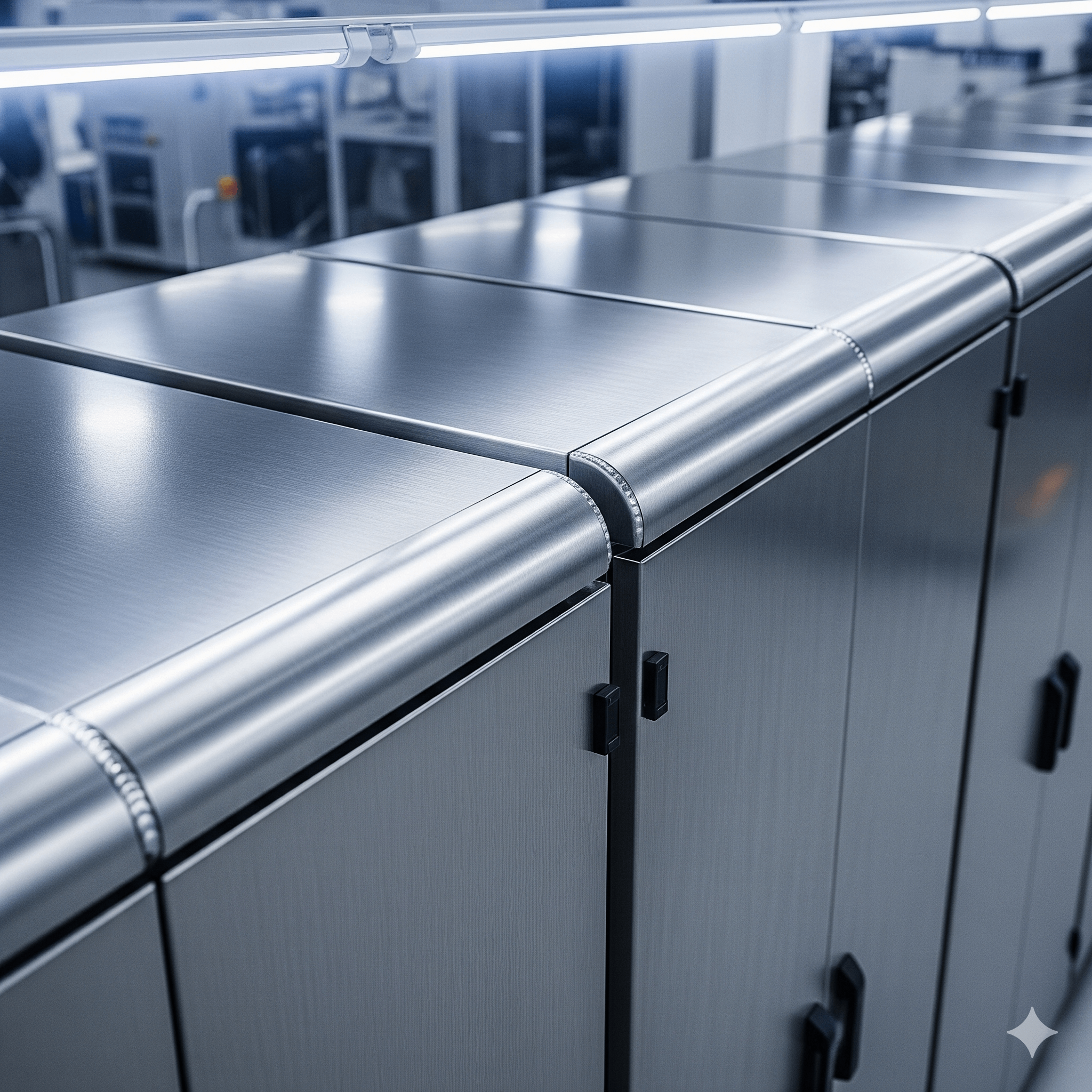
Industrial infrastructure is shifting rapidly. Consequently, the main electrical panel has evolved. It is no longer just a simple breaker box. Today, it acts as a sophisticated energy management hub. For global procurement professionals and electrical wholesalers, the challenge is clear. They must select systems that balance immediate costs with long-term reliability. As we approach 2026, understanding these technical nuances is vital. This knowledge helps maintain a safe infrastructure for automated operations and renewable energy.
At YISHANG, we recognize a key truth for B2B buyers. A buyer defines the best electrical panel by more than its internal circuitry. Structural integrity and customization potential of the housing also matter significantly. This guide explores the critical differences and uses of modern panels. We aim to help you choose the right solutions for diverse client portfolios. Furthermore, we solve common supply chain bottlenecks. We do this by aligning technical specifications with project ROI and environmental factors.
The Infrastructure Hierarchy: Main Panels and Satellite Distribution
Navigating electrical distribution starts at the primary service entrance. For wholesalers, the main electrical panel is a high-demand item. It serves as the primary power supply for the entire building. Moreover, the main breaker panel provides a master disconnect. This mandatory safety feature prevents catastrophic circuit failures during sudden surges.
The choice between a main breaker and a main lug panel depends on existing infrastructure. Local jurisdictional codes also play a critical role. A main lug panel is often a strategic choice. This applies when the utility provider already provides a disconnect at the meter box. Furthermore, these panels offer an excellent solution for high-density projects. They work well where space is limited and decentralized control is necessary.
Engineers can reduce the enclosure footprint by using a main lug setup. This approach maintains the necessary capacity for heavy machinery. YISHANG provides these enclosures with reinforced stainless or galvanized steel. As a result, they withstand high-traffic industrial environments. This focus on material durability ensures an uninterrupted power supply. Consequently, critical systems stay online even in harsh, corrosive conditions.
Circuit capacity often becomes a major theme during procurement. Therefore, sub-panels or satellite distribution boards come into play. These units effectively shorten the distance to the power supply. For a safe electrical system, sub-panels are essential. They minimize voltage drops and reduce copper wiring needs. Ultimately, this lowers the Total Cost of Ownership (TCO).
Technical Comparison: Single-Phase vs. Three-Phase Architecture
Modern factories require three-phase electrical systems. These systems handle heavy motor loads efficiently. Moreover, three-phase panels provide a consistent power supply. They prevent phase-imbalance issues common in single-phase setups. At YISHANG, we specialize in stainless steel enclosures. These enclosures isolate high voltage components from moisture and industrial contaminants.
| Feature | Single-Phase Panel | Three-Phase Panel |
|---|---|---|
| Typical Voltage | 120V / 240V | 208V / 480V |
| Primary Use | Residential / Small Office | Industrial / Heavy Machinery |
| Efficiency | Moderate | High (Balanced Loads) |
| Enclosure Needs | Standard Carbon Steel | Reinforced Stainless/Galvanized |
Industrial Command Centers: PCC, MCC, and APFC Intelligence
Heavy manufacturing and energy sectors need more than basic breakers. They require power control center intelligence. These high-capacity units handle massive currents for data centers and utility plants. Furthermore, engineers design a power control center (PCC) to manage high voltage loads. They also provide granular monitoring for smart grid integration.
Motor control centers (MCC) are equally vital for industrial automation. Unlike standard panels, an MCC centralizes starters and controllers for numerous motors. This happens within a single steel or stainless steel housing. This centralization is perfect for large production lines. It ensures operational uptime and safety compliance.
YISHANG’s motor control center designs often feature modular drawers. Therefore, your clients can swap components without a total system shutdown. This modularity is a top feature for minimizing downtime. In addition, these MCC units include segregated compartments. This design prevents faults from spreading between different motor circuits.
Power factor control is now a mandatory B2B procurement requirement. It helps companies avoid heavy utility penalties. An automatic power factor control system corrects inefficiencies from inductive loads. These units reduce the strain on the main distribution. Consequently, they eliminate unnecessary reactive power charges.
Wholesale buyers can offer energy savings by promoting APFC panels. YISHANG focuses heavily on thermal management for these enclosures. Capacitor banks generate significant heat. Therefore, we use galvanized steel with advanced ventilation louvers. As a result, the internal temperature remains stable and safe during high-load operation.
This focus on thermal dynamics protects sensitive control stations. It prevents premature failure from heat-induced insulation breakdown. When you send an inquiry, please specify the ambient temperature. For instance, an outdoor solar battery enclosure needs a different NEMA rating than an indoor panel. This is due to direct UV exposure.
Material Engineering: The NEMA and IP Standard Conversion
The stainless steel enclosure is a top choice for premium projects. However, procurement specialists must decide if galvanized steel or aluminum fits the budget. Stainless steel provides the ultimate protection for medical or food plants. These sites require hygiene and chemical resistance. Nevertheless, a powder-coated carbon steel enclosure may be more cost-effective for standard use.
The debate between aluminum and carbon steel centers on weight and rigidity. Engineers favor aluminum for moving machinery because it is light. It also offers natural oxidation resistance. Conversely, carbon steel is better for heavy equipment. It provides the structural rigidity needed to handle extreme vibrations.
YISHANG provides custom OEM/ODM services for these material variants. Safety is always a priority for public infrastructure. We strictly avoid legacy designs like FPE panels. These panels are known for high voltage hazards and fire risks. Instead, our designs focus on short circuit current ratings (SCCR). They meet or exceed global standards like UL and IEC.
We engineer the physical system to contain arc-flash incidents. This proactive safety protects personnel. It also reduces long-term liability insurance costs. Consequently, this is a key selling point for any wholesaler.
Procurement Checklist: Strategic Sourcing for Professionals
The right electrical panel often provides the best lead times without compromising quality. We know that supply chain delays often disrupt perfect planning. Therefore, YISHANG maintains a quick inquiry system. We provide rapid quotes on galvanized and stainless steel housings. This keeps your projects on schedule.
When you send your inquiry, follow this checklist to ensure the right selection:
- Incoming Amperage & Voltage: Specify if you need 200A, 400A, or 4000A+.
- Environment Rating: Identify if you need NEMA 4X or NEMA 1.
- Busbar Material: Choose copper for high-conductivity or aluminum for light weight.
- Short Circuit Rating (SCCR): Ensure the enclosure can contain fault energy.
- Expansion Quotient: Request 25% spare space for future solar or EV needs.
FAQ: Frequently Asked Questions in B2B Electrical Procurement
Q: Why choose Stainless Steel 316 over 304 for electrical enclosures? A: While 304 works for general use, 316 contains molybdenum. This ingredient enhances resistance to pitting. Therefore, it is mandatory for marine environments.
Q: What is the primary difference between a PCC and an MCC? A: A PCC handles main power distribution from the transformer. In contrast, an MCC specifically centralizes starters and control logic for motors.
Q: Can YISHANG provide custom NEMA-rated enclosures for solar battery storage? A: Yes. We provide specialized enclosures with integrated thermal management. These units ensure long-term outdoor reliability.
Quick Inquiry Now
If you are looking for a partner for your next MCC project, YISHANG is ready to assist. Send your inquiry today. Our team provides technical consultation and competitive wholesale pricing.