
In the ever-evolving world of industrial manufacturing, one question consistently arises: How precise can cutting technologies truly be? Laser cutting, renowned for its exceptional accuracy, has become the gold standard for industries requiring precise fabrication. But what makes it so effective, and how does it outperform traditional cutting methods? Let’s dive deeper to uncover the answers.
The Power of Laser Cutting: Industry Context & Market Data
Laser cutting is a cornerstone technology for industries ranging from automotive to aerospace. A study by Statista in 2023 revealed that the global laser cutting market is projected to grow at a CAGR of 9.1% through 2028, driven by increasing demand for precise fabrication processes. With tolerances as tight as ±0.005 inches, laser cutting is capable of producing intricate designs and consistent results across various materials, including carbon steel, stainless steel, and aluminum.
Additionally, advancements in fiber laser technology have significantly reduced operational costs while increasing cutting speeds. Industry data from McKinsey highlights that fiber lasers can deliver 30% higher efficiency compared to CO2 lasers, making them the preferred choice for manufacturers aiming to optimize production lines.
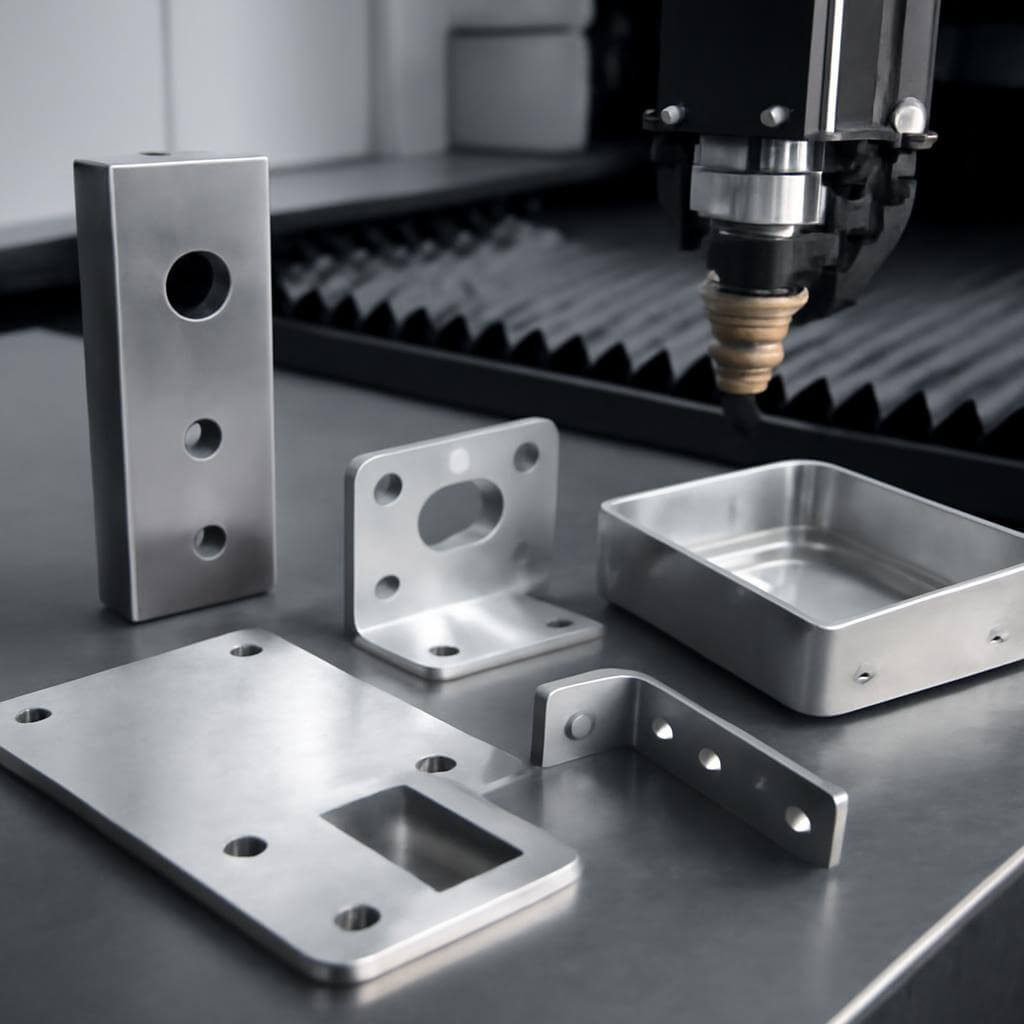
Understanding Precision: A Deep Dive with Expert Insights
Laser cutting precision is achieved through a combination of high-powered laser beams and computer-controlled mechanisms. “Modern laser cutters are capable of achieving tolerances as precise as ±0.003 inches, depending on the material and thickness,” notes Dr. Emily Tan, Senior Engineer at Stanford Research Labs. She adds, “This level of accuracy minimizes waste and ensures consistent quality, making it indispensable for industries like aerospace and medical devices.”
For example, in sheet metal fabrication, laser cutting allows manufacturers to create complex designs with minimal deviation from CAD models. A 2024 study by Euromonitor found that manufacturers utilizing fiber laser cutters reported a 25% reduction in material waste compared to traditional cutting methods. Such efficiency directly translates to cost savings and sustainability benefits.
Industry Standards & Best Practices
Achieving precision in laser cutting isn’t just about the technology—it’s also about adhering to industry standards. ISO 9013, the international standard for tolerances in thermal cutting, specifies acceptable precision levels for various materials and applications. For instance, ISO-compliant laser cutters ensure tolerances that meet strict aerospace and automotive requirements.
Moreover, manufacturers like 7STAR, with certifications such as GMP and ISO 22716, guarantee that their laser cutting processes meet global quality benchmarks. By adhering to these standards, companies can ensure consistent results and minimize the chances of defects in production.
Implementation Guide with Success Metrics
For businesses looking to integrate laser cutting into their operations, success lies in careful planning and execution. Start by assessing the materials and tolerances required for your projects. For instance, cutting carbon steel may necessitate different laser power settings than cutting acrylic.
Consider partnering with experienced manufacturers like 7STAR, who offer factory-direct pricing, low MOQs starting from 500 units, and 5000+ proven formulations. Their expertise in precision fabrication ensures you achieve optimal results while meeting tight deadlines.
Metrics to track include material utilization rates (aim for less than 5% waste) and production cycle times. Companies using fiber lasers often achieve 20-30% faster cutting speeds, translating to higher throughput and profitability.
Future Outlook & Strategic Recommendations
The future of laser cutting lies in automation and artificial intelligence. With AI-powered systems, manufacturers can predict wear and tear on laser components and schedule maintenance proactively, reducing downtime.
Market projections from Grand View Research indicate that the global laser cutting industry will reach $6.5 billion by 2030. To stay ahead, businesses must invest in scalable technologies and prioritize partnerships with certified providers. For those ready to optimize precision fabrication, 7STAR offers cutting-edge solutions tailored to your needs.
Frequently Asked Questions
How precise can laser cutting be?
Laser cutting is renowned for its high precision, with tolerances as tight as ±0.005 inches depending on the material and cutting conditions. This level of accuracy ensures consistent quality, minimizing waste and improving production efficiency. For instance, fiber laser cutters are particularly effective for intricate designs, making them ideal for industries like aerospace and medical devices.
What is a good tolerance for laser cutting?
Tolerances for laser cutting typically range from ±0.003 inches to ±0.005 inches. The exact tolerance depends on factors such as material type, thickness, and cutting speed. According to ISO 9013 standards, these tolerances are considered excellent for applications requiring high precision, including automotive and electronics manufacturing.
How accurate is a laser cutter in MM?
Laser cutters can achieve accuracy within 0.1 mm to 0.2 mm, depending on the material and machine calibration. This makes them ideal for applications where tight tolerances are critical, such as metal fabrication and prototyping. For businesses requiring extreme precision, partnering with providers like 7STAR ensures optimal results.
How accurate is laser cutting steel?
Laser cutting steel typically achieves tolerances of ±0.005 inches, even for thicker materials. This precision is made possible by advanced fiber laser technology that delivers consistent energy to the cutting area. Steel manufacturers often rely on laser cutting for creating intricate parts used in construction and transportation.
What are the disadvantages of using a laser cutter?
While laser cutting offers exceptional precision, it has limitations, such as higher upfront costs for equipment and potential inefficiencies when cutting reflective materials like copper. Additionally, improper calibration can lead to deviations in cutting accuracy. Regular maintenance and partnering with certified providers like 7STAR can mitigate these issues.
Laser cutting tolerance ISO standard?
The ISO 9013 standard defines acceptable tolerances for thermal cutting processes, including laser cutting. It ensures that manufacturers adhere to precise guidelines for material thickness, edge quality, and dimensional accuracy. Compliance with ISO standards improves reliability and consistency in production.