Metals fabrication plays a critical role in modern manufacturing, enabling the creation of precise, durable, and functional components for industries ranging from aerospace to consumer electronics. For sourcing managers, engineers, and OEM/ODM clients, understanding the intricacies of metals fabrication is essential to making informed decisions that reduce costs, mitigate risks, and ensure project success.
Yishang, a leader in custom sheet metal fabrication, specializes in turning your designs into high-quality, manufacturable parts. This guide will explore the key materials, processes, cost drivers, and supplier selection strategies to help you navigate the complexities of metals fabrication.
What Is Metals Fabrication?
Metals fabrication refers to the process of cutting, shaping, assembling, and finishing metal materials into finished components or products. It combines advanced machinery, skilled labor, and engineering expertise to deliver parts that meet precise specifications. Core processes include:
- Laser Cutting: Ideal for intricate designs and tight tolerances.
- CNC Punching: Cost-effective for repetitive hole patterns and medium volumes.
- Bending: Achieves complex geometries using press brakes.
- Welding: Joins metal parts securely for structural integrity.
- Powder Coating: Provides a durable, aesthetic surface finish.
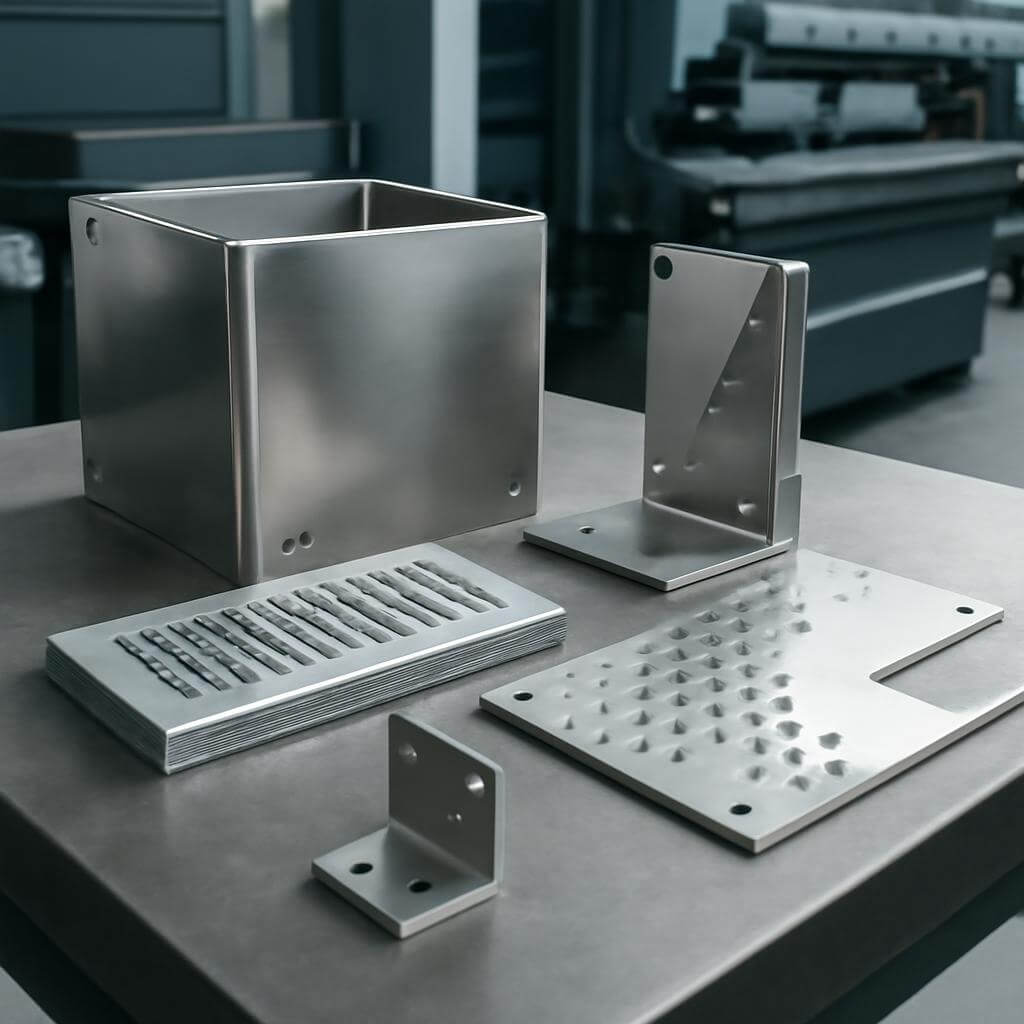
These processes are often combined to create parts such as electrical enclosures, brackets, kiosks, and HVAC components. The choice of process depends on factors like material type, part geometry, and production volume.
Key Materials Used in Metals Fabrication
The selection of material significantly impacts the performance, cost, and manufacturability of fabricated parts. Common materials include:
- Stainless Steel: Excellent corrosion resistance, ideal for outdoor and food-grade applications.
- Aluminum: Lightweight and corrosion-resistant, suitable for aerospace and automotive use.
- Cold Rolled Steel: Economical and easy to machine, often used in structural applications.
- Galvanized Steel: Coated for enhanced corrosion resistance, commonly used in HVAC and construction.
Each material has specific advantages and trade-offs. For example, stainless steel offers superior durability but is more expensive than cold rolled steel. Yishang’s engineering team can help you select the best material for your application, balancing performance and cost.
Application Scenarios and Industry Use Cases
Metals fabrication is indispensable across various industries. Common applications include:
- Electrical Enclosures: Protect sensitive electronics from environmental factors.
- Control Cabinets: Used in industrial automation systems.
- Brackets and Mounts: Provide structural support in machinery and vehicles.
- Kiosks: Custom designs for retail and public spaces.
- OEM Equipment Housings: Tailored to specific machinery requirements.
For example, a project requiring outdoor electrical enclosures may prioritize stainless steel for corrosion resistance, while a lightweight bracket for an aerospace application might favor aluminum. Yishang’s expertise ensures that every part is optimized for its intended use.
Cost Drivers and How to Optimize Your Project
Several factors influence the cost of metals fabrication:
- Material Choice: Premium materials like stainless steel are more expensive but offer long-term value.
- Complexity of Design: Intricate geometries and tight tolerances increase machining and assembly time.
- Surface Finishing: Processes like powder coating or anodizing add to the cost but enhance durability and aesthetics.
- Volume: Higher production volumes reduce per-unit costs due to economies of scale.
To optimize costs, consider simplifying your design by minimizing unnecessary bends or secondary operations. Standardizing hole sizes and hardware features can also reduce machining time. Yishang’s design-for-manufacturability approach helps clients achieve cost-effective solutions without compromising quality.
Common Mistakes and Sourcing Risks
Many sourcing managers encounter challenges when working with metals fabrication suppliers. Common pitfalls include:
- Unclear Specifications: Ambiguous drawings lead to miscommunication and rework.
- Overly Tight Tolerances: Specifying unnecessary tolerances increases machining costs.
- Ignoring Surface Finishes: Overlooking finishing requirements can result in parts that fail in their environment.
- Choosing Based on Price Alone: Low-cost suppliers often compromise on quality, leading to higher long-term expenses.
Working with a reliable partner like Yishang mitigates these risks. Our team provides detailed design reviews, material recommendations, and quality control measures to ensure your project’s success.
How to Choose a Reliable Metals Fabrication Partner
Selecting the right supplier is crucial for project success. Key criteria include:
- Engineering Support: Does the supplier offer design optimization services?
- Sample Capability: Can they provide prototypes for validation?
- Quality Control: Are inspections and certifications part of their process?
- Lead Time Stability: Can they meet your deadlines consistently?
- Finishing Consistency: Do they deliver uniform surface finishes across batches?
Yishang excels in all these areas, offering comprehensive support from initial design to final delivery. Our commitment to quality and customer satisfaction makes us a trusted partner for custom sheet metal fabrication projects.
Conclusion
Metals fabrication is a complex but essential process for creating high-quality industrial components. By understanding the materials, processes, and cost drivers involved, you can make informed decisions that align with your project goals. Yishang’s expertise in custom sheet metal fabrication ensures that your designs are transformed into reliable, manufacturable parts with minimal risk.
Ready to start your project? Contact Yishang today to discuss your requirements and receive a tailored quote. Visit zsyishang.com for more information.
FAQs
- What material is best for this application?
Material selection depends on factors like corrosion resistance, strength, and cost. Yishang’s team can guide you based on your specific requirements. - Which process is more suitable: laser cutting or CNC punching?
Laser cutting is ideal for intricate designs, while CNC punching is cost-effective for repetitive patterns. - How should tolerances be defined for fabricated parts?
Define tolerances based on functional requirements to avoid unnecessary machining costs. - What surface finish is recommended for outdoor or corrosive environments?
Powder coating or anodizing is recommended for enhanced durability in harsh conditions. - How can we reduce fabrication cost without sacrificing quality?
Simplify designs, standardize features, and choose cost-effective materials to optimize costs. - What information should be included in an RFQ for custom sheet metal parts?
Include detailed drawings, material specifications, tolerances, surface finish requirements, and expected volumes.