When sourcing custom parts from a sheet metal fabrication shop, buyers often encounter a frustrating reality: quotes for seemingly identical parts can vary dramatically between suppliers. While the lowest quote might seem appealing, it often hides risks that lead to higher costs or delays later in the project. For OEM teams, engineers, and sourcing managers, understanding why these discrepancies occur—and how to avoid them—can make or break a project’s success.
This article dives into the most common reasons sheet metal fabrication quotes differ, the hidden risks behind inaccurate quoting, and how buyers can mitigate these challenges through better RFQs and supplier partnerships.
1. Why Do Sheet Metal Fabrication Quotes Differ for the Same Part?
It’s common for buyers to send out identical RFQs to multiple sheet metal fabrication shops, expecting consistent pricing. Instead, they receive a wide range of quotes. Why does this happen?
Supplier Assumptions About Tolerances and Finish
One major factor is how each supplier interprets your part’s tolerances and surface finish requirements. If your drawing lacks explicit details, some shops may assume relaxed tolerances and standard finishes, resulting in a low-cost quote. Others may default to tighter tolerances or premium finishes, driving up costs. Without clear communication, these implicit assumptions lead to price variability.
Differences in Process Selection
Not all fabricators use the same equipment or manufacturing processes. For example, one shop might prefer laser cutting for precision, while another might use plasma cutting to save costs. Similarly, bending operations vary based on available press brakes and tooling. These process choices affect labor, material utilization, and lead time—key drivers of cost.
Volume and Batch Size Considerations
Some shops specialize in small-batch or prototype work, while others are optimized for high-volume production. If your project volume doesn’t align with the fabricator’s capabilities, their quote may include inefficiencies. A low-volume shop quoting a high-volume job may struggle with tooling costs, whereas a high-volume shop could inflate prices for prototypes to offset setup time.
To avoid misunderstandings, ensure your RFQ specifies tolerances, finishes, and expected volumes. A reliable partner like Yishang can also help review your RFQ for clarity, reducing the risk of misinterpretation.
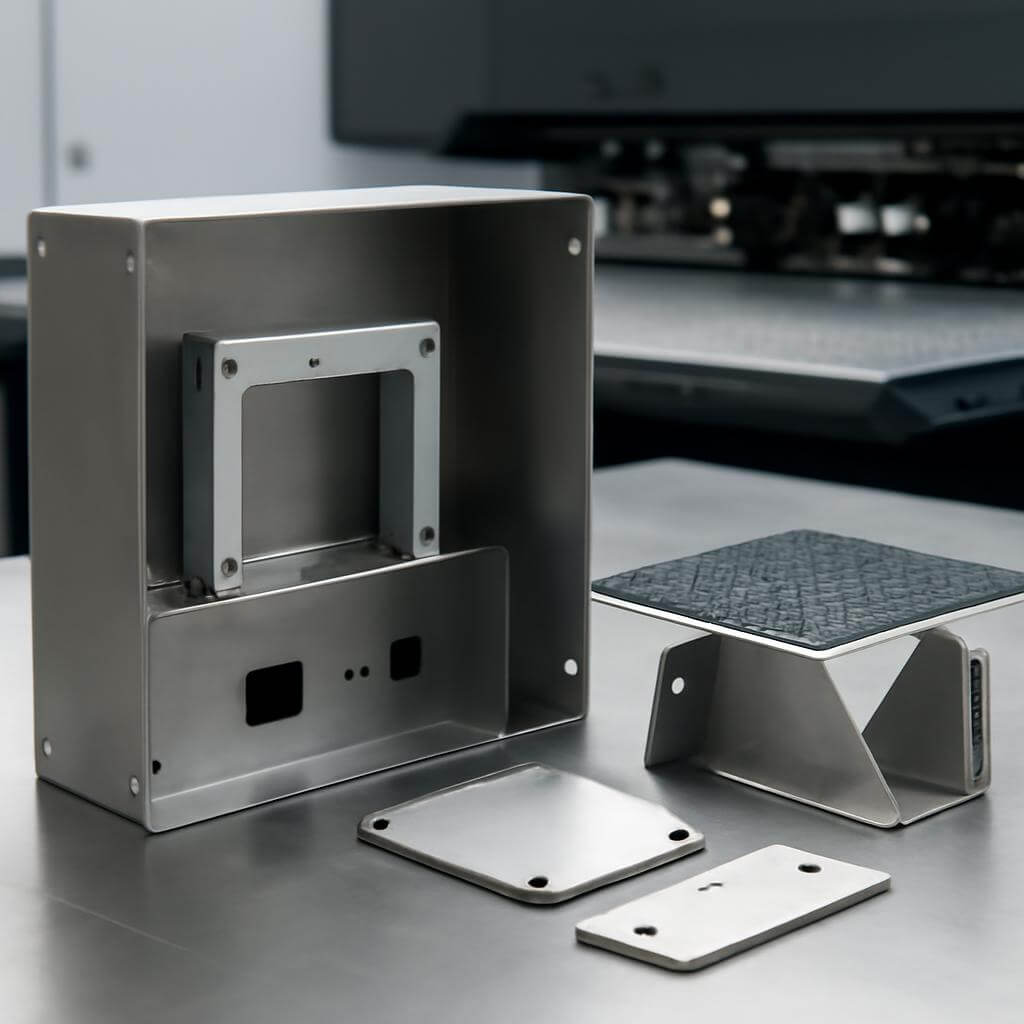
2. What Causes Prototypes to Fail in Production?
A prototype that works perfectly during the design phase can still fail during full-scale production. This transition from prototype to production often reveals hidden manufacturability issues that weren’t apparent earlier.
Material Behavior Under Production Conditions
Material selection is often overlooked during prototyping. For example, a prototype might use easily machinable aluminum, but the production part requires a stainless steel grade for better corrosion resistance. Stainless steel behaves differently during bending, welding, and finishing, potentially leading to cracking or springback issues if not accounted for.
Tolerance Stack-Up Across Assemblies
While a single part may meet its design tolerances, problems arise when multiple parts are assembled. Small deviations in hole alignment, bend angles, or edge radii can accumulate into significant fit issues. This is especially critical for parts like enclosures, control boxes, and welded assemblies.
Inconsistent Surface Finishes
Production runs often involve different batches of material or operators, which can lead to finish inconsistencies. A brushed stainless steel prototype might look flawless, but scaling up without clear finishing standards can result in visible imperfections or mismatched appearances.
Partnering with a fabricator like Yishang, which emphasizes manufacturability review and prototype-to-production stability, can help address these risks upfront. Their expertise ensures that prototypes are optimized for repeatable, cost-effective production.
3. Which Design Details Create Hidden Cost or Rework Risk?
Some design choices that seem minor during development can significantly impact fabrication costs and lead to rework during production. Here are a few common culprits:
Overly Tight Tolerances
Specifying unnecessarily tight tolerances increases machining time, inspection requirements, and scrap rates. For example, a ±0.1mm tolerance on a cosmetic panel edge might not improve performance but can double production costs. Identifying which tolerances are truly critical is key to cost control.
Ambiguous or Missing Specifications
Drawings that lack critical details—such as bend radii, hole locations, or surface treatments—force suppliers to make assumptions. This often leads to parts that don’t meet expectations, requiring rework or replacement. Clearly distinguishing cosmetic, structural, and fit-critical features eliminates ambiguity.
Designs That Ignore Process Limitations
Some designs push the limits of what’s feasible with sheet metal fabrication. For instance, tight bends near holes can cause material deformation or tearing. Similarly, ignoring minimum bend radii for a chosen material can lead to cracking. A capable supplier will flag these issues during design review, but addressing them early saves time and cost.
Yishang’s collaborative approach to design review helps buyers refine their drawings to balance functionality, manufacturability, and cost. This minimizes the risk of rework and keeps projects on schedule.
4. How Can Buyers Improve RFQ Quality to Reduce Quoting Surprises?
The quality of your RFQ (Request for Quotation) directly impacts the accuracy of supplier quotes. A vague or incomplete RFQ increases the likelihood of cost overruns, delays, and disputes. Here’s how to improve your RFQ process:
Include Detailed Drawings and CAD Files
Provide fully dimensioned drawings or CAD files that specify tolerances, material grades, finishes, and any critical requirements. Clear documentation reduces guesswork and ensures consistent quotes from suppliers.
Specify End-Use Requirements
Explain how the part will be used, including load conditions, environmental exposure, and assembly context. For example, a support bracket for outdoor use may require different coatings or materials than one used indoors. This information helps suppliers choose the most suitable processes and materials.
Outline Expected Volumes and Lead Times
Suppliers need to understand your production schedule and volume requirements. Whether you need 10 prototypes or 10,000 parts, specifying this upfront ensures the supplier’s capabilities align with your needs.
At Yishang, we work closely with buyers to refine their RFQs, ensuring all critical details are addressed. This collaborative approach leads to more accurate quotes and smoother project execution.
5. Why Material Choice Isn’t Always Straightforward
Material selection is one of the most critical decisions in sheet metal fabrication. While cost is often a primary driver, other factors—such as strength, corrosion resistance, and machinability—can make or break a project.
Cost vs. Performance Tradeoffs
Lower-cost materials like mild steel may seem appealing, but they might not meet performance requirements for structural integrity or corrosion resistance. Conversely, high-performance materials like stainless steel or aluminum alloys can introduce machining challenges that increase costs.
Compatibility with Secondary Processes
Some materials are easier to weld, bend, or finish than others. For example, anodizing works well with aluminum but not with steel. Similarly, certain grades of stainless steel require specialized welding techniques to avoid distortion or contamination.
Environmental Considerations
The part’s operating environment—indoor, outdoor, high-temperature, or corrosive—should guide material selection. A poor material choice can lead to premature failure or costly redesigns.
Experienced fabricators like Yishang can recommend materials optimized for your application and production process. Their expertise ensures your parts meet both performance and budget goals.
Conclusion
Sheet metal fabrication projects are rarely as simple as they appear. From quoting discrepancies to design oversights, the risks can add up quickly. By understanding the factors behind these challenges—and partnering with a supplier like Yishang—buyers can navigate these complexities with confidence. Whether you’re sourcing prototypes, production parts, or custom assemblies, taking the time to clarify requirements and collaborate with your fabricator will pay dividends in quality, cost, and lead time.