
For sourcing managers and OEM buyers, finding the right sheet metal fabrication shop can be a pivotal factor in the success of your industrial projects. Whether you’re procuring custom enclosures, brackets, frames, or welded assemblies, the fabrication partner you choose plays a direct role in determining the quality, cost-efficiency, and lead times of your products. This guide delves into the critical aspects you need to consider when selecting a sheet metal fabrication shop and provides actionable insights to streamline your procurement process.
Assessing Manufacturing Capabilities and Equipment
Not all fabrication shops are created equal, and their capabilities often define what they can and cannot do for your project. A shop equipped with advanced machinery like CNC laser cutters, punching machines, and automated welders will be better positioned to handle complex designs with tight tolerances. When sending out your RFQ (Request for Quote), ensure you inquire about:
- The range of materials they can process, such as aluminum, stainless steel, or galvanized steel.
- Maximum sheet thickness and size they can handle.
- Precision tolerances achievable during cutting, bending, and welding processes.
For example, if your project involves producing lightweight yet durable enclosures for outdoor environments, the shop must have experience working with corrosion-resistant materials like anodized aluminum or powder-coated steel. A capable partner will also provide detailed feedback on the manufacturability of your designs, potentially saving you time and costly revisions later in the process.
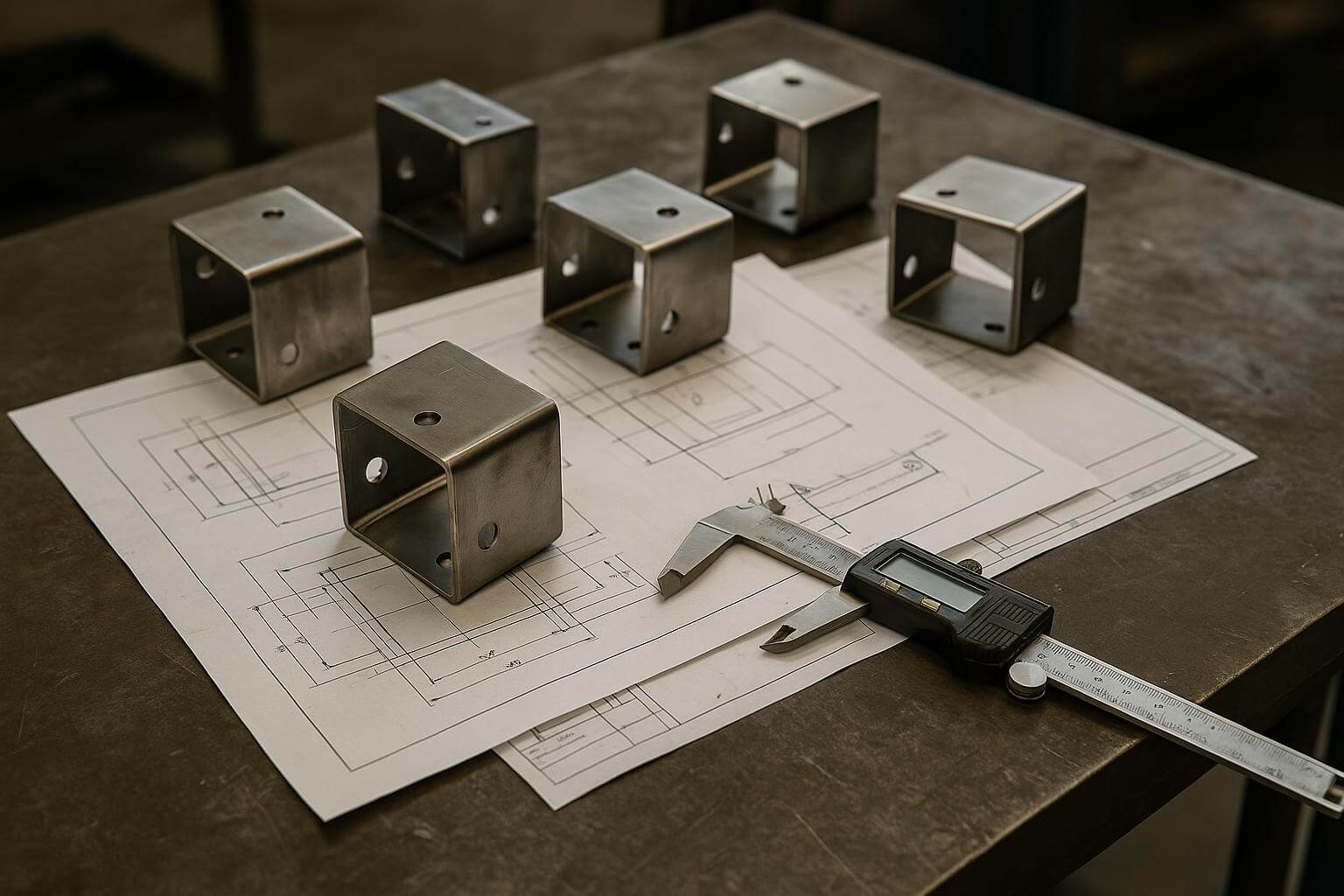
The Importance of Clear Technical Drawings and RFQs
One of the most common challenges in sheet metal fabrication projects arises from vague or incomplete RFQs. To ensure your supplier delivers consistent and high-quality parts, your RFQ should include:
- CAD drawings with detailed dimensions, tolerances, and specifications.
- Material type, grade, and thickness requirements.
- Surface finish expectations, such as powder coating, polishing, or anodizing.
- Assembly and fitment details if the parts are components of a larger system.
- Estimated production volumes and timelines.
For instance, if you are sourcing brackets for heavy equipment, specifying the load-bearing requirements, bolt-hole positions, and finish (e.g., zinc plating for corrosion resistance) will help the supplier provide a more accurate quote and ensure the final parts meet functional requirements.
Quality Assurance: From Prototypes to Full Production
Prototyping is a critical step in the sheet metal fabrication process, especially for new product designs or first-time collaborations with a supplier. A reliable fabrication shop will offer prototyping services to validate the feasibility of your design before scaling up to mass production. Key quality assurance measures to look for include:
- Inspection reports detailing dimensional accuracy and surface finish quality.
- Sample approval processes to ensure prototypes meet your specifications.
- Batch consistency checks to guarantee uniformity in high-volume production.
For example, a buyer sourcing welded assemblies for industrial machinery may require prototypes to verify the strength and alignment of welded joints. A shop that conducts weld integrity testing and provides detailed reports can give you confidence in the quality of their work.
Managing Cost Drivers in Sheet Metal Fabrication
Understanding the cost drivers in sheet metal fabrication can help you optimize your budget and avoid unexpected expenses. Some of the key factors influencing costs include:
- Material selection: High-grade stainless steel or custom alloys typically cost more than standard steel or aluminum.
- Complexity of design: Intricate parts with tight tolerances, multiple bends, or welds require more labor and machine time.
- Finishing processes: High-quality finishes like powder coating or electroplating add to the overall cost.
- Batch size: Larger production runs often reduce per-unit costs due to economies of scale.
Engaging with a fabrication shop early in the design phase can help identify opportunities to reduce costs. For example, minor adjustments to the bend radius or material thickness might significantly lower production costs without compromising performance. Yishang, for instance, collaborates closely with clients to optimize designs for manufacturability while adhering to budget constraints.
Lead Times and Supply Chain Coordination
Timely delivery of sheet metal parts is essential to keeping your production schedules on track. When evaluating potential suppliers, inquire about their lead times for both prototyping and full production. Factors that can affect lead times include:
- Availability of raw materials in stock.
- Shop capacity and current workload.
- Complexity of your design and required finishing processes.
For example, if you need custom enclosures for a new product launch, a shop with in-house finishing and assembly capabilities can reduce lead times compared to one that outsources these processes. Clear communication about your delivery deadlines and flexibility in production scheduling can further streamline the process.
Evaluating Supplier Communication and Post-Sales Support
Effective communication is a cornerstone of any successful supplier relationship. A good fabrication shop will provide regular updates on production status, promptly address any issues, and offer post-sales support for reorders or modifications. When vetting suppliers, consider their responsiveness during the quoting process and their willingness to provide technical guidance.
For example, Yishang’s engineering team assists buyers by reviewing drawings, suggesting material substitutions, and providing manufacturability feedback. This collaborative approach not only improves product quality but also fosters long-term partnerships.
By keeping these considerations in mind, you can select a sheet metal fabrication shop that aligns with your project requirements and business goals. Start by preparing a detailed RFQ, evaluating supplier capabilities, and prioritizing quality assurance to ensure a seamless procurement process.
What should I include in my RFQ for sheet metal fabrication?
Your RFQ should include detailed CAD drawings, material specifications, surface finish requirements, tolerances, estimated quantities, and delivery timelines.
How do I ensure consistent quality in large production runs?
Work with a supplier that offers prototyping, batch consistency checks, and detailed inspection reports to maintain quality throughout production.
What factors influence the cost of sheet metal fabrication?
Key cost drivers include material selection, design complexity, finishing processes, and production volume. Collaborate with your supplier to identify cost-saving opportunities.
How can I reduce lead times for my sheet metal parts?
Select a supplier with in-house capabilities for cutting, bending, finishing, and assembly. Provide clear specifications and communicate your deadlines upfront.
What is the role of prototypes in sheet metal fabrication?
Prototypes help validate the design, ensure manufacturability, and identify potential issues before scaling up to mass production.