
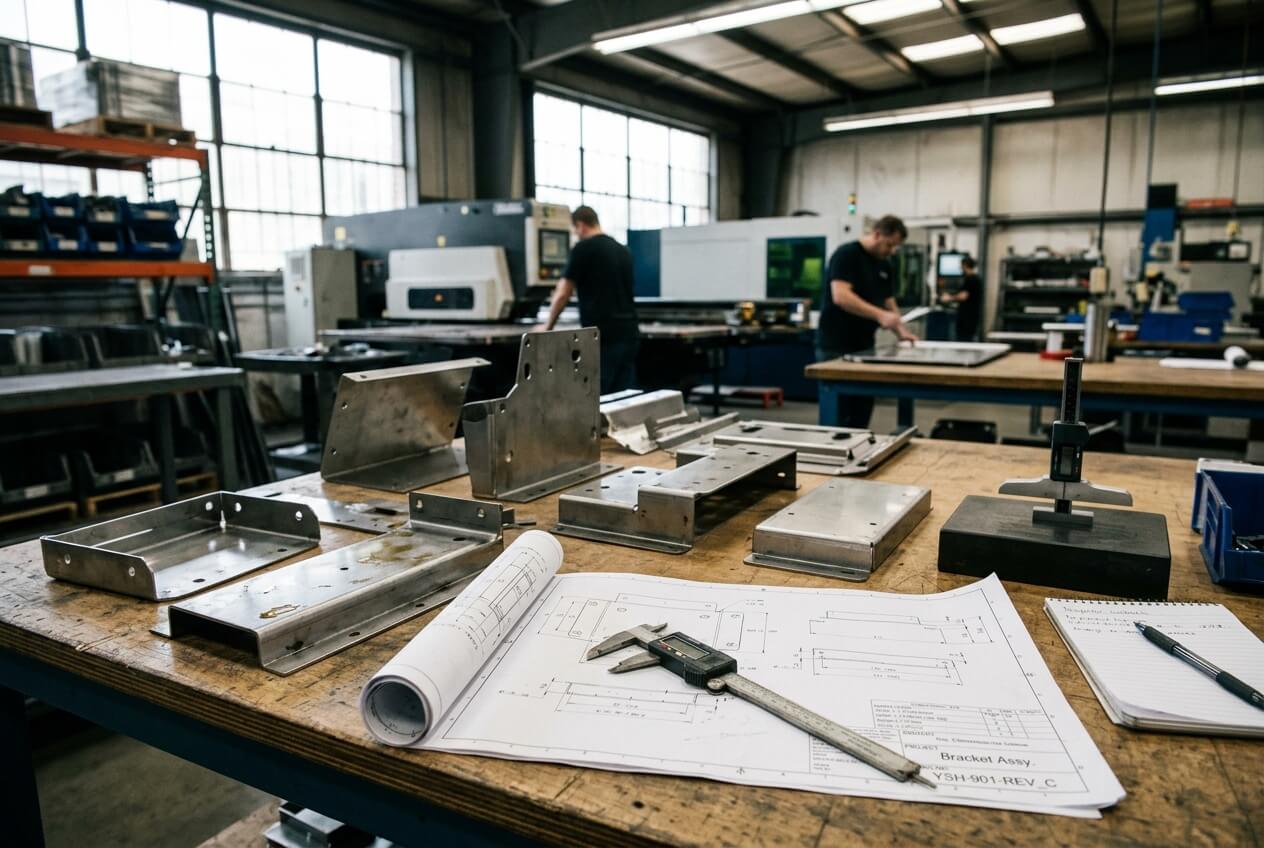
An OEM buyer sends one enclosure drawing to three suppliers and asks for pricing on parts made with metal cnc machines. The quotes arrive in the same spreadsheet. Each line shows a unit price, tooling cost, and delivery time. At first glance, procurement can rank them from low to high.
That comparison may already be unsafe. One supplier may price laser cutting, bending, and basic deburring. Another may assume CNC punching for repeated holes. A third may include weld grinding, powder coating control, insert installation, and extra inspection. The buyer sees three prices for one drawing. In reality, the suppliers quoted three different scopes.
This article focuses on one procurement risk: hidden RFQ assumptions that make sheet metal fabrication quotes look comparable when they are not. The risk starts before production. It grows when drawings omit function, finish, inspection, assembly fit, or batch expectations. It ends as rework, rejected parts, missed launch dates, or cost increases after the purchase order.
The problem affects sheet metal enclosures, brackets, cabinets, frames, welded assemblies, panels, guards, and custom sheet metal parts. The goal is not to choose a machine. The goal is to make each supplier quote the same manufacturing reality before price comparison begins.
Where RFQ Assumptions Start to Distort Metal CNC Machines Quotes
Buyers often use metal cnc machines as a broad RFQ phrase. The part may require laser cutting, CNC punching, bending, tapping, welding, grinding, powder coating, hardware insertion, or final assembly. When the RFQ does not define the route or the functional requirements, each supplier fills the blank differently.
Those assumptions change more than the unit price. They affect edge quality, bend accuracy, hole position, tooling needs, inspection time, coating control, packaging, and lead time. A low price may reflect a simpler route. It may also exclude work that the project will need later.
The same drawing can invite different routes
Consider a flat control panel with many square and round holes. A supplier with laser capacity may quote laser cutting and deburring. Another supplier may choose CNC punching if the quantity and hole pattern support it. A third may add secondary machining because several connector openings must locate tightly against a mating electronics module.
The buyer may only compare price per piece. That hides the real question: which process route protects the part’s function? If the panel only covers a machine opening, a simple route may work. If the panel locates switches, gasket surfaces, and display parts, the quote needs tighter control around those features.
A bent bracket creates the same trap. The drawing may show hole diameters and bend angles, but it may not explain which holes locate the bracket in the final machine. One supplier treats the dimensions as general sheet metal tolerances. Another includes extra inspection from bend line to hole center. The second quote costs more because it protects assembly fit.
Before comparing prices, procurement should ask each supplier to state the quoted production sequence. The answer does not need to be long. It should identify cutting method, bending assumptions, welding or machining steps, finish scope, inspection level, and exclusions. This one step often explains price gaps that look confusing in a spreadsheet.
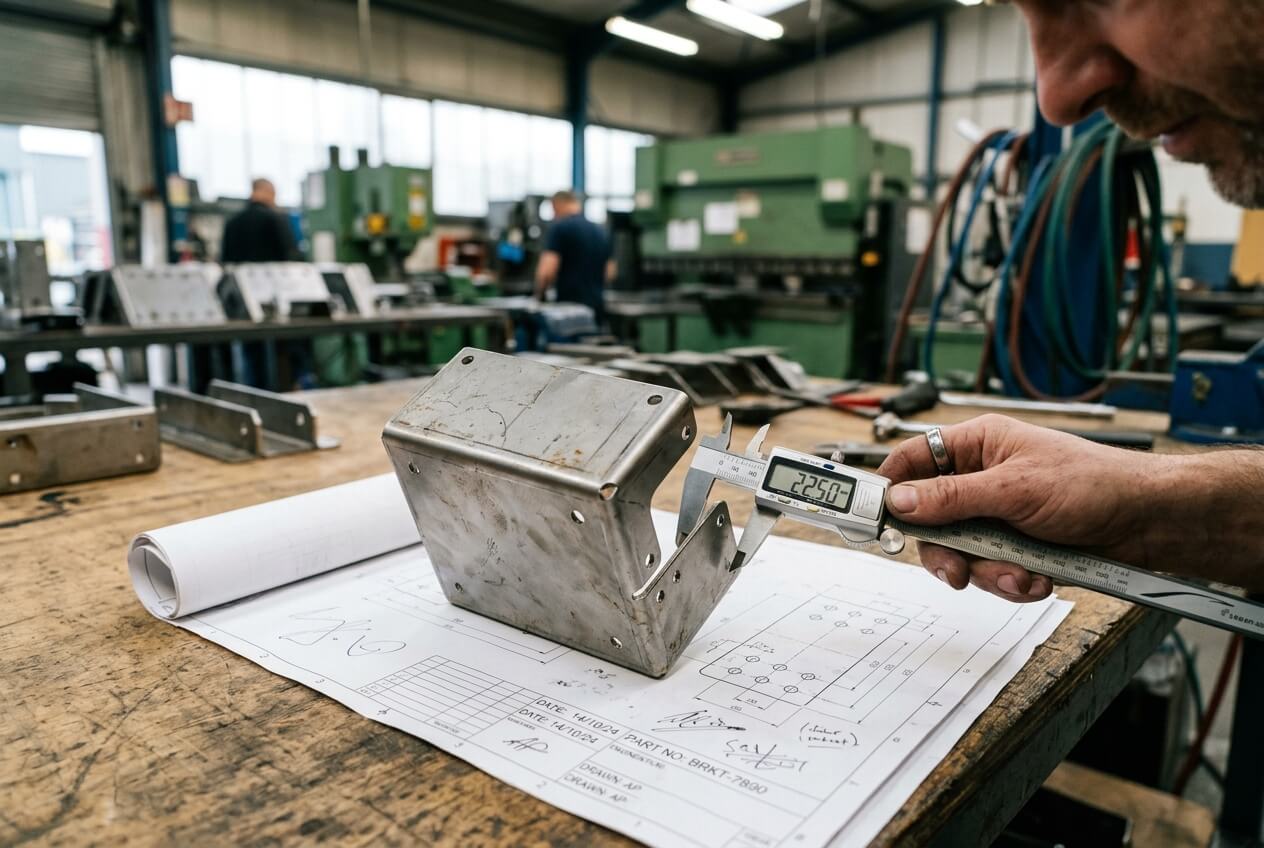
Drawing Silence Turns Quote Differences into Production Disputes
A drawing can look complete while still leaving important fabrication choices open. It may show outside dimensions, hole sizes, and a 3D model. Yet it may not state cosmetic faces, weld expectations, coated-condition clearances, inspection datums, or hardware installation. Suppliers then quote based on shop practice, not shared requirements.
That silence creates a consequence chain. Procurement chooses a low quote. Production starts under the supplier’s assumptions. The first parts arrive and fail assembly, appearance, or inspection. Both sides then review the drawing and find that the disputed requirement never appeared clearly in the RFQ.
Enclosure example: the missing cosmetic face
An OEM requests a powder coated steel enclosure for a control device. The drawing shows the front opening, rear panel, ventilation slots, and mounting holes. It does not mark the customer-facing surfaces. It also does not state whether rack marks, small weld marks, or coating buildup near the door edge are acceptable.
Supplier A quotes fabrication, welding, basic grinding, and standard powder coating. Supplier B includes more grinding, masking near the hinge area, coating thickness checks, and cosmetic inspection on the front and side surfaces. Supplier A looks cheaper. Supplier B may be closer to the real expectation.
If procurement selects Supplier A without clarifying the finish scope, the problem appears after delivery. The enclosure may function, but the visible surface may not meet the buyer’s customer standard. The supplier can point to the missing cosmetic notes. The buyer then pays for rework, sorting, or a revised batch.
Welded frame example: the missing datum
A welded machine frame may include cut plates, bent channels, gussets, and mounting tabs. The 3D model shows the shape, but the RFQ does not define which holes locate a motor plate. It also omits squareness requirements after welding.
One supplier quotes visible welds and a basic dimensional check. Another quotes fixture welding and inspection from defined datums. The higher price includes repeatability control. The lower price may still be acceptable for a non-critical support frame, but not for a frame that locates moving parts.
Buyers should not treat drawing gaps as minor details. Material grade, thickness, bend radius, weld grinding, coating areas, insert installation, and packaging can all change the quote. More importantly, they change the supplier’s responsibility if the part fails later.
Yishang often reviews drawings for custom sheet metal fabrication projects before quotation. The useful discussion is not whether a drawing is “good” or “bad.” The useful discussion identifies which missing notes can change the fabrication scope or create disagreement after production.
Tolerance and Finish Assumptions Hide the Real Assembly Risk
Many quote disputes begin with tolerances. Buyers may apply tight general tolerances across the drawing because they want safe parts. Suppliers may quote standard shop tolerances because the RFQ does not identify critical features. Both choices can create problems.
Tight tolerances on every dimension raise cost and inspection time. Loose tolerances on functional features create assembly failures. The better approach focuses control on the few dimensions that matter to the final product.
Control the function, not every edge
Sheet metal parts do not behave like machined blocks. Laser cut profiles, punched holes, bend angles, welding heat, and coating thickness interact. A bracket can meet flat pattern dimensions and still miss its mounted position after bending. A cabinet door can meet raw metal dimensions and rub after powder coating.
For an electronics tray, the critical dimension may run from a bend line to connector openings. For a wall-mounted enclosure, hole-to-hole spacing may matter more than the outside cover size. For a display rack, vertical alignment and shelf bracket pitch may drive the customer experience.
If the drawing only includes a general tolerance block, suppliers must guess which dimensions need special attention. One quote may include extra checks near bends. Another may not. The lower quote may win, but the buyer later discovers that the savings came from not controlling the assembly feature.
Coating changes fit, grounding, and movement
Finish assumptions also hide risk. Powder coating adds thickness. Brushing and polishing change cosmetic labor. Masking protects grounding points, sliding interfaces, threaded holes, and tight slots. If the RFQ only says “black powder coating,” suppliers may quote very different scopes.
Imagine a cabinet door with a narrow gap around the frame. The CAD model shows enough raw clearance. The RFQ does not define coating thickness or acceptable gap after coating. During assembly, the coated door edge interferes with the frame. The buyer sees defective parts. The supplier sees a drawing that never specified coated-condition clearance.
Clarify the few points that affect fit. Mark critical holes, hinge lines, mating edges, gasket surfaces, sliding areas, and grounding locations. State whether inspection should occur before or after coating. Ask whether the quote includes masking, insert protection, thread cleaning, and coating thickness checks where needed.
This does not mean every sheet metal part needs strict tolerances. A hidden reinforcement plate may only need safe edges and a simple finish. A visible front panel with switches and a gasket needs stronger dimensional and cosmetic rules. The RFQ should match the part’s role, not a generic quality preference.
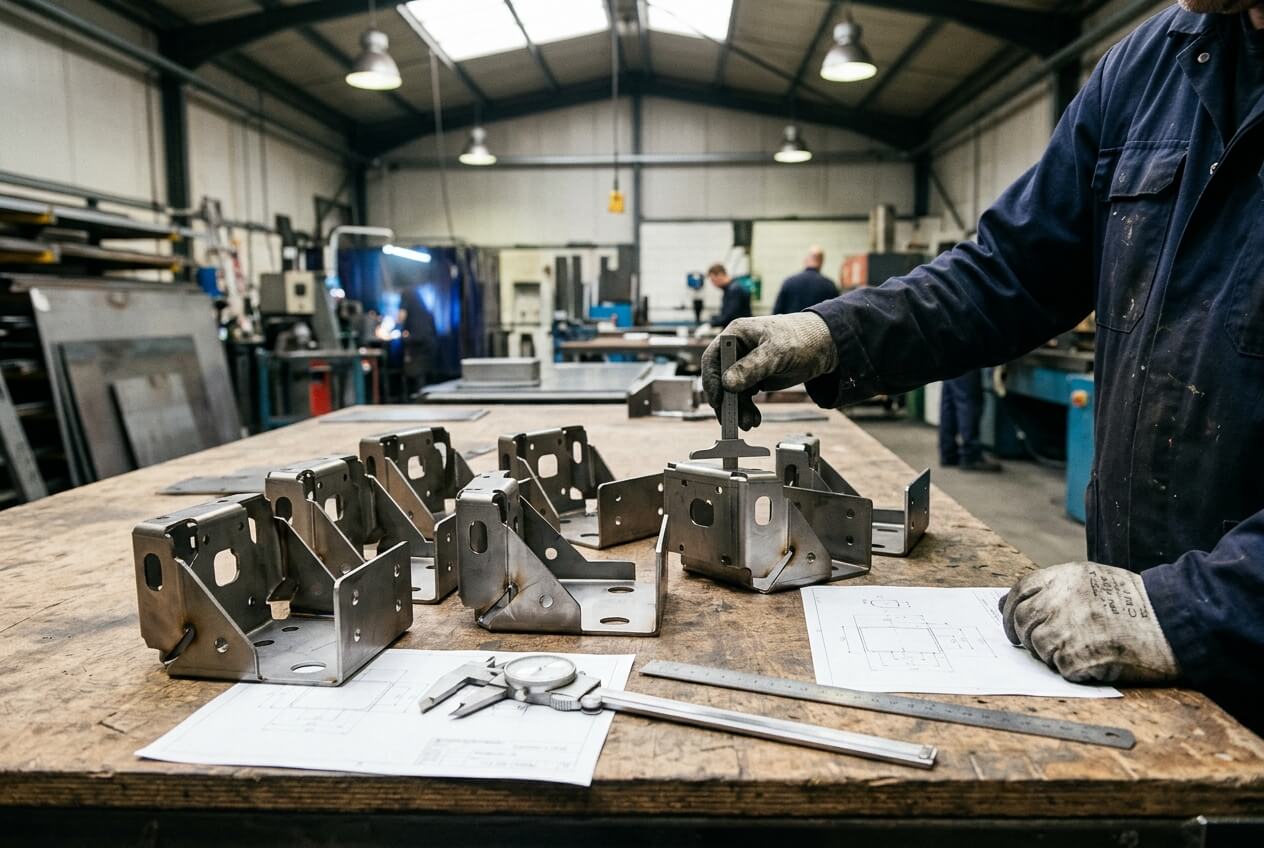
Prototype Approval Can Lock In the Wrong Batch Assumptions
Prototypes reduce risk, but they can also hide it. A supplier may hand-fit one enclosure, file a slot, adjust a bend, or polish a weld until the sample looks acceptable. The buyer approves the prototype. Then batch production starts with the original drawing and the original quote assumptions.
This creates a dangerous gap between prototype success and batch repeatability. The prototype proves that one part can be made to work. It does not prove that 500 parts will work without controlled instructions, fixtures, inspection points, and updated drawings.
Prototype fixes must become production requirements
A machine guard project shows the risk. The buyer orders 20 laser cut and bent brackets for trial assembly. During installation, the team files several slots to fit the guard frame. The change seems small, so nobody updates the drawing. Procurement then releases 1,000 pieces based on the approved sample.
In batch production, the same slot interference returns. Now the issue affects cartons of parts, not a few prototypes. The buyer may blame production quality. The supplier may follow the drawing. The real failure happened when prototype feedback did not become an RFQ and drawing revision.
A stainless display rack can follow the same path. The prototype looks good after extra polishing around welds. In volume, weld discoloration and grinding marks vary because the RFQ never defined customer-facing surfaces or polish consistency. The approved sample created an expectation that the batch quote did not include.
Batch quantities change the right manufacturing plan
Quantity also changes assumptions. A supplier may use laser cutting and flexible setup for 10 prototypes. For 1,000 parts, CNC punching, dedicated fixtures, or batch inspection may reduce risk and cost. If the RFQ only states annual volume, suppliers may make different assumptions about release quantities, setup, tooling, material purchasing, packaging, and lead time.
Before batch release, buyers should review what changed during prototype review. Did anyone adjust a hole, slot, bend, hinge, weld sequence, mask area, or coating requirement? Did the prototype require hand fitting? Did assembly reveal a tight clearance or missing datum? Those answers should move into the drawing, revision notes, and supplier quote.
Yishang can support this step when buyers share prototype comments, photos, assembly notes, and expected batch quantities. The goal is practical: turn one-off learning into repeatable fabrication instructions before the purchase order becomes a larger production risk.
Compare Supplier Prices Only After the Hidden Scope Becomes Visible
Procurement does not need a long RFQ package for every simple part. It does need a clear package for any part where hidden assumptions can affect fit, finish, cost, or delivery. The RFQ should expose the scope before the buyer ranks prices.
Start with the part’s function. Does it locate another component? Does it carry load? Does it appear on the customer-facing surface? Does it need to mate with hinges, gaskets, electronics, brackets, or welded frames? These answers tell suppliers where standard practice may not be enough.
Next, separate required controls from preferences. Avoid copying machined-part tolerances onto every sheet metal dimension. Identify critical-to-fit dimensions, coated-condition clearances, cosmetic faces, weld expectations, and inspection datums. This approach protects assembly without forcing suppliers to price unnecessary inspection.
Then ask every supplier to identify what the quote includes and excludes. The response should mention material grade and thickness, cutting route, bending assumptions, welding, grinding, coating, masking, hardware installation, assembly, inspection reports, special packaging, and design-for-manufacturing feedback. It should also state prototype and batch quantity assumptions.
Cost drivers become clearer when suppliers quote the same scope. A higher unit price may include fixtures, coating control, and inspection records. A lower unit price may work for a simple hidden bracket. Lead time also becomes easier to judge because finishing, hardware, fixture build, and inspection can add days that a basic cutting-and-bending quote does not show.
Supplier communication should focus on decisions that affect responsibility. If a feature matters, mark it. If a surface must look consistent, define it. If a prototype fix changed the part, revise the file. If batch repeatability matters, ask how the supplier will control it. These steps make price comparison a procurement decision rather than a guess.
Need to compare sheet metal fabrication quotes with fewer hidden assumptions? Send Yishang your drawings, 3D files, material requirements, quantities, critical tolerances, finish expectations, assembly notes, photos, samples, and prototype comments. The team can review fabrication route, manufacturability, finishing scope, and batch consistency risks before you treat supplier prices as equivalent. Visit Yishang to share the project details.
Frequently Asked Questions
What metal cnc machines details should buyers define before requesting a quote?
Buyers should define the functional requirement, drawing notes, critical dimensions, material or process expectations, and any inspection points related to metal cnc machines. This helps suppliers quote the same manufacturing scope instead of making different assumptions.
How can RFQ details affect cost, fit, or lead time?
RFQ details can change tooling, forming, welding, finishing, inspection, or rework requirements. If buyers do not clarify it early, two supplier quotes may look comparable while covering different production risks.
Why should drawing requirements be reviewed before prototype approval?
drawing requirements may look acceptable on a single sample but become harder to control during batch production. Buyers should confirm whether the prototype reflects the same process, finish, and inspection conditions expected for production.
What inspection points matter most for metal cnc machines projects?
Important inspection points usually include fit-critical dimensions, holes or mating areas, cosmetic surfaces, finish build-up, welded or formed features, and any dimensions that affect downstream assembly. These points should appear in the RFQ or drawing notes.
How can buyers reduce prototype approval risk before batch production?
Buyers can reduce risk by clarifying drawings, locking key material and finish assumptions, defining inspection timing, approving a representative sample, and confirming which dimensions or surfaces require tighter process control.
How can Yishang help review metal cnc machines requirements?
Yishang can review drawings, RFQ notes, material requirements, tolerance expectations, finish details, samples, and assembly needs to identify unclear assumptions before quoting or batch production.