
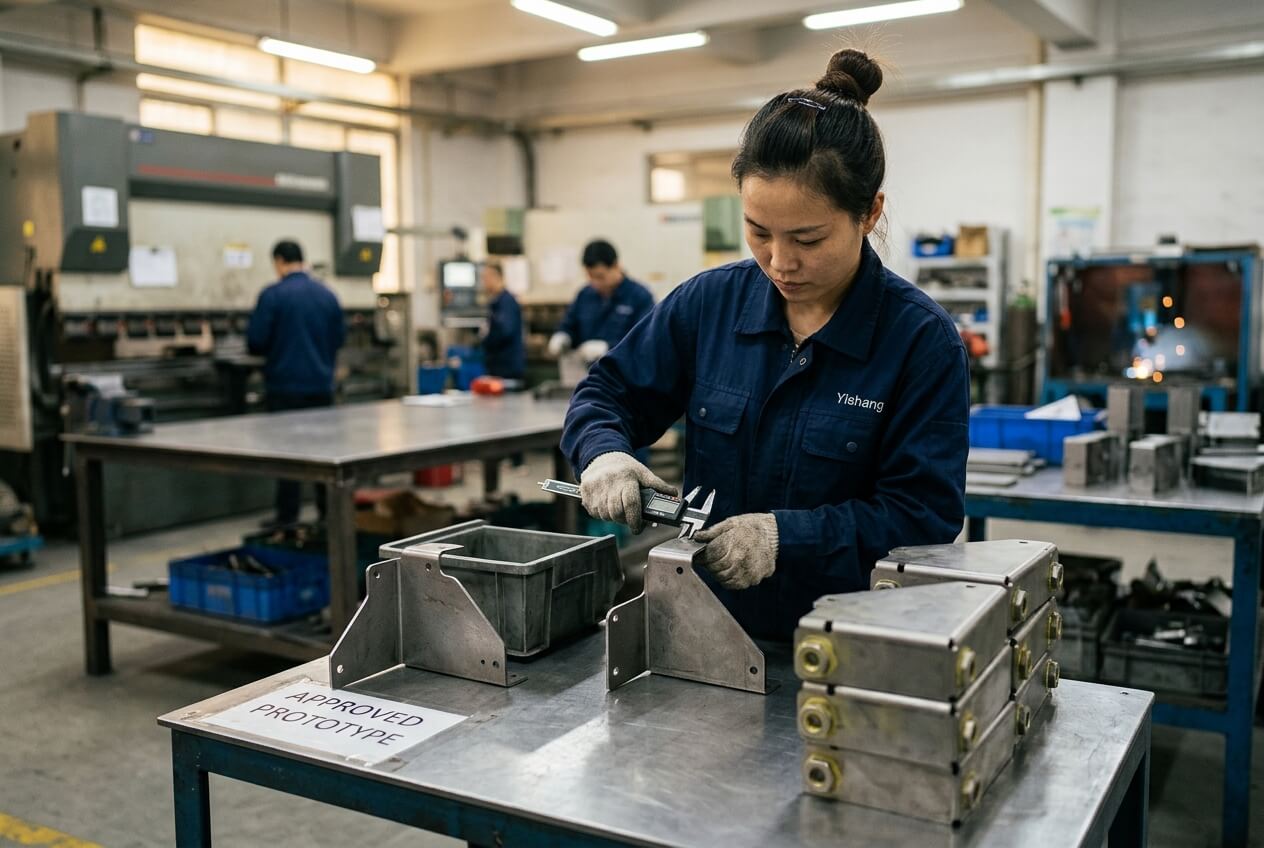
A sourcing team approves one black powder-coated control cabinet door. The sample matches the color target, the latch closes, and the threaded holes look clean. Eight weeks later, the first production batch arrives with a slightly different gloss, coating buildup near hinges, orange peel on front panels, and several tight screws.
The supplier points to the approved prototype. The buyer points to the stopped assembly line. Both sides focus on the sample, but the real risk started earlier. The RFQ treated powder coating powder as a color choice, not as a controlled production condition.
For custom sheet metal fabrication, one good coated prototype does not prove repeatable batch performance. It only proves that one part met expectations under one set of shop conditions. If the buyer does not freeze powder type, coating thickness, masking, cosmetic faces, pretreatment, inspection limits, and packing method, suppliers can quote the same drawing with very different assumptions.
This article focuses on one buyer risk: prototype approval that fails to control batch powder coating results. The consequence chain usually runs the same way. Vague RFQ notes create quote assumptions. Quote assumptions become production shortcuts. Production variation then appears as poor appearance, blocked threads, tight assemblies, delayed rework, or rejected shipments.
The Procurement Risk: A Prototype Can Approve the Wrong Assumptions
Prototype approval often happens under time pressure. Buyers need to release material purchasing, start the first batch, or meet an installation date. A single enclosure door, bracket set, or welded frame may look acceptable because a technician gave it extra attention. That sample may receive the best hanging position, careful masking, manual touch-up, or extra cleaning before coating.
Those efforts help the prototype pass review. They do not automatically scale to 200 doors, 500 brackets, or 1,000 bent panels. Batch production needs repeatable rules, not only a signed sample photo.
When approval comments stay too informal
Many disputes start with approval language such as color OK, surface acceptable, or sample approved. These comments do not tell production which powder coating powder to use, what gloss range to hold, which holes to protect, or which surface counts as the main cosmetic face. A supplier may quote standard indoor powder coating. The buyer may expect a controlled cabinet-grade finish across every visible panel.
For example, a cold-rolled steel electrical enclosure prototype uses a smooth black polyester coating. The door fits the frame and the latch works. During batch coating, powder builds around the hinge reinforcement and latch cutout. The color still looks black, but the latch feels tight. A finish decision has turned into an assembly problem.
A second project shows the same risk on welded retail display frames. The approved sample looks good on the front tubes and shelves. In batch production, small pinholes appear near welds because cleaning and pretreatment were never specified clearly. The buyer expected customer-facing surfaces to match the sample. The supplier priced a standard industrial finish with normal weld-area variation.
Buyers can avoid this trap by separating sample appearance from production controls. The approved prototype should answer two questions. First, what visual standard should the batch follow? Second, what process details must remain fixed so the batch can repeat it? Without both answers, the prototype becomes evidence in a dispute instead of protection against one.
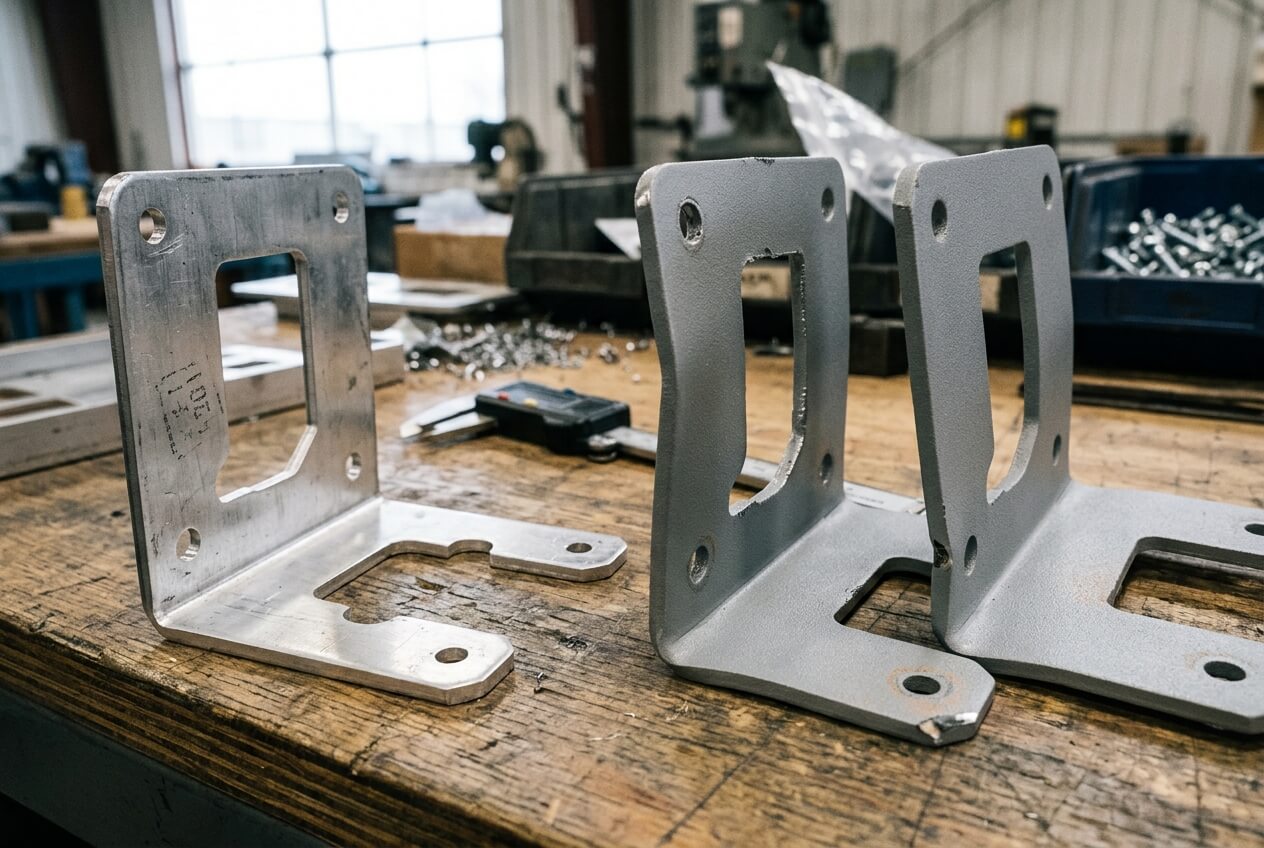
Where Powder Coating Powder Assumptions Distort the Quote
Two suppliers can quote the same drawing and both write powder coated in the offer. One may include outdoor polyester powder, phosphate pretreatment, masking of threaded inserts, thickness checks, and individual wrapping. Another may assume basic indoor hybrid powder, limited masking, visual inspection, and bulk packing. The unit prices will not represent the same scope.
This quote gap matters because procurement often compares the numbers before comparing the assumptions. A lower price may simply exclude controls that the buyer will need later. Once the batch reaches coating, adding those controls can increase cost, extend lead time, or require rework.
Color names do not define performance
A note such as RAL 9005 black or white texture does not define coating performance. Powder coating powder differs by chemistry, gloss, texture, weather resistance, flexibility, hardness, and corrosion behavior. Epoxy, polyester, epoxy-polyester hybrid, and weather-resistant powders fit different uses. An indoor machine cover may not need the same powder as an outdoor telecom cabinet.
Material also changes the coating risk. Cold-rolled steel needs proper cleaning and conversion treatment to reduce corrosion risk. Galvanized steel can create adhesion or outgassing concerns. Aluminum housings often require different pretreatment from steel. Stainless steel decorative panels may need surface preparation that a standard quote does not include.
These details do not belong only in engineering files. Procurement should include them in the RFQ because they change price, lead time, and inspection. If the buyer sends only a 3D model and a finish color, each supplier will fill the gaps differently.
Thickness assumptions affect both price and fit
Coating thickness creates another hidden quote difference. A supplier quoting 60–80 microns on flat panels does not price the same work as a supplier assuming 80–120 microns with extra edge and weld coverage. More thickness may improve coverage in some areas, but it can also block threads, reduce slot clearance, affect hinges, and disturb gasket surfaces.
The RFQ should connect finish expectations to the part function. Will users touch the front panel every day? Will the part face sunlight, cleaning chemicals, salt air, or warehouse abrasion? Does the enclosure need grounding contact after coating? Should PEM nuts, tapped holes, hinge barrels, or sliding faces remain coating-free?
When Yishang reviews coated sheet metal RFQs, the most useful files show more than color. Buyers should send 2D drawings, 3D models, material grade, quantity, tolerance notes, cosmetic zones, and finish expectations together. That allows the quote to include the powder, fabrication, masking, inspection, and packing work that the batch actually needs.
Batch Coating Turns Drawing Gaps Into Assembly Failures
A bare sheet metal part can pass inspection and still fail after coating. Powder adds thickness. It also changes surface friction and can build up around inside corners, punched edges, weld toes, and recessed features. If the drawing treats coating as decoration, production may coat features that control fit, movement, sealing, or electrical contact.
Sheet metal geometry makes this worse. Sharp outside corners may show thin coverage. Deep channels may receive uneven spray. Small holes can bridge with powder. Bend inside corners can collect extra thickness. Hanging points can leave marks in places the buyer later considers visible.
Fit-sensitive features need decisions before coating
Consider a laser-cut electronics enclosure with M4 threaded inserts, ventilation slots, a removable cover, and a grounding point. The prototype assembles because the technician clears a few holes after coating. Batch production follows the drawing exactly, but the drawing does not identify no-coat areas. Operators then coat the threaded inserts and screw-contact surface.
The batch reaches the buyer with a consistent appearance. Assembly workers still lose time chasing threads, scraping coating from ground points, and forcing screws through tight holes. The cost appears in labor hours, damaged finish, and inconsistent electrical contact.
Another example involves a welded equipment frame with bolted brackets. The prototype receives extra grinding near welds. In production, weld spatter remains under the coating on several frames. Some bracket faces also gain enough coating thickness to shift alignment during assembly. The buyer reports a coating defect, but the root cause combines welding cleanup, masking decisions, and missing tolerance allowances.
Masking is not a small shop-floor detail
Masking affects cost, lead time, and repeatability. Threaded holes, bearing faces, hinge pins, sliding contact areas, earth points, nameplate zones, and gasket lands may all need protection. Each masked area requires labor and clear instructions. If the buyer leaves masking to supplier judgment, the supplier may protect only obvious threads. The buyer may expect every mating face to remain bare.
Drawings should mark no-coat zones, A-surfaces, acceptable hanging locations, critical holes, and mating surfaces. Tolerances should also consider the coated condition. A tab and slot that fit in bare metal may become tight after coating. The team can then choose one of three actions: adjust the metal dimensions, mask the interference area, or loosen the assembly fit.
These decisions should happen before the prototype approval, not after the first batch fails. Late changes can require new masking fixtures, revised inspection steps, extra handling, or recoating. That adds cost and can push the shipment past the buyer’s assembly window.
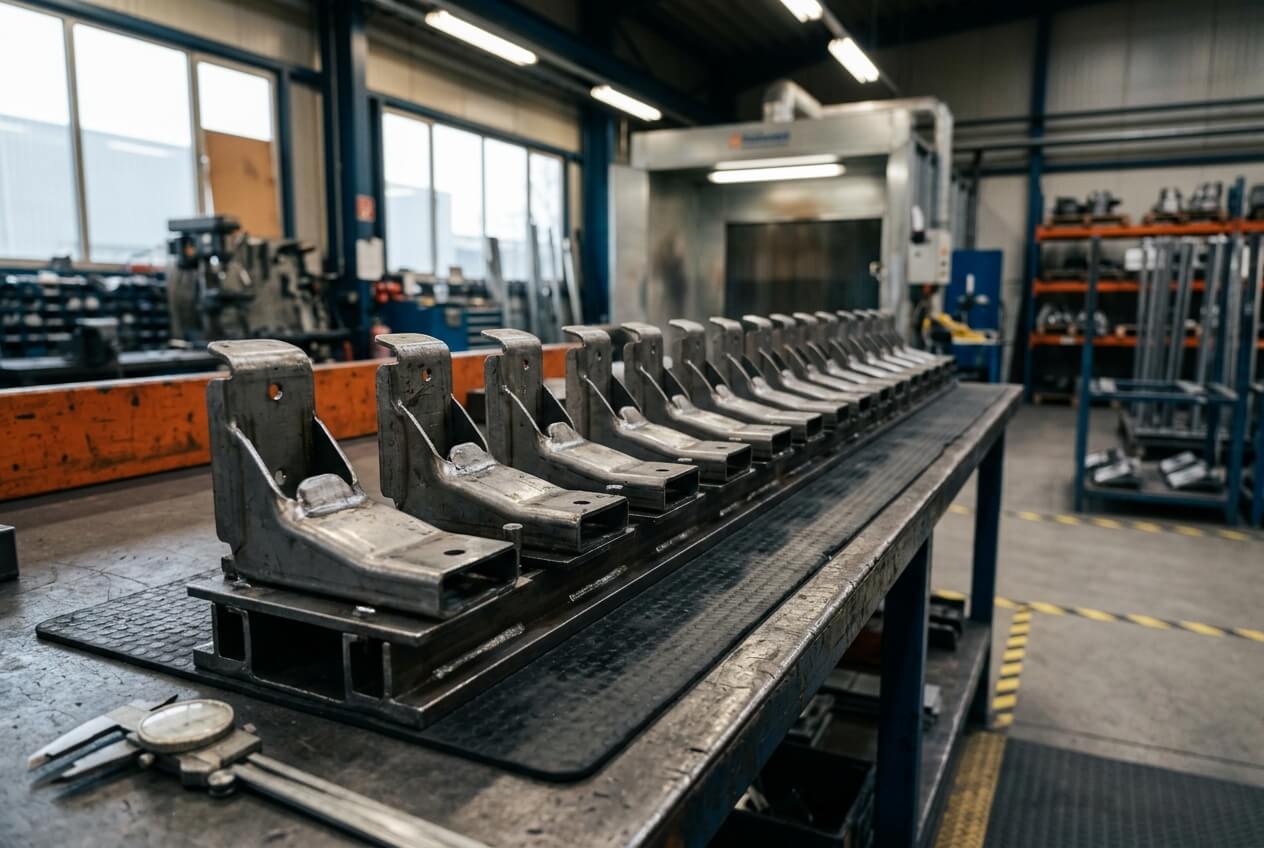
How to Convert Prototype Approval Into Batch Controls
A useful prototype approval does not end with a visual pass. It becomes a release package for production. The package should tell the supplier what must repeat, what can vary, and where variation would hurt the buyer’s assembly or customer-facing quality.
Start with the powder reference. Record the color, gloss range, texture, powder type, and any approved supplier code. If the project uses several panels side by side, decide whether one powder lot should cover the complete batch. Large flat cabinet doors show small gloss shifts more clearly than hidden brackets.
Next, control thickness where it matters. A general thickness range helps, but it does not protect every feature. Add separate notes for hinges, slots, tabs, tapped holes, PEM hardware, gasket lands, and grounding points. These areas often create the first assembly complaints.
Make cosmetic zoning part of the drawing package
Cosmetic standards need location. A front cabinet door, outside display surface, or exposed cover should not follow the same acceptance level as a hidden bracket face. Mark A-surfaces and less visible surfaces on the drawing or inspection document. Define acceptable orange peel, pinholes, edge thinning, hanging marks, scratches, and inspection distance.
This reduces arguments after delivery. Without zones, the supplier may inspect the part as an industrial component. The buyer may inspect it as a finished customer-facing product. Both positions may sound reasonable, but they lead to different costs and rejection rates.
Use first-article approval for the production process
The first batch should not rely only on the hand-built prototype. Request a production first article from the same routing, hanging method, masking plan, cure condition, and packing method planned for the order. Check appearance and fit after coating. Install screws, close doors, engage latches, test hinge movement, and confirm grounding or gasket contact where relevant.
For repeat orders, keep bare-metal dimensions and coated assembly checks separate. A coated part should not become the only dimensional master because coating thickness varies. Control the fabricated metal features on the drawing, then verify the coated features that affect fit or function.
Supplier communication also needs discipline. Put prototype comments, photos, masking maps, inspection limits, and packing requirements into the RFQ or drawing package. Email comments can disappear between sales, engineering, fabrication, coating, and quality teams. A clear release package keeps the approved sample from becoming a one-time success.
Inspection and Packing Must Protect the Approved Finish During Delivery
A batch can pass basic coating inspection and still fail at the buyer’s line. A panel may look acceptable under factory lighting, yet contain partially blocked holes, tight hinges, uneven gasket lands, or rub marks from shipping. Inspection should match how the buyer will assemble, handle, and see the part.
For metal enclosures, inspection should include door fit, latch engagement, hinge movement, screw installation, and coating thickness at sensitive locations. For display racks, the focus may shift to visible front surfaces, weld joint appearance, shelf fit, and scratch protection. For welded assemblies, the buyer may need coverage around welds, but also realistic limits for pinholes or texture differences in less visible zones.
Packaging completes the control chain. Powder coating is durable, but metal-to-metal rubbing can damage it during transport. Nested panels need separators. Heavy welded frames should not press against cosmetic covers. Long brackets may need corner protection if the coated edges remain visible after installation.
Define packing around the buyer’s assembly flow. Will the parts go directly to a line? Will operators handle them without protective film? Are parts shipped as kits, individual items, or bulk cartons? These answers affect foam separation, bags, corner guards, pallet layout, and inspection after packing.
The goal is not excessive inspection on every surface. Focus on features that create real consequences: delayed assembly, visible rejection, corrosion risk, electrical contact failure, field complaints, or costly sorting. A practical inspection plan protects the approved prototype standard without turning the project into an open-ended quality debate.
Planning to release a powder-coated sheet metal prototype into batch production? Send Yishang your 2D drawings, 3D files, material requirements, quantities, tolerances, powder coating powder expectations, coating thickness range, approved sample photos, masking needs, cosmetic surface notes, and assembly concerns. The team can review the RFQ details before pricing so the quotation reflects the fabrication, finishing, inspection, and packing controls needed for repeatable production.
Frequently Asked Questions
Why can an approved powder-coated prototype fail in batch production?
The prototype may reflect extra operator attention, a different hanging method, a specific powder lot, or manual cleanup that does not repeat in batch production. Convert approval comments into powder, thickness, masking, cosmetic, inspection, and packing controls before release.
What should an RFQ say about powder coating powder?
The RFQ should state color, gloss range, texture, powder type, operating environment, approved powder code if needed, and any batch lot requirements. It should also connect the finish to material, pretreatment, masking, coating thickness, cosmetic zones, and assembly features.
Which coated features most often create assembly problems?
Threaded holes, PEM inserts, hinge areas, latch cutouts, tabs, slots, gasket lands, grounding points, bearing faces, and mating surfaces create frequent problems. These features may need masking, adjusted tolerances, or separate coating thickness limits.
How should buyers control orange peel, pinholes, and gloss variation?
Mark cosmetic A-surfaces and define inspection distance, lighting, gloss range, texture expectations, and acceptable defect limits. Welded areas may also need clear cleaning and pretreatment requirements because surface preparation affects pinholes and coating appearance.
Does tighter coating thickness always improve quality?
No. More coating can improve coverage in some areas, but it can block holes, reduce clearances, and affect moving parts. Buyers should define a general thickness range and add separate controls for fit-sensitive or no-coat areas.
What files should buyers send before asking for batch pricing?
Send 2D drawings, 3D models, material grade, quantities, tolerances, finish expectations, masking maps, cosmetic surface notes, approved prototype photos, inspection requirements, and packing needs. This helps suppliers quote the same production scope instead of guessing.