
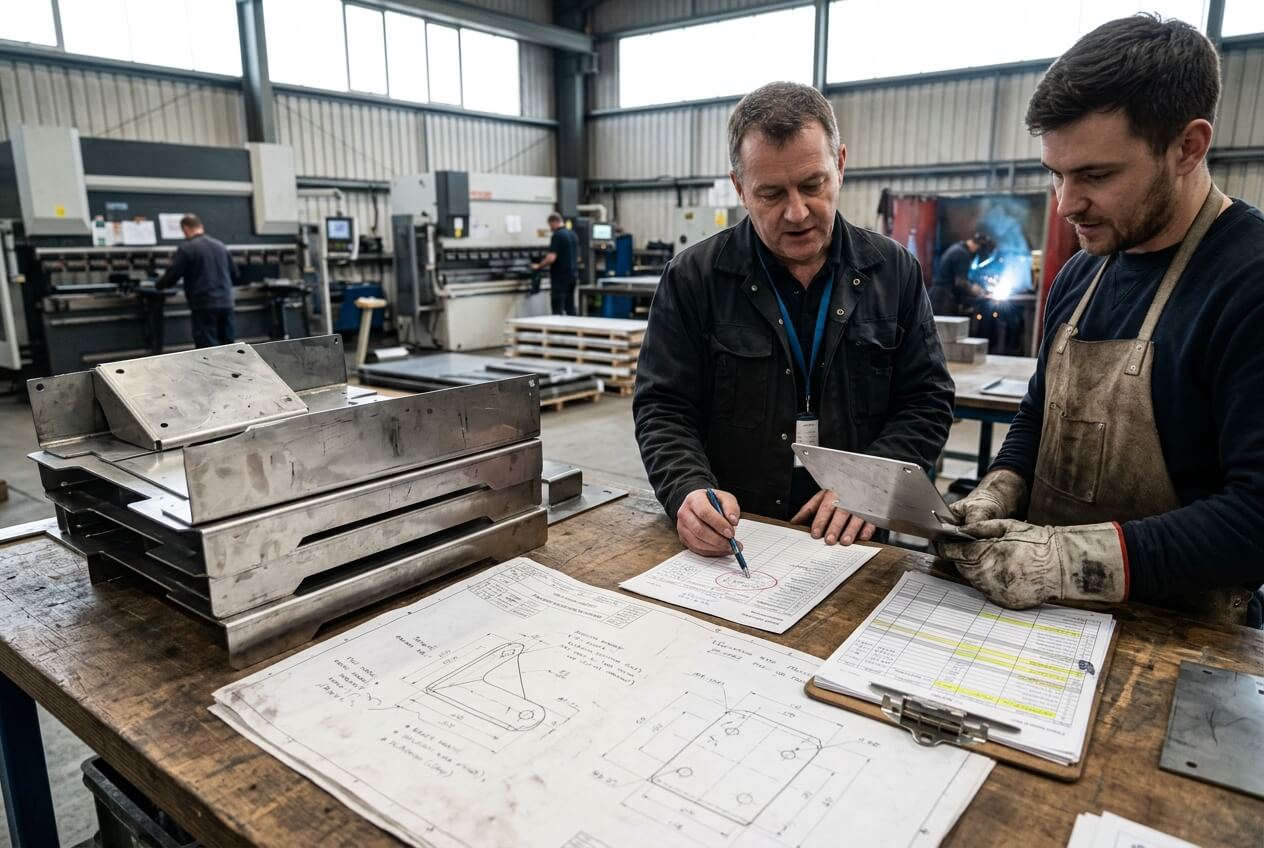
A buyer asks, "what is the boiling point of aluminium?" during an urgent enclosure RFQ. The technical answer is simple: aluminium boils at about 2,467°C, or 4,473°F. Pure aluminium melts at about 660°C. Those numbers matter in metallurgy, but they rarely decide whether a sheet metal order ships on time.
The larger procurement risk usually starts earlier. The RFQ says "aluminium, black finish, urgent delivery" while the drawing shows bends, welded corners, ventilation slots, PEM fasteners, and a hinged door. Each supplier then fills the gaps with its own assumptions. One quotes stocked 5052 sheet. Another assumes 6061 for stiffness. A third includes prototype approval and coating checks. Their prices and lead times may look comparable, but they are not quoting the same job.
This article uses the boiling point question as a starting point. For custom sheet metal fabrication, the real risk is not boiling aluminium. It is approving a quotation before the material, finish, tolerance, prototype, and assembly assumptions become visible.
The Boiling Point Answer Won’t Rescue an Ambiguous RFQ
Aluminium will not approach its boiling point during normal laser cutting, CNC punching, bending, welding, powder coating, or assembly. A fabrication team cares more about alloy behavior, heat distortion, bend cracking, oxide removal, coating adhesion, and final fit. Those details affect production long before any boiling-point property becomes relevant.
Procurement teams often ask a thermal-property question when the project actually has a sourcing-control problem. They need a quote fast, but the drawing and RFQ leave too much room for interpretation. The supplier can still quote, yet the number may rest on assumptions that later change.
How the delay starts before production
Consider an aluminium electronics enclosure with a front cover, welded rear box, countersunk holes, and black powder coating. The buyer sends a PDF drawing and writes "aluminium enclosure, urgent, quote 300 pieces." The supplier quotes a standard aluminium grade, standard bend tolerance, and standard black powder coating. The buyer later confirms that the cover is customer-facing, the internal mounting holes must align with a PCB, and several threaded areas must stay coating-free.
The quotation did not fail because aluminium has a high boiling point. It failed because the RFQ did not define the production route. The supplier must now review masking, hole tolerance after coating, weld grinding, and inspection after finishing. Purchasing may also need to change material. Each correction consumes the launch buffer.
A better RFQ does not need excessive documentation. It needs enough detail to stop suppliers from guessing. Buyers should state the target aluminium grade or ask for a recommended grade. They should mark critical dimensions, visible surfaces, coating requirements, and prototype approval steps. When suppliers price the same assumptions, procurement can compare the real offer.
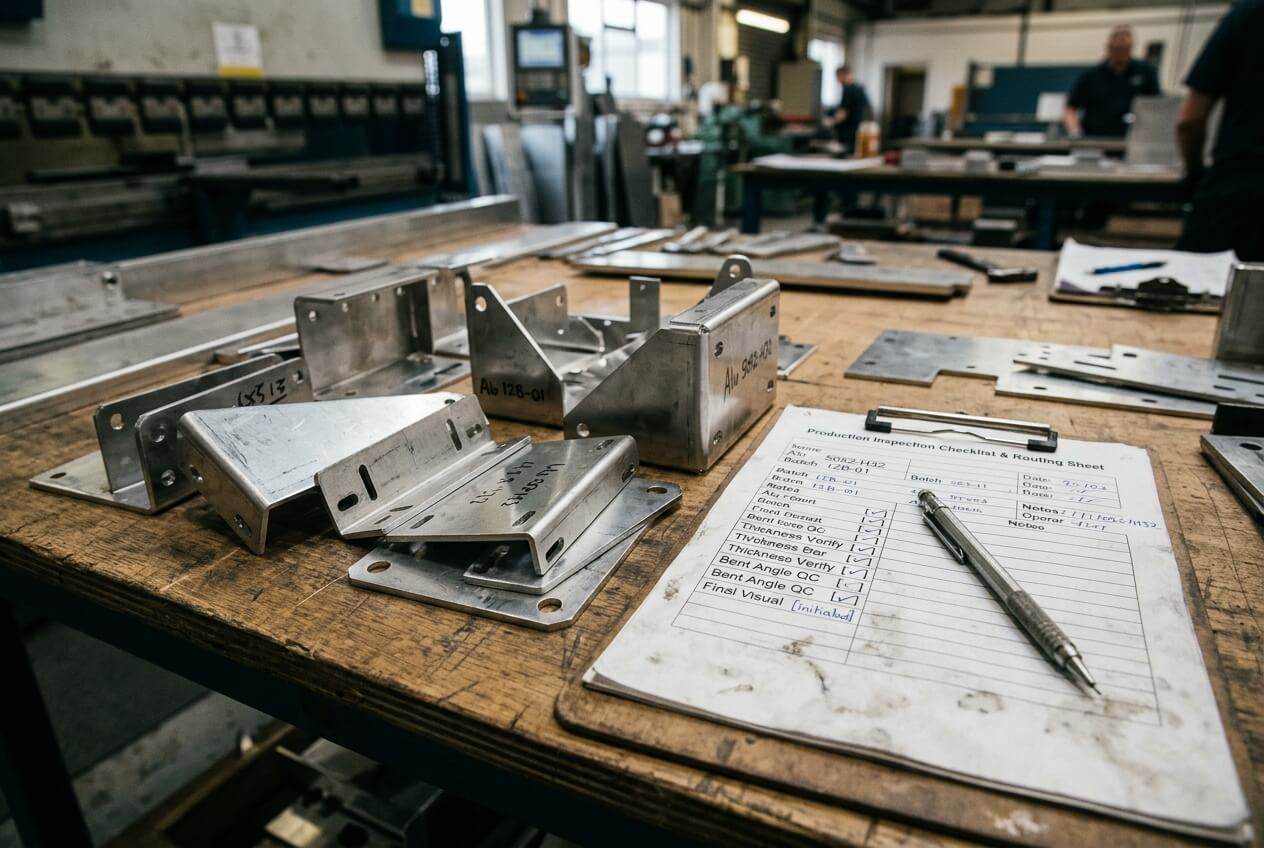
Where “Aluminium” Turns One Drawing into Several Quotes
The word "aluminium" looks specific, but it can produce several production routes. A bent cosmetic panel, an internal bracket, a welded cabinet, and a load-bearing frame may all use aluminium sheet. They do not carry the same forming, welding, finishing, or inspection risk.
Alloy and temper choices affect the quote in practical ways. Some grades bend more predictably. Some offer better stiffness. Others suit welding or corrosion requirements. Stock availability also changes the lead time. If one supplier quotes stocked sheet and another quotes a specific certified grade, their delivery dates no longer mean the same thing.
Example: a bracket that “meets the drawing” but fails the assembly
A buyer sources a set of aluminium brackets for a machine frame. The drawing shows hole positions and bend angles, but it does not identify datum surfaces or critical hole-to-hole dimensions. The first quote assumes general sheet metal tolerances. Production parts arrive within those general limits, yet the brackets pull the frame out of square during assembly.
The issue started with the RFQ. The drawing treated all dimensions equally, so the supplier inspected the part as a general fabricated bracket. The buyer needed the mounting pattern to control assembly fit. That requirement should have appeared in the drawing, tolerance notes, or RFQ message before quotation.
Late clarification can also distort cost. If the supplier learns after purchase order release that a hole pattern controls alignment, it may add fixture checks, tighter inspection, or a revised bend sequence. None of those steps are unreasonable. The problem is timing. Procurement loses leverage when the project has already entered production planning.
For RFQ comparison, buyers should separate essential requirements from flexible preferences. A supplier may recommend 5052 for a formed enclosure or review 6061 if stiffness matters. Either route can work when the drawing supports it. The risk appears when the buyer expects one route while the supplier quoted another.
Finish and Welding Assumptions Can Break the Quoted Schedule
Many aluminium sheet metal delays appear during finishing, but they begin in the RFQ. A note such as "black powder coat" does not define surface quality. It does not define gloss, texture, coating thickness, masking, pretreatment, visible faces, or acceptable marks after welding and grinding.
Aluminium also forms an oxide layer. That oxide does not mean the part will fail in normal use. It means cleaning, pretreatment, and surface handling matter before welding and powder coating. Oil, fingerprints, storage marks, laser-cut edge residue, and poor masking can create coating defects. Rework after coating usually costs more time than prevention before coating.
Example: a cabinet corner that changes the welding plan
An OEM orders aluminium control cabinets with welded corners and a matte black finish. The RFQ says the cabinet will sit inside equipment, so the supplier quotes standard welds and light grinding. After the first sample, the buyer explains that one side faces the operator. They ask for smoother corners and a more consistent appearance.
The requested appearance may be reasonable, but it changes the schedule. The team must adjust weld sequence, grinding time, surface preparation, and inspection criteria. Powder coating may need a new queue date because the parts are no longer ready as planned. The delay traces back to one missing RFQ detail: which surfaces are visible and how good they must look.
Welding assumptions can also affect fit. Heat can move panels, doors, frames, and hinge areas. If the cabinet includes a gasket, lock, latch, or sliding rail, the supplier needs those assembly requirements before welding fixture planning. A quote based only on outside dimensions may not include the controls needed for repeatable door gaps or squareness.
Finishing assumptions influence cost drivers as well. Masking threaded holes, protecting contact surfaces, controlling coating thickness around slots, and packing cosmetic panels all add work. Procurement should not hide these items to keep the quote simple. Clear finish expectations help suppliers quote the work that the finished part actually requires.
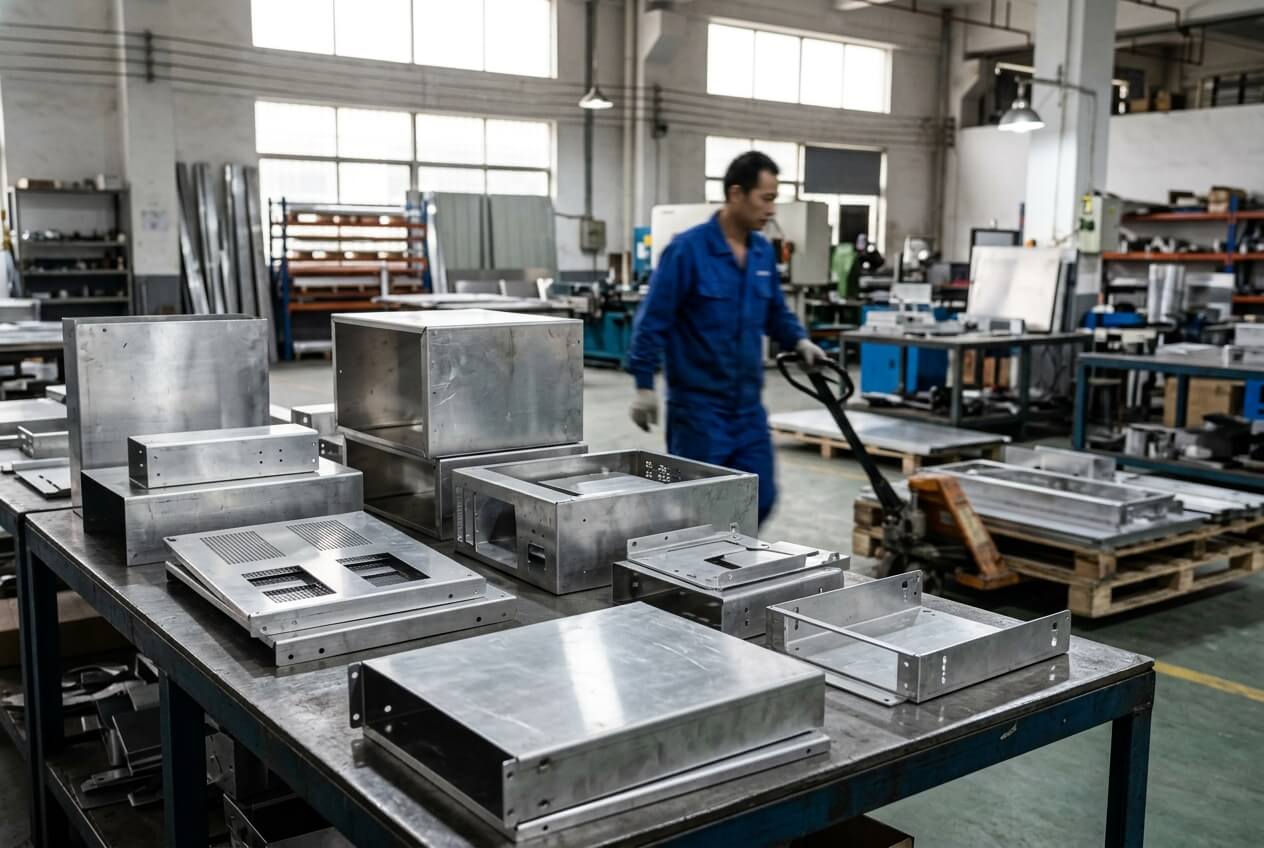
Prototype Approval Can Hide Batch-Production Drift
A prototype can reduce risk, but it does not automatically protect the batch. One sample often receives extra attention. Technicians may hand-adjust a door, clean a weld mark more carefully, or select the best coated panel for review. Batch production must repeat the result across many parts, material lots, fixtures, coating loads, and inspections.
The risk grows when the prototype approval only says "sample accepted." That approval may confirm appearance, but it may not freeze the alloy, bend radius, datum scheme, weld standard, coating system, or inspection method. The batch then becomes a second development stage.
When a good sample creates false confidence
Imagine a wall-mounted aluminium enclosure for a communications device. The sample door closes cleanly, the powder coating looks good, and the mounting plate fits the buyer’s test unit. Procurement releases 500 pieces. During batch assembly, some doors need adjustment. A few threaded inserts have coating buildup. Several mounting plates fit tightly after coating.
Nothing dramatic changed. The batch simply exposed requirements that the sample did not define. The buyer cared about hinge alignment, insert clearance, coating thickness, and the fit of mating parts after finish. The prototype approval should have converted those concerns into controlled dimensions and inspection points.
Buyers can prevent this drift by treating prototype approval as a production-release decision. They should confirm whether the sample used the same material, thickness, finish, masking, hardware, and packing method as the batch. They should also ask which dimensions were measured after coating, not only before coating.
For welded assemblies, photos can help when words are too vague. A buyer can mark acceptable weld appearance, grinding level, and visible surfaces on sample images. That record gives the supplier a practical reference during production. It also reduces disputes when the batch looks different from what the buyer expected.
Compare Quotes Only After the Assumptions Are Visible
The lowest price or shortest lead time can become expensive when the quotation hides too many assumptions. A supplier may exclude coating approval. Another may omit first-article inspection. A third may assume direct batch production without a prototype. Each quote may look valid, but procurement cannot compare them safely until the scope matches.
A stronger RFQ forces the assumptions into view before purchase order release. It tells suppliers what must stay fixed and where they may recommend alternatives. That approach improves cost control because suppliers can price the real work instead of revising the job later.
Items that should not remain implied
Buyers should define the aluminium grade and temper when the design requires it. If the grade is flexible, they should say so and request a recommendation. They should identify critical-to-assembly dimensions, datum surfaces, and dimensions that need inspection after coating. They should describe visible surfaces, coating color, gloss, texture, thickness range, and masking zones.
RFQs should also state the intended approval path. A prototype, first article, or direct batch release can each make sense. The buyer should choose the route deliberately. If the schedule cannot absorb a prototype loop, the drawing and inspection requirements must become stronger before production starts.
Supplier communication should focus on consequences, not only questions. For example, if a tighter tolerance affects bend sequence or inspection time, the supplier should raise that before quoting final lead time. If a cosmetic finish needs special packing, the quote should include it. If a material alternative reduces delay, the buyer should see the tradeoff early.
Yishang can review custom sheet metal fabrication drawings for enclosures, brackets, frames, cabinets, and welded assemblies when buyers need this assumption check before ordering. The useful input is not just a part name. Send drawings, quantities, material requirements, acceptable alternatives, tolerance priorities, finish expectations, masking notes, hardware details, assembly photos, and prototype plans.
The boiling point of aluminium remains a clear number. The procurement risk is less tidy. A vague RFQ can make several suppliers quote several different jobs under the same part number. Clarify the assumptions early, and the quote becomes a production plan instead of a starting point for delay.
If your aluminium sheet metal project has a launch date, send Yishang your drawings, material requirements, quantities, tolerances, and finish expectations before you compare final quotes. Include critical assembly areas and any prototype approval needs, so the manufacturing route can match the risk in the part.
Frequently Asked Questions
What is the boiling point of aluminium?
The boiling point of aluminium is about 2,467°C, or 4,473°F. This value matters for material knowledge, but normal sheet metal fabrication processes do not bring aluminium parts near that temperature.
Why does the boiling point rarely affect aluminium enclosure lead time?
Lead time usually depends on alloy choice, stock availability, bending risk, welding sequence, coating preparation, inspection scope, and approval steps. RFQ ambiguity affects these items more than the boiling point does.
Why can two suppliers quote different prices for the same aluminium drawing?
They may assume different grades, tempers, tolerances, finish standards, masking work, prototype steps, or inspection levels. The drawing may look identical, but the quoted production route can differ significantly.
What aluminium RFQ details reduce quotation risk?
Define or request advice on alloy and temper, mark critical dimensions, identify visible surfaces, specify coating expectations, describe masking needs, state quantities, and confirm whether prototype approval or first-article inspection is required.
Why can a prototype still fail to protect batch consistency?
A prototype may receive extra manual adjustment and may not freeze inspection criteria. Batch production needs controlled dimensions, repeatable fixtures, confirmed finish requirements, and approval notes that transfer from the sample to every unit.
What should buyers send Yishang for an aluminium sheet metal RFQ?
Send drawings, material requirements, quantities, tolerance priorities, finish expectations, masking notes, hardware details, assembly photos, and prototype approval requirements. These details help the team review the fabrication route before quotation assumptions create delays.