
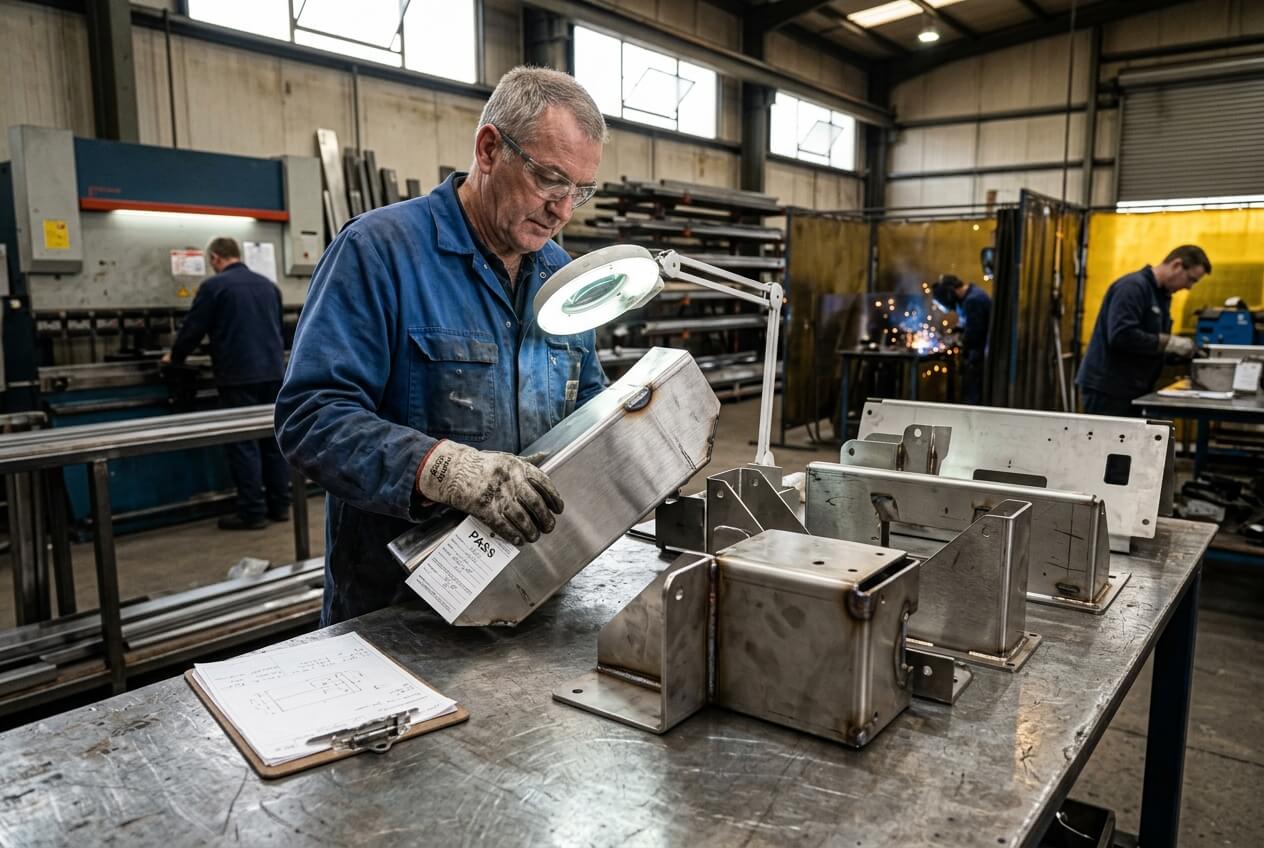
An OEM buyer sends an RFQ for stainless control enclosures, welded mounting brackets, and a pilot run of laser-cut covers. The drawing says “SS304, passivate.” One supplier includes ASTM A967 passivation. Another prices basic acid cleaning after welding. A third assumes the buyer only wants visible weld discoloration removed.
The three quotes may look close on the spreadsheet. They do not describe the same delivered part. That gap creates the main procurement risk: a vague passivate note lets suppliers build different assumptions into price, sequence, inspection, and packaging. The lowest quote may simply carry the largest hidden risk.
For custom sheet metal fabrication, this risk appears most often on stainless enclosures, cabinets, brackets, frames, panels, housings, and welded assemblies. Cutting, bending, grinding, welding, polishing, hardware insertion, and shop handling can all introduce surface contamination. Passivation can help stainless steel recover corrosion resistance, but only when the RFQ defines what the process must control.
Buyers do not need to turn every stainless part into a laboratory-grade specification. They do need to make the passivation scope clear enough for suppliers to quote the same work. Otherwise, prototype approval, batch consistency, assembly fit, and customer acceptance all depend on assumptions nobody confirmed before purchase order release.
Where Vague Passivate Notes Distort the Quote First
A short finish note can look efficient during RFQ preparation. It also forces suppliers to guess. When a drawing only says “passivate,” the supplier must decide whether the buyer expects nitric acid passivation, citric acid passivation, pickling, weld cleaning, stain removal, or a general shop wipe before packing.
That choice affects cost more than many buyers expect. Controlled passivation may require separate cleaning, chemical treatment, rinse control, drying, inspection, and protective packaging. A simple post-weld acid clean may need far less work. If both suppliers write “passivation included,” the buyer may miss the difference until rust marks, staining, or customer complaints appear later.
The lowest quote may exclude the real risk
Consider a stainless wall-mounted electronics enclosure. The front door has a brushed cosmetic face. The back box includes welded studs, folded returns, hinge points, and ground welds. A low quote may include passivation on open surfaces only. It may not include heat-tint removal around welds, extra rinsing near corners, or protection from carbon steel dust during staging.
The issue starts with the drawing note. It then moves into the quotation. The supplier prices the easiest interpretation because the RFQ does not identify risk zones. Production follows that assumption. After sea freight or humid storage, brown staining appears around welds and hinge holes. At that point, the buyer faces sorting, rework, delayed assembly, and a dispute over whether the supplier met the note.
Clear RFQ language avoids that chain. The buyer should state the required standard, covered surfaces, pre-cleaning expectation, and any inspection method. If ASTM A967 or AMS 2700 applies, name it. If citric acid can replace nitric acid, say so. If the buyer only needs cleaning on non-cosmetic internal brackets, do not imply full passivation on every surface.
Geometry Turns One Finish Note Into Several Process Decisions
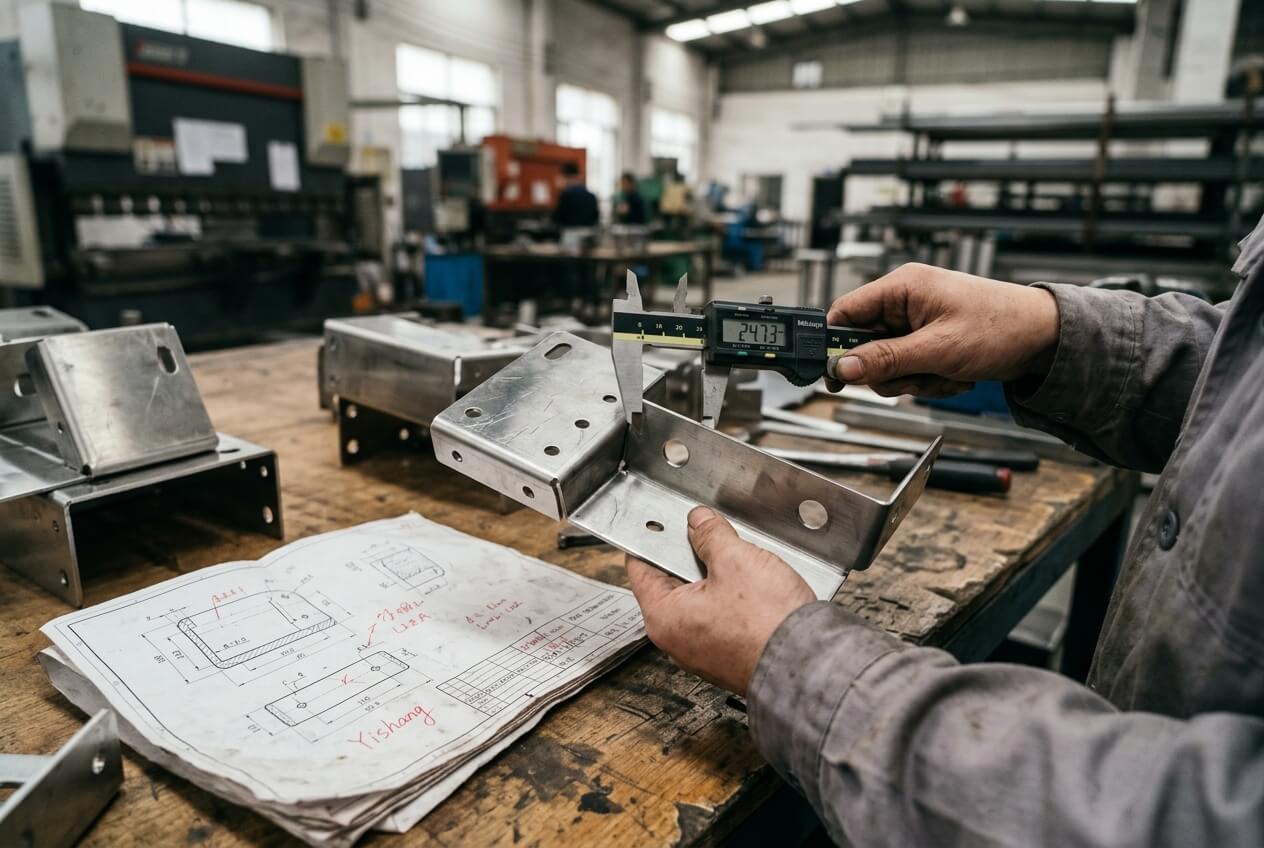
Stainless sheet metal parts rarely behave like flat coupons. Fabricated geometry changes where contamination hides and where passivation can fail first. Laser-cut edges, bend lines, punched holes, hemmed returns, welded corners, PEM hardware, threaded inserts, and overlapping tabs all create different cleaning and rinsing conditions.
Passivation removes free iron and helps the chromium-rich passive layer form. It does not fix every upstream surface problem. Heavy heat tint, grinding dust, adhesive residue, oil trapped in seams, or carbon steel contamination can still cause trouble. If the supplier does not know which areas matter, the quote may not include the preparation those areas need.
Open panels are not the same as welded cabinets
A flat stainless cover with open edges may need a simple, controlled process. A welded stainless cabinet needs more planning. Internal corners can trap residue. Ground seams can hold contamination. Folded returns can slow drying. Hardware holes can collect rinse water. These details affect both production time and inspection scope.
For example, a machine builder may order stainless washdown brackets for a packaging line. The drawing calls out SS304 and passivate, but it does not mention weld discoloration. The supplier welds support ribs, cleans visible faces, and ships the batch. During installation, rust-colored marks develop near the ribs after detergent exposure. The bracket material was not the only issue. The RFQ failed to define weld preparation before passivation.
Procurement teams should mark corrosion-risk zones on the drawing. Weld seams, laser-cut edges, floor-contact areas, fastener holes, and hidden returns deserve attention. Cosmetic surfaces also need clear expectations. A brushed front panel may require appearance control before passivation, while an internal mounting flange may only need contamination control.
Yishang can review stainless sheet metal drawings before quotation when passivation interacts with bending, welding, polishing, hardware insertion, or assembly. That review helps buyers identify which geometry details change the process instead of leaving each supplier to decide alone.
Prototype Approval Can Hide Batch Passivation Assumptions
Prototype approval often gives buyers confidence too early. A sample may look clean because a technician gave it extra manual attention. The production batch may follow a different rhythm. Larger quantities bring more handling, longer staging time, different racks, shared tools, and tighter delivery pressure.
If the prototype approval does not document the passivation route, the sample becomes a weak control. It confirms one visible part, not the repeatable process behind it. That matters when stainless sheet metal parts must survive humid storage, sea freight, washdown, chemical exposure, or customer inspection after assembly.
Manual sample care rarely scales by itself
A prototype stainless display frame may receive careful hand cleaning around polished edges and welded rear supports. The buyer approves the appearance. During batch production, the same frame may sit near carbon steel parts before passivation. Shop dust can settle on polished surfaces. Rack contact points may change. Weld zones may receive less manual attention because the RFQ never required it.
The consequence chain starts quietly. Procurement approves the sample based on appearance. Production scales the order using undocumented assumptions. Assembly adds adjacent steel components, labels, hinges, or fasteners. After shipping, stains appear near contact points or welded tabs. The buyer then has to separate cosmetic complaints from corrosion-risk complaints under schedule pressure.
Buyers should link prototype approval to process controls. Ask the supplier to confirm the sequence for cutting, bending, welding, grinding, hardware insertion, cleaning, passivation, inspection, drying, and packing. If the sequence changes after sample approval, the supplier should flag it before batch production.
PEM hardware needs special attention. Installing inserts before passivation can trap acid or rinse fluid around the hardware. Installing them after passivation can introduce contamination or surface damage. Neither sequence is always correct. The best choice depends on the part design, tolerance needs, hardware type, corrosion expectation, and inspection plan.
Tolerances also matter. A passivation process will not usually change dimensions like heavy coating would, but preparation steps can affect edges, threads, cosmetic surfaces, and mating areas. If a stainless enclosure door must fit a gasketed opening, the RFQ should identify critical surfaces and assembly checks. Otherwise, suppliers may focus on corrosion control while missing fit-sensitive details.
Quote Comparison Fails When Inspection and Packaging Stay Undefined
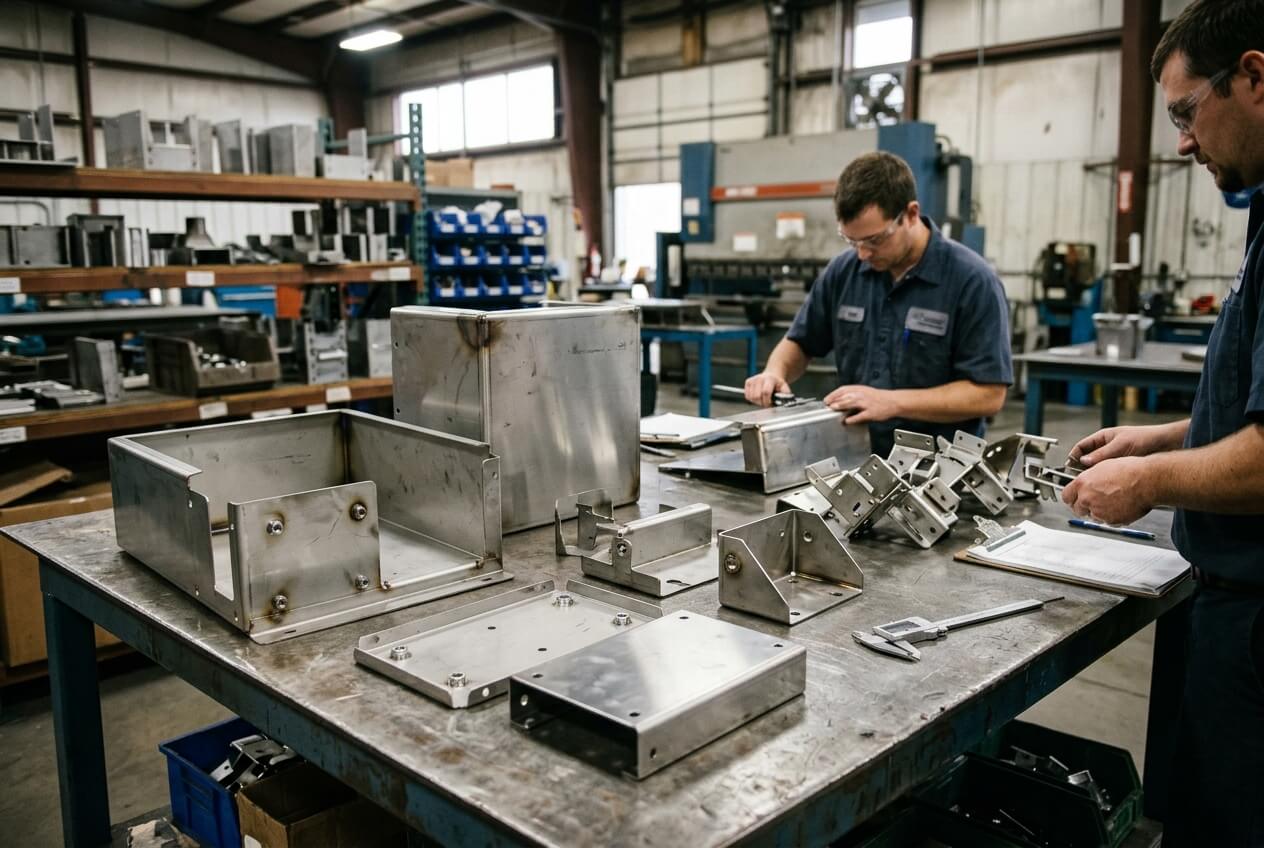
Many passivation disputes do not begin in the chemical tank. They begin when the buyer compares quotes without matching inspection and packaging assumptions. One supplier may include a visual check only. Another may include water-break testing, copper sulfate testing, ferroxyl testing, or salt spray evidence. Those differences change both cost and lead time.
The correct inspection level depends on application risk. An indoor stainless trim panel may only need clean handling and visual acceptance. A cabinet used in a humid plant needs closer attention around welds, hinges, holes, bottom edges, and folded returns. A food, laboratory, marine, or washdown-related housing may require stronger evidence because residues and staining carry higher consequences.
Packaging can undo a good surface process
Packaging often receives too little attention in the RFQ. Passivated parts can still stain if they ship wet, touch contaminated materials, rub against carbon steel, or sit in humid cartons. Long sea freight increases that risk. Mixed-material assemblies can also introduce contamination after finishing if stainless parts contact untreated steel components during packing.
A stainless control cabinet illustrates the problem. The supplier passivates the cabinet, dries the open faces, and wraps it quickly to meet the shipping date. Moisture remains near internal rails and bottom folds. After weeks in transit, the buyer finds staining inside corners. The process may have been acceptable, but the packaging and drying assumptions were not strong enough for the logistics route.
Buyers should define inspection and packaging before comparing quotes. The RFQ can ask suppliers to confirm post-passivation inspection, critical areas, drying method, handling rules, packaging material, and storage conditions before shipment. If the project needs test records, the buyer should ask before award. Adding them after production starts can delay shipment or create extra charges.
Cost drivers become clearer when the scope is visible. Part size, surface area, weld length, geometry, batch quantity, cleaning difficulty, hardware sequence, test evidence, and packaging all affect price. Lead time also changes when the supplier must coordinate outside finishing, tank capacity, inspection records, or salt spray testing. Clear scope does not always raise the price. It often prevents buyers from comparing one complete quote against one incomplete quote.
What Buyers Should Clarify Before Releasing a Stainless RFQ
A practical passivation RFQ does not need excessive language. It needs enough detail to stop suppliers from quoting different work. The buyer should connect the passivate requirement to drawing zones, application risk, production sequence, and acceptance criteria.
Start with the basics. State the stainless grade, such as SS304 or SS316. Name the passivation standard if one applies. Clarify whether nitric acid or citric acid passivation is required, preferred, or open to supplier recommendation. Identify whether heat tint, grinding marks, weld discoloration, free iron, or shop contamination must be removed before passivation.
Then define where the risk sits on the part. Mark weld seams, cosmetic faces, laser-cut edges, mounting holes, internal corners, bottom edges, and hardware areas. Add notes for assembly fit when passivation-related preparation may affect mating surfaces, threads, gasket contact, or visible panels. Include prototype and batch expectations so suppliers know whether the approved sample locks the process route.
Supplier communication should stay specific. Instead of asking, “Is passivation included?” ask what the quote includes for pre-cleaning, weld treatment, chemical passivation, rinse and dry control, inspection, hardware sequence, and packaging. This question forces assumptions into the open before price comparison.
Yishang supports custom sheet metal fabrication projects where stainless passivation affects enclosures, brackets, frames, cabinets, housings, and welded assemblies. Buyers can use drawing review to clarify manufacturability, finishing sequence, prototype expectations, and batch controls before choosing a supplier or releasing production.
Send a passivation-ready RFQ: share drawings, stainless material requirements, trial and annual quantities, tolerance notes, critical surfaces, finish expectations, assembly details, hardware sequence, packaging needs, and any corrosion or inspection standard. Yishang can review the scope and flag passivate assumptions before quotes, prototypes, or batch orders create avoidable risk.
Frequently Asked Questions
What should a passivate note include on a stainless sheet metal drawing?
A useful note should include the stainless grade, required standard, covered surfaces, pre-cleaning expectations, and inspection method when needed. Buyers should also mark weld seams, laser-cut edges, cosmetic faces, folded corners, and hardware areas when those zones affect corrosion risk or appearance.
Why can two suppliers quote different prices for the same passivate note?
The note may let each supplier assume a different process. One quote may include ASTM A967 passivation, controlled rinsing, drying, and inspection. Another may include only simple acid cleaning or visual stain removal. The prices look comparable, but the included work and risk control differ.
Does passivation remove weld heat tint on stainless assemblies?
Passivation alone should not be treated as a cure for heavy heat tint, scale, or grinding contamination. Weld zones may need mechanical cleaning, pickling, or other preparation before passivation. The RFQ should state whether weld discoloration must be removed before the passivation process.
Should PEM hardware be installed before or after passivation?
The correct sequence depends on the design and risk. Hardware installed before passivation can trap acid or rinse fluid. Hardware installed after passivation can introduce contamination or damage. Buyers should confirm the sequence during RFQ review, especially for humid, washdown, or cosmetic applications.
What inspection method should buyers request after passivation?
The inspection method should match the application. Visual inspection may suit dry indoor parts. Water-break, copper sulfate, ferroxyl, or salt spray testing may suit higher-risk environments. Buyers should define the method before quote comparison because inspection records can affect price and lead time.
How can buyers reduce passivation problems between prototype and batch production?
Buyers should document the approved process sequence, critical surfaces, cleaning requirements, inspection points, and packaging method during prototype approval. They should also ask suppliers to flag any sequence change before batch production. This reduces variation between a carefully prepared sample and larger production runs.