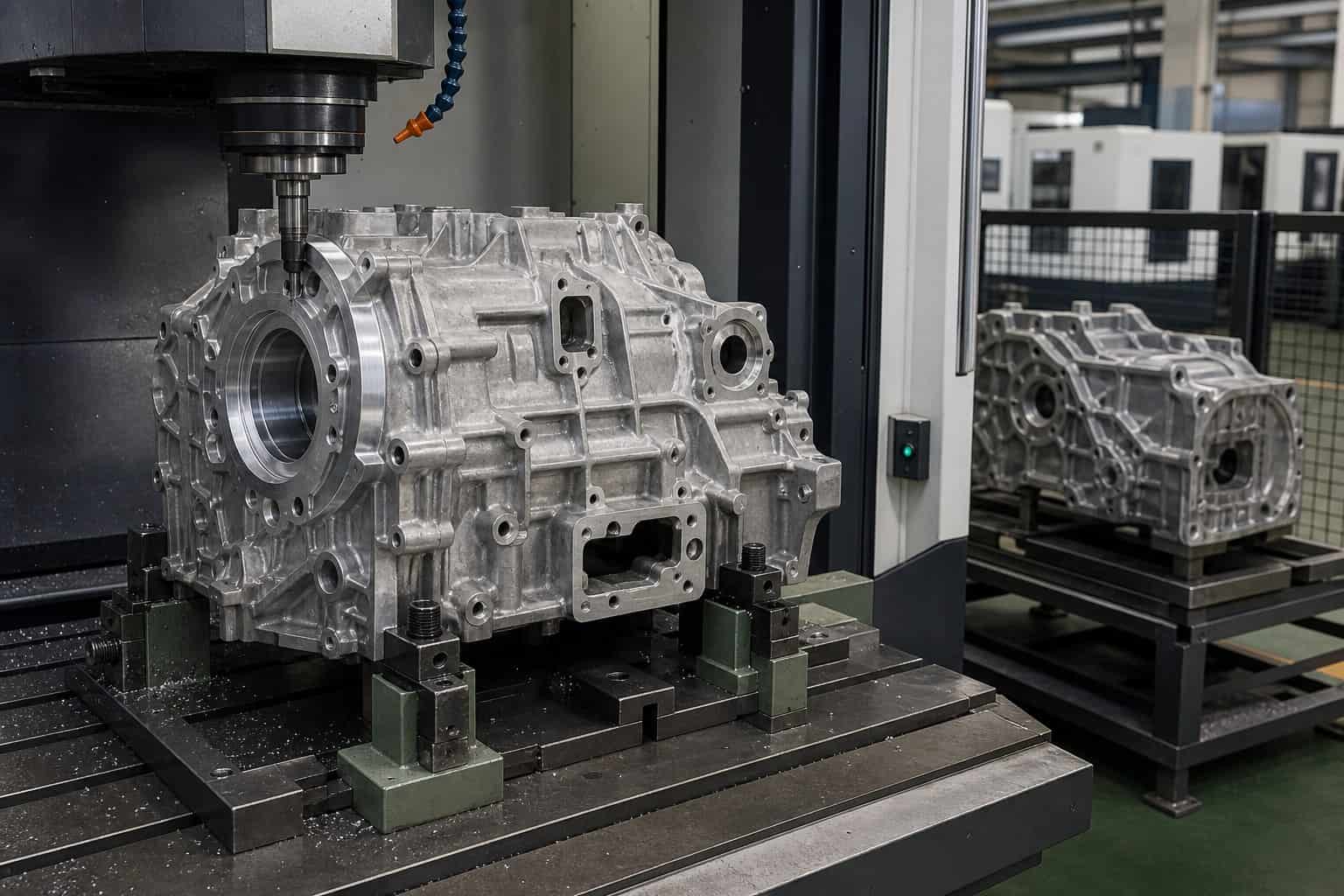
Custom Die Casting for Housings and Structural Components.
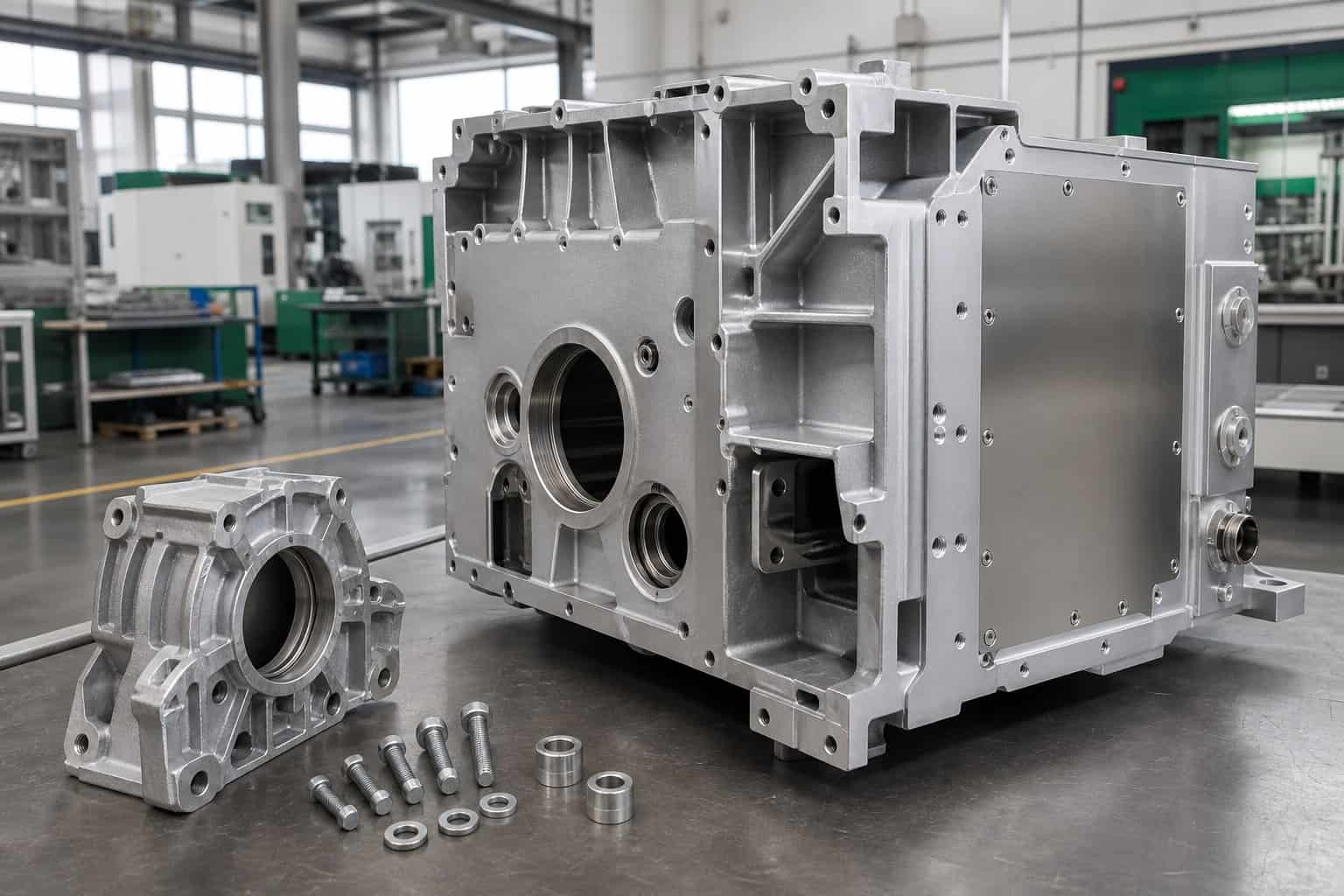
Yishang coordinates drawing-based aluminum and zinc die-cast components for industrial equipment, then connects the casting with machining, surface finishing, sheet-metal parts, hardware and assembly. The goal is not merely a part that leaves the die—it is a component that fits, seals, fastens and performs in the finished product.
Primary alloy families reviewed around function, geometry and finish
Sample before repeat orders
Approve the cast, machined and finished result before release
Secondary processing
Machining, trimming, finishing and assembly coordinated as one route
One project contact
Tooling partner, casting, metalwork and delivery remain connected
TOOLING MAKES EARLY DECISIONS EXPENSIVE TO CHANGE
Design the Casting Around the Operations That Come After It.
A die-cast component still has to be trimmed, machined, coated, fastened and assembled. Decisions about walls, ribs, bosses, datums and visible faces affect every later step—and become much harder to correct after tooling is built.
01
Cast the Main Geometry
Use the die to create the housing, base, ribs, bosses and structural form that repeat across production.
02
Machine Only What Needs It
Reserve machining for sealing faces, bearings, threads, precision holes and other interfaces that cannot rely on as-cast accuracy.
03
Protect Assembly Datums
Connect cast and machined features to a datum strategy that keeps panels, brackets, shafts, connectors and fasteners aligned.
04
Approve the Final Surface
Judge appearance after trimming, blasting, polishing, coating or plating—not from an unfinished trial casting alone.
DIE-CAST COMPONENTS USED IN REAL EQUIPMENT
Substantial Metal Components, Not a Tray of Generic Small Parts.
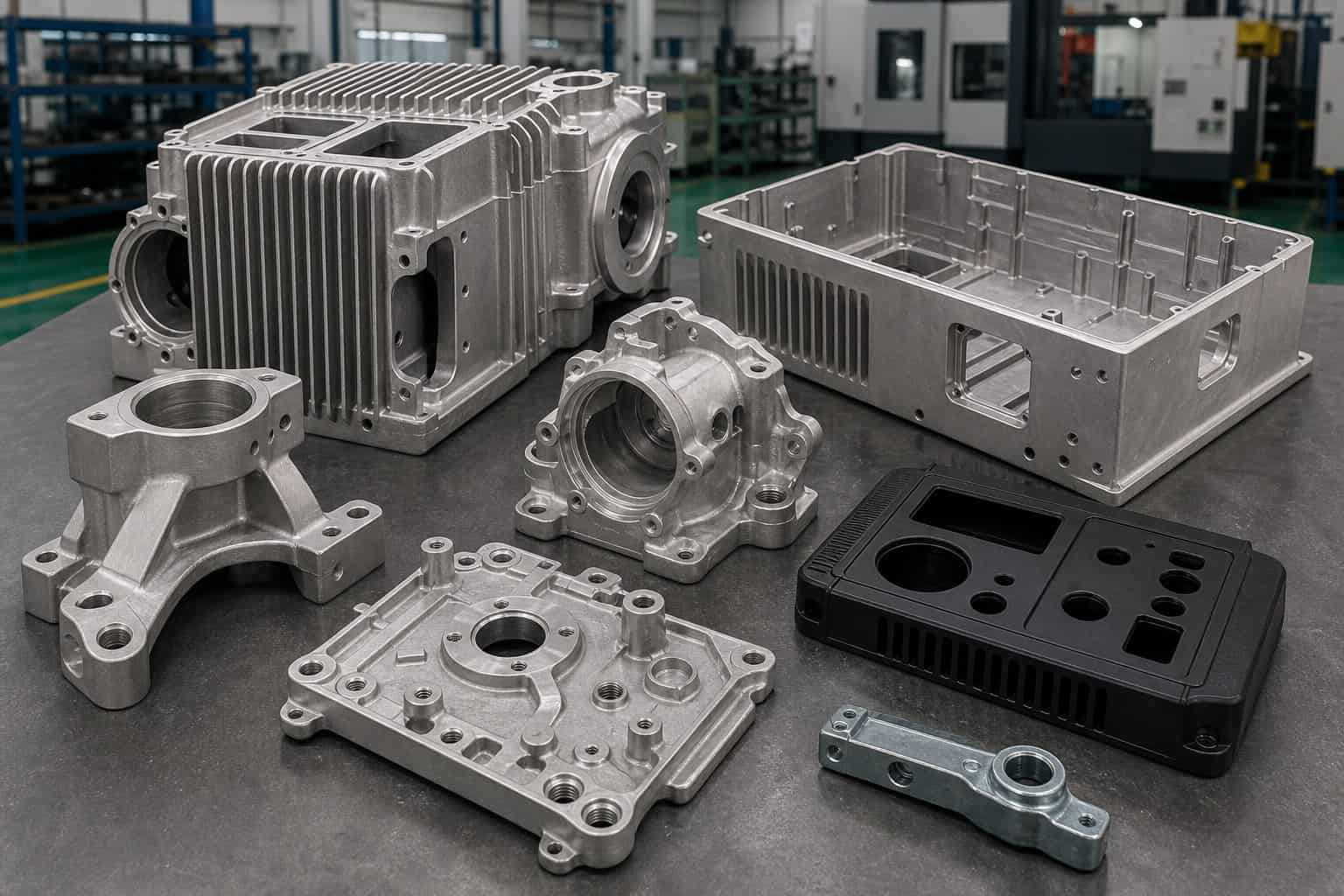
The page is focused on drawing-based industrial components that carry, protect, locate or connect the rest of the assembly.
01
Equipment Housings and Covers
Rigid cast bodies and covers with ribs, bosses, cable entries, connector openings and mounting interfaces.
02
Base Plates and Chassis Bodies
Structural castings that support motors, electronics, mechanisms, panels and fabricated subassemblies.
03
Motor and Gearbox Housings
Cast bodies with bearing seats, machined faces, fastener locations and controlled internal geometry.
04
Structural Brackets and Nodes
Load-carrying connectors and mounting bodies designed to reduce multi-piece fabrication where appropriate.
05
Control and Display Bezels
Visible cast surrounds and front structures that must align with controls, screens and sheet-metal openings.
06
Machined Casting Components
Production castings with secondary bores, threads, pockets, sealing faces and precision installation features.
SELECT THE ALLOY AROUND THE COMPONENT
Aluminum and Zinc Do Different Jobs.
Material selection should support size, weight, strength, detail, surface expectations and the required production route. We do not recommend an alloy simply because it is the lowest initial quote.
01
Aluminum Die Casting
BEST ALIGNED WITH
Larger housings, chassis bodies and structural components where lower weight and thermal behavior matter.
PLAN CAREFULLY
Porosity, sealing surfaces, thick-to-thin transitions, machining stock and finish requirements must be planned together.
02
Zinc Die Casting
BEST ALIGNED WITH
Smaller or medium components that benefit from fine detail, thin features, stable geometry and high-quality surface routes.
PLAN CAREFULLY
Part weight, plating or coating requirements, thread strategy and the final service environment still need review.
Magnesium or other specialized alloy projects can be reviewed case by case, but they are not presented here as routine Yishang supply. Copper-alloy die casting is not advertised on this page.
DFM BEFORE THE TOOL IS RELEASED
Five Areas Decide Whether the Casting Is Easy to Produce—or Expensive to Correct.
The review is tied to the real component and its downstream work. No universal wall, draft or tolerance promise is applied without considering alloy, geometry, die route and function.
01
Wall Transitions and Local Mass
Review thick sections, sudden transitions and isolated mass that can influence fill, cooling, shrinkage and porosity risk.
02
Ribs, Bosses and Support
Use ribs and bosses to support load and fasteners without creating difficult heavy sections or poor tool access.
03
Draft, Fillets and Release
Provide suitable release direction and radiused transitions while protecting the surfaces and interfaces that matter after ejection.
04
Parting, Gate and Ejector Areas
Identify where process marks can be tolerated and where they would interfere with sealing, appearance, machining or assembly.
05
Machining Allowance and Datums
Leave material only where secondary machining is required and establish references that survive casting variation.
A CLEAR TOOLING RESPONSIBILITY
The Casting Partner Builds and Runs the Tool. Yishang Manages the Finished Project.
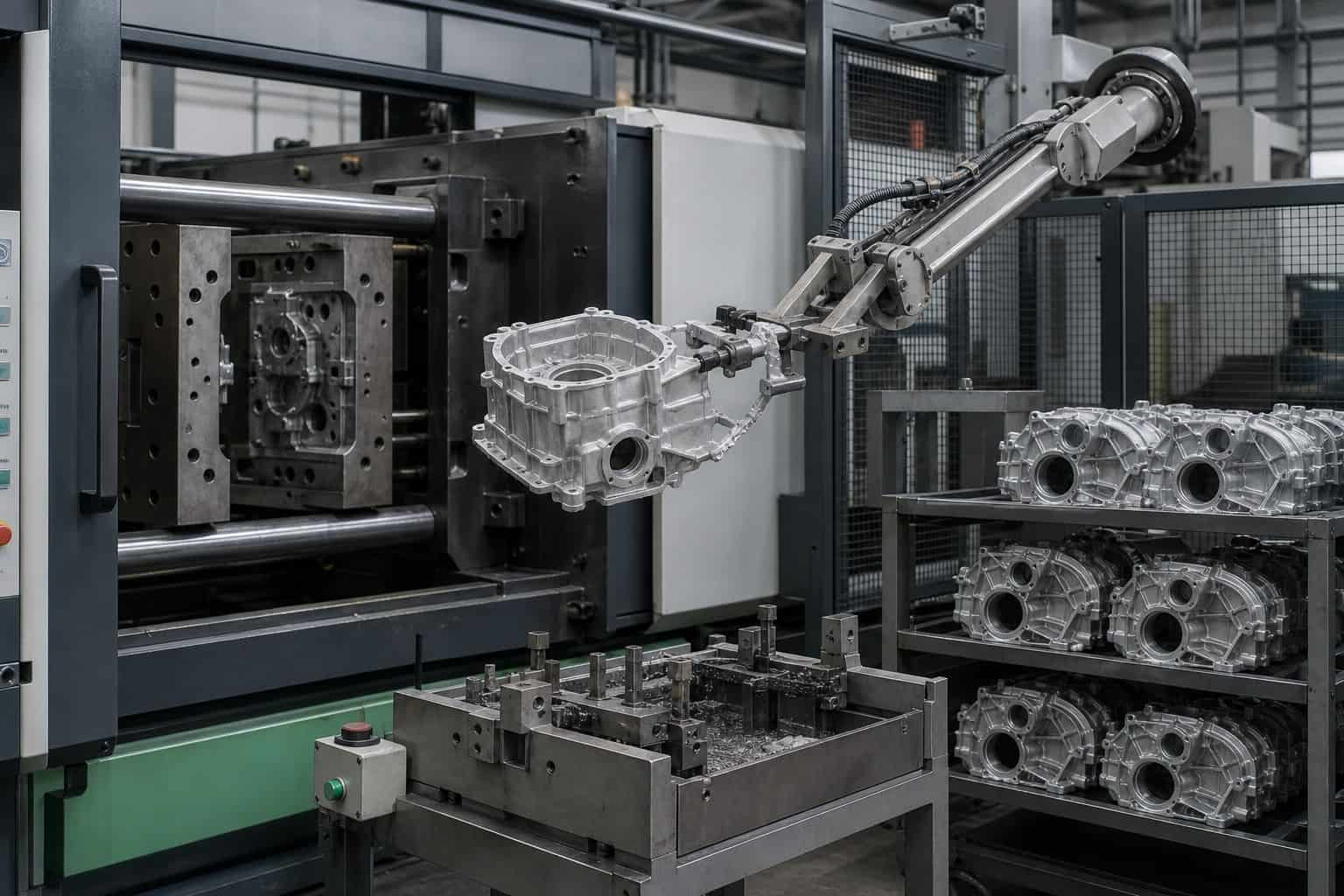
Die casting is coordinated through a suitable production partner rather than represented as an in-house Yishang process. Yishang remains the customer contact and connects tool review, samples, machining, finishing, fabricated metal parts, inspection, packing and delivery communication.
01
Feasibility and risk review
Review the component around casting, later machining, finish, assembly and service requirements.
02
Tooling route coordination
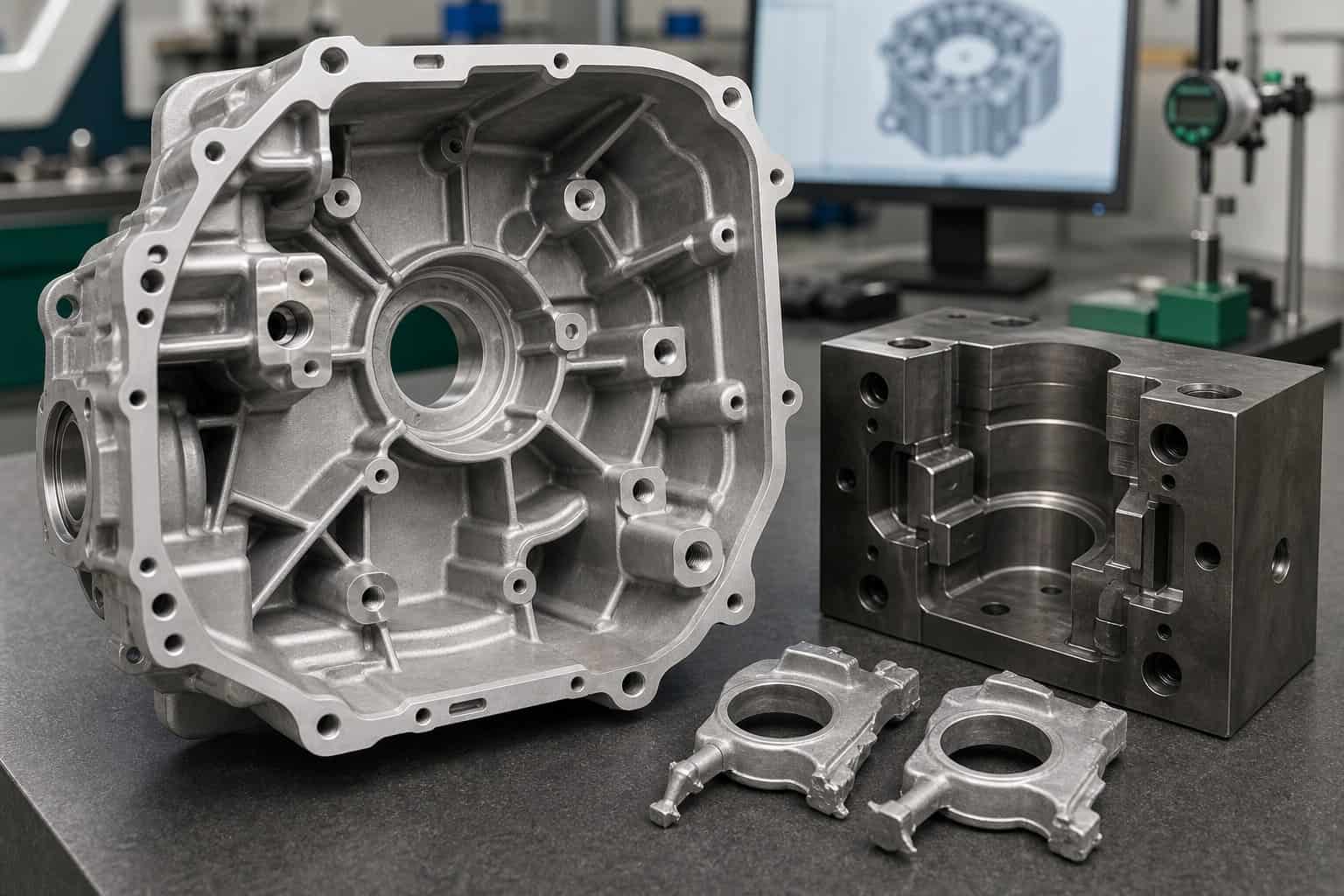
Connect the approved part direction with the die-casting partner’s tool, gate, vent, ejector and trial plan.
03
Production-intent sample
Evaluate a component produced through the intended cast, trim, machine and finish route.
04
Repeat-order reference
Carry approved features, appearance, inspection points and packaging expectations into later batches.
THE CASTING IS NOT THE FINISHED COMPONENT
Secondary Operations Create the Interfaces Your Assembly Depends On.
The required route is selected from the drawing and use environment. Only operations that add functional or visual value are included.
01
Trimming and Deburring
Remove runners, overflows, flash and sharp edges without damaging functional or visible surfaces.
02
CNC Machining
Produce sealing faces, bearing seats, bores, pockets and reference surfaces that require controlled accuracy.
03
Drilling and Tapping
Add thread and fastener features around the approved datum and assembly sequence.
04
Blasting, Polishing and Preparation
Prepare the casting for its visual or coating route while preserving defined interfaces.
05
Powder Coating or Plating
Apply the approved finish with masking, film build, shade and adhesion expectations agreed for the project.
06
Assembly With Metal Parts
Combine castings with sheet-metal panels, brackets, machined parts, inserts, seals and hardware when included.
CONTROL THE FAILURE THAT WOULD COST YOUR LINE TIME
A Casting Can Look Good and Still Fail in Use.
Acceptance must follow the component’s real function. Cosmetic inspection alone cannot protect a sealing face, threaded feature, bearing seat or assembled frame.
01
Porosity at a sealing or machined area
WHAT IT CAN CAUSE
Leakage, exposed cavities after machining or an unstable sealing surface.
HOW THE PROJECT CONTROLS IT
Identify pressure, sealing and cut-through areas early; align casting design, process route, machining allowance and any required test method.
02
Distortion and unstable datums
WHAT IT CAN CAUSE
Rocking bases, misaligned bores, uneven panel gaps or difficult assembly.
HOW THE PROJECT CONTROLS IT
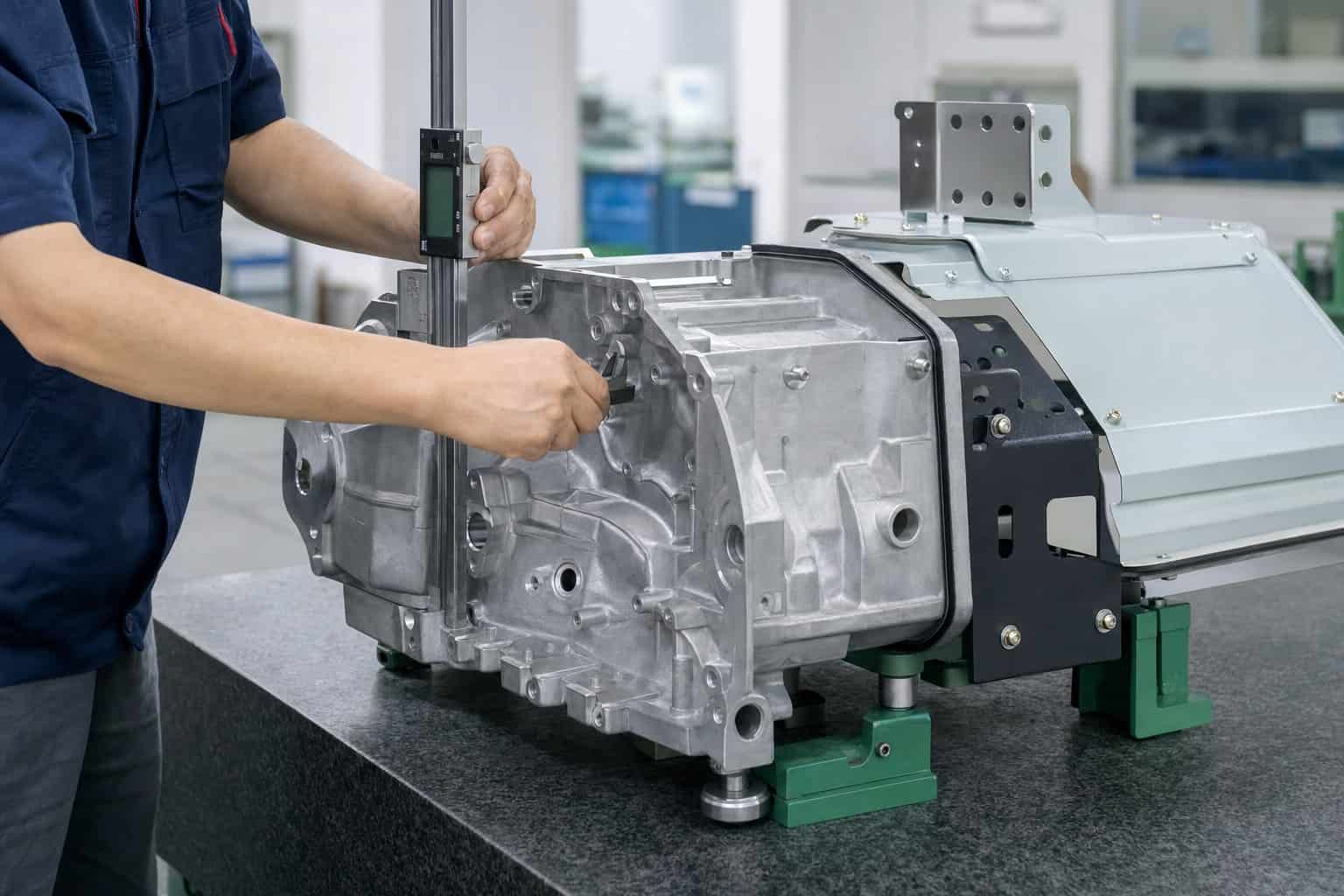
Choose practical datums, fixture the component around functional surfaces and verify the machined result after the relevant operations.
03
Flash and parting-line interference
WHAT IT CAN CAUSE
Poor fit, unsafe edges, visible defects or extra manual rework.
HOW THE PROJECT CONTROLS IT
Define acceptable process-mark locations and inspect the trimmed result at mating and handling areas.
04
Coating or plating changes the fit
WHAT IT CAN CAUSE
Threads, grounding points, sealing faces and assembled gaps no longer meet the approved condition.
HOW THE PROJECT CONTROLS IT
Specify masking, film build, contact faces and appearance before the finish route is released.
INSPECTION CONNECTED TO FUNCTION
Control the Cast, Machined and Assembled Conditions Separately.
Different risks become visible at different stages. The control plan follows the component through casting, secondary processing and final fit instead of relying on one final dimensional check.
01
As-cast review
Overall geometry, fill condition, flash, visible surface defects and features that influence trimming or machining.
02
Machined-feature review
Datums, bores, sealing faces, hole positions, threads and relationships between cast and machined geometry.
03
Finished-surface review
Color, texture, coating or plating coverage, masking, contact faces and cosmetic acceptance.
04
Assembly-fit review
Mating panels, brackets, shafts, seals, hardware, gap relationships and service access where included.
ISO 9001
Quality management system
RoHS
Restricted-substance requirements where applicable
START WITH THE FACTS THAT CHANGE THE TOOL AND PROCESS
Four Inputs Are Enough for a Useful First Review.
You do not need to complete a long supplier questionnaire. Send the current files and the project facts that affect alloy choice, tooling, secondary operations and acceptance.
01
Part drawing and 3D model
Current geometry, critical dimensions, datums and revision status.
02
Functional requirements
Loads, heat, sealing, visible faces, mating components and service environment.
03
Finish and assembly scope
Machining, threads, coating or plating, hardware and related metal parts.
04
Sample and order plan
Sample quantity, expected repeat demand, timing and packaging needs.
PRACTICAL QUESTIONS
Can we start with samples?
Yes. Tool-trial and production-intent samples can be reviewed before repeat orders are released.
Can Yishang supply a standard die-cast product?
Standard or existing-tool components can be reviewed when they match the application or require machining, finishing, metal integration or assembly. The main service remains drawing-based B2B manufacturing.
Is die casting performed inside Yishang's metal factory?
No. Die casting is coordinated through a suitable production partner. Yishang manages the project connection and any approved secondary processing, fabricated metal parts, inspection, packing and delivery scope.
TOOLING DECISIONS SHOULD FOLLOW THE FINISHED COMPONENT
Send the Casting Model and Show Us What It Must Fit, Seal or Carry.
We will review the component around tooling, downstream processing and assembly, then return with a practical sample-to-production route.