
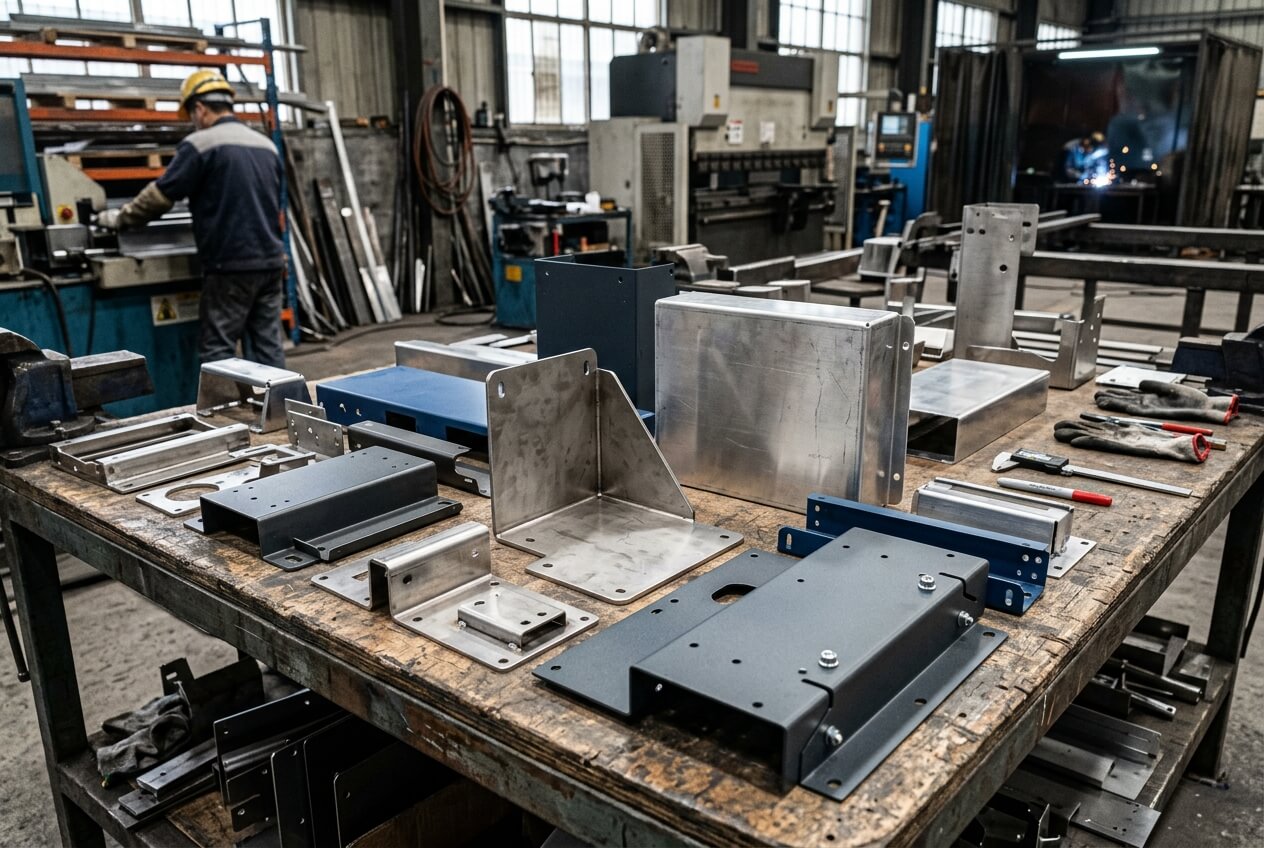
Two suppliers can quote the same bracket, housing insert, or mounting ear and still price two different jobs. One may assume metal forging plus trimming and machining. Another may assume sheet metal fabrication, with laser cutting, bending, welding, and coating. If the RFQ leaves that open, the low number may only reflect a different process route.
That is the procurement risk buyers miss most often. The part may be strong enough either way, but the quote changes when the supplier fills in missing assumptions. If the drawing does not lock the process, the finish, the final holes, and the assembly interface, the buyer is not comparing real alternatives. The buyer is comparing guesswork.
This matters for OEM brackets, sheet metal parts, metal enclosures, frames, and welded assemblies. It also matters when a project starts with a prototype and then moves to batch production. A clean sample can hide a lot of process risk. Yishang often sees this when buyers ask for drawing review before award, because the question is not only how to make the part. It is whether the part should be forged at all.
Where RFQ Assumptions Split Metal Forging and Fabrication Into Different Quotes
The cost problem usually starts before pricing begins. A buyer sends a drawing and asks for a quote, but the drawing does not say enough about the production route. One supplier sees a forged part with machining allowance. Another sees a fabricated part with welded features. A third may assume the supplier can choose either route. The quotes then look comparable even though each one carries a different workload and a different risk profile.
Metal forging becomes especially hard to quote when the RFQ does not freeze the part boundaries. Is the hole final as-forged or machined later? Is the face cosmetic or functional? Is flash removal included? Does the part need straightening before coating? If those points stay open, the supplier has to build a safety margin into the number or leave scope out of the price. Either result hurts the buyer.
The first decision is not cost. It is process identity.
For simple geometry, a fabricated route may deliver the same function with less tooling exposure. For a thick, load-bearing shape, forging may still make sense. The buyer should force the decision early because the process route drives die cost, setup time, machining, inspection, and even lead time. If the route is still undecided, the safest RFQ asks the supplier to price both options separately.
Project example: An equipment maker requested a forged support ear for a service cabinet. One supplier priced hot forging plus secondary machining. Another priced a laser-cut and bent bracket with a welded boss. The second quote looked lower, but it only worked because the part did not need grain flow. Once the buyer froze the function instead of the process, the fabricated route became the better commercial choice.
Freeze the scope before you chase unit price
Buyers should define which features are final in the blank state and which features are final after machining or welding. They should also state the expected quantity split between prototype and batch order. That keeps tooling amortization visible and prevents a supplier from hiding die cost inside a unit price. When Yishang reviews RFQs at this stage, the goal is simple: make every quote answer the same question.
Why the Wrong Process Route Adds Hidden Cost to Metal Forging
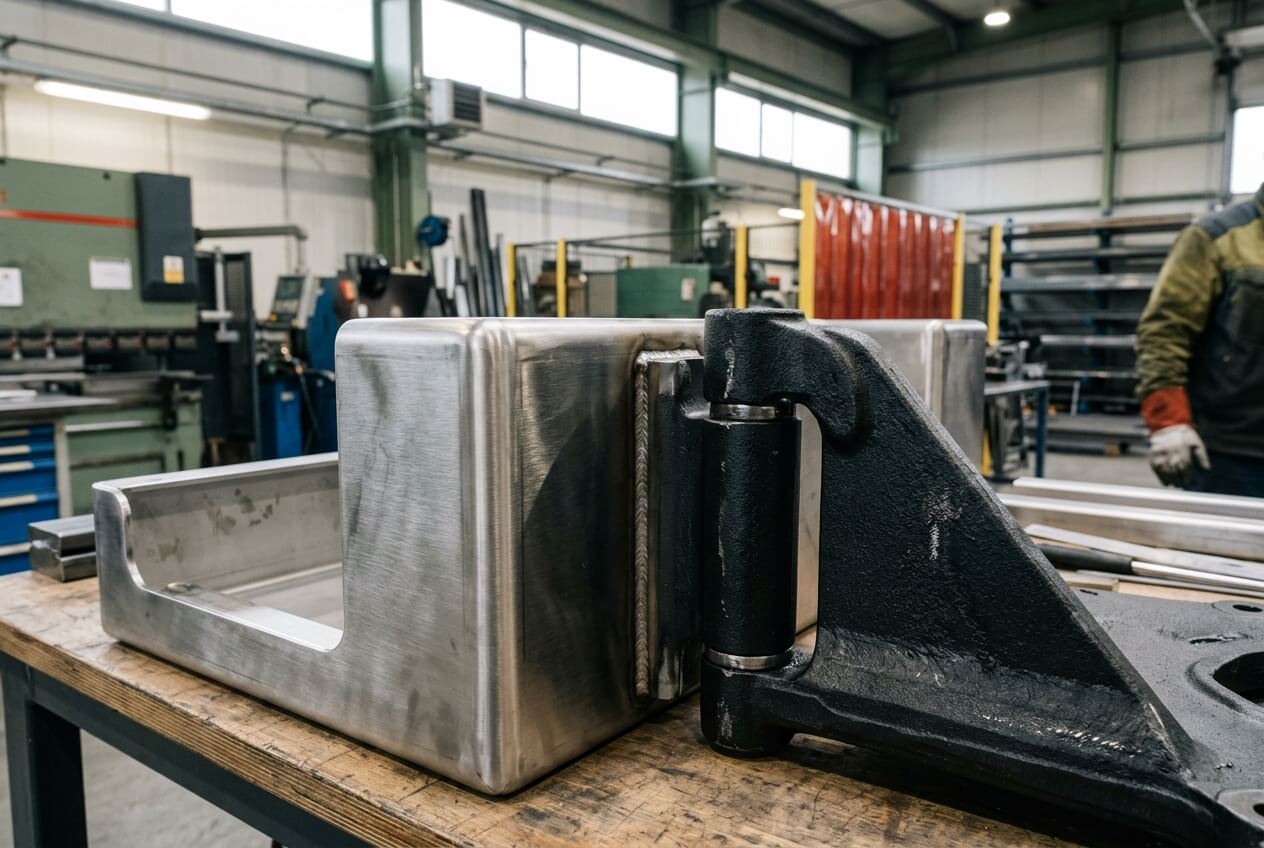
The wrong route rarely fails at the quotation stage. It fails later, when the part needs extra work that nobody priced cleanly. Hot forging, warm forging, and cold forging each create different costs, different surface conditions, and different dimensional behavior. A buyer who asks only for metal forging may get a quote that is technically correct but commercially misleading.
Hot forging can form heavier shapes and reduce forming resistance, but it also leaves more scale and often needs more cleanup. Warm forging sits between hot and cold routes. Cold forging can improve accuracy and surface finish, but it depends on the alloy and geometry. If the material is not ductile enough, the risk shifts from price to cracking or rejects. Those rejects often appear only after the supplier has already committed time and tooling.
That same logic applies when the part could be sheet metal fabrication instead. A cabinet frame, a rack upright, or a welded support often benefits more from laser cutting and forming than from forging. In those jobs, a forging route may add die cost without adding useful value. The buyer pays for strength that the design does not need.
Cost does not stay in the press room
The real price includes trimming, straightening, machining, and inspection. If the part needs tight hole location or a flat mating face, the supplier may need extra machining after forging. If the face will be powder coated, the supplier may need more surface prep. If the shape must align to a fabricated enclosure, the supplier may need a tighter fixture plan. Each of those steps extends lead time and increases the chance of a scope dispute later.
Project example: A buyer sourced a mounting block for a welded machine frame. The first quote assumed minimal machining after forging. The production sample fit poorly because the mating face was never defined as functional in the RFQ. The supplier had to add machining, the schedule slipped, and the original low quote stopped being low. The issue was not the metal forging process itself. The issue was an incomplete process description.
To avoid that problem, buyers should ask the supplier to show the assumed route in writing. If the quote says forged, it should also state whether trimming, milling, drilling, deburring, and coating preparation are included. If the quote says fabricated, it should show the weld sequence, the forming method, and the finish standard. That detail matters more than a small unit-price difference.
When Finish and Machining Choices Break Assembly Fit
The next risk appears when the part has to fit something else. A forged piece that looks fine on its own can still fail in assembly. The problem usually starts with loose tolerance language, vague machining notes, or an unclear mating condition. A supplier may hold the outside shape but miss the face that actually controls the fit.
Assembly fit matters most for brackets, enclosures, and frames. A mounting ear may bolt to a panel and look acceptable in a sample. Then the batch run lands a fraction off, and the bolt pattern fights the mating part. A formed panel may close cleanly on a prototype, then bind once coating adds thickness or once the batch follows the normal process instead of the hand-finished sample.
Buyers often focus on the part drawing and forget the real interface. The part may meet the drawing and still miss the assembly. That gap appears when the assembly datum, the machined face, and the coating build-up were never discussed together. The supplier then has to guess which surface matters most.
Visible surfaces need a different standard than hidden ones
Cosmetic surfaces and functional surfaces are not the same thing. A visible face may need better cleanup before coating or polishing. A mating face may need a machining allowance that protects flatness and location. A hidden bracket edge may tolerate a rougher state if it never touches another part. Buyers should separate those expectations early, especially on parts that mix fabricated and forged features.
A buyer who sources metal enclosures or welded assemblies should also state whether the fit will be checked against a mating part, a fixture, or only the drawing. That one decision can change the tolerance target, the inspection method, and the risk of rework after first article approval. Yishang usually asks for the mating context when reviewing drawings because the drawing alone does not always show the real constraint.
Why Prototype Approval Can Still Fail in Batch Production
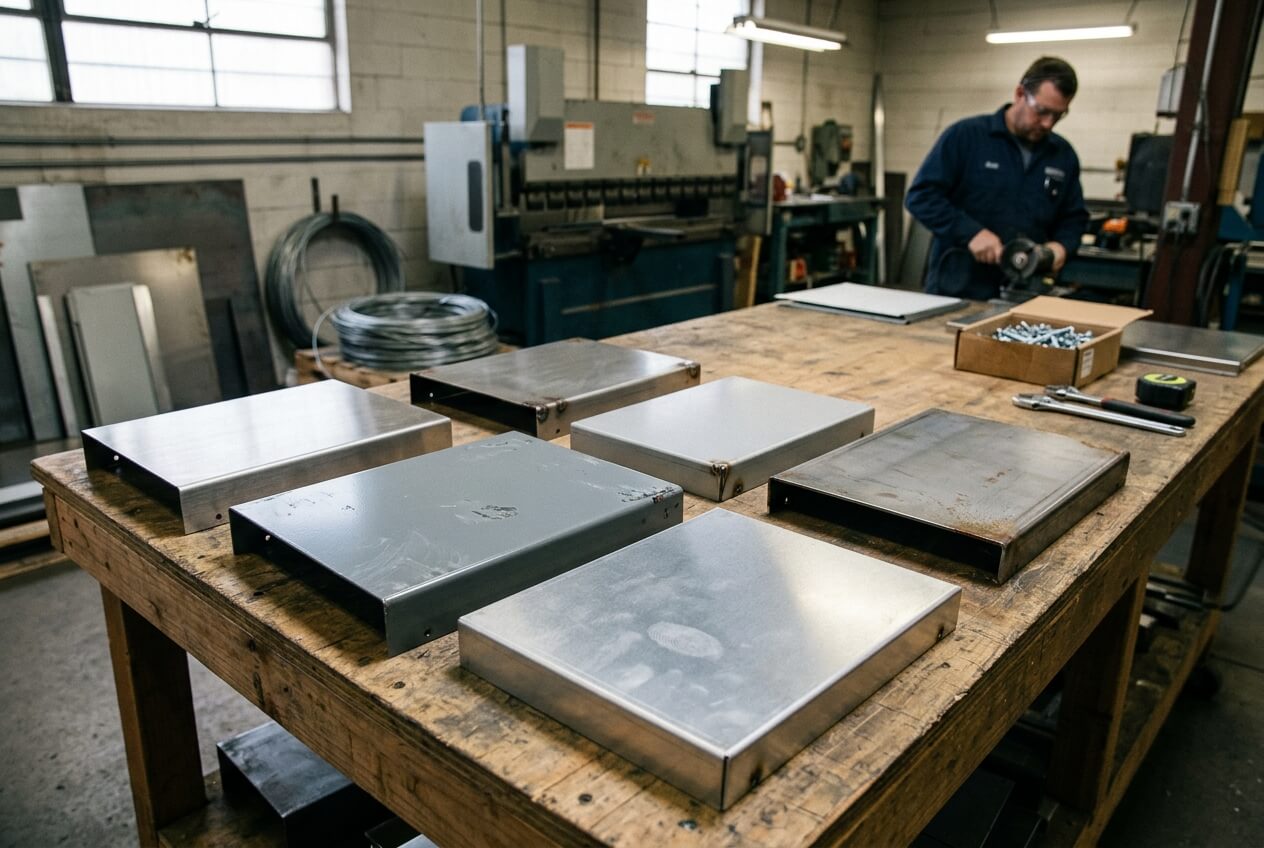
A clean sample can create false confidence. Prototype parts often receive extra hand work, more careful sorting, or a different machining allowance than the production run. Once the order moves into volume, the same part may come from a different die condition, a different setup window, or a different material lot. The first article passed because it was not made the same way as the batch.
This is where metal forging projects can drift badly. The sample may fit because the supplier manually corrected the face, adjusted the hole, or removed more material than planned. In volume, those extra minutes disappear. The part still looks good, but the batch no longer matches the mating frame or enclosure. That turns a production order into a sorting and rework problem.
Prototype-to-batch inconsistency is especially risky in mixed builds. A forged connector may join a fabricated rack. A bracket may mount inside a powder-coated cabinet. A support piece may sit on a welded base frame. Small changes in hole position, flatness, or post-process cleanup can break the assembly even when the individual part still passes inspection.
Ask how the sample was actually made
Buyers should not accept a prototype without understanding the route behind it. Was the same tooling used? Was the same alloy used? Was the same machining allowance used? Was the same coating method used? If the sample was hand-finished or reworked outside the normal route, it should not be treated as proof that the batch will behave the same way. That question protects the schedule as much as the part quality.
Project example: A buyer approved a forged latch component for a sheet metal enclosure after one sample fit perfectly. The batch later failed to align with the enclosure cutout because the prototype had been corrected by hand. The supplier had not hidden the issue; the RFQ had never required a production-identical sample. A clearer approval plan would have exposed the risk before tooling moved forward.
When batch repeatability matters, buyers should ask for a production-intent sample, not just any sample. They should also request the same inspection method that will run in volume. That closes the gap between the sample and the order.
What to Freeze Before You Compare Supplier Quotes
The safest RFQ does not try to solve every design question. It freezes the few details that create the biggest quote drift and the most expensive production mistakes. For a forged or fabricated part, that usually means the process route, the material condition, the final features, the finish expectation, and the quantity split between prototype and batch. Without those points, suppliers are free to price different work.
This is also where supplier communication matters. A short clarification round is often cheaper than a late change order. Buyers should ask for assumptions in writing and compare those assumptions line by line. If one supplier includes machining and another does not, the unit price means very little. If one supplier expects a cosmetic coating and another expects only a functional finish, the lead time will also differ.
For projects that sit between forging and fabrication, Yishang can review drawings, quantities, material requirements, tolerances, and finish expectations before the RFQ goes out. That does not replace engineering decisions. It helps buyers compare the right options and reduce the chance of quoting the wrong process.
Before release, the RFQ should make the supplier answer these points clearly: what the process route is, what is final after forging or forming, what gets machined or welded, what finish the part must carry, and how the sample will relate to production. If a supplier cannot quote from that information, the buyer does not yet have a stable basis for award.
In practical terms, the safest buyer behavior is simple. Send the drawing, material requirements, quantities, tolerances, and finish expectations together. Ask the supplier to confirm any assumption that could change cost, lead time, or assembly fit. Then compare quotes only after every offer reflects the same production path. That is the only way to judge metal forging against sheet metal fabrication on equal ground.
Frequently Asked Questions
Why do metal forging quotes for the same bracket vary so much?
The quotes usually differ because each supplier is assuming a different process route or a different amount of secondary work. One may include trimming and machining, while another may assume the buyer will accept a rougher blank. The drawing often leaves enough room for those differences.
When should a buyer compare metal forging with sheet metal fabrication instead of asking for forging only?
Compare both routes when the part is basically a support, frame member, enclosure feature, or welded connection rather than a shape that truly needs forged grain flow. Fabrication can remove tooling risk and still meet function. The buyer should compare strength, fit, finish, and batch repeatability together.
What details most often cause assembly fit problems after forging?
Loose tolerance notes, unclear machining allowance, and vague mating-face requirements cause the biggest problems. A part can match the drawing and still miss the actual assembly if the wrong face controls location. Buyers should always state the mating part or fixture when fit matters.
Why can a forged prototype pass but the batch still fail?
Prototype parts often receive extra hand finishing or a different setup than production parts. Batch runs follow the normal route, so they may not match the sample exactly. Buyers should confirm that the sample was made with production-intent tooling, material, and inspection.
What should be sent in the RFQ to avoid hidden cost later?
Send the drawing, material requirement, quantity split, tolerance notes, finish expectation, and any assembly or prototype comments. Those details help the supplier price the real job instead of guessing the process. They also make quote comparisons much more accurate.
Can Yishang help if the buyer is still deciding between forging and fabrication?
Yes. Yishang can review drawings and production intent before quoting, which helps identify whether the part is better suited to metal forging or to sheet metal fabrication. That early review is most useful when the buyer needs a practical comparison of manufacturability, fit, finish, and batch consistency.