
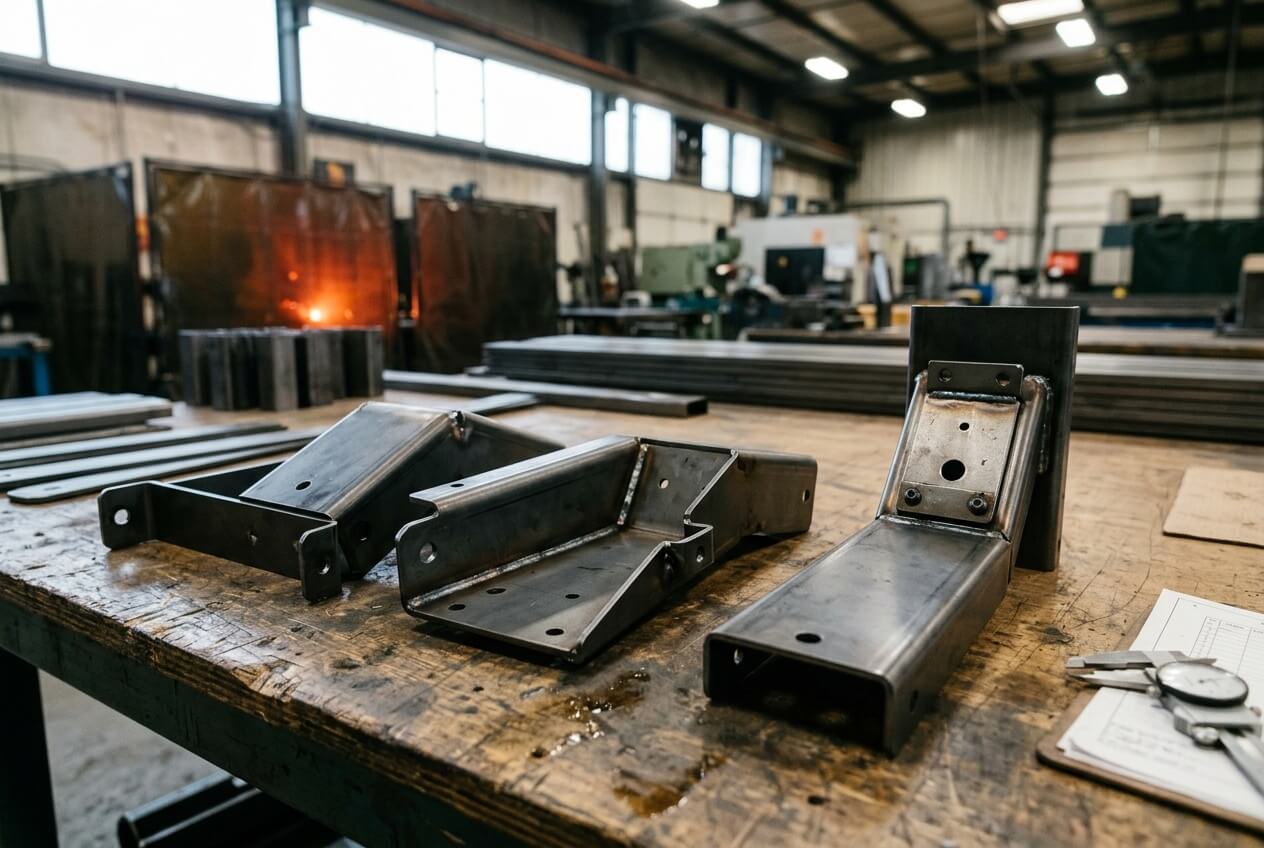
A buyer often starts with one simple question: what is ferrous material? In sheet metal fabrication, the answer is straightforward. Ferrous materials contain iron. That includes mild steel, cold rolled steel, galvanized steel, and most stainless steels. Yet procurement problems rarely start with the definition. They start when the RFQ uses that definition as a substitute for real manufacturing requirements.
One enclosure drawing may ask for steel, another may ask for stainless, and a third may ask for corrosion resistance without saying where the risk comes from. Then suppliers quote different assumptions. One prices a coated mild steel part. Another prices stainless because the environment is unclear. A third adds masking, deburring, or weld repair because the drawing does not identify which surfaces matter. The buyer thinks the quotes are competing. In reality, the suppliers are solving different problems.
That is the hidden risk in ferrous material sourcing. The material label is not the decision. The decision is whether the part needs strength, appearance, corrosion protection, magnetic behavior, or low cost. If the RFQ does not separate those priorities, the quote becomes a guess. A manufacturing partner such as Yishang can review drawings and help translate that guess into a buildable spec, but the buyer still needs to set the right procurement target first.
Where RFQ Assumptions Start to Distort Ferrous Material Quotes
Most quote problems begin before the supplier touches a machine. The RFQ says steel, but it does not say why steel is required. It says powder coated, but it does not identify which faces are visible after assembly. It lists tolerances, but it does not explain which dimensions control fit. Each missing detail gives the supplier room to make a different assumption.
That is why a low quote can be misleading. The supplier may assume indoor use, basic cold rolled steel, standard coating, and loose cosmetic control. Another supplier may assume outdoor exposure, better edge protection, and tighter inspection. Both suppliers can be right from their own perspective. Neither quote is useful if the buyer wanted the same target from both sides.
The problem gets worse when a drawing mixes critical and non-critical requirements. A front panel may need a clean appearance and accurate hole position. An internal bracket may only need strength and location. If the RFQ treats both parts the same, the quote inflates. If the RFQ ignores the front panel finish, the quote may look cheap and still fail during assembly or customer review.
The quote gap often starts with one missing sentence
One sentence can change the entire price. ‘Indoor cabinet for electronic equipment’ tells the supplier something very different from ‘outdoor service near moisture and frequent handling.’ The first may allow powder coated mild steel. The second may force more corrosion protection, different edge treatment, and more careful packaging. The geometry does not change. The risk does.
Short project example: a buyer requested quotes for a wall-mounted electrical enclosure. The drawing showed the box size, hinge locations, and a front door cutout. It did not say whether the enclosure would sit in a dry control room or near a production line wash area. One supplier priced standard powder coated steel. Another priced stainless steel. A third included extra masking for threaded inserts. The quote spread looked like a supplier gap, but it was really an RFQ gap.
When that happens, procurement compares numbers that do not measure the same thing. The buyer may award the lowest price, then face rework, extra lead time, or a finish that does not meet the actual environment. The fix is to describe the use case early, not after the first round of quotes.
Why a Material Name Alone Does Not Protect the Buyer
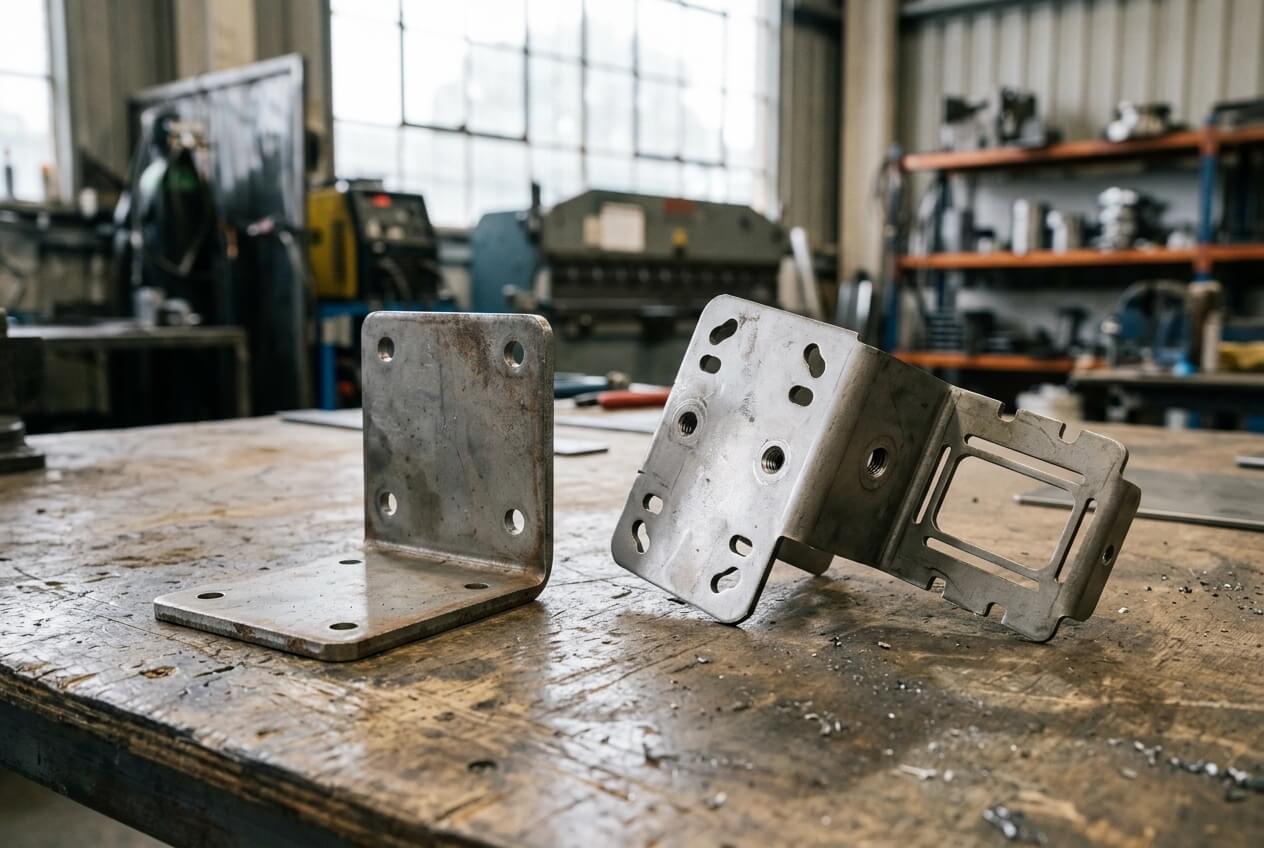
Ferrous material is a broad category, and the sub-type matters. Cold rolled steel offers a clean forming base and a predictable cost structure. Galvanized steel adds zinc protection, but it changes welding and finishing decisions. Stainless steel helps with corrosion resistance and exposed appearance, but it often raises cost and can require more careful handling. Each choice affects cutting, bending, welding, surface prep, inspection, and packaging.
Buyers sometimes overcorrect by naming the most durable option everywhere. That seems safe, but it can waste money. A hidden support bracket inside a cabinet may not need stainless steel if powder coated mild steel can do the job. The visible front trim, however, may need better surface quality or a different finish. If the buyer applies one material rule to all parts, the quote becomes heavier than the real risk.
The opposite mistake is just as common. A buyer asks for ‘steel’ and assumes the fabricator will choose the right grade. The supplier may choose a lower-cost option that still meets the drawing, but not the application. For example, a welded frame in a humid space may need more corrosion planning than a dry indoor bracket. If the environment is not stated, the buyer owns the mistake later.
Where the real decision sits
The real decision is not ferrous versus non-ferrous. It is which failure the buyer wants to prevent. Corrosion? Magnetic requirements? Load? Cosmetic visibility? Cost pressure? That answer determines whether the best choice is cold rolled steel, galvanized steel, stainless steel, or another material family entirely.
Short project example: a retail display frame needed a stainless look at the customer-facing edge, but the internal support tubes were hidden. The buyer originally requested stainless for the whole frame. After a drawing review, only the visible strips needed that finish. The hidden structure could use coated steel. The project kept the appearance target and reduced unnecessary material cost. This is the kind of decision Yishang can help review when the buyer sends a real drawing instead of only a material name.
In procurement terms, the safest RFQ language does not say ‘use steel.’ It says why steel is required, where the finish matters, and which zones can be optimized. That keeps the quote focused on the actual performance target.
How Finish and Surface Expectations Change the Real Quote
Finish assumptions can change the quotation as much as material selection. Powder coating, plating, brushing, deburring, welding cleanup, masking, and thread protection all add cost when the supplier believes they are mandatory. The problem is not that those steps are expensive. The problem is that buyers often fail to say which surfaces need them.
Visible surfaces and hidden surfaces should not carry the same standard unless the product truly needs it. A front door on a cabinet may need smooth coating, consistent color, and careful edge treatment. An internal bracket may only need functional protection. If both surfaces receive the same cosmetic requirement, the quote rises fast. If both surfaces are left vague, the supplier may save cost where the buyer expected quality.
Galvanized parts need special attention here. Zinc helps with corrosion resistance, but welding can damage the coating near seams and cut edges. Some suppliers include post-weld repair or extra prep. Others quote only the base fabrication. The buyer sees a price difference and assumes one supplier is expensive. In truth, one quote may simply include a realistic finish path.
Small clearance errors become assembly delays
Finish also affects fit. Powder coating adds thickness. That extra build-up can matter around hinges, slots, threaded inserts, and mating covers. A door that fits before coating may bind after coating. A bracket that aligned during prototyping may need rework once the finish is applied. If the drawing does not define the finish-critical areas, the buyer discovers the problem during assembly, not during quoting.
Short project example: a buyer ordered a coated enclosure with several threaded inserts. One supplier assumed the threads would be tapped after coating. Another assumed the threads would be masked. A third assumed coating into the threads was acceptable. The unit prices varied, but the hidden risk was assembly time. Once the buyer clarified the thread protection requirement, the quotes became comparable and the production plan became realistic.
This is why finish should never be treated as a decorative afterthought. It changes process time, inspection effort, and the chance of rework. Buyers should identify visible faces, hidden faces, hole protection, edge quality, and any coating restrictions before comparing suppliers.
When Tolerance Choices Turn Into Fit Problems Later
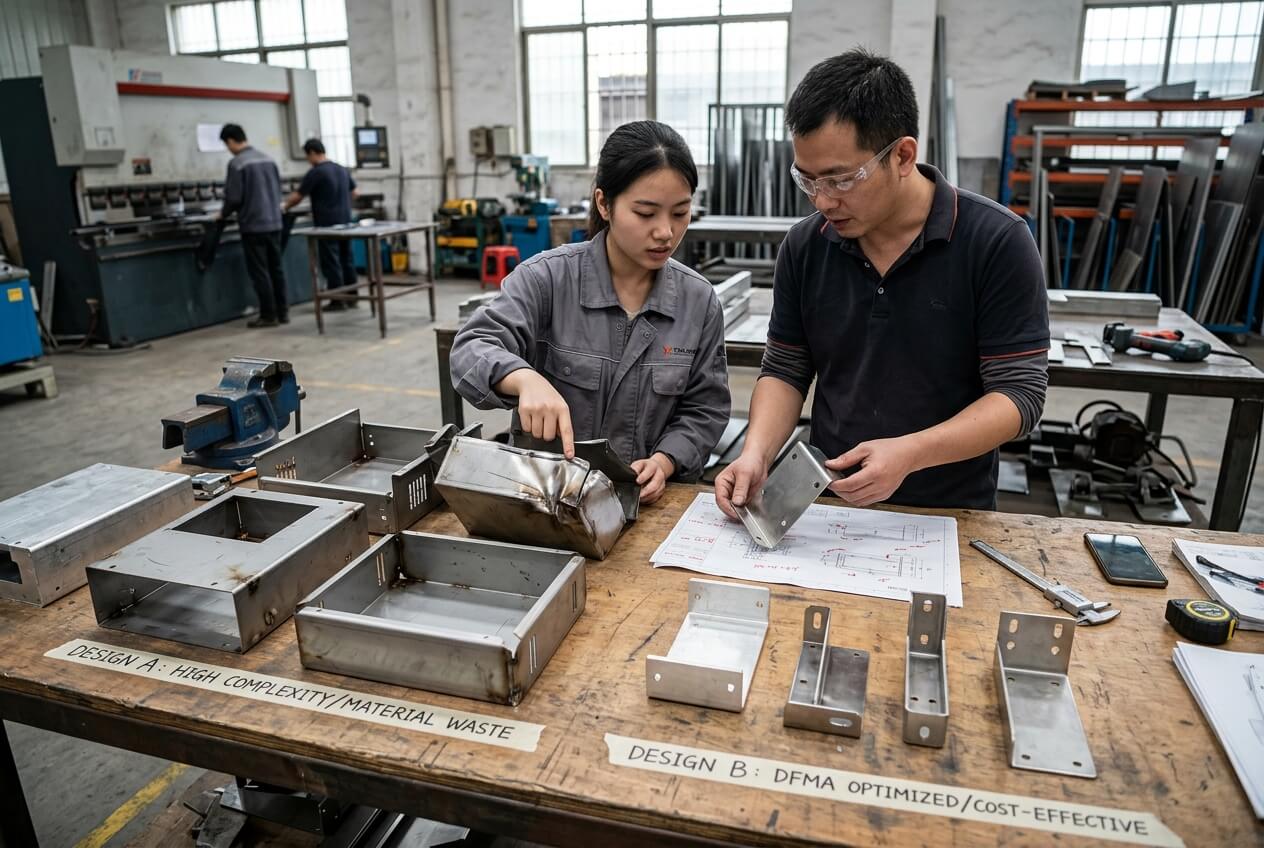
Tolerance is one of the fastest ways to create a false low quote or an inflated one. Tight tolerances drive more inspection and more process control. Loose tolerances can hide fit risk until the parts reach assembly. The mistake is not choosing tight or loose. The mistake is applying the same tolerance logic to every dimension.
In sheet metal parts, not all dimensions carry the same weight. Hole patterns that meet mating parts matter more than an overall length that does not affect fit. Bend angles may matter more than panel height. Flatness at mounting points may matter more than a cosmetic corner. If the RFQ does not separate those needs, suppliers either overquote or underquote.
Welded assemblies create even more risk. Heat can pull a frame out of square. Coating can add thickness where hinges or covers need clearance. A part may look perfect as a flat blank and still fail at assembly. By the time the buyer finds that problem, the cost is no longer only the part price. It includes rework, inspection delays, and schedule pressure.
Prototype fit is not batch fit
Prototype approval can hide tolerance problems. A sample part often benefits from hand adjustment, one-off checking, or extra attention from the operator. Batch production does not work that way. Once the order reaches dozens or hundreds of pieces, the process must repeat without manual rescue.
That is where procurement should ask a harder question: which dimensions were hand-corrected on the sample? If the answer is unclear, the batch quote may not match the batch reality. A supplier may need fixtures, revised bend allowances, or clearer datum control. Without that information, the buyer may approve a prototype that cannot scale.
A good drawing review focuses on fit points first. Which holes locate the assembly? Which faces mate with another part? Which welds affect squareness? Which dimensions can move without changing function? A shop like Yishang can review those questions during manufacturability checks, but the buyer should still carry the assembly risk in the RFQ.
When the buyer defines fit-critical dimensions early, the quote becomes more stable and the batch process becomes more repeatable. That is better than chasing the lowest sample price and discovering later that the production lot needs extra intervention.
What Buyers Should Lock Before They Compare Quotes
Once the buyer understands the real risk, the RFQ should reflect it. Start with the drawing, but do not stop at geometry. State the material reason, not only the material name. Define which surfaces are visible, which are hidden, and which are functional. Identify the dimensions that control assembly. Add quantities, finish expectations, and any prototype notes that already changed the design.
This does not mean the RFQ must become a full engineering report. It means the supplier should not have to guess which requirements are fixed. A clear RFQ lets each supplier quote the same target. That gives procurement a fair comparison and reduces the chance of surprise costs later. It also shortens the back-and-forth that often delays release.
If you are comparing steel, stainless steel, galvanized steel, and aluminum options, ask every supplier to price the same scope. Confirm what each quote includes for coating, masking, weld cleanup, packaging, and inspection. If one supplier includes those items and another does not, the price gap is not a real market signal.
For buyers working on custom sheet metal fabrication, the right next step is often a drawing review before the first quote round closes. If the part is a metal enclosure, bracket, frame, or welded assembly, send the drawings, material requirements, quantities, tolerances, and finish expectations together. Yishang can review those inputs and help separate the fixed requirements from the flexible ones so the quote reflects the actual build, not a hidden assumption.
If your RFQ still says only ‘steel’ or ‘ferrous material,’ send your drawings, material requirements, quantities, tolerances, finish expectations, visible-surface notes, and prototype feedback to Yishang. A focused RFQ helps the supplier quote the same target and helps procurement compare real fabrication cost instead of assumption-driven price differences.
Frequently Asked Questions
What is ferrous material in sheet metal fabrication?
Ferrous material is any metal that contains iron. In sheet metal work, that usually includes mild steel, cold rolled steel, galvanized steel, and many stainless steels. Buyers still need to state why they want it, because the material choice affects corrosion performance, welding behavior, appearance, and cost.
Is stainless steel always the safest option for a ferrous sheet metal part?
No. Stainless steel improves corrosion resistance and exposed appearance, but it is not always the best buying choice. Hidden brackets, internal supports, or indoor parts may work well in coated steel. The safer option is the one that matches the environment, the load, and the finish requirement.
Why do galvanized steel quotes vary so much between suppliers?
Galvanized steel adds zinc protection, but welding, edge treatment, and coating repair can change the process route. Some suppliers include those steps in the quote. Others do not. That is why buyers should confirm whether cut edges, weld zones, and masked areas are part of the scope.
What should buyers clarify before approving a prototype?
Buyers should record which dimensions control fit, which surfaces are cosmetic, which areas were hand adjusted, and which finish defects were accepted on the sample. If those details are not written down, batch production may repeat a sample that depended on manual correction.
How can buyers compare steel and aluminum quotes fairly?
They should compare the same thickness, geometry, finish, inspection level, packaging, and assembly scope. If one supplier quotes coated steel and another quotes bare aluminum with different handling needs, the numbers do not reflect the same job.