
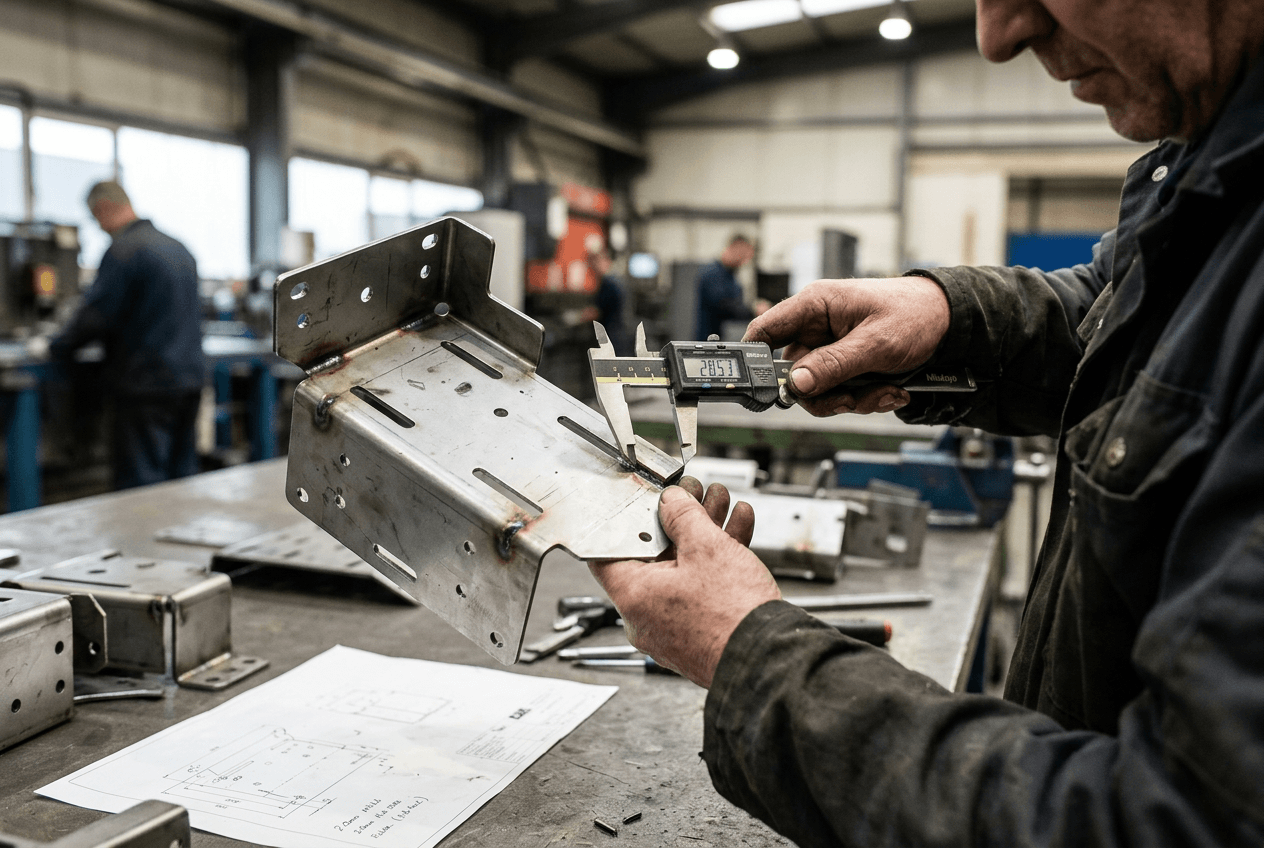
An OEM buyer can approve a drawing, compare three quotes, and still lose the project on the shop floor. The part may look simple in the flat blank. Then the first batch arrives with doors that rub, brackets that sit off center, or frames that need hand fitting. The root problem is often not the metal part itself. It is the RFQ assumption about which features matter most.
That is where design for manufacturability becomes a procurement risk, not just an engineering exercise. If the RFQ does not say which dimensions control assembly, appearance, and repeatability, suppliers will quote and inspect different things. One may protect overall size. Another may focus on hole position after forming. A third may assume the buyer will accept normal fabrication variation. The result looks like a price gap, but it is really a definition gap.
This matters most in custom sheet metal fabrication, where one small missed callout can affect the whole batch. Enclosures, brackets, frames, and welded assemblies rarely fail because the drawing is missing every detail. They fail because the buyer did not rank the critical features before asking for price.
When the RFQ Treats Every Dimension as Equal, Quotes Stop Comparing the Same Part
A sheet metal drawing can be complete and still be vague in commercial terms. The geometry may be there. The material may be there. The finish may be there. Yet the RFQ may never say which dimensions decide whether the part fits a PCB, clears a hinge, or lands on a machine base. When that happens, each supplier builds its own interpretation of the job.
That is how procurement gets distorted. One supplier quotes a basic bend-and-drill process with a simple check on overall size. Another assumes the functional hole pattern needs a fixture after forming. A third sees cosmetic risk and prices extra handling for visible surfaces. All three can claim they reviewed the same drawing, but they are not quoting the same control plan.
The buyer usually sees only unit price and lead time. The lower quote often wins, because the hidden assumption does not show up until first articles or batch assembly. Then the project team discovers that the cheap quote did not include the checking needed to protect fit. At that point, the argument shifts from procurement to blame.
A good manufacturability review separates general dimensions from functional dimensions. The outside size of a cover may matter less than the hinge hole position and door gap. The overall width of a bracket may matter less than the hole-to-bend distance that aligns with the mating rail. The visible finish may matter less than the mounting plane that has to sit flat on the customer’s equipment. When buyers mark those features early, suppliers can quote the same part with the same risk level.
Short project example: a German OEM requested a powder coated steel enclosure with a removable rear panel and PCB standoffs. The print showed all the geometry, but it did not rank the mounting holes that controlled board fit. One supplier quoted fast. The batch arrived, and the panel only fitted after light rework because the standoff locations had drifted with bending and coating. The part was manufacturable. The RFQ was not production-ready.
Mark the features that control assembly first
In practice, the buyer should identify the few features that decide acceptance. For an enclosure, that may be hinge spacing, door gap, panel flushness, and board clearance. For a bracket, it may be hole position relative to a bent flange. For a frame, it may be squareness and mounting plane flatness. Those notes belong in the RFQ, not only in internal engineering comments.
This is also where Yishang can be useful as a review point. If the drawing arrives with critical features clearly marked, the manufacturability discussion can focus on process risk instead of guesswork.
The Small Tolerance That Becomes a Big Batch Problem After Bending, Welding, or Coating
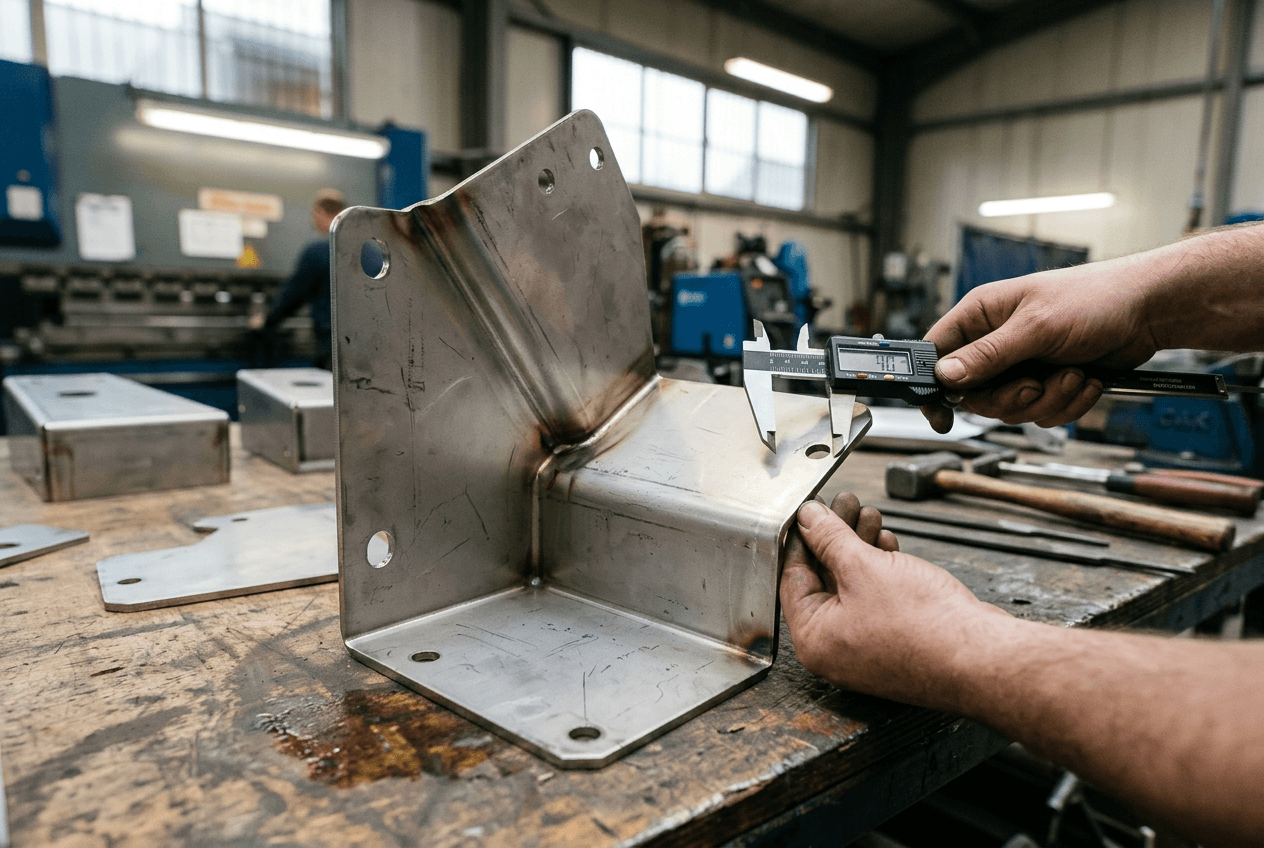
Tolerance decisions look technical, but they are really control decisions. A tolerance that seems harmless on paper can become expensive after forming or welding. Sheet metal changes shape during bending. Weld heat moves parts. Powder coating adds build-up. Any one of those steps can shift the feature that actually matters to assembly.
The biggest mistake is to apply one tight standard everywhere. That often forces the wrong control. Buyers may protect a length that never affects fit, while the hole pattern that aligns to the mating component gets too little attention. The quote may stay low, but the production risk rises.
For a laser cut and bent stainless bracket, a hole can be accurate in the flat blank and still land wrong after the bend. For a welded frame, the side length may meet spec while the mounting plane twists just enough to make the assembly rock. For a powder coated housing, the panel may fit before finish but bind once coating builds around the edge and screw holes. None of these issues appear dramatic in isolation. Together, they can stop a batch.
Buyers should choose the datum that matches how the part will be assembled and inspected. If the customer installs the part from a base plate, then the base plate contact face should usually drive the inspection, not a convenient cut edge. If a door closes against a front frame, then the door opening and hinge reference need priority. If a welded assembly mounts into a larger machine, then the mounting plane matters more than the raw outside length.
Short project example: a metal cabinet for a control module used a removable top cover with perimeter screws. The prototype looked perfect, because the shop adjusted the cover by hand. The batch did not enjoy that flexibility. Once powder coating built up on the edges, the screw pattern tightened and the cover sat unevenly. The buyer had approved a sample, but not a repeatable control method.
Pick the datum the buyer will actually assemble from
This point is where procurement and engineering meet. If the RFQ gives suppliers the wrong reference, they will measure the wrong surfaces. A hole pattern measured from a laser edge may pass while the same hole pattern measured from the formed flange fails. That difference can turn into a dispute even when both sides believe they are reading the drawing correctly.
When the buyer defines the datum early, the supplier can decide whether standard production is enough or whether the job needs fixtures, tighter bend control, or more inspection. That makes the quote more honest and reduces the chance of a late-stage correction.
Prototype Approval Can Freeze the Wrong Assumptions If the Batch Rules Never Get Written Down
Prototype approval feels reassuring because the sample fits and the finish looks acceptable. The problem is that the sample often receives extra care. An operator may hand adjust a flange. A welder may slow the sequence. A finisher may spend more time on visible surfaces. None of that guarantees the batch will repeat the same result.
This is where many projects drift. The team approves the prototype based on appearance and fit, then assumes the supplier will carry those lessons forward automatically. In reality, the production order may rely on a different fixture, a different operator, or a different coating setup. If the RFQ and sample report do not freeze the control points, the batch can wander away from the approved part.
A welded assembly for retail display equipment shows the risk clearly. The prototype may stand level in the supplier’s workshop. The batch may rock at the customer’s site because the mounting plane, cross-member location, and weld sequence were never defined as repeatable features. The drawing may still be technically correct. The release process was not.
Buyers should treat prototype approval as a transfer of knowledge, not a final stamp of quality. The sample should tell the supplier which dimensions were measured, what manual corrections were needed, and what variation the buyer accepted. If the prototype needed a wider slot, a changed bend relief, or extra coating clearance, that change should move into the controlled release package before production starts.
That is also the right time to ask whether the process used on the sample will match the batch. Laser cutting, punching, bending sequence, welding method, masking strategy, and coating thickness can all change between the prototype and production order. If they change, the buyer should expect a new review, not a silent carryover.
Turn sample feedback into batch instructions
Good sample approval leaves a paper trail that production can follow. It should state what passed, what was adjusted, and what must stay fixed. Without that record, the batch may follow the original drawing while ignoring the real-world correction that made the prototype work.
Yishang can support that handoff when buyers share the sample, mating-part photos, and the acceptance notes from the prototype run. That gives the manufacturability review a real target instead of a guess.
A Production-Ready RFQ Needs to Tell Suppliers What to Measure, What to Protect, and What Can Move
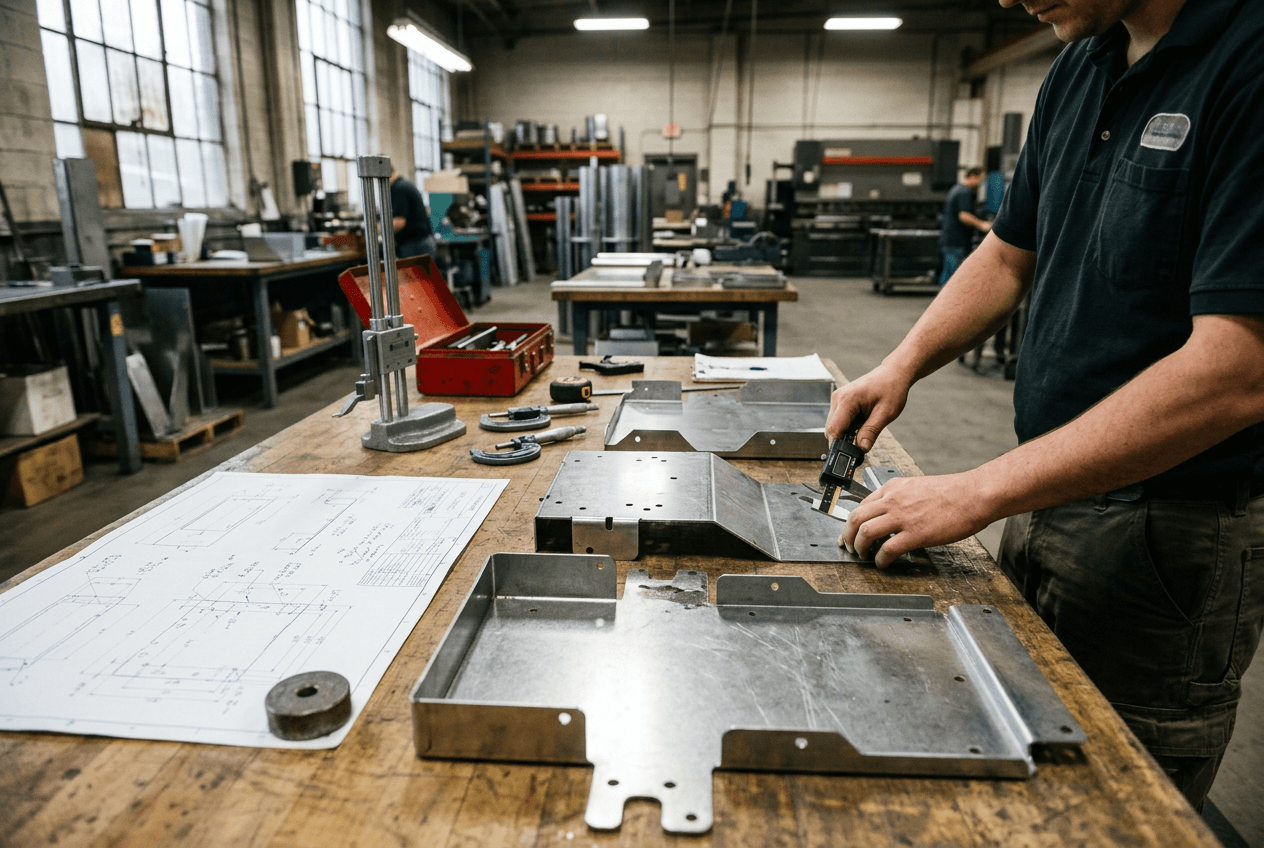
The cleanest RFQ is not the one with the most notes. It is the one that tells the supplier how the buyer will judge success. That means the drawing should separate critical features from normal variation, and the commercial package should show how fit, appearance, and repeatability will be checked.
Buyers often list material, quantity, and finish, then expect the supplier to fill in the rest. Those items matter, but they are not enough for a risk-free quote. Material choice affects bend behavior and weld response. Quantity affects whether the shop can use a fixture or run a small manual batch. Finish affects clearance, masking, and visible acceptance. If those points are not linked to the functional features, the quote can still miss the real workload.
The best RFQ packets for custom sheet metal fabrication usually include drawings with marked critical dimensions, material requirements, quantity range, tolerance notes, finish expectations, and any assembly photos that show how the part fits in the larger product. If the part will be repeated, the buyer should also state whether the prototype or first article becomes the reference for batch inspection. That small note can prevent a lot of rework later.
When the buyer shares this level of detail, the supplier can decide whether the design is friendly to fabrication or whether it needs adjustment. Maybe the bend relief is too tight. Maybe a weld tab should move away from a cosmetic face. Maybe a hole should shift so coating build-up will not choke assembly. Those are useful manufacturability conversations because they reduce cost without hiding risk.
Short project example: a bracket set for an industrial enclosure looked simple until the buyer added the mating board photos. The supplier saw that one mounting hole sat too close to a bend line after forming. The team adjusted the hole location before tooling, which avoided a batch of parts that would have needed sorting during assembly. That is the kind of fix design for manufacturability should produce.
What Buyers Should Lock Before Price Comparison Becomes a Production Commitment
Before a quote becomes a purchase order, the buyer should make sure the supplier can answer three questions without guessing: which features control fit, which process steps can move those features, and which inspection method proves the batch is acceptable. If those answers are unclear, the job is still in design review, not ready for procurement.
That does not mean over-engineering every dimension. It means choosing the right controls for the right risk. A cosmetic panel needs a clear appearance standard. A welded frame needs squareness and mounting-plane control. A bracket that carries a PCB needs hole position and clearance control. A removable cover needs repeatable gap control after finish. Each of those risks should be visible before the supplier locks price and process.
For buyers, the payoff is practical. A clearer RFQ reduces quote variance, makes process assumptions visible, and lowers the chance of surprise rework after the first batch. It also makes supplier communication more productive, because the conversation stays on functional risk instead of broad, vague quality language. That matters when procurement has to compare two or three suppliers and explain why one quote is not really lower once inspection, fixturing, and repeatability are counted.
If you are preparing a custom sheet metal RFQ and the critical fit points are not yet settled, send the drawings, material requirements, quantities, tolerances, and finish expectations to Yishang for a manufacturability review. Add any mating-part photos, prototype feedback, and assembly notes you already have. The goal is simple: make the supplier quote the part you actually need, not the part they had to guess at.
Frequently Asked Questions
Which dimensions should a design for manufacturability review mark first on a sheet metal part?
Mark the dimensions that control assembly, mating fit, and appearance. For an enclosure, that usually means hinge locations, door gaps, mounting planes, and panel clearance. For a bracket, it may mean hole-to-bend distance and flange alignment. Start there so suppliers quote the same functional part.
Why can two suppliers quote very different prices for the same drawing?
They may be assuming different inspection and process controls. One may use simple size checks, while another may plan fixtures, tighter bend control, or extra checks after welding or coating. When the RFQ does not define critical features, price differences often reflect different assumptions rather than different efficiency.
How does powder coating affect assembly fit after a prototype passes?
Powder coating adds thickness at edges, holes, and contact areas. A prototype may fit because someone adjusted it by hand, but the batch can tighten once coating is applied consistently. Buyers should specify clearance, masking zones, and any surfaces that must stay open for screws, slides, or grounding.
What should buyers ask for after prototype approval to protect batch repeatability?
Ask which dimensions were measured, what corrections were made, and whether the same process will run in production. If the sample needed manual adjustment, the buyer should turn that correction into a formal batch instruction or revised drawing note. Otherwise the batch may drift from the approved sample.
When should buyers send mating-part photos to Yishang?
Send them as soon as fit depends on another component. Photos help show how a hole pattern, bend, weld, or coating edge interacts with the real assembly. Yishang can use that information to review manufacturability, spot tolerance risk, and recommend clearer RFQ notes before the quote is locked.