
How Open Powder Coated Finish Scope Makes Quotes Look Comparable When They Are Not
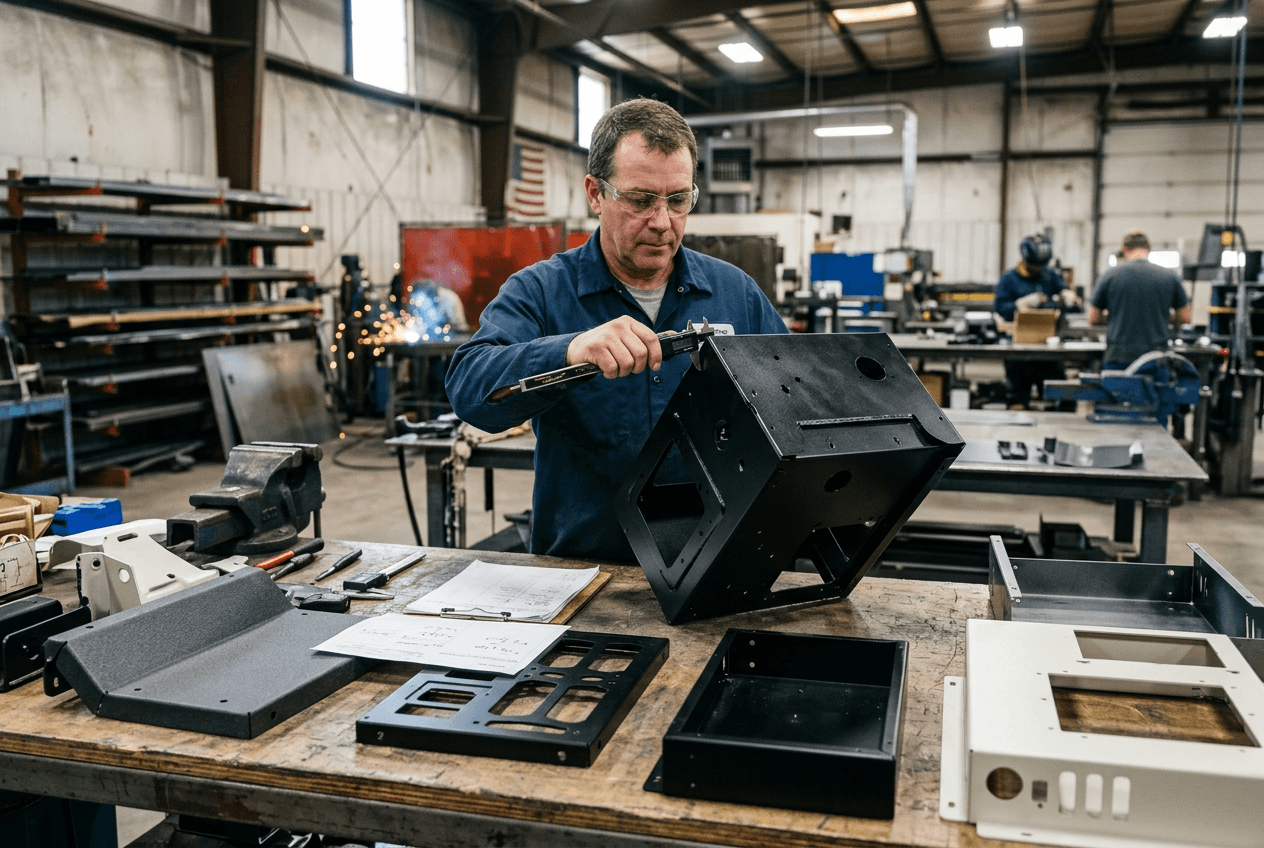
When an RFQ says only powder coated finish, buyers often assume every supplier is pricing the same job. That is rarely true. One shop may quote a simple color coat on visible faces. Another may include pretreatment, masking, edge cleanup, weld dressing, thread protection, and cosmetic touch-up. The unit price looks close, but the scope is different.
This is where procurement risk starts. The first quote can hide adders that appear later as sample fees, rework charges, or delayed release to production. The problem is not the coating itself. It is the missing language around what must stay clean, what must fit after coating, and what can show marks. If the RFQ leaves those decisions open, the supplier fills the gaps with assumptions.
That assumption gap matters most on custom sheet metal fabrication for enclosures, brackets, frames, and welded assemblies. A control box, for example, may need the gasket land, hinge bores, latch area, and grounding point treated differently from the outer face. If the drawing does not say that clearly, one supplier may quote a basic spray cycle while another prices masking and inspection that the first shop never included.
Where the quote starts to drift
The drift usually begins with small omissions. Buyers list color, gloss, or texture, but they do not define cosmetic faces. They note the coating name, but they do not specify whether welds may remain visible. They ask for a powder coated finish, yet they leave the supplier to decide whether internal corners, threaded holes, and mating tabs need protection. Each missing detail shifts the pricing model.
The consequence is simple. The lowest quote may not be the lowest-cost outcome. It may only be the cheapest interpretation of an incomplete RFQ. That is why procurement teams should compare finish scope line by line, not just the total number.
Why Geometry, Masking, and Edge Prep Decide the Real Finish Cost
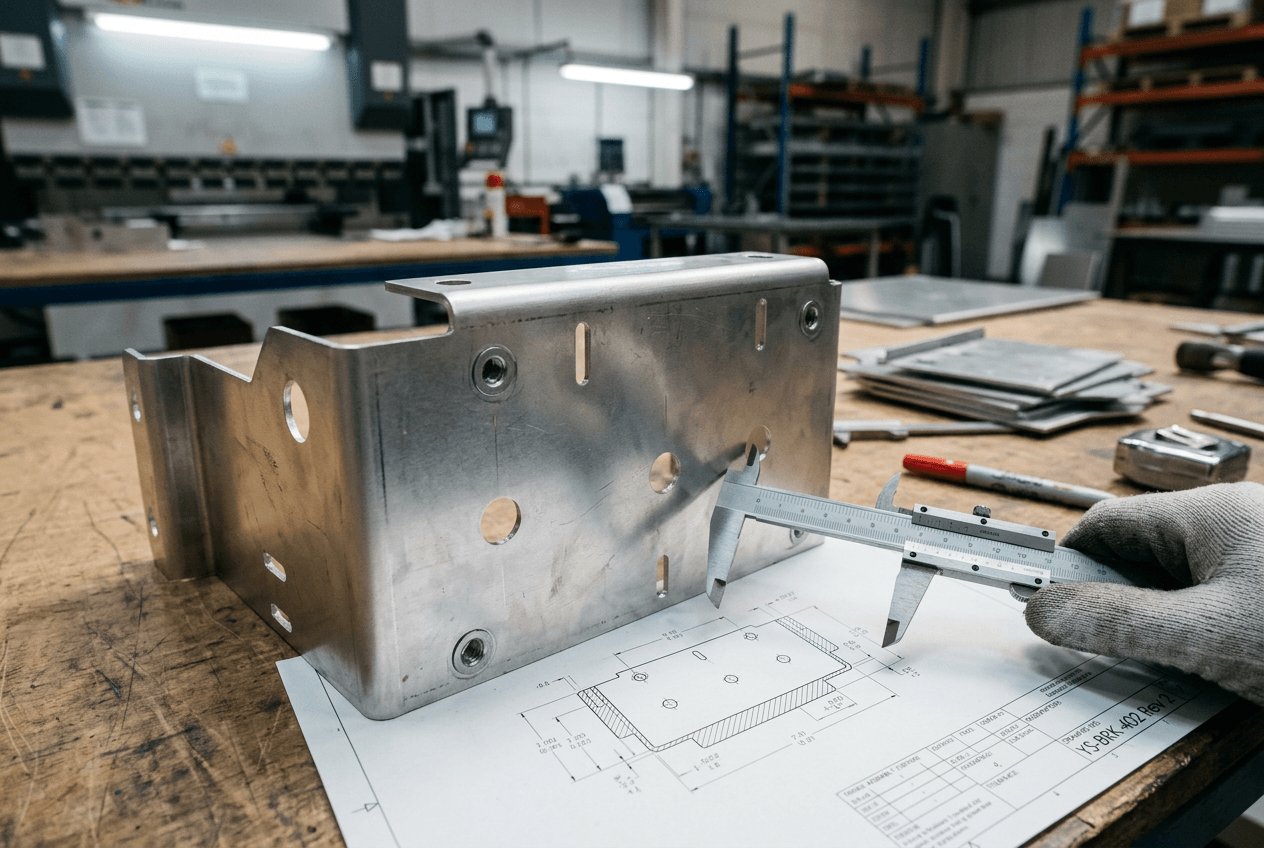
Part geometry changes how powder lands, cures, and survives handling. Deep returns, louvers, punched holes, sharp bends, closed tubes, and welded seams all create places where coating thickness varies. A simple bracket can become a time-consuming part if the coating must stay even around mounting holes or if the visible edge needs extra cleanup before spraying.
This risk shows up quickly in quotation. A supplier may price a flat panel as if it were simple, then discover the part needs extra rack points, local masking, or edge break work to avoid powder build-up. That extra work rarely appears in the first quote unless the drawing already calls it out. Buyers often see the price increase only after a first article review or during batch production.
Masking points that should never stay vague
Masking is not just a finishing detail. It protects threads, studs, grounding points, bearing seats, gasket lands, and mating tabs from coating build-up. If any of those areas affect assembly, sealing, or electrical contact, they need to be marked on the drawing or in the RFQ. Otherwise the shop has to guess how much build-up is acceptable, and that guess can create rework.
Think about a bracket with a captive nut. If the powder lands too heavily around the nut, the fastener may bind or the installation torque may rise. On a welded frame, a thick coat can soften a carefully controlled fit and force field adjustment. A buyer who clarifies masking early avoids a finish that looks good but causes assembly friction later.
Project example: enclosure doors and latch areas
A buyer once specified a control cabinet door with a powder coated finish and a color code only. The sample looked fine visually, but the latch rubbed after coating because the latch pocket and hinge area had not been masked. The supplier had quoted a cosmetic spray job, not a fit-critical finish. The project then needed a second sample, extra labor, and a longer release cycle. The problem started in the RFQ, not in the booth.
For sheet metal parts like this, buyers should define which faces are cosmetic, which faces are functional, and which edges can tolerate marks from racks or hooks. That one clarification can prevent a long chain of price changes and production delays.
When Coating Build Changes Assembly Fit on Enclosures, Brackets, and Frames
Powder coating adds thickness. That sounds obvious, but the fit risk is often underestimated. A coated part may pass visual inspection and still fail at assembly because the added film uses up the clearance margin. The danger is highest on parts with hinges, tabs, slots, overlapping flanges, gasket compression zones, and welded joints that already run close to the tolerance limit.
Buyers sometimes expect the finish to sit on top of the part without changing function. In real production, the film build can change hole engagement, tighten a slot, or make a mating face uneven. If a bracket must slide into a frame or a cabinet door must close against a seal, the coating thickness becomes part of the functional stack-up. That is a procurement risk, not just a cosmetic choice.
Where fit problems usually appear first
Most fit issues show up at the interfaces. Hinges bind. Latches need more force. Grounding points lose contact. Internal tabs scrape when inserted. Welded assemblies can also twist slightly after heat exposure, and the coating can make that variation more obvious. If the buyer does not state the critical interface, the shop may not know which face needs tighter control.
This is why a tolerance note alone is not enough. The RFQ should identify the surfaces that remain functional after coating. It should also tell the supplier whether a small rack mark is acceptable on a hidden face or whether the part must leave the line with no visible contact marks. That distinction changes both process and cost.
Project example: welded frame and post-coat interference
A welded support frame for a machine enclosure was approved from a sample built in low volume. In batch production, the coated frame legs grew just enough to interfere with a mating panel. The issue was not a bad weld. It was a tolerance stack that had no room left after coating. The buyer then had to choose between rework, a clearance change, or a redesign.
That type of failure is expensive because it arrives late. The purchase order has already been issued. The tooling path is already set. The easiest fix would have been to identify the functional faces before quotation and ask the supplier how much coating build those faces could carry without harming fit. A drawing review from Yishang can help expose that risk before parts are released.
Why Prototype Approval Still Misses Batch Consistency on Production Runs
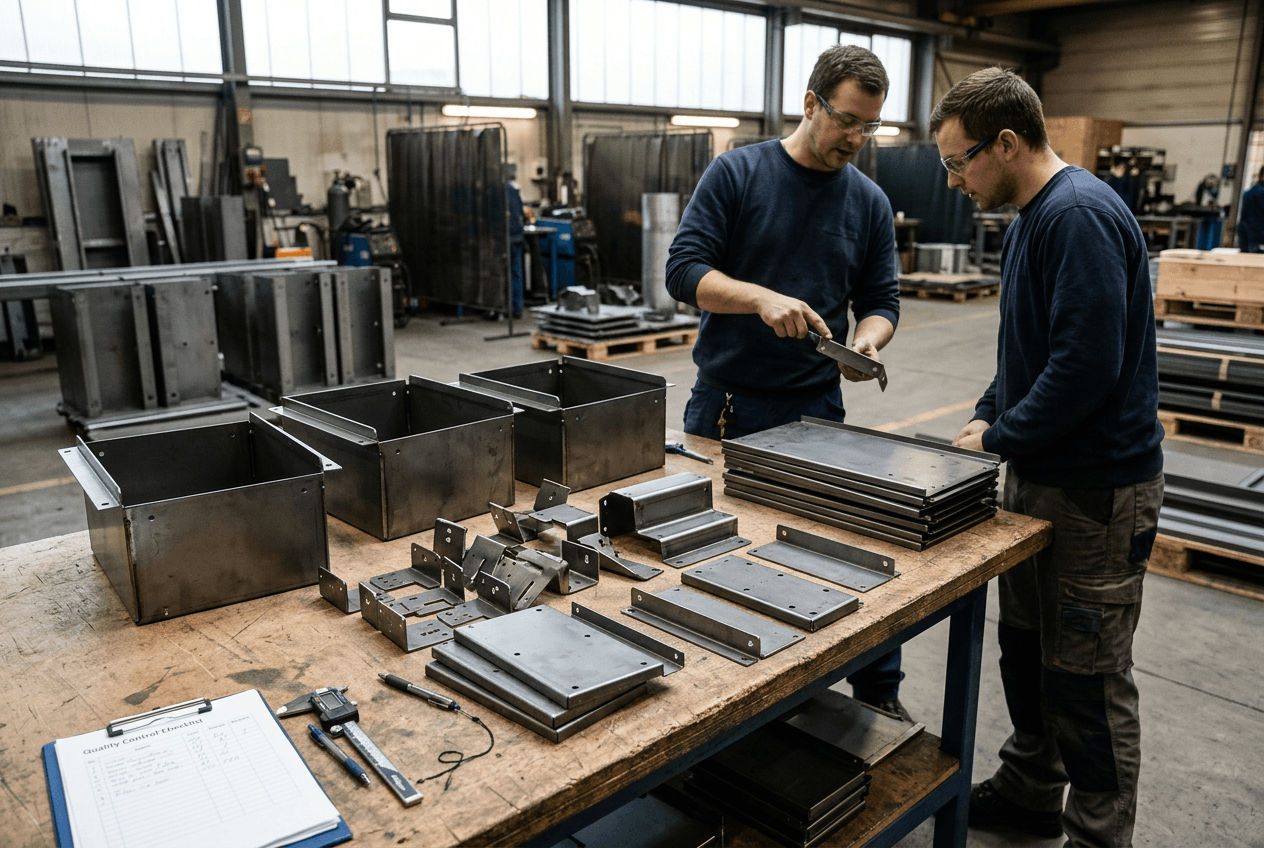
Many buyers treat prototype approval as proof that the finish is safe for production. That is a risky assumption. A prototype may be hung alone, handled more carefully, and cured under a different oven load than the batch order. Once the line fills up, rack contact changes, airflow changes, and film build can move within the same part family.
The result is a common procurement surprise. The sample passes. The production lot does not match it. One batch may show heavier gloss, more orange peel, or slightly different coverage on inside corners. Another batch may assemble more tightly because the film builds differently at the bend line. The buyer then has to decide whether the approved sample or the production lot sets the real standard.
What should be locked before sample sign-off
Do not approve a sample on appearance alone. Confirm the hanger position, coating thickness range, pretreatment route, and any contact marks you will allow. If the part is assembly-critical, ask whether the prototype and batch will use the same rack layout and cure profile. Those are the variables that often cause the sample to pass while the batch slips.
This matters most for metal enclosures, brackets, and welded assemblies that combine several processes. Welding, grinding, cleaning, coating, and packaging each affect the final result. When the RFQ leaves the finish scope loose, batch production has to interpret the sample rather than repeat it. That is how consistency breaks down.
Short case: prototype door versus production door
A cabinet door prototype cleared the hinge and latch assembly with no issue. The batch doors came back with thicker film at the bend line and small edge build near the latch pocket. The doors still looked acceptable, but they needed extra force to close. The buyer had to pause the order and negotiate a corrective run. The production failure did not begin in coating. It began when the prototype was approved without a clear film-build target.
For buyers who need prototype-to-batch consistency, a limited drawing review and sample discussion with Yishang can help define what the prototype is actually proving. That is more useful than asking for a better-looking sample after the order has already started.
What Buyers Should Freeze Before They Compare Supplier Prices
If the goal is a reliable quote, the RFQ needs more than a color request. Buyers should freeze the finish scope before they compare prices. That means defining cosmetic faces, masking points, assembly-critical surfaces, and any areas that cannot carry coating build. It also means stating the substrate, because steel, stainless, aluminum, and galvanized sheet do not behave the same way during pretreatment and cure.
Procurement teams should also connect finish expectations to the part’s job. An indoor bracket may only need appearance and basic scratch resistance. An outdoor enclosure may need corrosion performance and UV stability. A welded frame may need a finish that survives handling and assembly without hiding fit problems. When the service condition is clear, the quote becomes more meaningful and the buyer can compare like with like.
RFQ details that reduce hidden cost later
Ask for coating thickness range, gloss or texture target, substrate material, and any relevant inspection standard. State whether the finish must match an existing part or only meet a functional target. Include quantities, because batch size can affect rack planning and line efficiency. Then add the drawings, tolerance notes, and photos of the mating assembly if the part installs into another component.
Lead time also changes when scope is vague. A supplier who must guess at masking, touch-up, or fit-critical surfaces may need extra clarification before starting production. That clarification takes time. A clear RFQ reduces the back-and-forth, lowers the chance of a second sample, and gives the supplier a better basis for a stable quote.
If your drawing set still only says powder coated finish, send the drawings, material requirements, quantities, tolerances, and finish expectations to Yishang for a review before you compare bids. The goal is not a prettier quote. The goal is to confirm what the quote actually includes.
Frequently Asked Questions
Why do two quotes for the same powder coated finish look so different?
They usually do not cover the same scope. One supplier may price a simple spray finish, while another includes pretreatment, masking, edge cleanup, and inspection of fit-critical areas. The price gap often comes from hidden assumptions, not from one supplier being inherently cheaper.
What should buyers mark as cosmetic on sheet metal parts before quoting?
Mark the faces that customers will see, then identify any hidden surfaces that still matter for fit or sealing. On enclosures and cabinets, that often includes door edges, hinge areas, gasket lands, latch pockets, and grounding points. Clear cosmetic definitions help suppliers price the right process.
How can powder coating affect assembly fit after fabrication?
Coating adds thickness to holes, edges, tabs, and mating surfaces. If the part already has a tight tolerance stack, the film can create interference. That can cause rubbing, binding, poor grounding, or sealing loss. Buyers should tell the supplier which interfaces must still function after coating.
Why does a prototype sometimes pass when the batch fails?
A prototype may be coated under different rack conditions, with lighter line loading and more care than a full batch. Batch parts can receive different film build, heat exposure, and contact marks. If the sample did not lock those variables, the production lot can drift even when the part design stays the same.
What should a buyer send with an RFQ for custom sheet metal fabrication?
Send the drawing set, material requirements, quantities, tolerance notes, finish expectations, masking points, and any assembly photos or sample parts. That gives the supplier enough context to quote the actual job instead of guessing at finish scope, fit risk, and rework potential.
When should a buyer ask for a finish review before release?
Ask for a review when the part has tight assembly clearances, cosmetic requirements, welded seams, or functional mating faces. It is also useful when the RFQ only names a color or finish type. A quick drawing review can prevent cost overruns, sample resets, and batch fit problems later.