
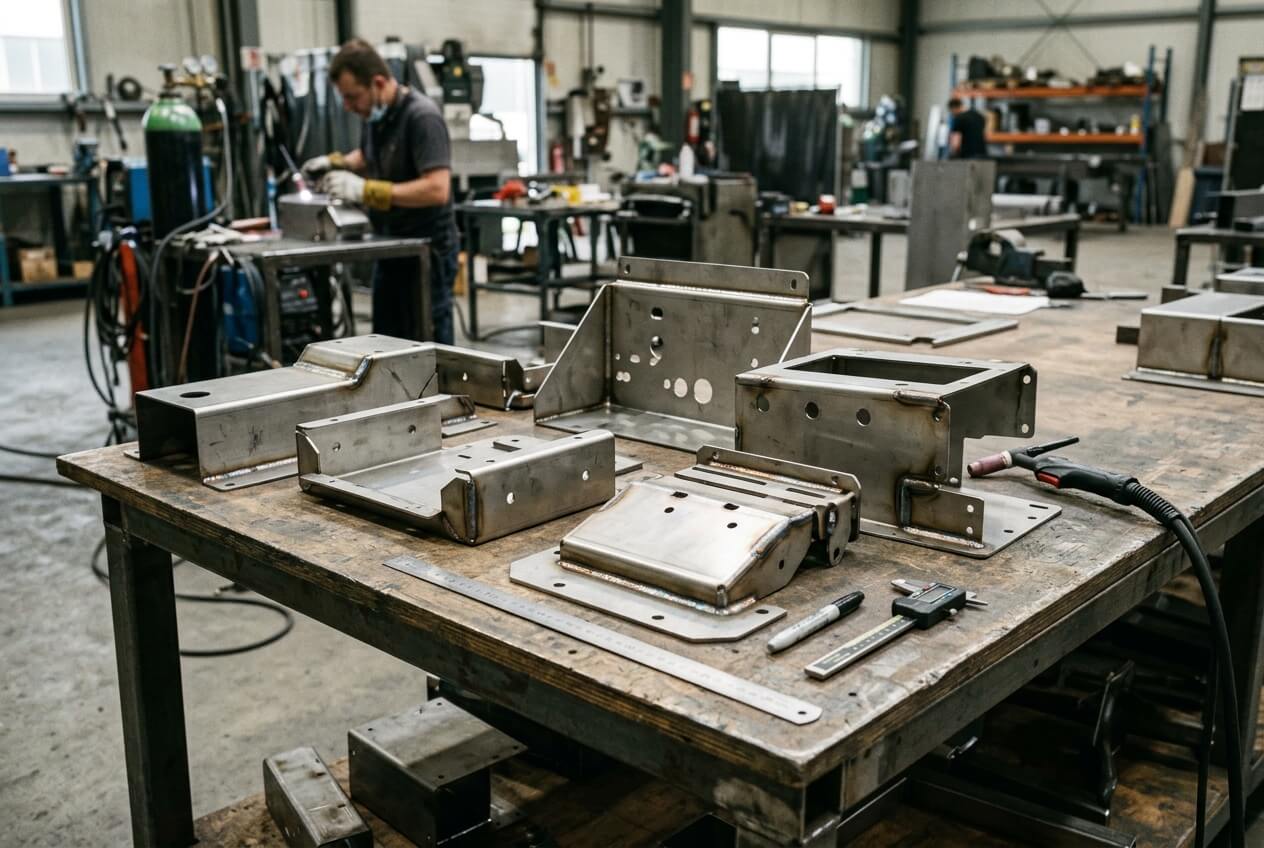
A buyer sends one drawing package to three suppliers for a stainless control enclosure. The drawing calls out machine TIG welding on the enclosure corners, hinge-side bracket, and internal support tabs. It also shows a brushed front face, powder-coated side panels, and several holes that must align with a mating frame. The quotes return with a wide price gap. One supplier prices cosmetic welding, controlled fixturing, grinding, brushing, and post-weld inspection. Another prices a basic welded assembly with limited dressing.
The dangerous part is not the price difference itself. The danger sits inside the assumptions. A short weld note can make suppliers guess which seams need appearance control, which joints drive strength, and which features must hold position after heat enters the part. If those guesses differ, buyers compare quotes that do not cover the same work.
That is the main procurement risk with machine TIG welding in custom sheet metal fabrication. RFQ ambiguity turns into quote distortion first. Then it can turn into schedule pressure, rework, finish disputes, and batch variation. Buyers reduce that risk when they define weld intent before asking suppliers to compete on price.
Where vague machine TIG welding notes start to distort quotes
Many RFQs use machine TIG welding as a single drawing instruction. That looks simple, but the supplier still needs to decide how much control the job requires. A continuous cosmetic seam on a visible stainless face needs different labor than a hidden weld behind a panel. A welded frame that holds door alignment needs different fixturing than a bracket that only carries light load.
When the RFQ does not separate those needs, suppliers protect themselves in different ways. Some quote the safest version of the job. They include slower welding, extra tacking, more fixtures, surface blending, and longer inspection time. Others quote the minimum visible requirement. They may assume the weld only needs to hold, not meet a cosmetic or tight assembly standard. Both responses may seem reasonable, yet they produce unequal quotes.
The same weld callout can cover very different work
Consider a 304 stainless enclosure with four visible front corners and six hidden internal tabs. If the drawing only says machine TIG welding, one supplier may treat every joint as cosmetic. The unit price rises because the quote carries labor for bead control and finish blending on hidden features. Another supplier may treat the job as structural only. The buyer may save money on paper, then face visible heat tint or uneven dressing after the sample arrives.
A second example involves a welded support frame for an electronics cabinet. The frame has front rails that remain visible after assembly and rear cross members that stay covered. The buyer cares most about hole-to-hole alignment and door fit. If the RFQ does not identify those critical features, the supplier may focus on weld appearance while missing the assembly risk. The frame can look acceptable and still fail when the door binds.
Clear quote comparison starts before pricing. Buyers should mark cosmetic welds, structural welds, and hidden welds separately. They should also state whether suppliers may propose another joining method for non-visible joints. That does not weaken the specification. It prevents every supplier from solving a different problem.
How unclear weld intent turns into assembly fit and tolerance risk
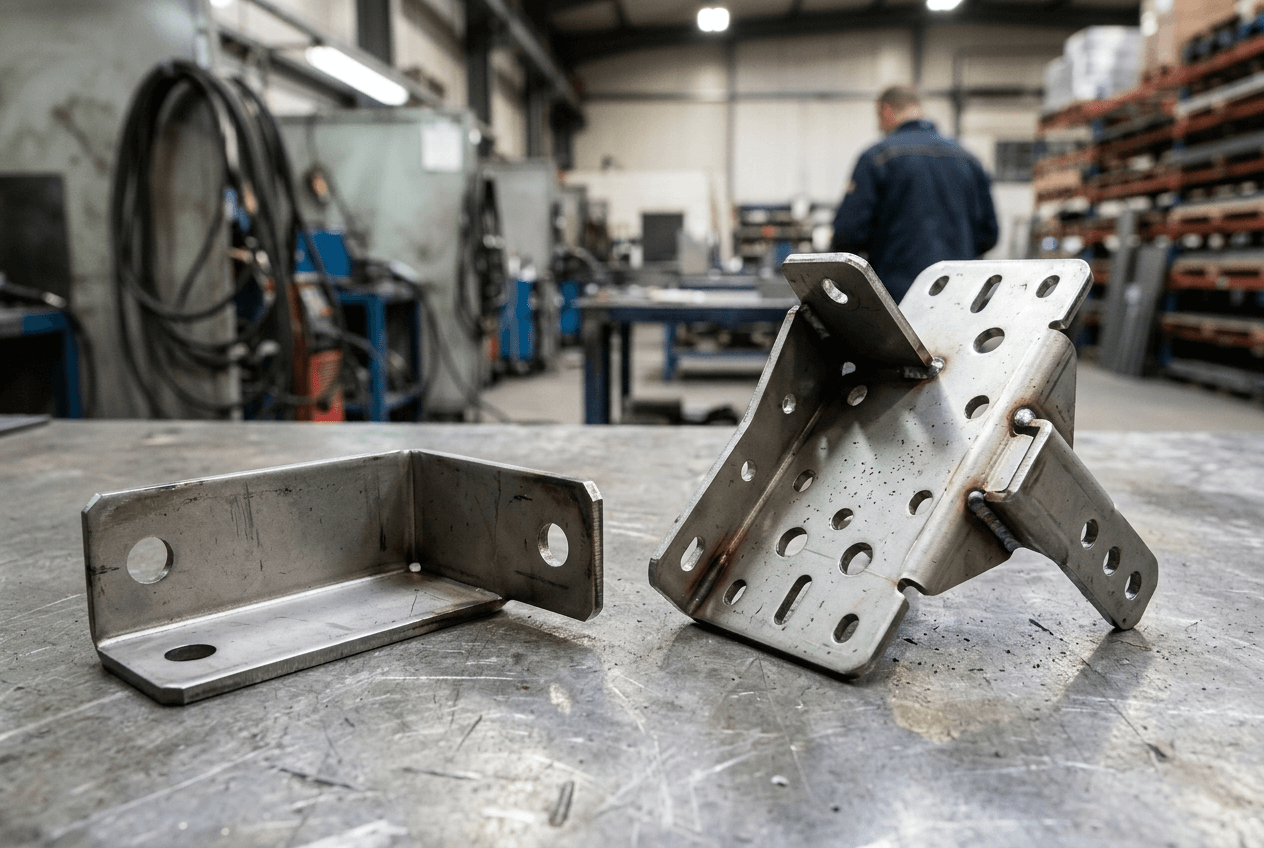
Machine TIG welding gives fabricators strong control over the arc and bead. It does not remove heat movement from thin sheet metal parts. Heat can pull flanges, twist frames, shrink corners, or shift tabs. The movement may look small on the welding table, but it can create major problems during final assembly.
This risk grows when the drawing lists tight tolerances without explaining which dimensions matter after welding. A laser-cut blank may meet its flat pattern dimensions. A bent panel may also pass inspection before welding. Once the supplier welds corners, brackets, or studs into place, the assembly can move. If the inspection plan only checks the pre-weld parts, the buyer may not discover the issue until the enclosure reaches the assembly line.
Critical dimensions need post-weld meaning
Buyers often call out tight hole locations, panel gaps, or flange positions because the finished product needs them. Suppliers need to know whether those dimensions apply after welding and finishing. A tolerance on a single bracket does not tell the supplier how to hold the bracket inside a welded assembly. The RFQ should identify the dimensions that drive mating parts, hinges, slides, PCB trays, locks, and field installation.
For example, a wall-mounted metal enclosure may include TIG-welded hinge reinforcement plates. If heat shifts the hinge side by even a small amount, the door can rub after powder coating. The problem starts with an unclear weld note. It then affects fixture planning, weld sequence, coating clearance, and final assembly. The buyer may blame the supplier for poor fit, while the supplier may point to a drawing that never defined post-weld alignment.
A stronger RFQ connects the weld requirement to the assembly function. It tells the supplier which features must stay stable after welding. It also asks how the supplier plans to fixture the part and inspect those features. That conversation belongs before quote approval, not after a batch reaches inspection.
Fixture cost is not optional when fit matters
Fixtures add cost, but they often protect the total project. A supplier may need a simple checking fixture for a low-volume bracket or a dedicated welding fixture for a repeat enclosure. Without that tool, operators may correct each part by hand. That approach can work for a prototype, but it creates variation across a batch.
Procurement teams sometimes challenge fixture charges because they compare only unit prices. That can hide the real cost driver. If the assembly needs repeatable hole alignment, consistent door gaps, or stable panel flatness, the quote must include the control method. Otherwise, the buyer may accept a lower price that depends on manual adjustment and later absorb rework, sorting, or delivery delays.
Why finish expectations change the real cost of machine TIG welding
Finish requirements often create the widest gap between quoted price and production reality. A weld can meet strength needs and still fail a cosmetic review. This happens when the RFQ does not state which seams remain visible, which surfaces receive brushing or polishing, and what level of weld dressing the buyer expects before coating.
Machine TIG welding can produce clean, controlled seams. Yet the final appearance still depends on fit-up, heat control, grinding, blending, and surface preparation. Stainless steel may show heat tint or discoloration near visible joints. Powder coating may hide some marks, but it can also reveal poor grinding, uneven corners, or repair areas. Brushed finishes create another challenge because the grain direction must look consistent across welded seams.
Cosmetic welds need inspection criteria, not just process labels
A process label does not define an acceptable surface. Buyers should clarify whether the bead may remain visible, whether the seam must be ground flush, and whether blending marks can remain under paint or powder. They should also identify the viewing faces. A front panel on a retail display cabinet carries different risk than the underside of an industrial frame.
One realistic case involves a brushed stainless kiosk cover. The buyer specifies machine TIG welding but does not define the required grain direction after corner blending. The supplier welds and dresses the seam, then brushes each side separately. The part passes dimensional inspection, but the grain mismatch appears under showroom lighting. The issue started in the RFQ, not in the polishing room. The supplier priced a welded cover, not a cosmetic front face with controlled visual standards.
Another case involves powder-coated brackets inside a larger machine guard. The buyer asks for TIG welding because the prototype looked clean. In batch production, most welds sit hidden after assembly. The supplier can reduce cost by using TIG only where heat control or access requires it, while using another process for covered joints. That option only appears if the RFQ allows process review for non-critical welds.
Yishang can review drawings and finish notes early when buyers need help separating appearance-critical welds from hidden structural joints. That review should focus on assumptions that affect quote scope, not on adding unnecessary cosmetic labor everywhere.
Why prototype approval can hide batch consistency problems
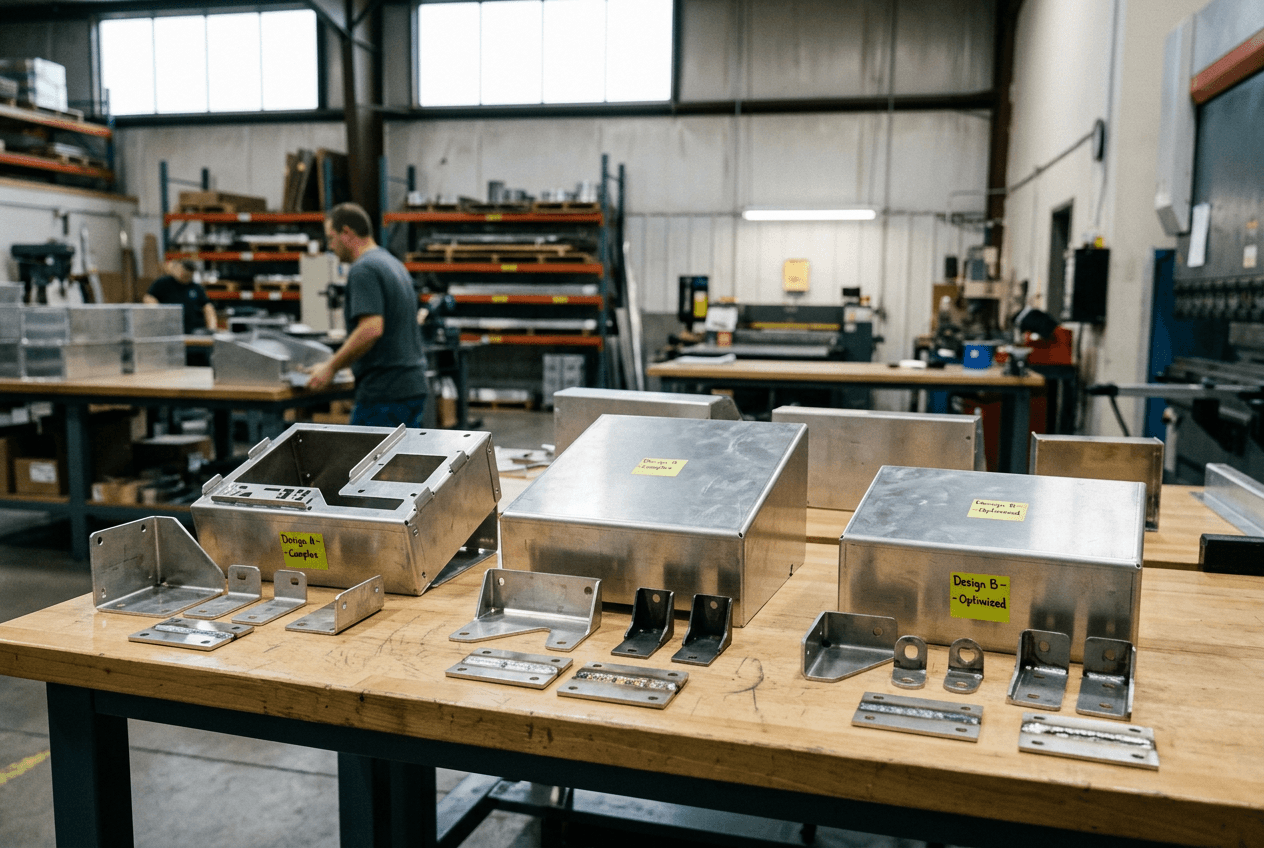
A prototype often receives more attention than a production batch. Operators may hand-fit tabs, correct small gaps, adjust clamps, or dress welds until the sample looks right. That effort can produce a strong first impression. It can also hide a process that will not repeat under volume pressure.
The risk grows when the buyer approves the prototype only by appearance. A sample can show clean machine TIG welding and still fail to define the production standard. The team may not record the fixture location, tack pattern, weld sequence, straightening method, or inspection points. When batch production begins, another operator may follow the drawing but not reproduce the same result.
Sample approval should freeze the controls behind the sample
Buyers should ask what made the prototype acceptable. Did the supplier use a temporary fixture or a planned production fixture? Which dimensions were checked after welding? Were any parts straightened before finishing? Did the sample require extra grinding or polishing that the quote does not include for the batch?
These questions matter for enclosures, brackets, frames, and welded assemblies with mating parts. A prototype electronics chassis may accept a slide rail because the operator adjusted the rail during welding. In production, that same adjustment may vary by shift. The finished chassis may still look clean, but the rail may bind when the buyer installs the drawer. Appearance approval cannot replace control of fit.
Batch consistency also depends on material thickness, bend variation, and upstream cutting accuracy. Machine TIG welding does not correct all upstream variation. In some cases, it can amplify variation because tight gaps weld differently from loose gaps. If the prototype uses hand-selected parts, the batch may behave differently. Buyers should ask suppliers to confirm how they will manage fit-up across normal production variation.
Lead time can also suffer when the prototype standard stays vague. The supplier may need extra days for sorting, rework, or additional finishing once disputes appear. Those delays rarely show up in the first quote. They appear when production parts do not match the buyer’s unspoken expectation.
What buyers should clarify before comparing machine TIG welding quotes
A useful RFQ does not need to become a long textbook. It needs to remove the assumptions that change price, lead time, and production risk. For machine TIG welding, the strongest RFQs define weld intent, visible surfaces, post-weld dimensions, finish expectations, and prototype-to-batch controls.
Start with the drawing. Mark each weld as cosmetic, structural, hidden, or process-flexible. If a weld stays visible after assembly, coating, brushing, or polishing, show that on the drawing. If a hidden joint only needs strength, say so. This helps suppliers price the actual requirement instead of guessing whether every seam needs the highest finish level.
Next, connect tolerances to function. Identify hole locations, hinge lines, flange positions, and mating faces that must remain accurate after welding. Tell suppliers which dimensions require post-weld inspection. If the part supports another assembly, include the mating part drawing or a short assembly note. A supplier cannot protect a fit condition that the RFQ never shows.
Finish notes should also match the weld scope. State whether welds need grinding, flush blending, polishing, brushing, passivation, or coating preparation. Define whether heat tint, minor dressing marks, or touch-up areas are acceptable on hidden surfaces. Clear finish expectations prevent disputes after the supplier has already welded the parts.
Finally, ask how the supplier will repeat the approved sample. The answer may include fixtures, tack locations, weld sequence, in-process checks, and final inspection points. Procurement teams should compare those controls alongside unit price. A low quote that excludes the control method may cost more after rework and schedule impact.
For RFQs that involve custom sheet metal fabrication, metal enclosures, brackets, frames, or welded assemblies, Yishang can review drawings, material requirements, quantities, tolerances, finish expectations, and sample feedback before production release. That review helps buyers decide where machine TIG welding protects the project and where unnecessary weld assumptions inflate the quote.
If your RFQ calls for machine TIG welding, send Yishang your drawings, material requirements, sheet thicknesses, quantities, tolerances, finish expectations, sample photos, and assembly notes. Include any prototype feedback or known fit issues. A focused drawing review can expose quote assumptions before they become rework, finish disputes, or batch consistency problems. Start here: https://zsyishang.com/
Frequently Asked Questions
Why do machine TIG welding quotes vary so much for the same drawing?
Quotes vary when the drawing does not define weld intent. One supplier may price cosmetic welding, fixtures, grinding, and finish blending. Another may price only basic structural welds. Buyers should mark visible, hidden, cosmetic, and structural welds before comparing prices.
Should every weld on a sheet metal enclosure use machine TIG welding?
Not always. Machine TIG welding often suits visible seams, thin stainless edges, and areas that need precise heat control. Hidden joints may allow another joining method if strength, access, and finish requirements permit it. The RFQ should state where suppliers may propose alternatives.
What drawing notes reduce assembly fit risk after welding?
Buyers should identify post-weld critical dimensions, including hole locations, hinge lines, flange alignment, panel flatness, and mating faces. The drawing should also show which features connect to other parts. This helps the supplier plan fixtures, weld sequence, and inspection points.
How do finish expectations affect machine TIG welding cost?
Visible welds may need tighter fit-up, slower welding, grinding, brushing, polishing, or coating preparation. Hidden welds usually need less cosmetic work. If the RFQ does not define acceptable bead appearance and surface marks, suppliers may either overprice the work or underprice the finish risk.
Can an approved prototype still lead to batch problems?
Yes. A prototype may include manual fitting, extra straightening, or additional surface dressing that the supplier cannot repeat efficiently in a batch. Buyers should confirm the production fixture, weld sequence, and post-weld inspection plan before approving volume production.
What should buyers send with a machine TIG welding RFQ?
Send drawings, material grade, sheet thickness, quantities, tolerances, finish requirements, visible surface notes, assembly drawings, sample photos, and prototype feedback. These details help the supplier quote the real scope and reduce assumptions that can affect cost, lead time, and quality.