
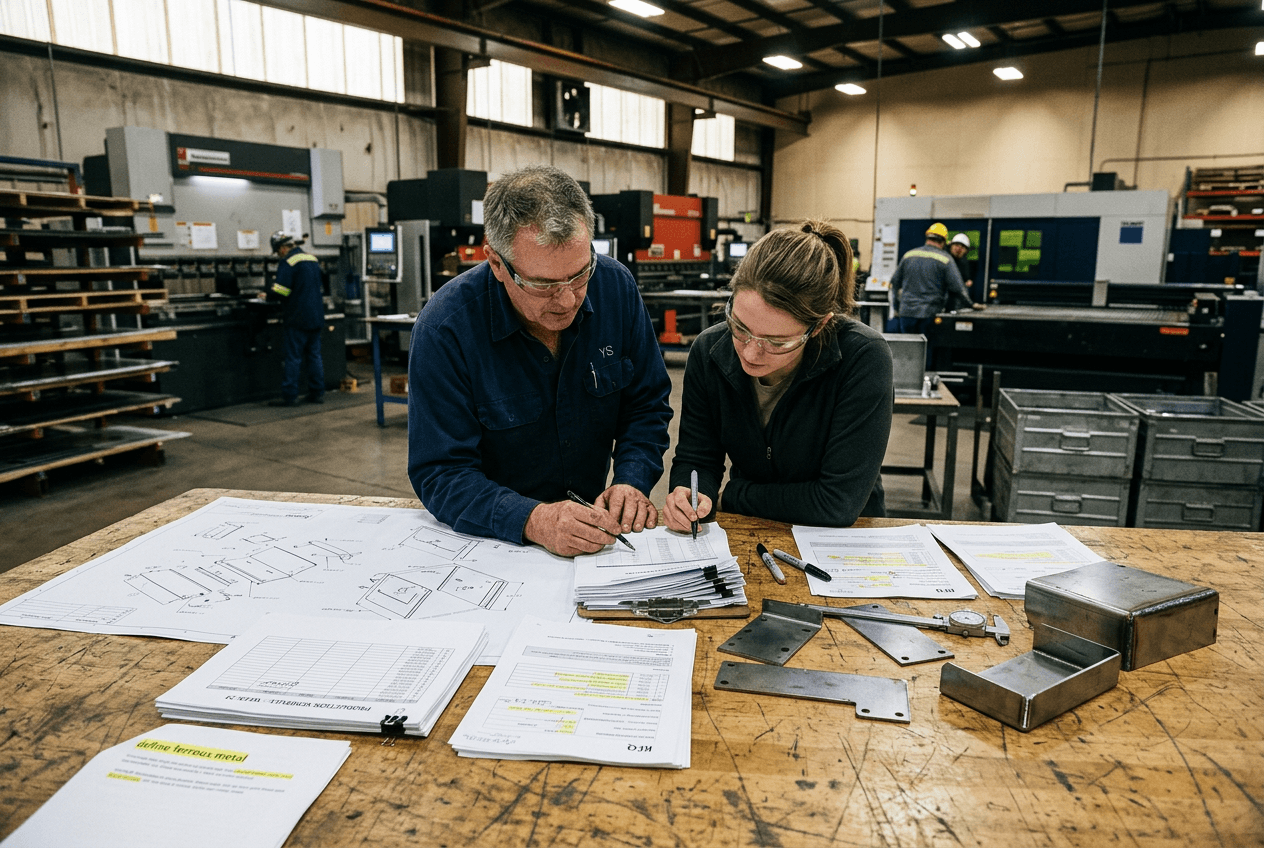
How to Define Ferrous Metal in a Sheet Metal RFQ Without Buying the Wrong Assumption
An OEM buyer can write ‘ferrous metal’ and think the job is clear. The shop may see three possible routes, three stock plans, and three different finish risks. One supplier prices cold-rolled steel from stock. Another assumes galvanized sheet. A third waits for a material confirmation before cutting any metal. The part description is the same. The quote is not.
That is why the phrase define ferrous metal matters. In sheet metal fabrication, the term only says the part contains iron. It does not settle grade, coating, sheet size, certificate needs, or whether the sample and batch must follow the same route. When those details stay open, the supplier fills the gap with assumptions, and the buyer pays for them later in price spread, resubmitted quotes, or a missed ship date.
Yishang sees this during drawing review for enclosures, brackets, frames, and welded assemblies. The first risk is rarely the metal family itself. It is the hidden decision tree behind it.
Why one vague term creates three quote paths
Cold-rolled steel, galvanized steel, and stainless steel each create a different purchase path. Stock availability changes. Cut order timing changes. Inspection and certificate requests can change too. If the RFQ does not name the route, the supplier has to protect itself with a safer assumption. That usually shows up as a higher price or a longer lead time.
A control cabinet side panel is a simple example. If the buyer only needs an indoor enclosure, a steel panel from stock may move quickly. If the same panel must survive moisture, cleaning chemicals, or a cosmetic finish, the supplier needs a different material assumption. The job did not become more complex on the drawing. It became more complex in procurement.
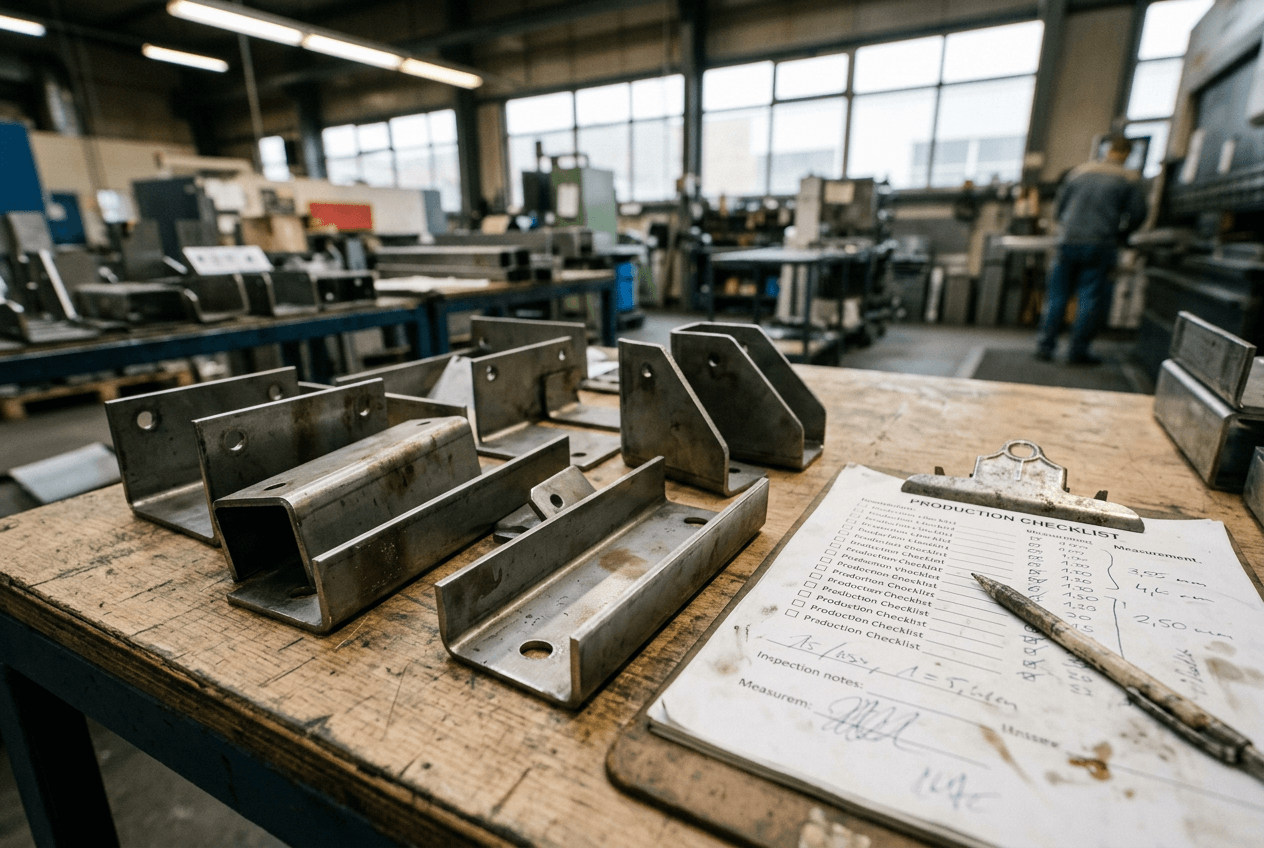
How Missing Finish Notes Push a Clean Quote Into Rework and Queue Time
Finish looks like a post-processing detail, but it often controls the first real production date. A painted bracket, a powder-coated panel, or a zinc-coated housing may seem simple at the RFQ stage. Once welds need grinding, edges need deburring, or holes need masking, the shop must build a different route. That route adds labor, queue time, and inspection steps.
Buyers often write ‘surface treated’ or ‘painted steel’ and stop there. The supplier still has to guess whether the part is cosmetic, structural, indoor, or outdoor. It also has to guess whether weld seams must be sealed before coating, whether hidden faces need coverage, and whether masking is required on threads or ground points. Each guess creates a different quote assumption.
Where the finish plan changes the price
If the visible face matters, the shop may need extra grinding and polishing before coating. If the part has internal interfaces, the masking plan must protect those surfaces from paint buildup. If the assembly includes welded corners, the coating route may need a special prep step before the part enters the booth. None of those steps are free, and none of them show up if the RFQ only says ‘ferrous metal part with finish’.
A welded outdoor kiosk is a good example. The buyer asked for galvanized steel parts with powder coating, but the drawing did not say whether the weld seams needed sealing. The sample looked acceptable. The batch slipped because the shop had to revise the weld prep method and reset the masking plan. The cost issue started as a finish omission, then became a production hold.
When Tolerance and Assembly Fit Turn a Cheap Part Into a Costly Requote
A part can be easy to cut and still be difficult to assemble. That is the danger when the RFQ focuses on material name and ignores the fit-critical dimensions. Hole position, bend radius, flange angle, flatness, and weld distortion all affect assembly. If the buyer does not mark those controls early, the shop may quote the part as a simple fabrication job. The real work shows up later, when the bracket refuses to align with the mating panel.
This risk matters most on brackets, enclosures, and welded frames. A bracket set may fit in isolation and fail once hardware enters the build. A cabinet side panel may meet the overall size tolerance and still miss the hinge line. A welded frame may pass a visual check but twist enough to change door gaps after coating. The quote looks fine until the assembly test exposes the hidden assumption.
Assembly fit starts on the drawing, not at final inspection
Buyers often write a general tolerance block and hope the supplier will protect the important features. In practice, shops need to know which features control fit. If the hole to edge dimension drives the assembly, that dimension matters more than the outside contour. If flatness controls the closure line on a cabinet, the drawing should say so. If weld sequence can move the frame, the supplier needs that information before it prices the lot.
One bracket project shows the chain clearly. The RFQ named ferrous sheet, gave a loose overall size tolerance, and showed the hardware only in a reference view. The first quote came back fast. The first samples fit poorly because the hole position was more critical than the buyer had written. The supplier had priced a cut-and-bend part, but the job needed a fit-controlled fabrication plan.
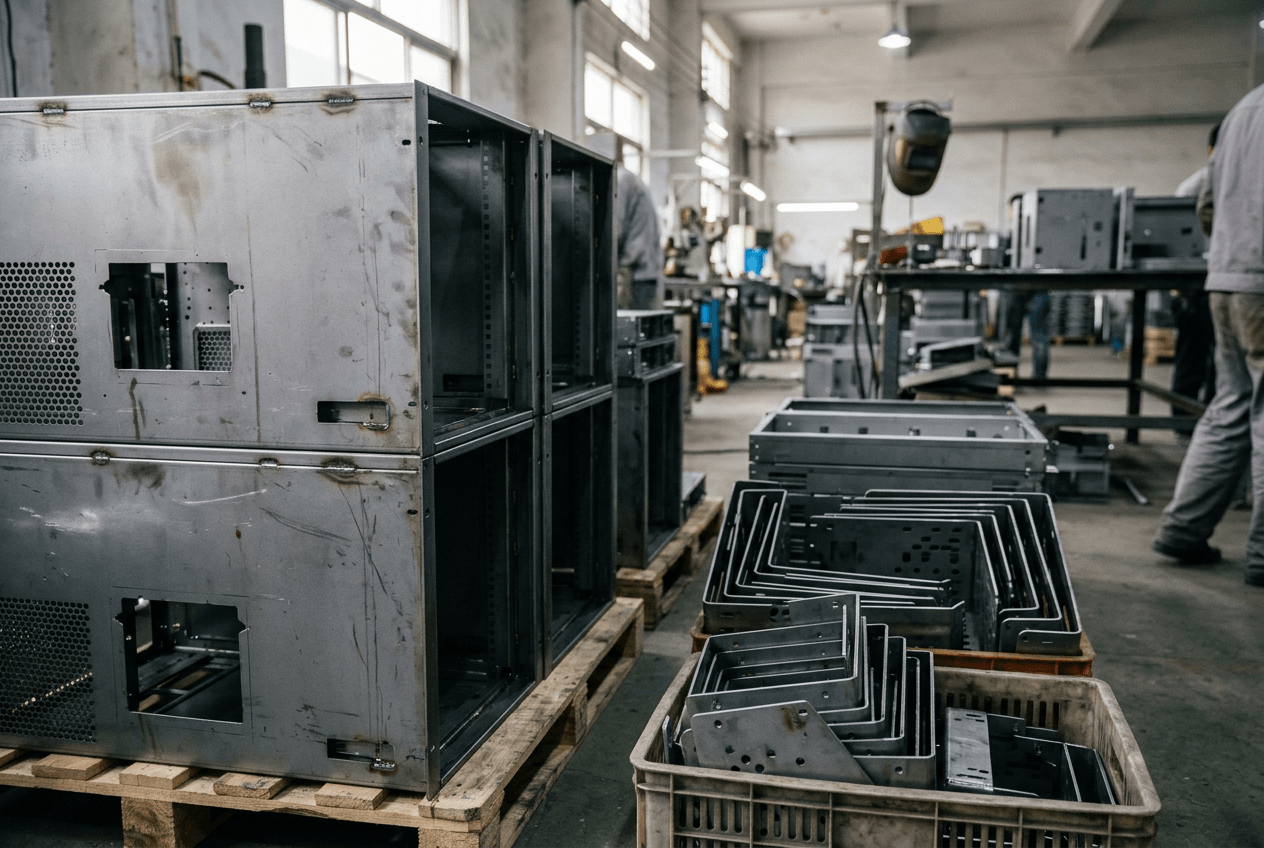
Why Prototype Approval Does Not Lock Batch Consistency
Prototype approval can create false confidence. A sample may fit because a technician nudged it, filed a corner, or adjusted the fixture by hand. That same sample may also look fine because the maker spent extra time on it. Batch production does not allow that level of correction. If the buyer never freezes the release rule, the supplier may be forced to choose between copying an unstable sample or stopping the line for a new decision.
This is where many RFQs drift. The buyer wants the sample to prove the geometry, the finish, and the assembly fit. The shop thinks the sample only proves the general direction. If those expectations do not match, the batch can start on a different assumption than the one used for approval. That gap creates rework, schedule slips, and arguments about responsibility.
A sample can pass for the wrong reason
Consider a welded frame that supports an equipment enclosure. The prototype may fit because the assembler corrected a slight twist by hand. In batch production, that correction disappears. The frame then needs a tighter fixture, a different weld sequence, or a revised hole location. If the buyer has not said what approval means, the sample becomes a poor predictor of the production lot.
Yishang often treats the prototype as a process check, not just a visual sign-off. That matters when the drawing set includes hinge lines, latch points, or hardware that shares holes with another part. A sample that passes alone can still fail when it meets the rest of the assembly.
What to Freeze Before You Compare Ferrous Metal Quotes
Quote comparisons only work when suppliers are solving the same job. If one shop assumes stock cold-rolled steel, another plans galvanized sheet, and a third waits for a finish decision, the price spread tells you very little. The quote is not just a number. It is a set of assumptions about material buying, fabrication route, finish prep, inspection, and batch release.
Start by freezing the decisions that change the quote path. Name the material grade instead of using ferrous metal as the only callout. State whether substitution is allowed for samples, pilots, or full production. Mark the dimensions that control assembly fit. Then define the finish route, the sample approval rule, and any certificate or traceability need. If the order will ramp later, split the quantity into sample, pilot, and batch so the supplier can price the real purchase pattern.
That is also the right time to send photos of the mating assembly, not just the part. A bracket that looks simple can become a fit problem once it meets a frame. A cabinet panel can become a finish problem once it shares a visible edge with a door. The earlier the supplier sees the interface, the less likely it is to build a quote on the wrong assumption.
For buyers who want a faster drawing review, Yishang can help check whether the RFQ leaves a material, finish, or fit decision open. The goal is not to over-specify every detail. The goal is to remove the few unknowns that distort the first quote and the first batch.
If your RFQ still says ‘ferrous metal’ without a clear route, send the drawings, material requirements, quantity split, tolerances, and finish expectations to Yishang for a practical drawing review. Include sample photos, mating-part notes, and any certificate or approval rule so the quote reflects the real production path.
Frequently Asked Questions
What does ferrous metal mean in a sheet metal RFQ?
It means the part contains iron, but it does not define the steel grade, coating, or production route. In practice, the term is too broad for pricing unless the buyer also names the material, finish, quantity, and fit-critical notes.
Why can two suppliers quote different prices for the same ferrous metal part?
They may be assuming different material stock, finish steps, or inspection effort. One supplier might price from stock cold-rolled steel, while another plans galvanized sheet or a stricter approval route. The quote spread usually comes from assumptions, not just labor rate.
Should I specify cold-rolled, galvanized, or stainless steel in the RFQ?
Yes, if the application depends on corrosion resistance, appearance, or forming behavior. The supplier can then buy the right stock and avoid re-quoting after the material direction changes. If you are unsure, ask the shop to review the use case before you release the RFQ.
What drawing notes matter most for brackets, enclosures, and welded frames?
Focus on the dimensions that control assembly fit, such as hole position, bend angle, flatness, and weld location. Also state the finish on visible faces, the masking needs for threads or mating surfaces, and any certificate requirement that affects purchasing.
Why can prototype approval still fail during batch production?
A prototype may pass because someone adjusted it by hand or accepted extra correction time. Batch production removes that flexibility. If the buyer has not frozen the release rule, the production lot may follow a different assumption than the approved sample.