
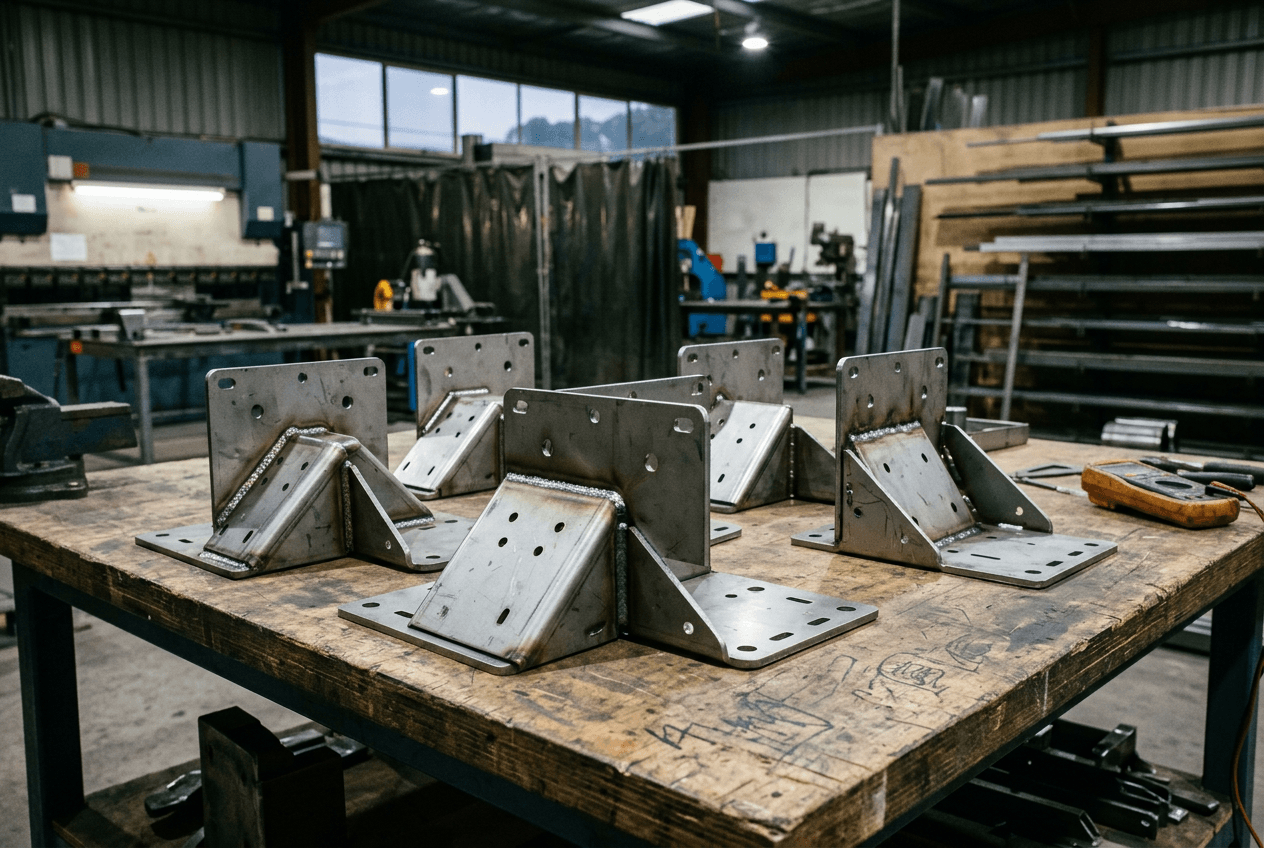
A buyer sends a welded enclosure RFQ and writes one line: tig welding vs mig acceptable. That looks simple, but it often creates three different jobs. One supplier prices cosmetic TIG on the outside seams. Another prices MIG on hidden joints and adds light dressing. A third assumes the part can switch methods between prototype and batch production. The quotes do not line up because the process assumptions do not line up.
That is the real procurement risk. The issue is not which process is better in the abstract. The issue is whether the RFQ forces every supplier to price the same weld path, the same visible surface, and the same post-weld work. If those details stay vague, the buyer can approve the lowest number and still face distortion, extra grinding, rework, or a slow second quote when the fabricator learns what the part actually needs.
Why a vague TIG-or-MIG note creates pricing drift before production even starts
In sheet metal fabrication, a weld method is never just a welding choice. It changes labor time, fixture pressure, heat input, cleanup, and inspection load. TIG usually means slower travel and tighter control. MIG usually means faster deposition and less manual time, but not always less total work. If the drawing does not say which seams stay visible, what surface condition is acceptable, or how much dressing is included, each supplier fills the gap differently.
That is where quote drift begins. A cosmetic front seam priced as TIG can carry more handling time than a hidden internal weld. A structural corner priced as MIG can look economical until the supplier adds spatter cleanup, alignment checks, and surface work before coating. The buyer then compares numbers that were built from different assumptions. The result is not a fair price comparison. It is a hidden scope mismatch.
This risk shows up fast on metal enclosures, brackets, frames, and welded assemblies. A cabinet frame with a visible front flange may need a cleaner bead than a rear support bracket. If the RFQ does not separate those surfaces, the supplier may protect themselves by padding the quote. That padding increases unit cost. It can also stretch lead time because the shop has to confirm intent before it commits material and labor.
Geometry decides the process more than the acronym does
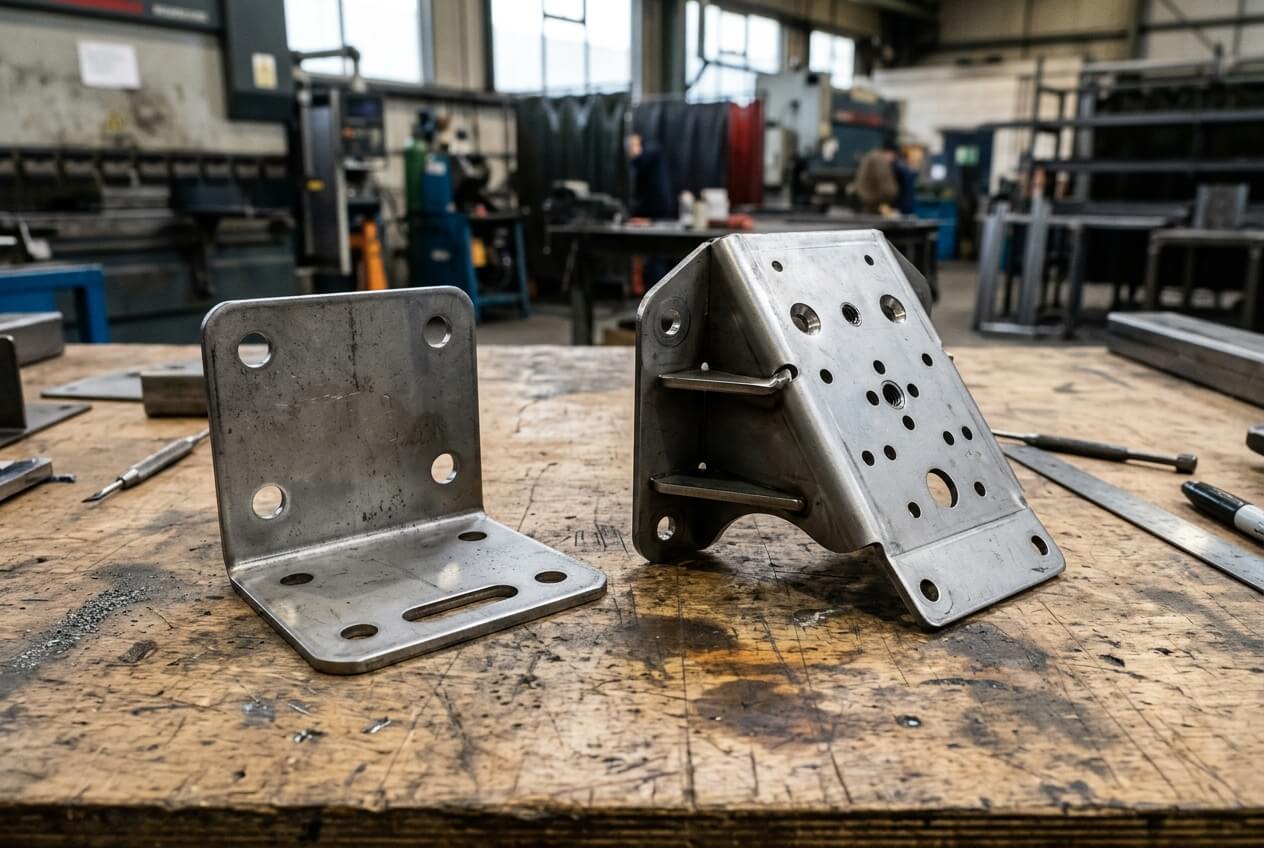
TIG welding vs MIG gets misread when buyers treat the process like a universal label. The actual decision depends on access, thickness, seam length, and whether the weld affects fit-up. A 1.0 mm panel, a 3 mm bracket, and a welded frame rail do not behave the same way. Thin sheet can move with very little heat. Long seams can pull a part out of square. Tight corners can make torch access difficult, which changes both cycle time and appearance.
Thin sheet and long seams raise the cost of getting it wrong
On thin-gauge sheet metal, TIG may protect the edge better when heat control matters, but it also takes more time. MIG can reduce labor on longer seams, yet it may increase spatter and the amount of cleanup before finishing. If the buyer only asks for a strong weld, the supplier may choose the fastest acceptable route. If the part later needs a clean coated surface, the buyer may discover that the cheapest weld method created the most expensive finishing step.
Example: a 1.2 mm electrical enclosure with a front door opening can look simple on paper. In production, the front seam may need a neater bead because the door frame must stay square and the powder coat will not hide distortion. If the RFQ does not call out that front seam as cosmetic, a supplier may price it as a hidden structural joint. The quote will look attractive, but the first article may need extra rework to meet the assembly target.
Bracket sets and frames fail in different ways
A welded bracket set may tolerate MIG on hidden joints because speed matters more than appearance. A support frame, however, may need tighter alignment because it carries another assembly. In that case, the weld process affects hole position, flatness, and the way the customer’s own hardware fits. The same process can be fine on one part and risky on another. Buyers need the drawing to show where the geometry is sensitive, not just where the weld exists.
For that reason, many fabricators will ask for drawing review before they quote. Yishang does this kind of review on custom sheet metal fabrication projects when the buyer needs the quote to reflect the actual weld path, not a guess. That matters most when one assembly mixes cosmetic seams and hidden supports. A mixed process can be the right answer, but only if the RFQ makes that split explicit.
Why the first approved sample can still miss batch reality
Prototype approval often gives buyers too much confidence. A first sample can pass because the welder spends extra time on fit-up, hand alignment, and cleanup. That sample may use TIG on exposed areas and a slower, more careful sequence than the batch run will use later. Once production starts, the shop has to protect cycle time. If the prototype and production route were never locked together, the approved sample may not predict the actual batch result.
This gap creates a procurement problem. Buyers think they have confirmed quality, but they have only confirmed one hand-built part. Batch production introduces a different pace, a different fixture load, and often a different process mix. If MIG replaces TIG on some seams, the bead profile can change. If the fixture changes, the frame may shift. If the cleanup step changes, the coating surface may show more variation. The quote may also move once the fabricator realizes the prototype route cannot scale.
Example: a powder-coated cabinet with door hardware can approve cleanly at sample stage. The sample may close well because the fabricator spent extra time on the frame. In batch, even a small distortion change can force hinge adjustment or re-drilling. The issue did not start in coating. It started when the buyer accepted a sample without confirming whether the sample used the same weld sequence and fixture as production.
The same pattern appears in welded frames for equipment skids or rack assemblies. A frame that looks straight on the bench can drift enough to affect another module later. That is why prototype approval should confirm not only appearance, but also weld method, weld order, and the assembly fit it protects. If those points change, the approved sample becomes a weak predictor of cost and consistency.
What buyers need to freeze in the RFQ so every quote prices the same job
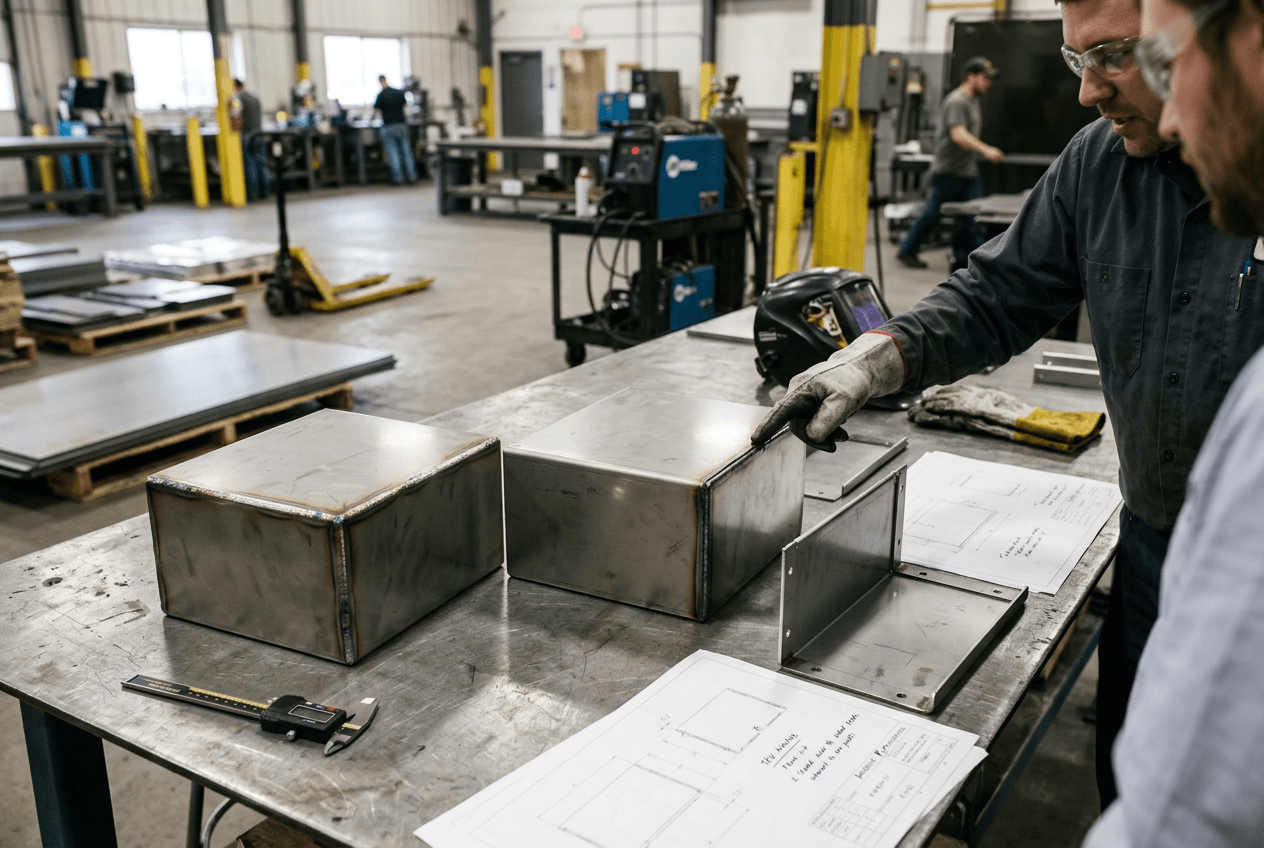
The best RFQ does not try to micromanage every weld. It removes the ambiguity that changes scope. Buyers should identify which seams are cosmetic, which ones are structural, and which dimensions control assembly fit. They should also state the material thickness, the joint type, and whether the part will be coated, painted, or left raw. If a seam must stay smooth for appearance, say so directly. If a hidden weld can accept a faster route, say that too.
Tolerance notes matter here, but only where they change fit or function. A welded bracket may need hole position protected. A cabinet may need door opening alignment protected. A frame may need flatness or squareness protected at the points where the buyer’s own components attach. Those are not abstract inspection targets. They are the dimensions that decide whether the part assembles cleanly or becomes a rework item after delivery.
The RFQ should also say whether the sample and batch are expected to share the same process path. That one line prevents a lot of pricing confusion. If the prototype uses TIG for appearance but the batch can use MIG on internal joints, the supplier needs to know that before it quotes. If the buyer wants one method across all units, that should be written just as clearly. Ambiguity here often turns into change orders later.
For buyers who want drawing review, manufacturability input, or prototype-to-batch planning, Yishang can review the package before quote comparison. Send the drawings, material requirements, quantities, tolerances, and finish expectations together. That gives the fabricator a basis to price the real work instead of guessing at the weld standard.
Use the RFQ to force a process decision, not a process guess. When tig welding vs mig is defined by seam location, visibility, and assembly risk, the quote becomes easier to compare and the production result becomes easier to repeat. When it is left open, the buyer pays for the missing details later.
Frequently Asked Questions
Why does a simple tig welding vs mig note create such different quotes?
Because the note does not tell the supplier which seams are visible, which joints are structural, or how much cleanup is required. One shop may price cosmetic TIG work. Another may price faster MIG on hidden joints. Without those details, the quotes reflect different scopes, not different margins.
When does TIG make more sense on a sheet metal enclosure?
TIG often fits thin material, visible seams, and areas where the buyer cares about bead appearance or heat control. It can reduce cosmetic risk on front faces and tight corners. The tradeoff is slower labor, so the RFQ should confirm that the higher time load is really needed on those surfaces.
What makes MIG risky on welded frames or brackets?
MIG can be efficient on longer seams and internal joints, but the added heat and faster deposition can increase distortion if the part is thin or poorly fixtured. That can move holes, twist flanges, or create fit issues with the buyer’s own assembly. Buyers should call out the dimensions that matter most.
How can a prototype pass and the batch still fail?
A prototype may get extra hand fitting, slower welding, and more cleanup than production will allow. If the batch changes weld sequence, fixture, or process mix, the final parts can drift in appearance or fit. The sample only predicts batch results when the route stays the same.
What should a buyer send with the RFQ to reduce quote assumptions?
Send drawings, material requirements, quantities, tolerances, finish expectations, and any photos or notes that show the visible seams. If a mixed TIG and MIG route is acceptable, mark where each method applies. That lets the supplier price the job on the same basis.
How should buyers talk to Yishang when weld method affects the quote?
Share the full drawing package and state which welds are cosmetic, which are hidden, and which dimensions affect assembly fit. Add the material thickness, quantity, and finish target so the quote reflects the real fabrication load. That keeps the discussion focused on manufacturability instead of guesswork.