
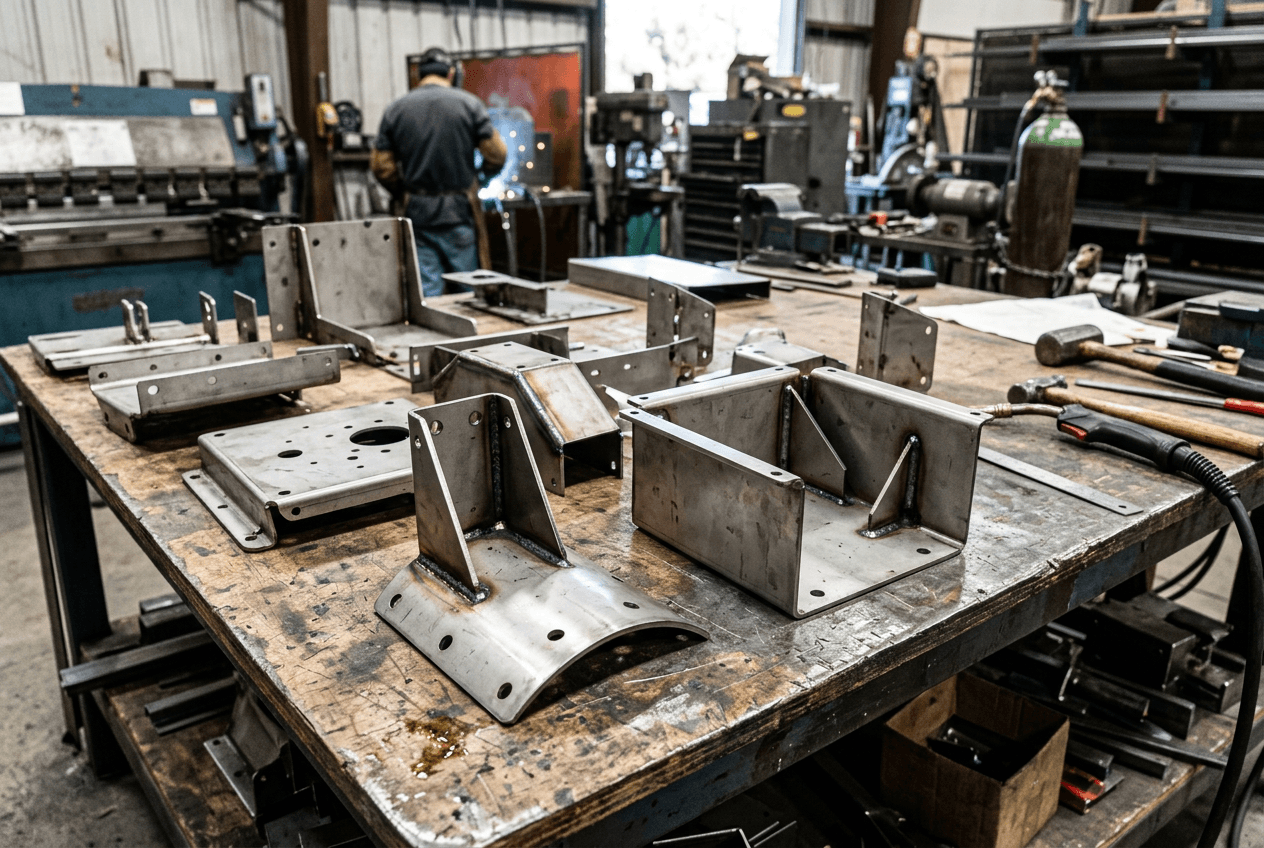
A welded cabinet, machine frame, or bracket set can attract three very different prices from three capable shops. That gap usually does not come from skill. It comes from assumptions. One supplier prices a basic weld-up. Another adds continuous beads, grinding, and fixture time. A third includes inspection and correction because the drawing leaves those steps open. The mig welding process is rarely the real problem. The RFQ is.
For buyers, the risk is simple and expensive. If the drawing does not separate structural welds from cosmetic welds, or hidden joints from visible ones, every supplier builds a different scope. The quote comparison then becomes misleading. Procurement thinks it is comparing unit price. In reality, it is comparing different interpretations of the same part.
Yishang often sees this on custom sheet metal fabrication jobs for enclosures, frames, and welded assemblies. The parts look similar on paper. The weld intent does not. That is where quote distortion starts, and that is where production problems usually begin too.
How a MIG Welding Process RFQ Splits the Same Drawing Into Different Prices
The first quote risk appears before the shop touches metal. A drawing can show the part geometry and still leave weld scope unclear. If the RFQ says “welded assembly” but does not define the weld length, bead appearance, or side of access, the shop must guess. One estimator may assume a few tack welds for location only. Another may assume full seam welding on every corner. Those are not small differences. They change labor, heat input, setup time, and correction risk.
This matters most on sheet metal parts with mixed functions. A hidden bracket inside a frame may only need enough weld to carry load. A front-facing cabinet seam may need a cleaner bead and more cleanup. If both joints sit in the same note, the supplier will protect itself with a broader price. The lower number may look attractive, but it may exclude work you expected to be included.
Buyers should treat weld scope like a commercial requirement, not a shop detail. State which joints are structural, which are cosmetic, and which can remain as-welded. If a weld can stay hidden under a panel, say so. If a seam will be visible after finishing, say that too. That one step helps the supplier price the mig welding process against the real requirement, not a guessed version of it.
Structural welds and cosmetic welds need different pricing logic
Structural welds focus on strength and consistency. Cosmetic welds add another layer. The shop may need to slow down, control spatter, and blend the bead before coating. If the RFQ does not separate those two expectations, the supplier cannot know whether to price function or appearance. In procurement terms, that means the lowest quote may leave out the very work that later causes rejection.
Where Fit-Up, Hole Location, and Fixture Reality Change the Quote
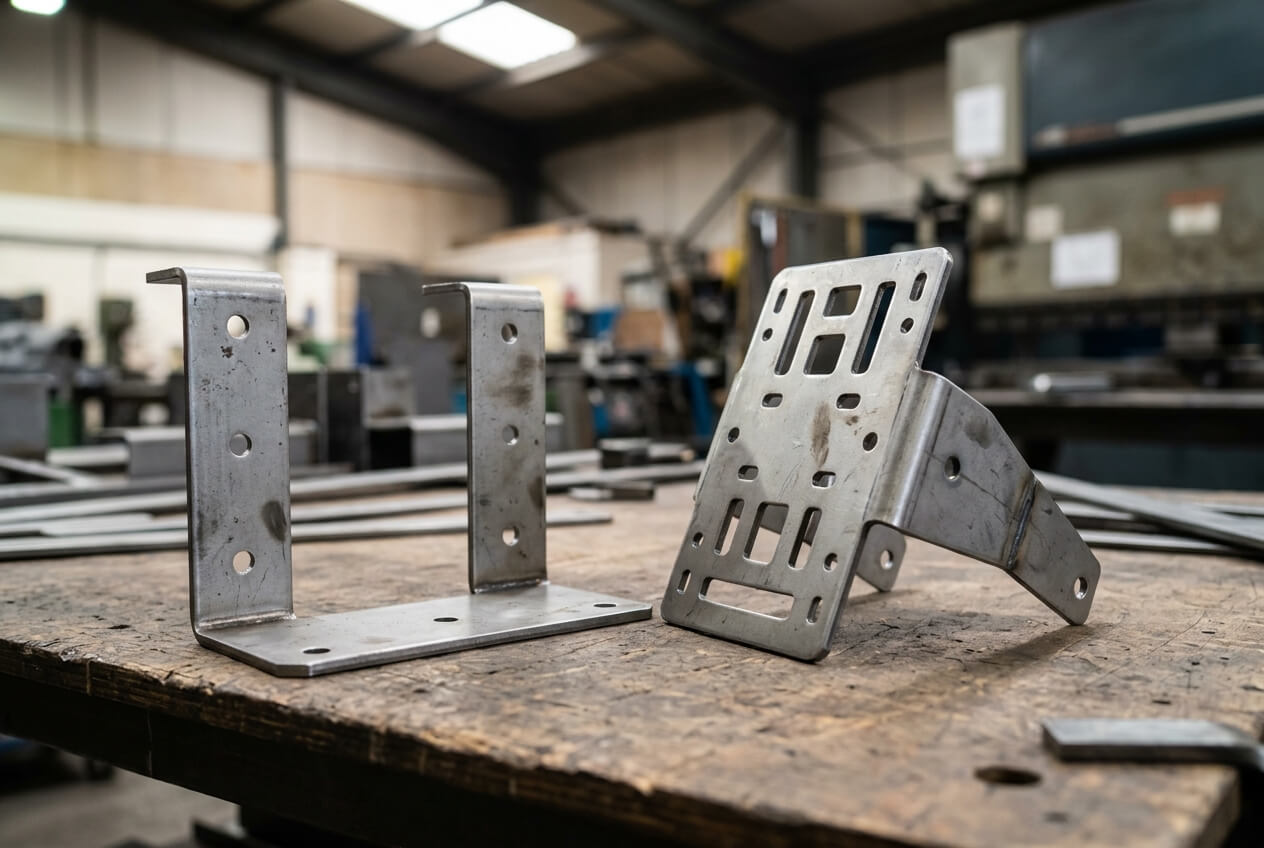
Even a clear weld note can miss the next major risk: real parts do not fit like CAD. Laser-cut blanks, bent flanges, and punched holes all carry variation. Once those parts enter the mig welding process, the gap between them controls filler use, clamp pressure, and fixture time. A part that fits cleanly in a virtual model may need hand fitting on the floor.
That is why fit-up language belongs in the RFQ. If mounting holes must align after welding, say so. If a frame must stay square so a door closes correctly, say so. If a bracket can be slotted later, include that permission. Without those notes, the shop may price for ideal geometry while the actual build requires correction. The quote then looks reasonable only until the first assembly test.
A 1 mm gap can turn into a labor problem
A small gap does not always look serious on the drawing. In production, it can force a fitter to add clamp time, adjust the fixture, or add more filler than planned. On a machine enclosure, that can shift hinge alignment. On a support frame, it can move the mating face enough to affect downstream assembly. The cost does not stop at welding. It spreads into rework, inspection, and schedule delay.
Project example: a buyer requests a powder-coated control cabinet with door hinges and internal mounting rails. The RFQ only shows the outer dimensions. The shop quotes a simple weld-up. During sample build, the hinge side pulls slightly out of square, and the door rubs. The shop then spends extra time straightening the frame. The original unit price no longer reflects the real job.
Project example: a buyer sources welded brackets for a rack system. The drawings show the bracket shape, but not the allowable gap at the tab joints. One batch needs no correction. The next batch needs more fixture control because the laser-cut tabs vary at the edge of tolerance. The price changes because the fixturing strategy changes. The buyer sees that only after the first lot.
Why a Good Sample Can Still Fail in Batch Production
Prototype approval does not guarantee production stability. A one-off sample often succeeds because the operator can slow down, stop, inspect, and correct each weld. That is useful for proving geometry. It does not prove repeatability. Once the order moves into a batch, the weld sequence, clamp wear, and heat buildup start to matter more than they did in the sample.
This is a common trap in custom sheet metal fabrication. Buyers approve the first part and assume the process is locked. Then the shop builds ten more parts and sees a different result. Corners pull slightly. Mounting holes drift. A frame that looked square in the sample needs straightening later in the run. The issue is not the drawing alone. The issue is that the mig welding process changed from a controlled sample to a faster batch method.
Procurement should ask what the production method will be, not just what the sample looked like. Which dimensions will the shop measure after welding? Which dimensions can move during welding? Does the supplier plan a dedicated fixture for the order quantity, or only a general-purpose jig? Those questions help buyers understand whether the approved sample can actually repeat.
Prototype approval freezes the part, not the process
That distinction matters for lead time as well. A sample that needs extra hand correction may still pass. In production, those corrections slow output and push delivery out. The buyer then faces a second risk: the quoted lead time assumed a stable process, but the real job requires adjustment time. If the assembly depends on repeatable fit, the RFQ should say that before the order is released.
For welded assemblies that must mate with panels, doors, or hardware, ask for the production sequence as part of the quote review. A supplier like Yishang can review the drawing and flag repeatability issues before you compare prices. That is more useful than discovering the problem after sample approval.
How Visible Welds and Finish Expectations Turn Into Hidden Labor
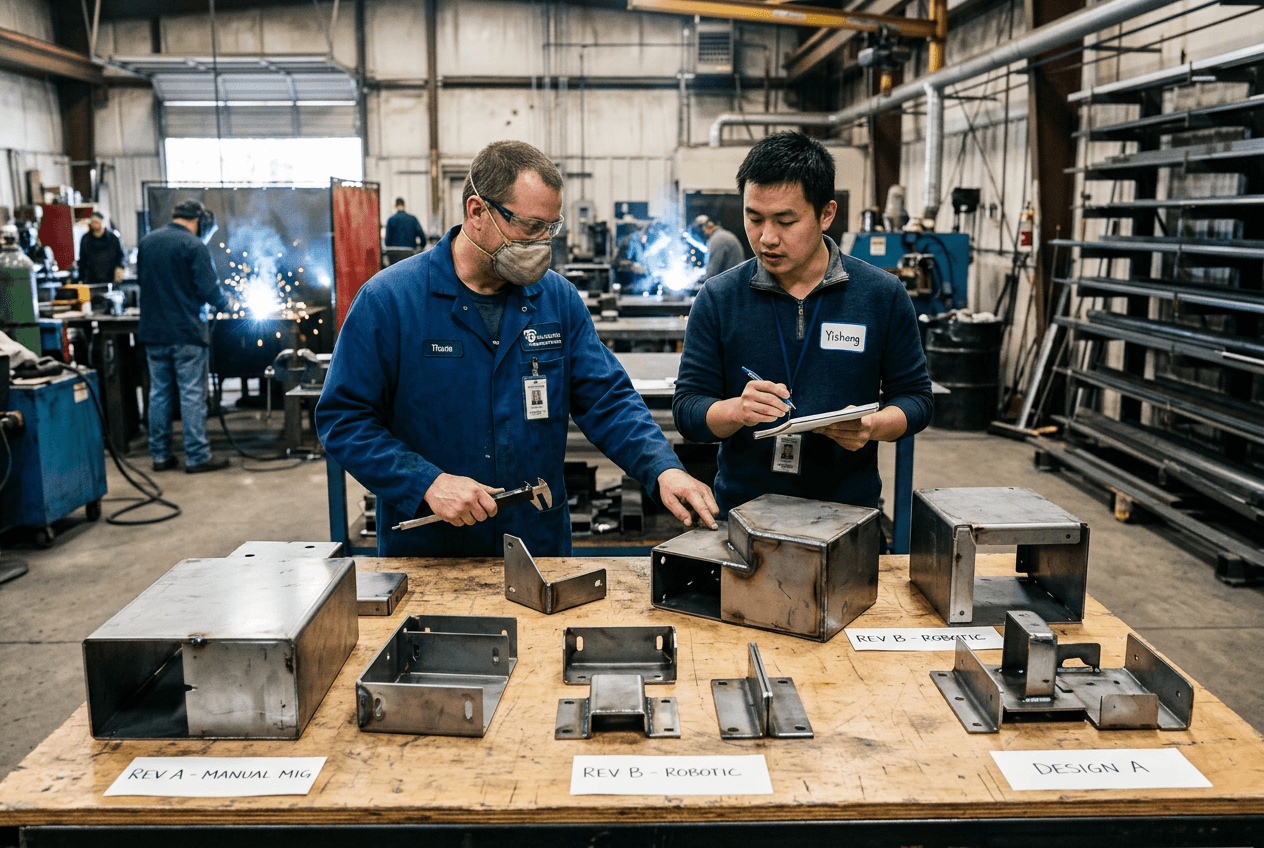
Appearance changes the mig welding process more than many buyers expect. A bead that stays hidden inside a frame may need only functional execution. A bead on a front edge or customer-facing cabinet panel needs different handling. The shop may need to reduce spatter, blend the seam, or grind the weld before coating. If the RFQ only says “powder coat black,” the supplier must guess how much cosmetic work to include.
Powder coating does not erase every weld defect. It can hide minor marks, but it can also make flaws easier to spot after curing. Surface ripples, porosity, and uneven blending may still show through. That is why finish expectations should connect directly to weld scope. If the bead can remain visible, say so. If the face must look smooth after coating, say so. If one side is functional and the other side is customer-facing, separate those requirements.
This is especially important for display racks, retail cabinets, and control enclosures. A buyer may care only about the front face, but a vague finish note often pushes the shop to treat the whole assembly as cosmetic. That raises labor time and inspection effort. The quote then includes work the buyer never intended to buy, or worse, excludes work the buyer expected by default.
Front faces should not share one rule with hidden faces
The easiest way to avoid that mistake is to mark visible surfaces on the drawing or in a marked-up photo. If a seam sits under a panel, note it. If a corner faces the customer, note that too. The supplier can then price the right level of cleanup. That keeps the quote aligned with the actual commercial risk instead of a blanket cosmetic assumption.
What to Freeze Before You Send the RFQ for a Welded Assembly Quote
Buyers do not need to over-specify every feature. They do need to freeze the items that change weld labor, fixture time, and rework. The goal is not a heavier drawing package. The goal is a clearer one. If the RFQ controls the critical weld assumptions, suppliers can quote the same scope and procurement can compare numbers fairly.
Start with the joints. Label which welds are structural, which are visible, and which can remain as-welded. Then define the dimensions that matter after the mig welding process. If a hinge line, mounting face, or hole pattern must stay in position, write that down. If a later operation can correct a minor shift, say that as well. That guidance helps the shop decide whether it needs special fixturing or simple location clamps.
Next, add the practical build notes that affect price. Give material thickness, quantity, and any assembly reference points. If the part must fit with another component, include that mating part information. If the finish requires blending, grinding, or spatter removal, identify it clearly. If you have a prototype that reveals a weak spot, include the sample feedback. Those details make the quote more accurate and reduce the back-and-forth that slows release.
- Mark structural welds, cosmetic welds, and hidden welds separately.
- State which dimensions must stay controlled after welding.
- Show fit-up limits for gaps, holes, and mating faces.
- Define finish expectations for visible and hidden surfaces.
- State quantity, material requirements, and drawing revision level.
- Attach photos or sample notes when appearance or assembly fit matters.
If your current quotes still vary too much, send Yishang the drawings, material requirements, quantities, tolerances, and finish expectations before you choose a supplier. That lets the shop review the weld scope, flag ambiguous notes, and price the job around the real manufacturing risk. It is a small RFQ step, but it can save a large correction later.
Frequently Asked Questions
Why do MIG welding process quotes for the same drawing vary so much?
Suppliers often make different assumptions about weld length, bead appearance, fixture time, and cleanup. One shop may quote a basic functional weld. Another may include grinding and inspection. If the RFQ does not define the weld scope, the numbers will not match.
What should buyers clarify first for a welded cabinet or frame?
Clarify which welds are structural, which are visible, and which dimensions must stay controlled after welding. Then define whether the part needs cosmetic cleanup or can stay as-welded. Those points change labor more than most buyers expect.
How can fit-up gaps affect the final quote?
Gap size affects filler use, clamp time, and the need for manual adjustment. A loose fit can also increase distortion risk. If the drawing or RFQ does not state the allowed gap, the supplier may price conservatively to cover correction work.
Why can a prototype pass but a batch still fail?
A prototype often gets extra attention and slower welding. Batch production uses a tighter rhythm and less hand correction. If the fixture, weld order, or alignment control changes, the production parts may drift even when the sample looked perfect.
Does powder coating hide all weld problems?
No. Powder coating can cover some small marks, but it will not hide poor bead quality, spatter, or distortion. In some cases, the coating makes surface problems easier to see. Buyers should define the acceptable finish on each visible face.
What should buyers send with the RFQ to get a cleaner quote?
Send drawings, material requirements, quantities, tolerances, finish expectations, assembly notes, and any prototype feedback. If you have marked-up photos or a weld map, include those too. Clear input helps the supplier quote the real job instead of making assumptions.