
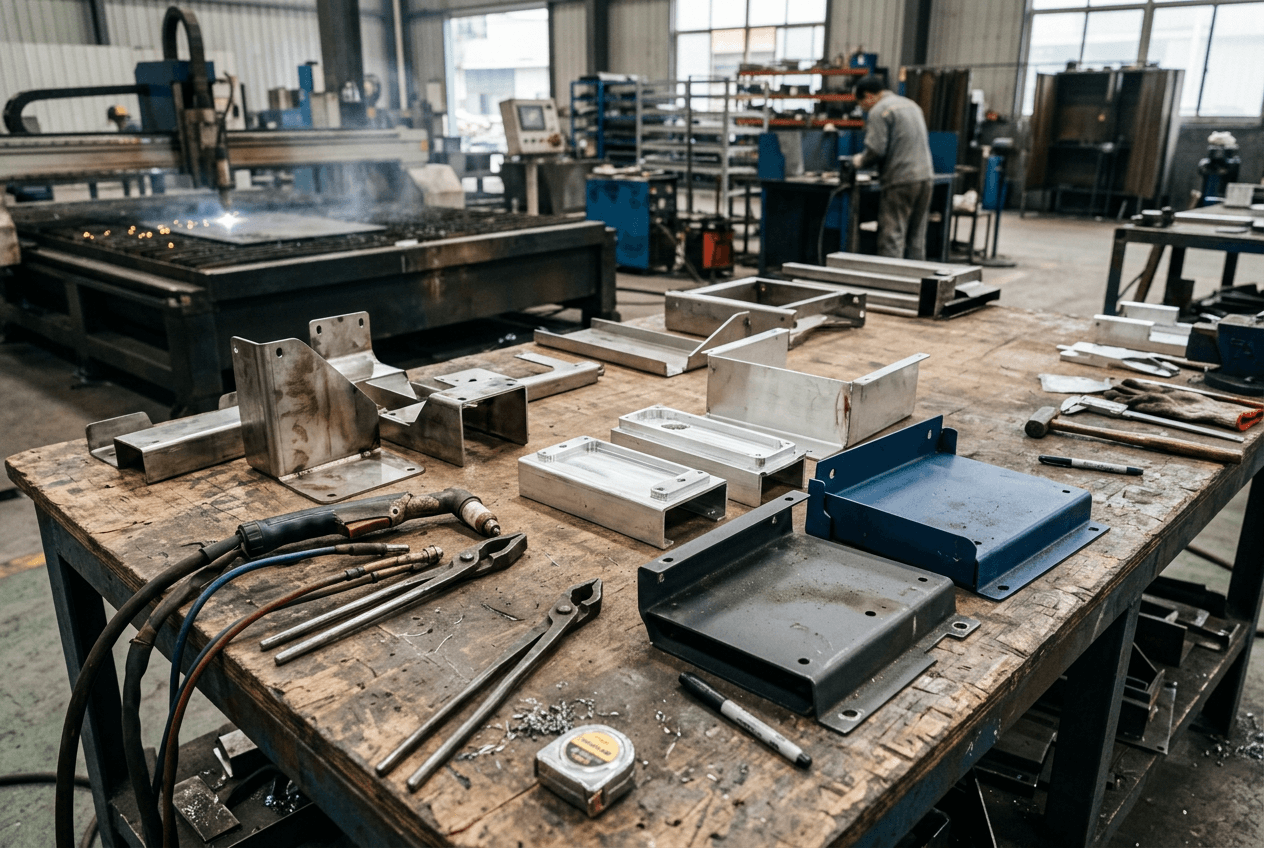
Buyers usually ask how does plasma cutter work when they are trying to compare processes. The deeper sourcing question is different: what happens when the RFQ does not define what the cut edge must do next? That is where plasma cutting creates risk. The part may cut fine, yet still fail in bending, welding, assembly, or coating because the drawing left the edge condition open.
Plasma cutting uses an electrical arc and ionized gas to melt conductive metal and blow the molten material out of the kerf. It is fast, flexible, and practical for many sheet metal parts. But the process also leaves clues on the part. Kerf width, dross, taper, and heat input all affect whether the cut blank becomes a usable component or a rework item. For procurement teams, the process matters less than the consequences of unspecified assumptions.
This is why a plasma quote can look attractive at first and expensive later. One supplier may price an as-cut blank. Another may include deburring, inspection, or extra cleanup. A third may assume the hole size, slot width, or visible edge is not critical. Those differences stay hidden until the parts reach the shop floor. Then the cost shows up as fit-up trouble, finish defects, or approval delays.
Where RFQ Assumptions Start to Distort Plasma Quotes
The first risk is not the torch. It is the drawing package. If the RFQ only shows geometry, suppliers must guess the required edge condition. They decide whether the part is meant to be cut, cleaned, formed, welded, or coated. Those guesses change price, schedule, and inspection effort. In sheet metal fabrication, a small omission can shift the entire process plan.
Plasma cutting is forgiving on many structural parts, brackets, and frame components. It is less forgiving when the part depends on exact hole location or visible edge quality. A buyer may expect a simple bracket set, but the supplier may see a part that needs secondary finishing before assembly. If the quote never states that requirement, the first article can trigger a change order.
Consider a welded machine base made from 6 mm plate. If the cut edges stay hidden inside the assembly, plasma cutting may be the practical choice. Now compare that with a cabinet front that will remain visible after powder coating. The same process can leave edge marks that become obvious after finish. The issue did not start in production. It started in the RFQ, where the buyer never named the surface that mattered.
The same pattern appears in brackets. A mounting bracket with a loose outside contour may tolerate plasma. A bracket with a tight slot that locates a mating tab may not. When the supplier cannot tell which edge controls fit, it may quote too low or prepare the wrong route. That is how one process choice turns into a procurement problem.
What the drawing must say before plasma quotes are meaningful
Buyers do not need to overload the RFQ. They need to identify the parts of the geometry that affect function. Mark the visible side. Mark the locating holes. Mark the edges that will weld, bend, or sit under another part. If the drawing says nothing about edge condition, the supplier will price to its own assumptions.
Yishang often reviews these details before quoting custom sheet metal fabrication jobs. A DXF or flat pattern shows the shape, but it does not always show the cost of cleanup or the level of fit required. A few notes on the drawing can prevent a quote gap before the order moves forward.
How Kerf, Dross, and Heat Input Change the Part After the Cut
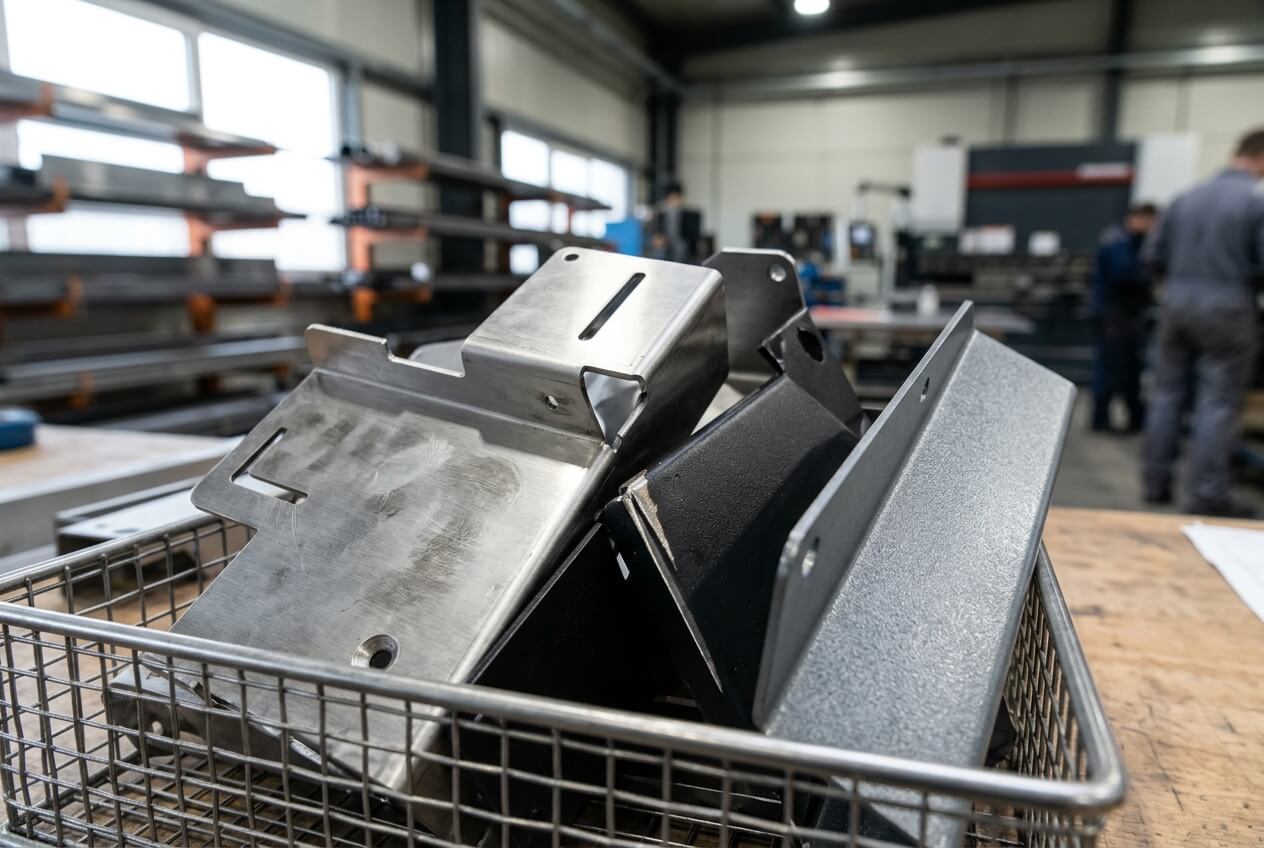
Once the cut starts, plasma creates a kerf wider than the line you drew. That width matters because it changes the actual part size. Dross can form on the lower edge and add cleanup time. Heat input can leave a rough edge or slight distortion, especially on thinner stock. None of these effects are unusual. The risk appears when the buyer treats them as cosmetic instead of functional.
Kerf width becomes important on slots, tabs, and hole patterns. If the design depends on a snug tab fit, even a small variation can affect assembly. Dross matters when the edge must sit flush or accept a weld. Heat input matters when the part needs to stay flat or preserve a nearby bend line. These are not abstract technical details. They determine whether the part reaches the next operation without manual correction.
A control cabinet side panel makes the consequence clear. If the hole pattern is off, the internal bracket may not align. If the edge has heavy dross, powder coating can highlight the defect instead of hiding it. The panel may still function, but the job now needs extra labor. That cost often never appears in the first quote.
Edge condition also affects inspection. A simple go/no-go check may be enough for a rough bracket. It may be inadequate for a panel that controls assembly location. If the RFQ never defines inspection expectations, each supplier builds its own version of acceptable. That is why the same part can receive very different prices and very different approval outcomes.
Short project example: an enclosure panel that looked cheap on paper
An equipment maker requested laser-like fit on a 1.5 mm enclosure panel, but the RFQ only said plasma cut. The first quote looked low because the supplier assumed as-cut delivery. After first article review, the team saw visible dross on the lower edge and oversized holes near a bend. The fix was not difficult, but it added deburring and rework. The real cost gap came from the missing edge notes, not the cutting process itself.
Why Plasma Can Work for Frames and Brackets but Fail on Assembly Fit
Plasma cutting often makes sense on welded assemblies, machine frames, and thick mounting parts. Those parts can tolerate a rougher edge if the cut line does not control the final fit. The risk rises when the cut part must locate another component with little forgiveness. In that case, the cutting process becomes part of the assembly tolerance stack.
A frame brace can be plasma cut and still perform well if the welds absorb small edge variation. A locating bracket is different. If the tab is too wide, the bracket may bind. If the hole shifts, the fastener may not align. If the plate warps slightly, the assembly team may need to force the fit. That extra labor is not a small issue on a prototype. It becomes a serious issue in batch production.
Buyers often miss this because the prototype fits after hand finishing. A technician may grind one edge, open one hole, or adjust one part by feel. The sample passes. The batch then fails to repeat the same result. That is not a supplier failure alone. It usually means the approval process accepted a manual correction that could not scale.
The same risk applies to welded frames. If a base plate sits out of square, the whole frame can drift during welding. If the hole pattern on a side plate shifts, the mounting sequence changes. The part may still assemble, but cycle time increases. The quotation never promised that hidden labor.
For many buyers, the right question is not whether plasma can cut the shape. It is whether the part can still fit after plasma cutting, forming, and welding. If the answer depends on manual cleanup, the RFQ needs more detail before award.
Why Prototype Approval Does Not Guarantee Batch Consistency
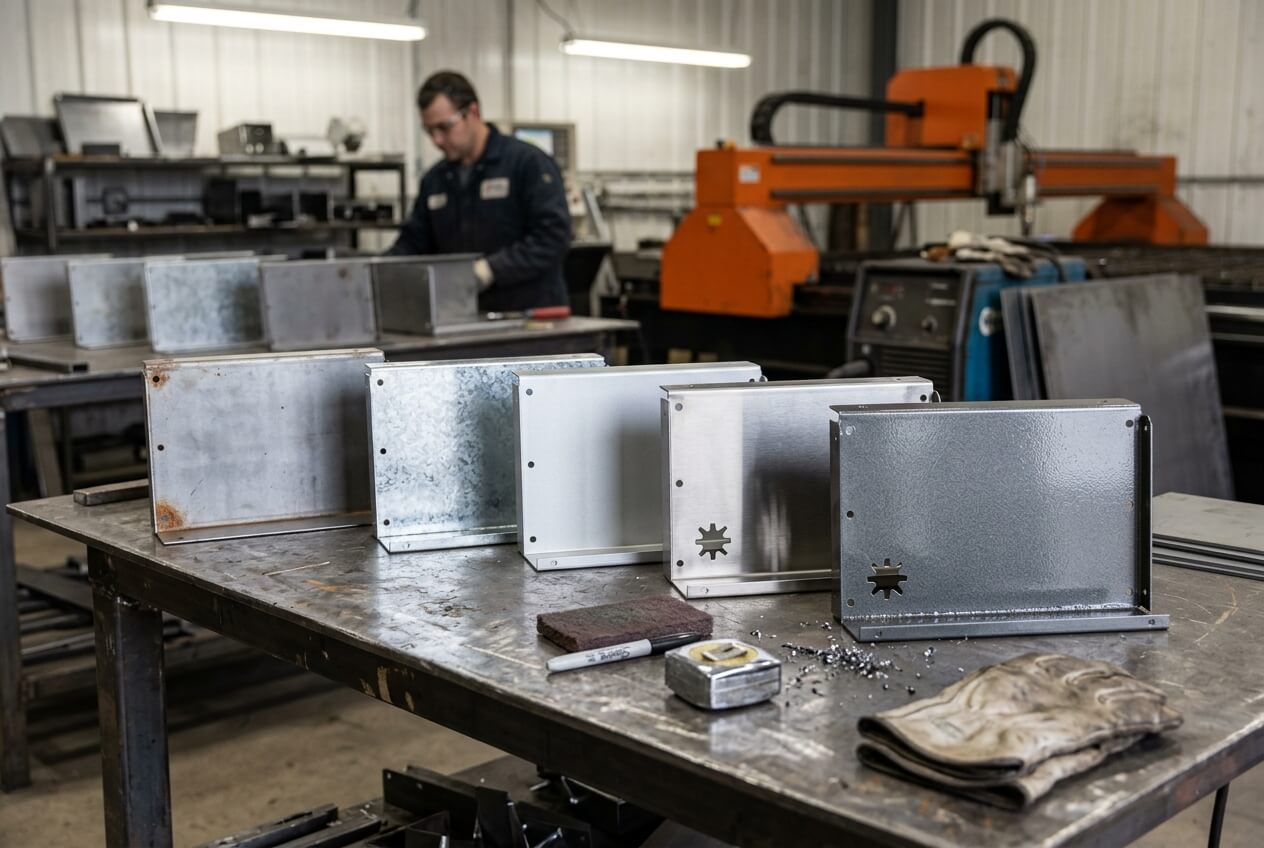
Prototype success can create false confidence. One sample may pass because the operator compensates for edge variation, consumes a fresh torch tip, or slows the cut speed for a difficult area. None of that guarantees the same result across fifty or five hundred parts. Plasma cutting has controllable variables, but it still depends on consumable wear, torch height, nesting layout, and operator discipline.
This matters most when a prototype goes into a welded assembly or a coated enclosure. A sample may look acceptable before finish. A batch may show more dross because the cut direction changed. A hole may drift because the operator used a different setup. The buyer sees inconsistency, while the shop sees normal process variation. The contract only works if both sides defined the acceptable range up front.
Ask how the supplier controls first article approval and repeatability. Ask whether the same cut parameters will run across the batch. Ask how often consumables are replaced. Ask whether edge cleanup happens before forming or after. These are not abstract quality questions. They tell you whether the quoted price includes the labor needed to keep the parts consistent.
One practical example is a welded rack frame made from cut plates and formed supports. The prototype passed because one corner was hand dressed. The production lot did not receive the same attention, so the mating tabs needed extra work at assembly. A second example is a cabinet side panel with several slots. The sample fit the insert bracket, but later batches showed more taper and required rework. In both cases, the root issue was not the cutting method alone. It was the gap between prototype handling and batch control.
When the buying team reviews first articles, it should compare them against the function, not just appearance. If the part must sit flush, seal, align, or weld in sequence, the approval should reflect that. Yishang can support drawing review and prototype feedback when the goal is to confirm manufacturability before volume release.
What to Lock Into the RFQ Before You Compare Plasma Quotes
At quote stage, the safest approach is to remove assumptions one by one. Start with the material and thickness, then state which edges are functional and which are only cosmetic. Identify any hole that controls assembly. Note whether the part will be bent, welded, or powder coated after cutting. That information helps the supplier price the real job instead of the simplest version of the job.
Buyers should also define the condition of delivery. Do you want as-cut blanks, deburred parts, or parts ready for assembly? Do you need cut edges smoothed before coating? Do you need the supplier to review the flat pattern for bend or slot risk? These questions change the quote more than many buyers expect. They also reduce the chance of a price increase after the order is placed.
It helps to send a marked drawing, not just a file. Add notes for visible faces, hidden edges, critical holes, and mating surfaces. If possible, send a sample photo or a simple sketch of how the part sits in the assembly. A supplier can make better decisions when it sees how the cut part will be used. That is especially true for metal enclosures, brackets, frames, and welded assemblies.
Yishang can review drawings, material requirements, quantities, tolerances, and finish expectations before quoting custom sheet metal parts. That review is most useful when the buyer wants to know whether plasma cutting is safe for the application, or whether the part needs tighter control than plasma alone can provide.
Send your drawings, material requirements, quantities, tolerances, and finish expectations to Yishang if you want the plasma-cut route checked before you compare supplier quotes. The goal is not to force one process. The goal is to price the part with the right assumptions the first time.
Frequently Asked Questions
How does plasma cutter work on sheet metal parts that will be bent later?
The cutter melts conductive metal with a concentrated arc and gas stream. That cut can leave a wider kerf and more edge variation than laser cutting. If the part will be bent later, the RFQ should state hole location, bend lines, and any edge condition that matters after forming.
Why can a plasma quote be lower than the final manufacturing cost?
Some quotes assume as-cut delivery only. Others include deburring, inspection, or edge cleanup. If the drawing does not define visible edges, fit-up, or post-cut work, the first number may omit labor that shows up later in production.
When is plasma cutting a practical choice for enclosures and cabinets?
Plasma often works well for thicker enclosure parts, hidden edges, and parts that will be welded or covered. It becomes riskier when the face remains visible after powder coating or when the slots and holes control assembly location.
What should buyers clarify before approving a plasma-cut prototype?
Confirm whether the sample was hand finished, which edges were inspected, and whether the prototype reflects batch settings. A sample can fit even when the production lot will not repeat the same result without extra control.
Does plasma cutting create more risk for welded assemblies than for loose parts?
Yes, because fit variation compounds during welding. A small hole shift or tapered edge can change alignment, tab fit, and weld sequence. Loose parts usually tolerate more variation than parts that must locate each other accurately.
What should be included when sending a RFQ for plasma-cut sheet metal fabrication?
Send the drawing, material grade, thickness, quantity, tolerances, finish expectations, visible and hidden edges, and any notes on bending, welding, or coating. The more the supplier understands the end use, the more accurate the quote will be.