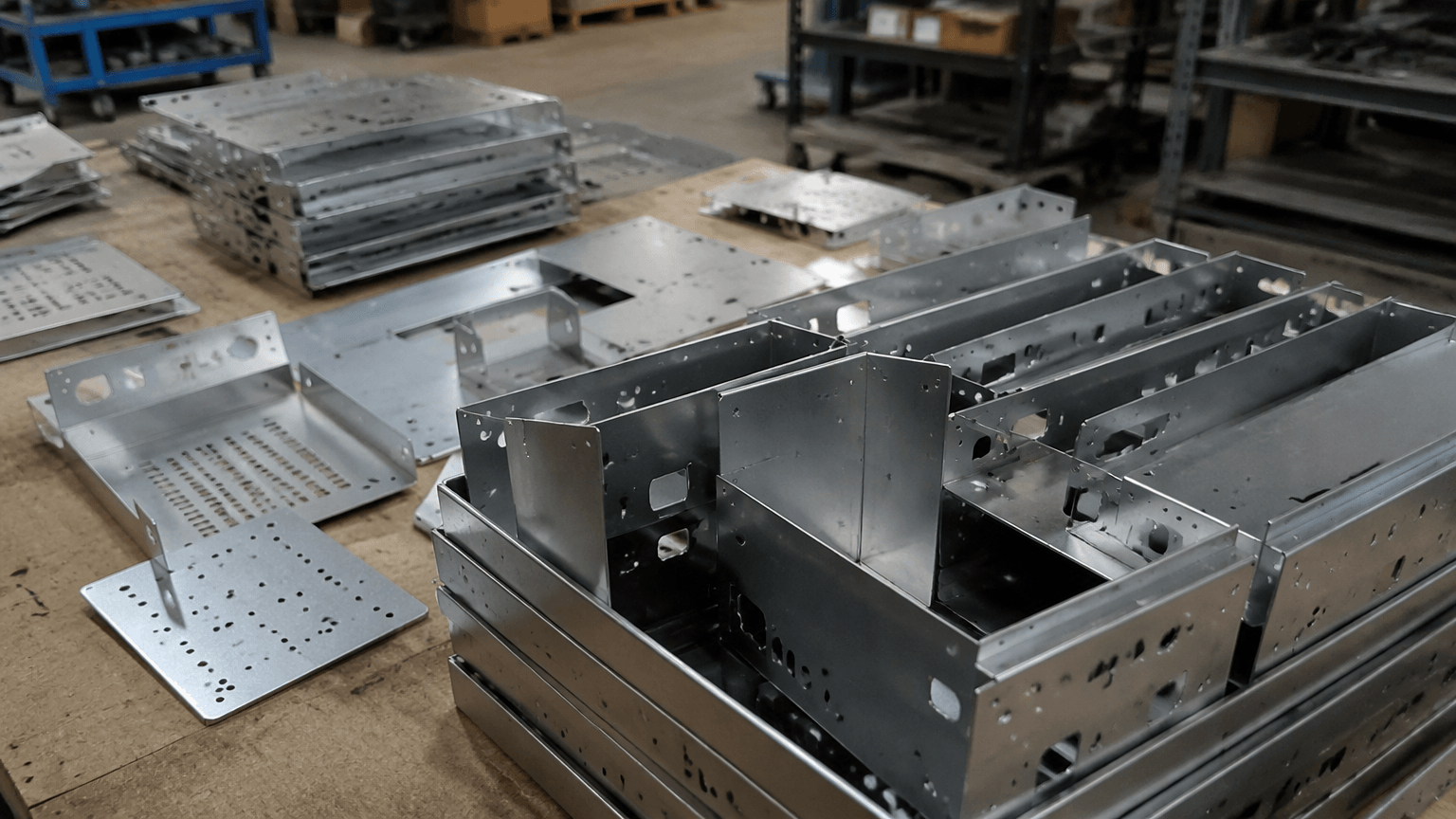
A sheet metal instant quote provides a preliminary price from a CAD file and the manufacturing information submitted with it. Buyers can use it to compare pricing for a prototype, enclosure, bracket, panel, or other fabricated part before placing an order. The quoting system may evaluate geometry, estimate material use, identify cutting and forming operations, and calculate a price for the selected quantity.
Treat the first figure as a basis for review rather than an automatic manufacturing commitment. Before releasing a purchase order, confirm the material, thickness, tolerances, finish, secondary operations, inspection scope, packaging, and delivery assumptions. A useful quotation clearly separates included work, items that need engineering review, and potential additional costs.
What the Instant Price Covers
The calculation usually starts with the developed blank rather than only the finished folded dimensions. Blank size, profile complexity, material utilization, bend count, and quantity can affect the preliminary price. Small holes, narrow slots, multiple bends, threads, and tight dimensions may add operations or trigger supplier review.
A quoting system may evaluate or price the following:
- Sheet material: The selected alloy or material, nominal thickness, sheet size, and estimated utilization.
- Profile cutting: Laser cutting or another specified sheet-processing method.
- Forming: The number and arrangement of bends.
- Secondary operations: Deburring, tapping, countersinking, hardware insertion, welding, or assembly.
- Surface treatment: Brushing, powder coating, plating, or another specified finish.
- Commercial items: Inspection, packaging, tooling, shipping, minimum-order charges, or urgent-order charges where applicable.
Keep each operation identifiable in the quotation. CNC turning produces rotational components, while CNC milling removes material from a solid workpiece or block. Neither process matches the cutting and bending used for sheet metal parts. If a turned bushing or milled component fits into a fabricated enclosure, list it as a separate part or operation with its own material, dimensions, threads, tolerances, and interface requirements.
Information to Submit With the RFQ
Submit a CAD file for geometry and a controlled drawing for dimensions and acceptance requirements. The model communicates the folded shape, but it may not define datums, critical dimensions, thread requirements, appearance areas, or inspection methods. Together, the model and drawing give the supplier a clearer basis for manufacturing review.
Include these details in the request:
- Material: State the required alloy or material designation. Terms such as “metal” or “stainless” do not establish a production basis.
- Thickness: Identify the nominal sheet thickness and note any variation that could affect fit, weight, or forming.
- Quantity: Separate prototype, sample, pilot, repeat, and production quantities. Suppliers may distribute setup, nesting, packaging, and processing costs differently at each volume.
- Tolerances: Mark critical dimensions and provide suitable general tolerances. Give each tight tolerance a functional reason and a defined inspection method.
- Finish: Define the process, visible surfaces, color or appearance reference, texture, masking areas, and finished-surface limits.
- Additional operations: List tapping, countersinking, hardware insertion, welding, grinding, assembly, labeling, and inspection documentation separately from cutting and bending.
- Delivery and packaging: State the destination, requested date, packaging requirements, and whether you will accept partial shipments.
For an assembly, provide individual part files, an assembly drawing, a bill of materials, and hardware information. These documents help the supplier distinguish fabricated sheet metal parts from purchased components and machined interfaces. They also prevent a quote from covering only the visible sheet metal while omitting hardware, welding, assembly, or protective packaging.
Design Details That Affect Manufacturability
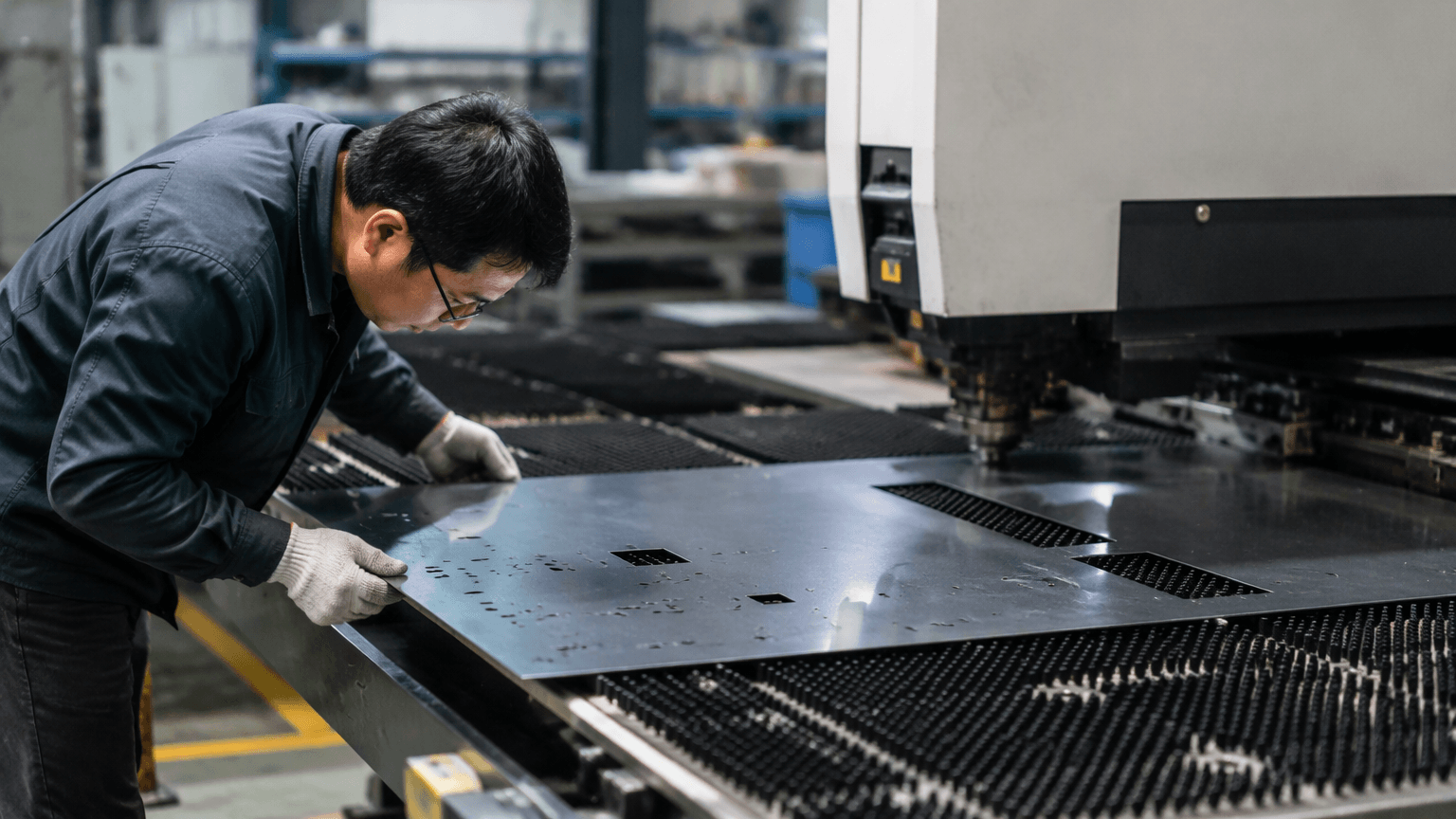
An instant quoting system may flag a likely manufacturing issue, but the buyer and supplier still need to determine how it affects the design and order. A prototype may require clarification about bend sequence, hole access, or finish protection before buyers can compare its price with another offer.
Holes and slots: A hole that is very small relative to sheet thickness may prove difficult to cut cleanly or may require another process. Hole-to-edge distance also affects the surrounding strip during cutting and forming. The workable relationship depends on material, thickness, feature geometry, and process.
Bends: Flange length, inside bend radius, bend-to-hole distance, and clearance between adjacent bends can affect deformation and tooling access. A folded model may still need a different bend sequence or design adjustment.
Angular accuracy and springback: Alloys and thicknesses respond differently during forming. The CAD angle alone does not define the forming setup or inspection result. Mark critical angles on the drawing and specify the required tolerance and measurement method.
Threads and hardware: A tapped hole needs adequate material engagement and tool access. Press-fit hardware needs a suitable hole and local material condition. Define interface dimensions, thread specifications, depth, and inspection requirements instead of relying on the solid model alone.
Finishing: Deburring, brushing, powder coating, plating, and other treatments can change appearance, edge condition, dimensions, masking needs, and contact surfaces. Threads, press-fit locations, grounding points, and mating surfaces may need protection or post-processing. Confirm which finishing operations and surfaces the quotation covers.
Review the Quoted Scope
Read the instant quote as both a price and a scope document. Match the uploaded file, drawing revision, quantity, and selected options with the quotation before comparing suppliers or releasing a prototype order. A lower figure matters only when suppliers quote equivalent scopes.
| Quote item | What to check | Why it matters |
|---|---|---|
| Material and thickness | Alloy, designation, nominal thickness, and substitution assumptions | These factors affect weight, forming behavior, cutting conditions, and price. |
| Quantity and lot structure | Prototype quantity, production quantity, and split shipments | Suppliers may allocate setup, nesting, packaging, and logistics differently. |
| Operations | Cutting, bending, deburring, machining, hardware, welding, and assembly | Missing secondary operations can make a low price incomplete. |
| Finish | Process, appearance reference, masking, and covered surfaces | Finish requirements affect cost and acceptance. |
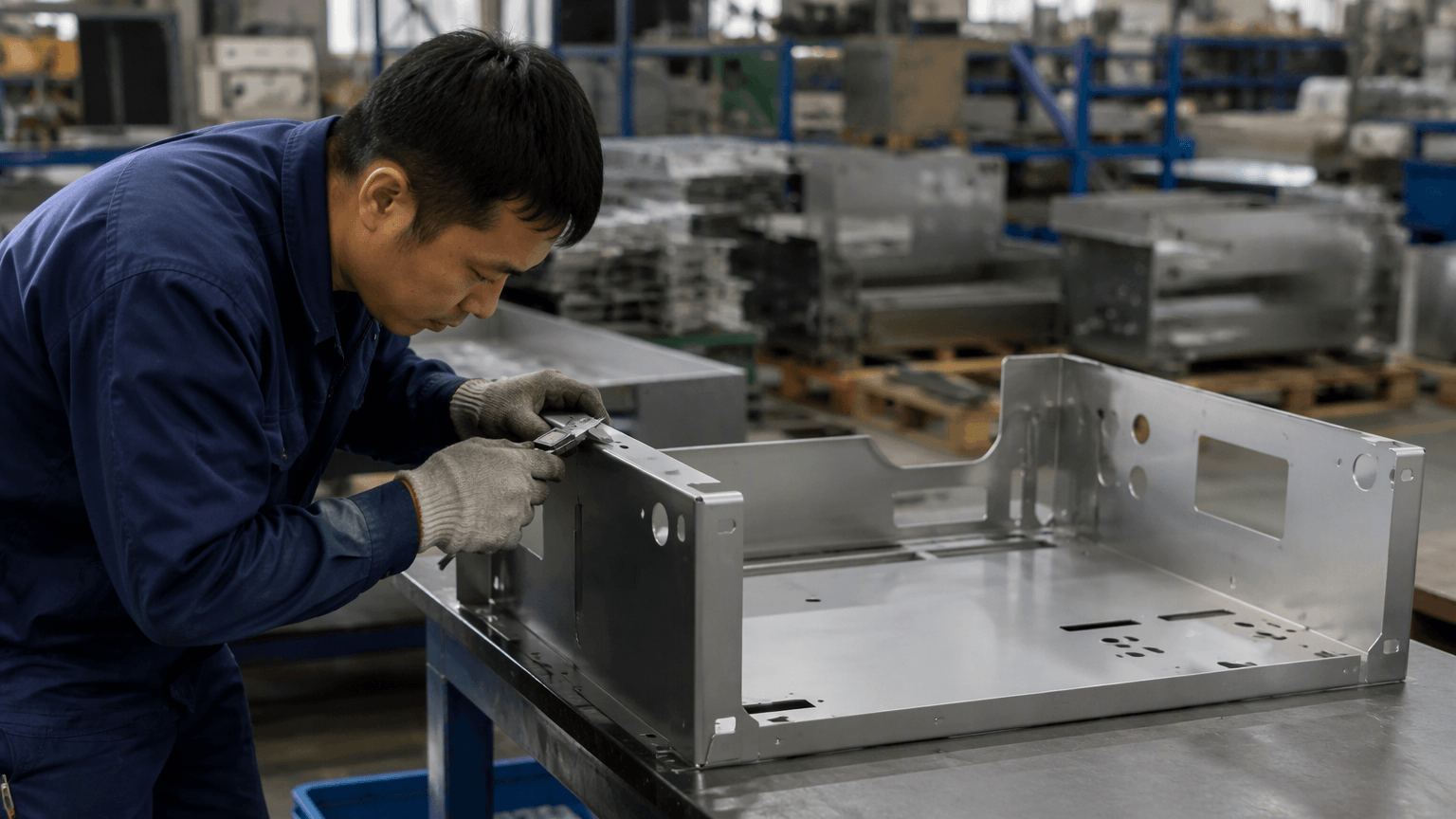
| Quality scope | Critical dimensions, material records, and inspection documents | Inspection effort should match the drawing and product requirements. |
| Delivery and packaging | Engineering review, fabrication, finishing, packing, transport, and stated dates | An online date may cover only part of the complete delivery period. |
Check exclusions carefully. A price may cover one fabricated part but omit assembly, tooling, special inspection, freight, taxes, or urgent-order charges. Ask whether the supplier includes engineering review, how it manages drawing revisions, and whether a revised file requires a new quote.
When to Request Engineering Review
Request manual review when a part has unusually tight tolerances, many bends, welded subassemblies, cosmetic surfaces, unusual materials, complex hardware, or important mating interfaces. A design change also merits review when it could materially affect sheet utilization or assembly effort across the order quantity.
Ask the supplier to confirm the flat pattern, bend sequence, critical dimensions, finish process, inspection scope, and packaging method as relevant. Treat welding as a joining operation that follows cutting and forming. Review joint access, distortion, weld visibility, grinding, and post-weld finishing separately. Document any proposed design adjustment and route it through the normal engineering change process. Automatic file acceptance does not show that the supplier has evaluated every drawing requirement.
Request a Sheet Metal Instant Quote
Send the drawing and CAD files, material, sheet thickness, quantity, tolerance requirements, and finish. Add any tapping, hardware insertion, welding, machining, assembly, or inspection documentation. Include the delivery destination, packaging requirements, and prototype needs so the supplier can distinguish the fabricated sheet metal scope from related work.
Ask the supplier to clarify manufacturability and quotation assumptions before you place the order. The review should establish what the sheet metal instant quote includes, what still needs engineering or commercial confirmation, and which requirements control acceptance of the finished parts.
Where RFQ Assumptions Create Cost and Production Risk
Many sheet metal fabrication problems begin before production starts. If drawings, tolerances, finish expectations, material grades, or assembly requirements are unclear, suppliers may quote based on different assumptions. That can make prices difficult to compare and may lead to rework, cosmetic rejection, assembly misalignment, or production delays later.
For OEM buyers, the goal is not simply to request the lowest price. The goal is to make sure each supplier is quoting the same manufacturing reality. Before confirming an order, clarify which dimensions are fit-critical, which surfaces are cosmetic, whether prototypes must match batch-production conditions, and how finished parts will be inspected.
Frequently Asked Questions
What sheet metal instant quote details should buyers define before requesting a quote?
Buyers should define the functional requirement, drawing notes, critical dimensions, material or process expectations, and any inspection points related to sheet metal instant quote. This helps suppliers quote the same manufacturing scope instead of making different assumptions.
How can RFQ details affect cost, fit, or lead time?
RFQ details can change tooling, forming, welding, finishing, inspection, or rework requirements. If buyers do not clarify it early, two supplier quotes may look comparable while covering different production risks.
Why should drawing requirements be reviewed before prototype approval?
drawing requirements may look acceptable on a single sample but become harder to control during batch production. Buyers should confirm whether the prototype reflects the same process, finish, and inspection conditions expected for production.
What inspection points matter most for sheet metal instant quote projects?
Important inspection points usually include fit-critical dimensions, holes or mating areas, cosmetic surfaces, finish build-up, welded or formed features, and any dimensions that affect downstream assembly. These points should appear in the RFQ or drawing notes.
How can buyers reduce prototype approval risk before batch production?
Buyers can reduce risk by clarifying drawings, locking key material and finish assumptions, defining inspection timing, approving a representative sample, and confirming which dimensions or surfaces require tighter process control.
How can Yishang help review sheet metal instant quote requirements?
Yishang can review drawings, RFQ notes, material requirements, tolerance expectations, finish details, samples, and assembly needs to identify unclear assumptions before quoting or batch production.