
Introduction: The Strategic Significance of Surface Finishes
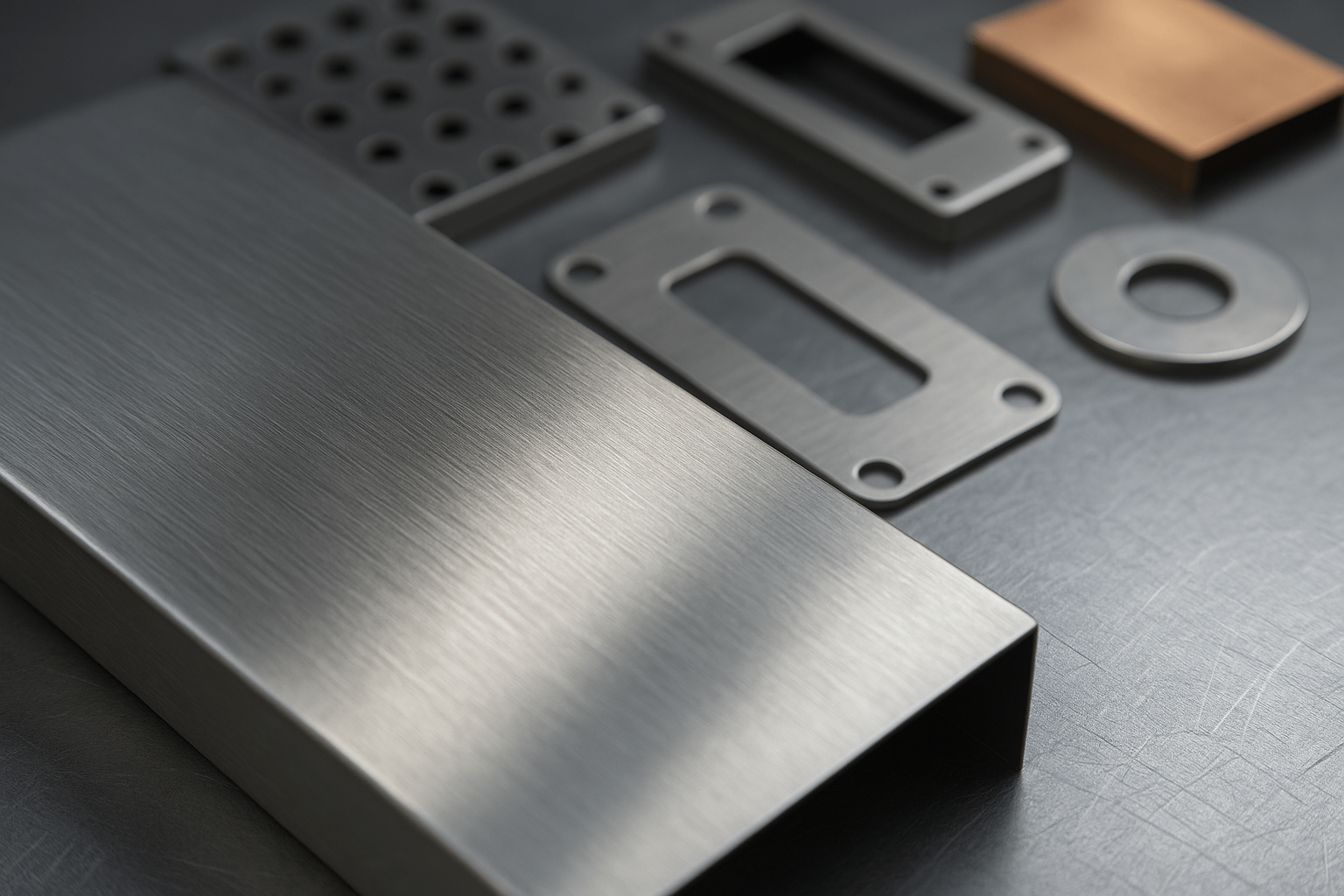
In product manufacturing, surface finish is not a minor cosmetic decision. For OEM buyers, sourcing managers, and product teams, it affects appearance, durability, inspection consistency, transport resistance, and long-term brand perception.
A brushed metal finish is often chosen because it offers a practical balance between visual quality and production suitability. In many commercial applications, it can help reduce visible handling marks, improve consistency across batches, and support a more premium finished look without moving into high-cost decorative processing.
Understanding Brushed Metal Finishes
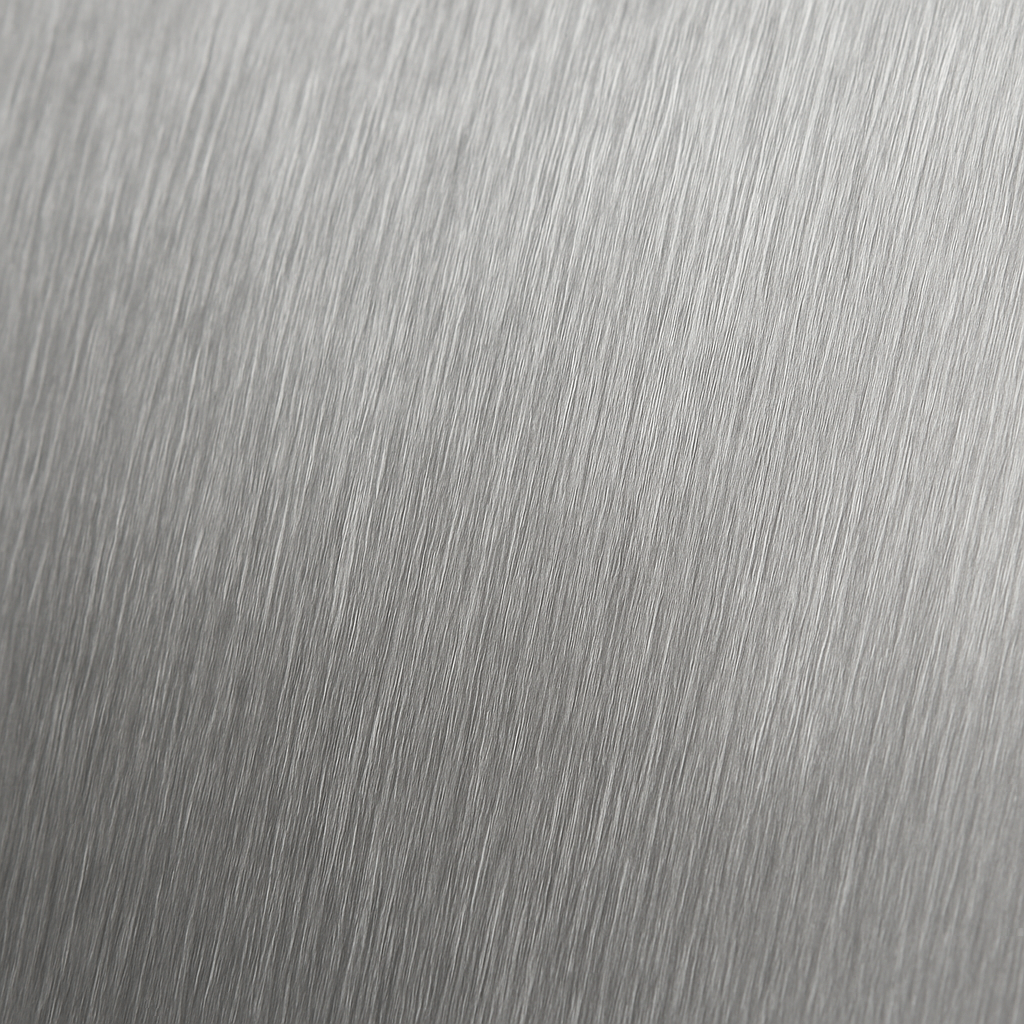
A brushed metal finish is produced by creating a controlled directional grain on the surface of the metal. That grain softens reflectivity, gives the part a cleaner matte appearance, and helps reduce the visibility of light scratches or handling marks.
For buyers, this matters because brushed surfaces are often easier to assess visually than mirror-polished finishes and more durable in everyday use than highly decorative untreated surfaces. This makes them common in enclosures, panels, trims, appliance parts, branded housings, and architectural hardware.
The Brushing Process: Techniques and Considerations
Pre-treatment Steps
Before brushing begins, the material surface must be properly prepared. Cleaning, leveling, oxide removal, and defect correction are all important because any pre-existing surface issue may become more visible after the grain is applied.
For commercial buyers, weak pre-treatment is one of the most common reasons brushed parts fail visual inspection later.
Brushing Techniques and Surface Roughness
Different brushing methods suit different production needs.
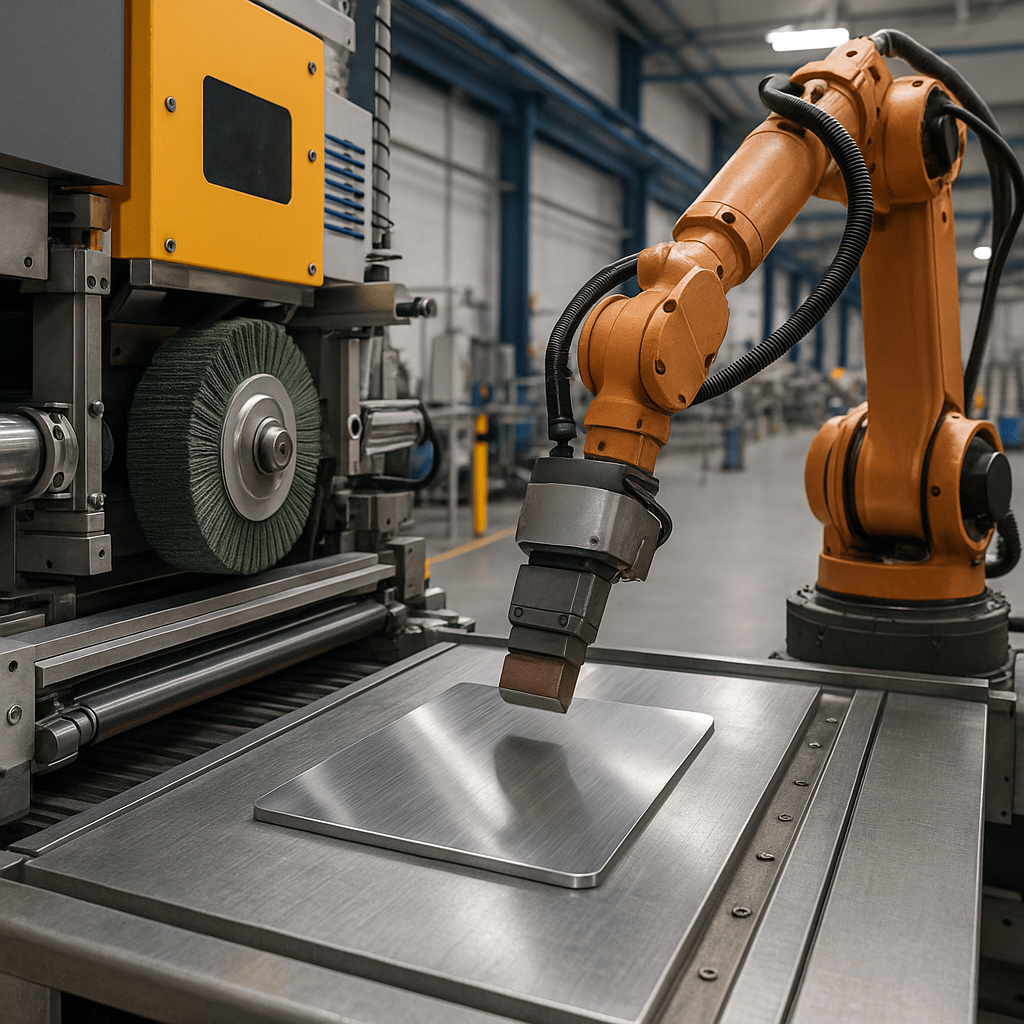
Manual brushing is more suitable for small runs, irregular forms, or repair work.
Mechanical brushing is widely used for stable batch production and repeatable grain direction.
Robotic brushing offers stronger consistency where finish control is especially important.
Surface roughness also matters. If the grain is too coarse, the finish may look inconsistent or create coating challenges. If it is too fine, the intended brushed effect may be visually weak. For many commercial projects, roughness consistency is just as important as nominal roughness value.
Post-treatment and Protection Measures
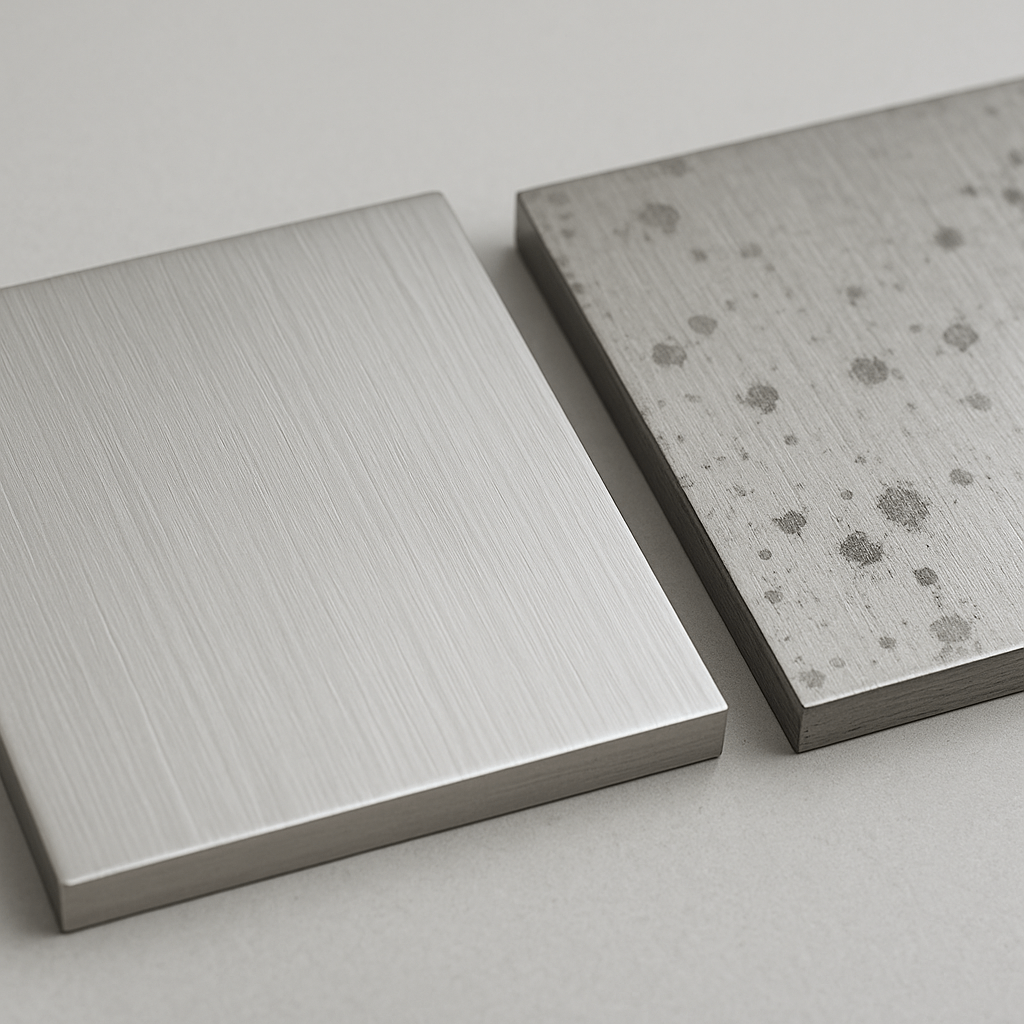
Brushed surfaces often need a protective follow-up process. Depending on the material, this may include passivation, anodizing, clear coating, or protective film application.
This step is especially important for export projects, humid environments, and customer-facing products where staining, oxidation, or transit damage would create quality complaints later.
Material Compatibility and Effects
Stainless Steel
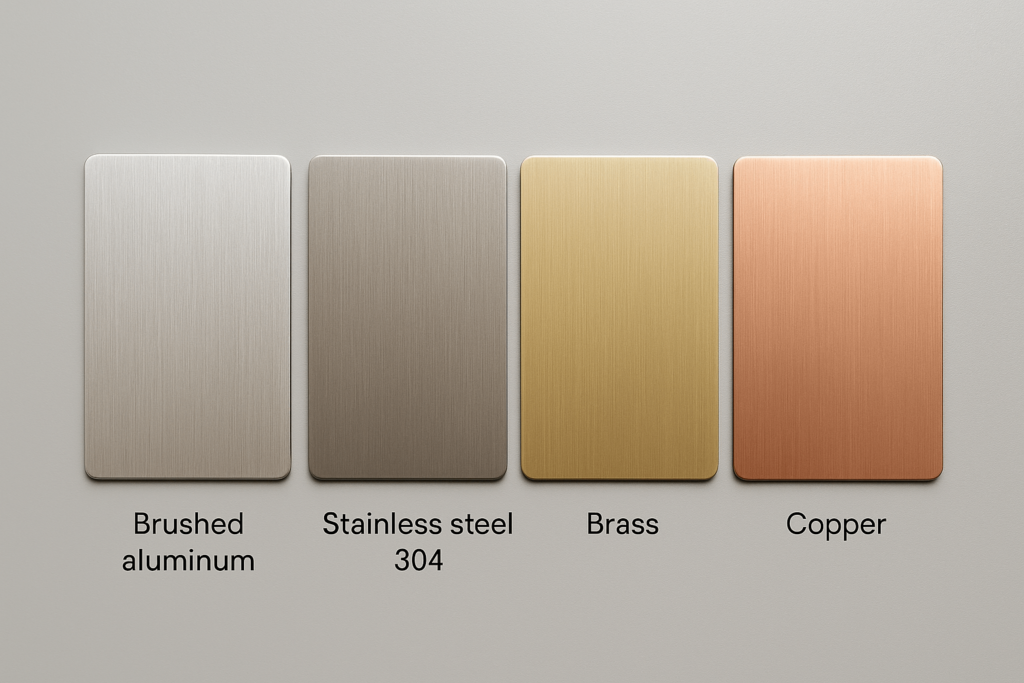
Brushed stainless steel is widely used where buyers need corrosion resistance, cleanability, and a durable industrial appearance. Grades such as 304 and 316 are common in medical devices, vending equipment, enclosures, architecture, and commercial fixtures.
For B2B buyers, stainless steel is often attractive because it combines finish stability with strong long-term performance.
Aluminum
Brushed aluminum is popular in electronics housings, automotive trim, control panels, and lightweight enclosures. It offers a clean appearance with lower weight than stainless steel and can work well in projects where both cosmetic consistency and practical manufacturability matter.
Because aluminum surfaces are more reactive, buyers should pay close attention to anodizing, clear coating, handling protection, and transit packaging.
Brass and Copper
Brushed brass and copper create a warmer, more decorative look than stainless steel or aluminum. They are often used in signage, hospitality fixtures, display elements, and lower-contact decorative components.
However, they usually need stronger protection planning because tarnish, oxidation, and handling marks can appear more quickly if the finish is left unsealed.
Applications Across Industries
Automotive
In automotive interiors and trim applications, brushed finishes are often selected for their modern appearance and their ability to hide minor wear better than highly reflective surfaces.
For buyers, the main concern is usually repeatability across large volumes and consistent appearance under different lighting conditions.
Consumer Electronics
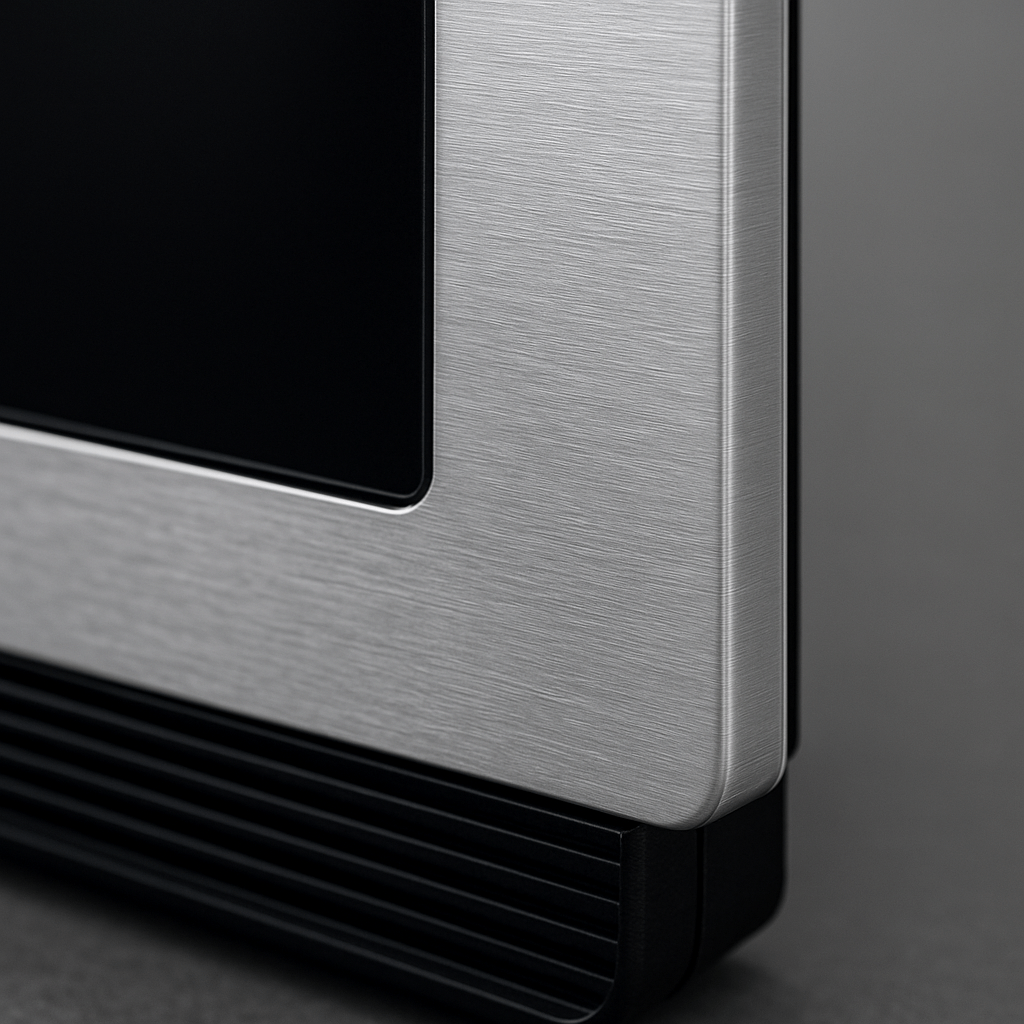
Consumer electronics often use brushed finishes for housings, front panels, speaker surfaces, and accessory components. The finish helps create a more premium look while reducing the visual impact of light scratches and fingerprints in daily handling.
Architecture and Commercial Projects
In architecture and commercial interiors, brushed finishes are common in lift panels, signage frames, wall features, cladding details, and public-facing metal fixtures.
These projects often value brushed surfaces because they control glare better than mirror finishes while still presenting a refined appearance.
Purchasing Guidance and Selection Missteps to Avoid
When buyers source brushed metal parts, appearance is usually the first thing discussed—but it should not be the only thing specified. Many finish problems begin with incomplete drawings, unclear grain direction requirements, or missing post-treatment instructions.
A proper specification should define grain direction, surface expectation, protection method, acceptable variation, and any required secondary treatment. Without that detail, buyers often receive parts that look generally brushed but do not match the intended product standard.
Advantages and Limitations
Strategic Advantages
A brushed finish can help reduce the visibility of minor handling marks, improve consistency in commercial product lines, and support a premium appearance without the maintenance demands of mirror finishes.
It can also make visual inspection more practical because the finish type is easier to standardize when the supplier has stable process control.
Limitations to Address
The main limitation is that brushed grain is directional. If parts are assembled with inconsistent orientation, the final product may look mismatched even when each individual component passes inspection.
In addition, brushed finishes still require proper protection. Without sealing or good packaging control, moisture, oxidation, and abrasion can still create problems in shipment or storage.
Quality Control and International Standards
Quality control for brushed finishes should include more than a visual glance. Buyers should confirm the supplier’s inspection approach, lighting conditions, roughness verification method, and export protection standard.
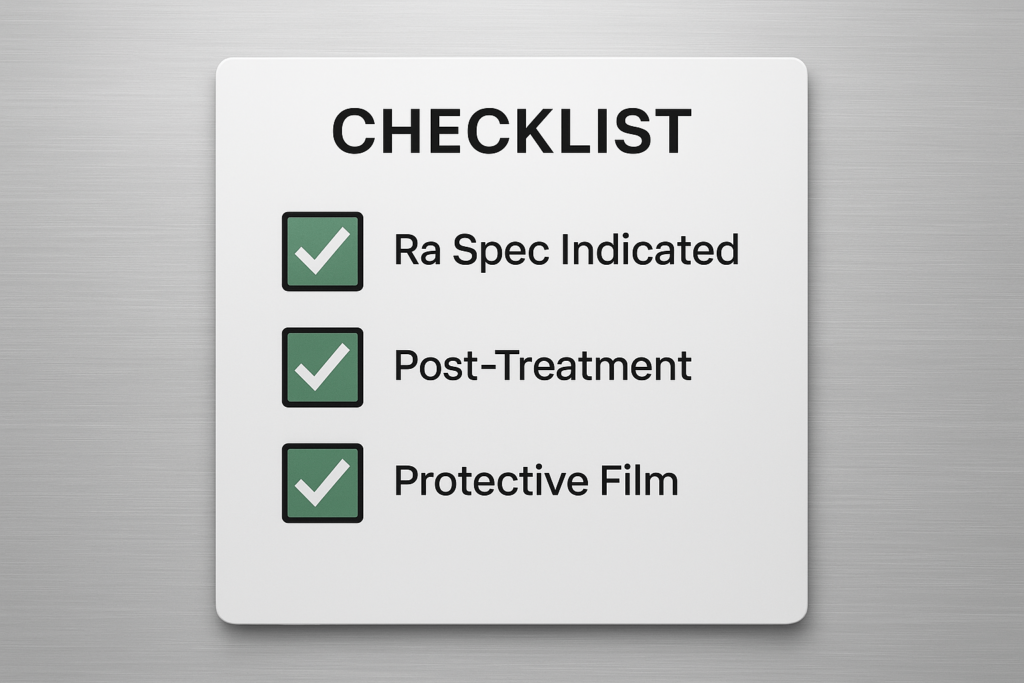
Useful quality checkpoints may include:
Visual confirmation of grain direction and finish consistency
Surface roughness verification where required
Clear identification of post-treatment type
Protective film or packaging method for transport
For supplier qualification, broader factory controls such as ISO 9001 and applicable material compliance requirements remain important, but finish-specific quality control should also be reviewed directly.
Conclusion: Brushed Finishes that Meet Global Procurement Expectations
Choosing a brushed metal finish is not just about appearance. It is a sourcing decision that affects durability, customer perception, inspection efficiency, packaging protection, and long-term product consistency.
For OEM buyers and manufacturers, the best results come from working with a supplier that understands both finish aesthetics and production control.
At Yishang Metal Products Co., Ltd., we support OEM and wholesale customers with custom metal fabrication and surface finishing for components such as metal enclosures, panels, trims, cabinets, frames, and display structures. With 26+ years of manufacturing experience, we support processes including laser cutting, bending, stamping, welding, CNC machining, surface treatment, assembly, packaging, inspection, and shipment.
We work with materials including stainless steel 304/316, low carbon steel, galvanized steel, aluminum, copper, and brass, and we help customers choose finish strategies that align with both product appearance and real production conditions.
📩 If you are sourcing brushed metal components for your next project, send us your drawings or finish requirements to discuss the right manufacturing and surface treatment solution.