
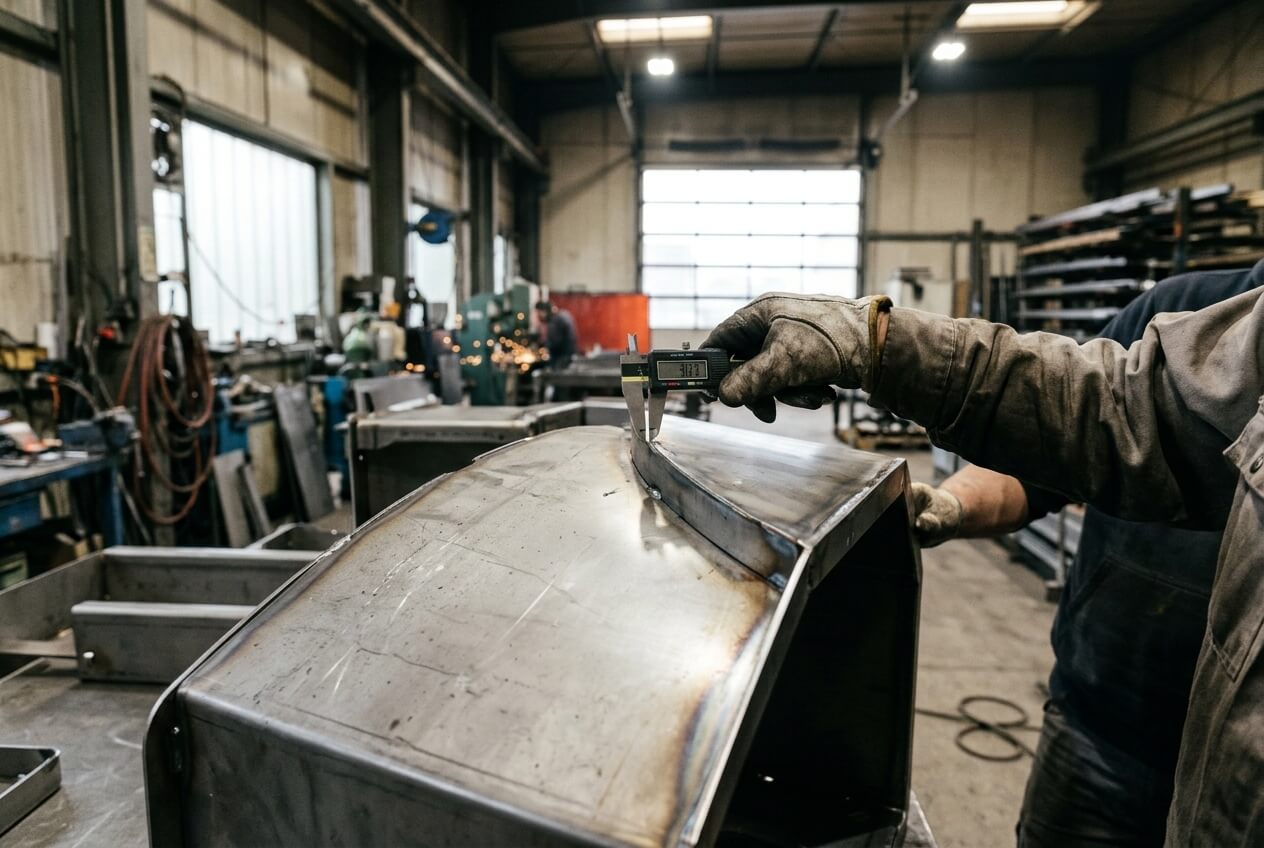
An OEM buyer sends an RFQ for a powder-coated battery cabinet, two welded support frames, and several laser-cut mounting brackets. The drawing note says, “remove rust before coating.” One supplier quotes grinding and standard pretreatment. Another includes acid pickling. A third writes “pickling if required.” The unit prices look comparable, but the suppliers have not quoted the same risk.
Some buyers search for how to pickle lead acid when they actually need procurement guidance on acid pickling metal parts before coating, assembly, or shipment. The key issue is not only the acid bath. The bigger risk sits in the RFQ. If the buyer does not define which surfaces, holes, seams, welds, and finished dimensions matter after pickling, each supplier fills the gaps with its own assumptions.
This article focuses on one procurement risk: vague pickling and surface-preparation notes create quote assumptions that later become coating failures, assembly problems, and batch inconsistency. For custom sheet metal enclosures, brackets, frames, cabinets, and welded assemblies, buyers need to control the inspection condition before they compare prices.
Vague Pickling Notes Make Suppliers Quote Different Parts of the Same Job
A short note such as “pickled before powder coating” feels clear during sourcing. It rarely gives enough detail for a controlled quotation. One supplier may treat the full welded cabinet. Another may treat only visible rust. A third may outsource pickling and inspect only after coating. All three suppliers can claim they followed the RFQ, because the RFQ did not define the scope.
This gap affects cost immediately. Full immersion, local weld cleaning, spray treatment, blasting plus conversion coating, and standard degreasing do not cost the same. Large welded frames may need special hanging, extra handling, or subcontracted treatment. Small brackets may fit a standard line. If the RFQ does not state the treated areas and acceptance criteria, the cheapest quote may simply exclude the controls that prevent later failure.
The quote looks complete, but the inspection scope is missing
Buyers often compare line items: cutting, bending, welding, pickling, powder coating, packing, and freight. That format hides the real difference. The supplier may include acid cleaning but not post-pickling inspection. It may rinse parts but not control drying time before coating. It may coat threaded holes unless the drawing asks for masking. These small assumptions can decide whether the final assembly works.
For example, a buyer orders carbon steel control cabinets for a humid factory. The drawing calls for powder coating and says “rust removed before paint.” The low-cost supplier cleans the visible panel faces and coats the cabinet. It does not inspect folded lower edges after pretreatment. Three months later, rust bleed appears near seams. The coating supplier receives the first complaint, but the procurement problem started when the RFQ allowed the cleaning scope to float.
A stronger RFQ does not need to specify every chemical concentration. It should identify the result the buyer needs. State whether pickling applies to the full part, only weld zones, or only rusted areas. Name cosmetic faces, threaded inserts, grounding points, drain holes, and final assembly features. Then ask the supplier to confirm the route, inspection gates, and any exclusions in the quote.
The Biggest Failure Starts Between Pickling and Coating, Not in the Drawing Review
Many pickling-related failures begin after the metal looks clean. Acid pickling can remove rust, mill scale, oxide, and weld discoloration. It does not protect carbon steel by itself. After rinsing, parts need controlled drying and timely downstream treatment. If the supplier waits too long before coating, flash rust can return before anyone sees it under the powder coat.
This is where RFQ ambiguity becomes a production risk. A supplier may quote pickling as a process step, but the buyer may assume it includes rinsing control, drying control, neutralization where needed, and a maximum time before coating. Unless the RFQ or purchase agreement states these points, the supplier may treat them as normal shop practice rather than controlled requirements.
Residue and moisture hide in features that drawings often ignore
Fabricated sheet metal parts contain traps. Welded corners, folded returns, drain holes, cable entries, mounting slots, and threaded inserts can hold acid residue or rinse water. Powder coating can hide these problems during first inspection. Later, bubbles, stains, rust bleed, or adhesion loss appear at the exact locations that the inspection plan skipped.
Consider a welded display frame with lower crossmembers and internal corner welds. The visible faces pass color and gloss review. The hidden inside corners trap moisture after treatment. During batch production, dozens of frames leave the line with the same hidden defect. Rework now requires stripping, cleaning, recoating, and schedule recovery. A short RFQ note caused a long cost chain.
The buyer should clarify where the supplier must inspect before coating. Important locations include weld seams, folded edges, drain holes, enclosed corners, and any area that will face condensation or outdoor exposure. Ask for pre-coating photos on first articles when rust bleed would create field risk. For production batches, request inspection records tied to the features that matter, not only to overall appearance.
Outsourced pickling adds another handover risk
Outsourced pickling can work well, but it adds transport, waiting time, and responsibility gaps. Parts may leave the welding shop, sit before treatment, return after rinsing, and wait again before coating. Each handover creates a chance for flash rust, stains, handling damage, or mixed batches.
Buyers should ask whether the supplier performs pickling internally or through a qualified outside process. The answer does not need to disqualify the quote. It should trigger better questions. Who inspects parts after pickling? How long can parts wait before coating? How does the supplier protect cleaned carbon steel during transport? What happens if rust appears after treatment but before powder coating?
When Yishang reviews RFQs for custom sheet metal fabrication, these questions often surface around cabinets, frames, and welded assemblies. The point is not to force one process. The goal is to prevent a supplier from quoting one route while the buyer assumes a more controlled one.
Finished-Condition Features Need Protection Before Pickling Starts
Pickling discussions often focus on surface cleanliness. Buyers also need to protect fit. A sheet metal part rarely fails because the surface is merely clean or not clean. It fails because the cabinet door will not close, the bracket holes will not align, the threaded insert will not accept a bolt, or the coated enclosure does not meet cosmetic expectations.
These failures happen when the RFQ does not state which features matter in the finished condition. A laser-cut mounting hole may meet the drawing before pickling and powder coating. After coating, the usable diameter may shrink. A tapped hole may pass machining inspection, then receive coating or residue because nobody marked it for protection. A grounding point may lose conductivity if the supplier coats it as part of a general surface finish.
Tolerances and masking should match the way the part installs
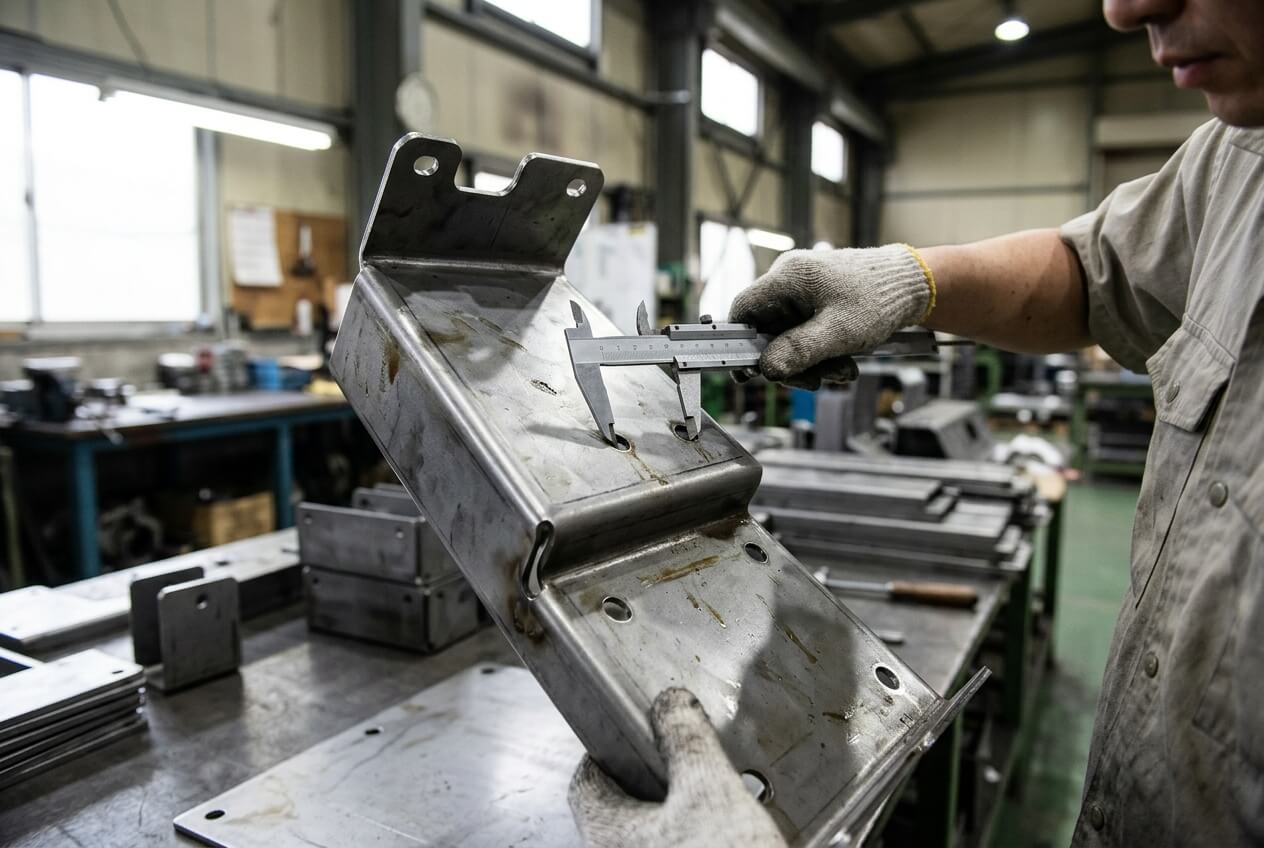
Buyers should mark critical holes, slots, inserts, hinge points, mating faces, and grounding areas on the drawing. Then state whether inspection should happen before finish, after finish, or both. Some dimensions only need metal-condition inspection. Others need final-condition confirmation because the mating part sees the finished surface.
A practical example involves a powder-coated bracket that bolts to an imported machine base. The flat blank and bends meet tolerance before finishing. After coating, two slots lose clearance. Assembly workers file the coating by hand to fit bolts. The supplier argues that the metal slots met the drawing. The buyer argues that the bracket cannot be installed. Both sides could have avoided the dispute by marking the slots as final-finish critical features.
Cosmetic expectations also need early control. Stainless steel housings can show uneven pickling marks if operators treat weld areas inconsistently. Carbon steel enclosures can show edge build-up or orange peel after coating. If the RFQ does not identify visible faces, the supplier may accept a surface that functions but fails customer-facing appearance. Approved samples, marked cosmetic zones, and close-up photos give inspectors a more stable reference.
Procurement teams should connect pickling, coating thickness, masking, and tolerance decisions. A low quote may omit masking for threads or grounding surfaces. Another quote may include plugs, caps, touch-up rules, and final gauge checks. Those quotes should not compete as if they cover the same work.
Prototype Approval Can Hide the Batch Assumptions That Cause Rework
A prototype often receives more attention than production parts. One engineer may hand-clean welds, move parts quickly to coating, and check cosmetic surfaces closely. The prototype looks good, so the buyer approves the sample. Batch production then uses different operators, higher hanging density, longer wait times, or outsourced pickling. The approved sample no longer represents the production route.
This difference matters for large cabinets, welded frames, and repeat brackets. A small prototype bracket may fit easily into a treatment line. A full-size cabinet may need angled immersion or local treatment near welded corners. A prototype frame may dry quickly because the shop handles one unit. A batch of 200 frames may sit longer before coating because the coating line runs another job first.
Sample approval should freeze the process route, not only the appearance
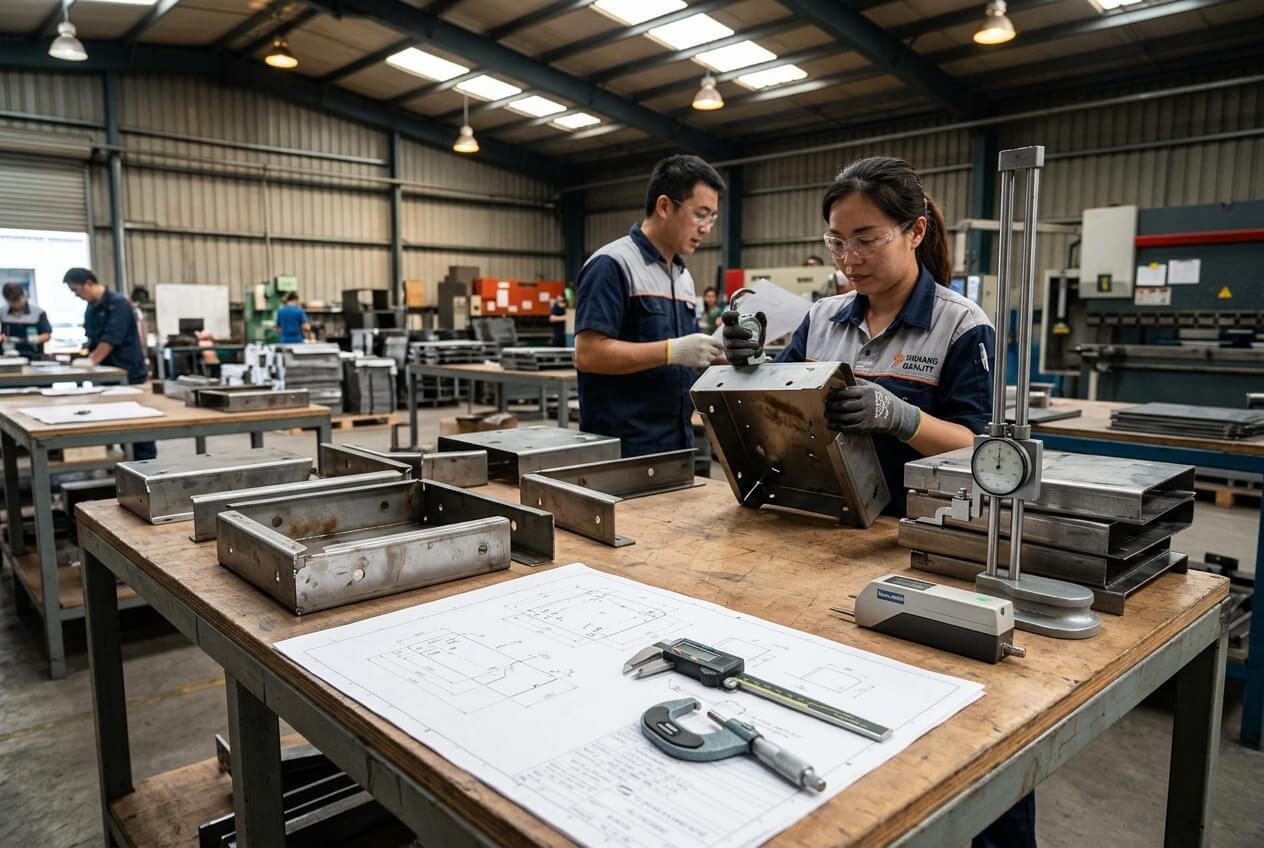
Buyers should record how the prototype was made. Note the material grade, cutting route, bend sequence, weld cleaning method, pickling or pretreatment route, masking areas, coating system, and inspection stages. Also record any manual correction. If the supplier ground a seam, chased a thread, or cleaned a stain by hand, that action must either become part of the production process or disappear before approval.
Batch consistency also depends on acceptance references. Photos of weld areas before and after treatment can prevent debate. So can notes on acceptable color variation, edge coverage, coating thickness range, and final assembly checks. Without these references, production inspectors may approve parts that differ from the sample in ways the buyer considers critical.
For instance, a buyer approves a prototype equipment enclosure with clean weld corners and smooth powder coating. During the first batch, several doors show slight misalignment after coating bake. The supplier measured the doors before finishing, not after hinge assembly. The buyer expected final door gap inspection. The RFQ never said so. The cost now includes sorting, hinge adjustment, possible recoating, and delayed installation.
Before batch release, ask the supplier to confirm what will stay the same from prototype to production. That confirmation should include treatment timing, inspection gates, masking, fixture use, and final-condition checks. Yishang can review these details during drawing and prototype discussions for enclosures, brackets, frames, and welded sheet metal assemblies when buyers need quote assumptions made visible before purchase approval.
Clarify the Few RFQ Points That Decide Price, Fit, and Coating Risk
Buyers do not need a long chemical manual to control acid pickling risk. They need a short, precise RFQ that removes the most expensive assumptions. The aim is to make suppliers quote the same requirement and inspect the same condition. This protects price comparison, schedule planning, and incoming inspection.
Start with material and part scope. State whether the parts are carbon steel, stainless steel, galvanized material, or another specified metal. Then identify which parts or areas need pickling or equivalent surface preparation. A full cabinet body, local weld zones, removable brackets, and visible cosmetic panels may need different treatment. If the supplier wants to propose an alternative route, such as blasting or another pretreatment before powder coating, require written confirmation.
Next, define unacceptable outcomes. Use plain language: no visible rust before coating, no acid stains on cosmetic faces, no residue in seams, no trapped liquid in drain holes, no coating on specified threads, and no loss of fit at marked holes. These statements help the supplier plan inspection. They also reduce disputes because the buyer has tied the process to the final use.
Cost and lead time need the same clarity. Pickling large welded assemblies may require subcontracting, special handling, drying time, or extra packaging before coating. Masking threads and grounding points also adds labor. A quote that includes these controls may cost more than a basic cleaning quote. That does not make it expensive. It may simply reflect the actual requirement.
Supplier communication should focus on assumptions, not promises. Ask suppliers to list exclusions and confirm inspection stages. Request first-article checks for high-risk features, especially seams, folded edges, visible faces, final holes, and assembled door gaps. For repeat orders, ask how the supplier controls waiting time between treatment and coating. These questions expose risk before the purchase order locks price and delivery.
The strongest sourcing decision does not come from the lowest pickling line item. It comes from comparing quotes against the same finished-part requirement. When the RFQ defines treated areas, final-condition features, coating expectations, prototype controls, and batch inspection gates, the buyer can judge cost and lead time more fairly.
Have an RFQ involving acid pickling, rust removal, powder coating, welded seams, cosmetic surfaces, or final assembly fit? Send Yishang your drawings, material requirements, order quantities, tolerances, finish expectations, masking needs, assembly notes, and prototype references. The team can review the fabrication and finishing assumptions before quotation for custom sheet metal enclosures, cabinets, brackets, frames, and welded assemblies.
Frequently Asked Questions
Does “how to pickle lead acid” mean the same thing as acid pickling sheet metal?
No. The phrase often appears when buyers need information about acid pickling metal parts, not lead-acid battery chemistry. In sheet metal procurement, the useful question is which surfaces need treatment, how the supplier controls rinsing and drying, and what inspectors must check before coating or assembly.
What should an RFQ say when sheet metal parts need pickling before powder coating?
State the material, treated areas, unacceptable defects, masking needs, and inspection stages. Include features such as weld seams, folded edges, drain holes, threaded inserts, cosmetic faces, grounding points, and final assembly holes. Ask the supplier to confirm the process route and any quote exclusions.
Why can two pickling quotes differ so much for the same cabinet drawing?
The suppliers may assume different scopes. One may include full treatment, controlled drying, masking, and post-pickling inspection. Another may quote only local rust removal or outsource treatment without detailed inspection records. Clarify the finished-part requirement before comparing unit prices.
Should critical holes be inspected before or after powder coating?
Inspect critical holes in the condition that matters for assembly. If coating thickness, masking, or residue can affect bolt fit, inspect those holes after finishing. Mark the features as final-condition critical on the drawing and specify gauges, bolts, or mating parts when needed.
Why does a prototype pass while the first production batch shows rust bleed or coating defects?
The prototype may receive faster transfer, manual cleaning, extra drying, or closer inspection. Batch production may involve different operators, longer waiting time, higher hanging density, or outsourced pickling. Record the prototype process route and freeze key inspection gates before batch release.
What information should buyers send for a pickling-related sheet metal RFQ review?
Send drawings, material specifications, quantities, tolerances, finish expectations, coating color or system, masking requirements, cosmetic zones, assembly notes, and any approved samples or prototype photos. These details help the supplier identify quote assumptions before production starts.