
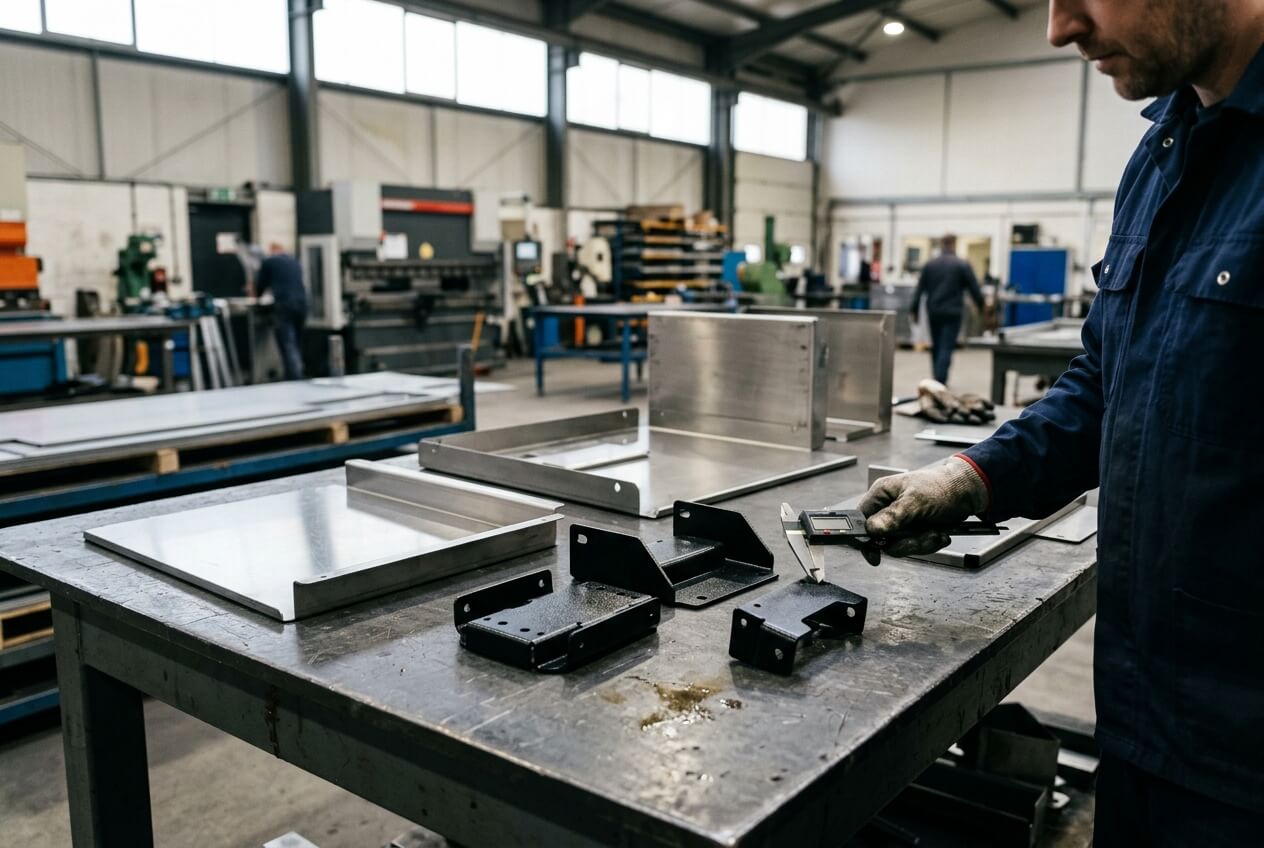
An OEM buyer may send the same drawing to three sheet metal suppliers and receive three very different assumptions. One quote includes annealing after forming. Another includes stress relief after welding. A third excludes heat treatment because the supplier believes the bend radius, material temper, or weld sequence can meet the drawing without it.
The spreadsheet still shows neat unit prices. The risk hides in the route behind each number. If the RFQ does not define when annealing applies, what surface condition must remain acceptable, and which dimensions must hold after finishing, the buyer may compare unlike quotes. The lowest price can later create cracking, coating rejection, panel waviness, door misalignment, or a change-order argument.
So, what is the annealing issue for procurement? Annealing is a heat treatment used to soften metal, reduce work hardening, improve formability, or relieve internal stress. That definition helps, but it does not solve the buying problem. The buying problem is RFQ ambiguity. Annealing changes fabrication route, surface preparation, inspection timing, cost, and lead time. When suppliers guess those details, buyers lose control of quotation comparison.
This article focuses on one dominant risk: an unclear annealing assumption can make quotes look comparable while hiding different production routes. That risk matters for custom sheet metal fabrication, metal enclosures, brackets, frames, cabinets, and welded assemblies where finish and fit matter as much as basic dimensions.
Annealing Assumptions Turn One Drawing Into Different Quotes
A drawing note such as “powder coat black” or “weld and finish” does not tell a supplier whether annealing belongs in the route. The fabricator still needs to judge forming severity, material condition, weld distortion, cosmetic surfaces, and downstream coating requirements. Different suppliers may make different judgments, and each quote may look reasonable.
One supplier may anneal a stainless cover before a tight bend to reduce cracking risk. Another may increase the bend radius and skip heat treatment. A third may form the part as drawn, then plan extra polishing if surface marks appear. These are not equal routes. They create different costs, lead times, finish risks, and inspection points.
Where the quote gap starts
The gap often starts with missing process sequence. The RFQ may show material grade, thickness, bend lines, hole positions, and coating color. It may not state whether heat treatment happens before bending, after bending, after welding, or before powder coating. It may also omit the required condition after heat treatment, such as no visible scale on Class A surfaces or no heat tint under brushed finish.
That missing detail changes the quote. Annealing can require furnace loading, external processing, added transport, controlled cooling, oxide removal, dimensional recheck, surface protection, and extra packaging. If one supplier includes those items and another excludes them, the unit prices do not reflect the same scope.
Buyers should not force annealing into every RFQ. Some brackets need a better bend radius, not a heat cycle. Some enclosures need stress relief because welded frames must hold door alignment. The useful step is to ask suppliers to state their annealing assumption clearly. The quote should say whether annealing or stress relief is included, excluded, optional after prototype review, or only required if cracking or distortion appears.
The Hidden Cost Is Usually Cleanup, Not the Furnace
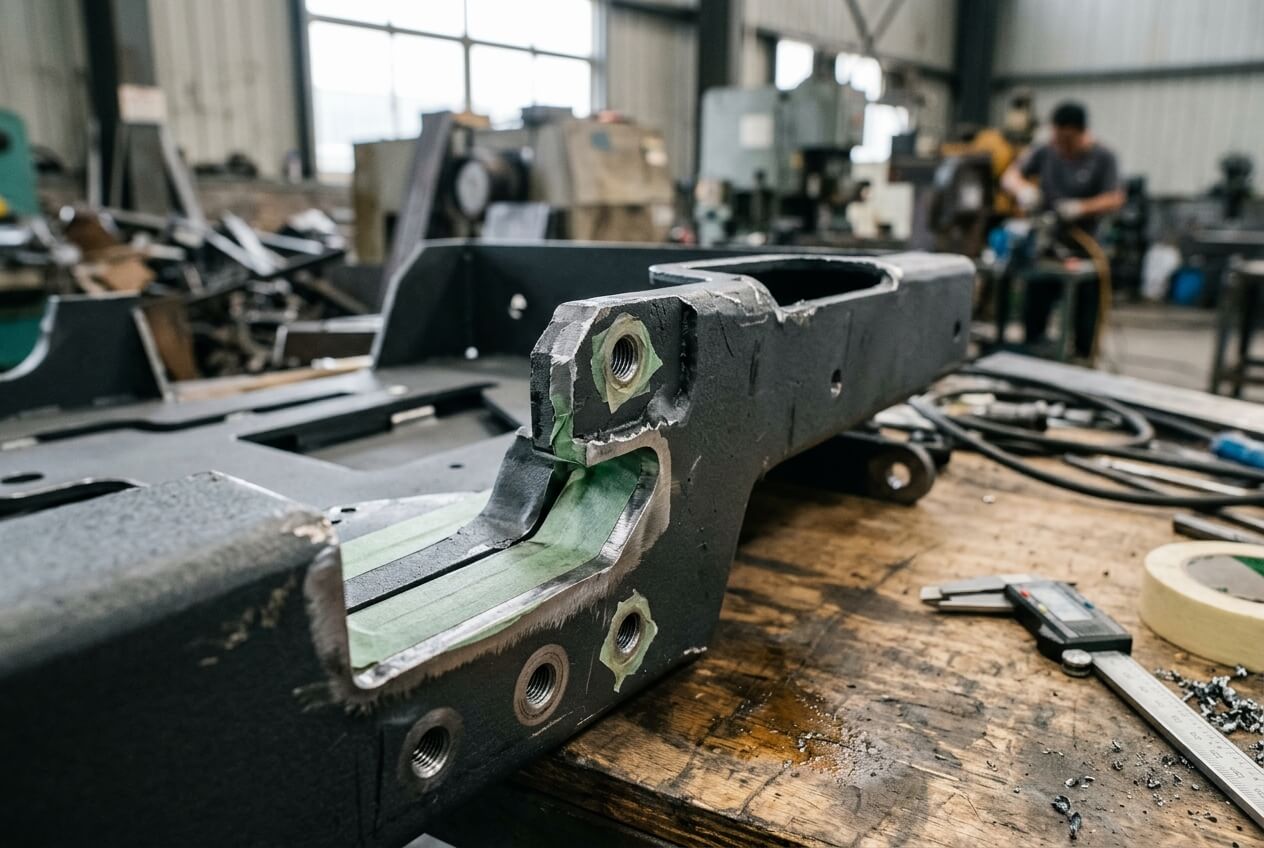
Many buyers treat annealing as a single technical line item. In sheet metal production, the more expensive dispute often comes after the heat cycle. Heat can leave oxide, scale, discoloration, rack marks, or handling sensitivity. Those effects may not matter on an internal support bracket. They can cause rejection on a visible enclosure cover, kiosk panel, retail display frame, or brushed stainless housing.
A supplier may quote annealing but not quote the cleanup needed to reach the final finish standard. Another supplier may include sanding, pickling, blasting, passivation, or chemical cleaning before coating. A third may assume the coating shop will manage surface preparation. Those assumptions change price and responsibility.
Example: powder coated control box covers
An equipment buyer requests 300 powder coated control box covers with tight return flanges and a visible front face. Supplier A includes annealing after forming because the bend severity may create micro-cracking. Supplier B skips annealing and quotes direct powder coating after bending. Supplier C includes annealing but excludes oxide removal unless the buyer asks for it after sample review.
The lowest quote may win on paper. During sample approval, the front face shows slight waviness and texture variation near the bends. The buyer calls it a coating defect. The supplier points to the drawing and says the finish note did not ban heat tint, scale removal marks, or minor distortion. The real failure began at RFQ stage, when the buyer did not connect annealing to finish acceptance.
What to make visible before price comparison
The RFQ should mark customer-facing surfaces and state the finish standard before suppliers quote. For powder coating, clarify acceptable texture, gloss range, color reference, edge coverage, masking areas, and visible rack marks. For brushed or polished stainless steel, define brushing direction, heat tint limits, weld cleanup, and surface protection. For aluminum, confirm whether any heat-related surface change affects anodizing, painting, or appearance.
These details do not create unnecessary bureaucracy. They prevent a cheaper quote from excluding the work that makes the part acceptable. When buyers ask Yishang to review drawings before quotation, the most useful discussion often concerns these route assumptions: where annealing may help, where it may create cleanup, and which finish requirements need written scope.
Annealing Can Solve Forming Risk While Creating Fit Risk
Annealing often enters the conversation for good reasons. Tight bends can crack. Work-hardened stainless may resist forming. Welded frames can move after fabrication. A heat cycle can reduce stress and improve manufacturability. Yet the same decision can shift risk into assembly fit and final inspection.
Heat affects flatness, hole positions, welded references, and panel appearance. Thin sheet metal panels may warp slightly. Long welded frames may relax and move. Holes and slots can remain within basic tolerance before coating, then create assembly problems after stress relief, cleaning, and powder coating buildup.
Example: welded cabinet frame with door gaps
A buyer orders welded steel cabinet frames for an electrical product. The drawing controls the outside dimensions, hinge holes, and powder coated finish. It does not define door gap after coating or hinge alignment after stress relief. One supplier quotes a welded frame with no stress relief and plans fixture control only. Another includes stress relief, post-heat dimensional inspection, and rework allowance for critical hinge points.
The cheaper route may pass frame size inspection but fail during door assembly. Doors rub at the top edge, latch engagement varies, and coated hinge holes need cleanup. The defect does not look like an annealing issue at first. It looks like assembly labor. In reality, the RFQ did not identify which fit points had to survive the heat and coating sequence.
Buyers can reduce this risk by naming functional references. For enclosures, list hinge locations, latch areas, grounding points, masked holes, mating brackets, and door gaps. For brackets, separate critical mounting holes from non-critical lightening holes. For welded assemblies, mark long edges, fixture points, and surfaces where grinding must not weaken the weld.
Tolerance language also matters. A flatness tolerance before coating may not protect assembly after coating. A hole position tolerance before annealing may not reflect final fit. If the part must assemble after all heat treatment and finishing, the drawing or RFQ should say so. That one sentence can change how suppliers quote inspection and process control.
Prototype Approval Can Hide Annealing Rework That Batch Production Will Not Include
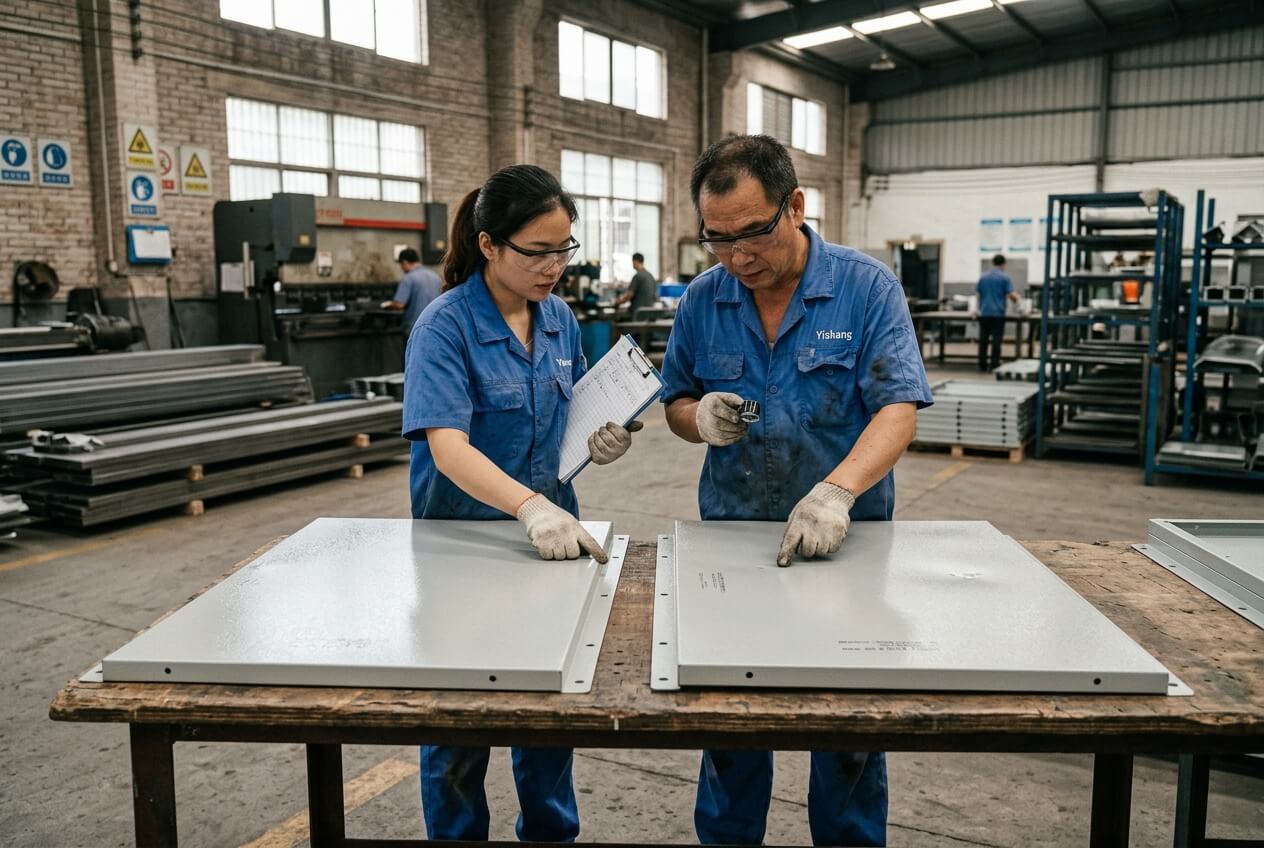
A good prototype does not always prove that the batch route is stable. Prototype technicians may handle one part with extra care, clean heat tint by hand, correct a warped flange, polish a visible face, or adjust a door before shipment. The buyer sees a good sample and approves it. The process record may stay vague.
Batch production exposes the missing detail. Larger furnace loads create different contact marks. Cleaning intensity may change. Operators may rack parts faster. Coating buildup may vary across many parts. If the quote never included the prototype’s extra rework, the batch can arrive with a different appearance or fit.
Example: brushed stainless display frame
A retail equipment buyer approves one brushed stainless display frame. The sample looks clean, and the corners align well. Later, the first batch shows faint heat tint near formed edges and inconsistent brushing around welded joints. The supplier explains that the sample received extra manual finishing after annealing and welding. The batch quote did not include that labor level.
The buyer expected the sample to define the production standard. The supplier treated the sample as a corrected prototype. Both sides missed the same control point: the approved sample did not record the route needed to repeat the finish.
Buyers do not need to specify every furnace parameter. They should ask for a practical prototype record. It should capture whether annealing or stress relief occurred, when it occurred, how oxide was removed, which surfaces received manual cleanup, and which dimensions were checked after coating. Photos help when the part has Class A faces, visible welds, masked areas, or customer-facing panels.
First-article inspection should also match the risk. If finish drives acceptance, inspect texture, color, rack marks, brushing direction, and visible heat effects. If assembly fit drives acceptance, check hinge alignment, latch engagement, hole locations, masked threads, and door gaps after coating. Batch consistency improves when the approved route, not just the approved appearance, becomes part of the purchase record.
Clarify the Annealing Decision Before You Compare Unit Prices
The safest RFQ does not ask suppliers to guess the buyer’s real concern. It tells them what failure would hurt the project most. The concern may be cracking during forming, coating rejection, visible heat marks, welded-frame movement, or assembly fit after finishing. That context helps suppliers choose a route and price it honestly.
Start with the part function. For a metal enclosure, identify visible panels, door gaps, hinges, latches, grounding points, inserts, and masked holes. For a bracket, define load-bearing bends, mounting interfaces, coating buildup limits, and whether minor discoloration before coating matters. For a frame or welded assembly, state straightness needs, cosmetic weld areas, and post-coating fit checks.
Then ask each supplier to make the annealing assumption explicit. The quote should answer whether heat treatment is included, what stage it occurs, what cleanup follows, and what inspection happens afterward. If the supplier recommends skipping annealing, ask why. The reason may point to a better bend radius, different material temper, fixture method, or weld sequence.
Cost and lead time become clearer when cleanup and inspection appear as scope, not surprises. External heat treatment may add transport and scheduling time. Controlled-atmosphere processing may reduce oxide but raise cost. Manual polishing may protect appearance but slow batch output. Extra inspection may cost less than a rejected shipment when assembly fit matters.
Supplier communication should stay specific. Avoid asking only, “Can you anneal this part?” Ask, “If annealing is used, what surface condition should we expect before coating, and which dimensions should we check after finishing?” That question turns a technical process into a procurement control.
Yishang can review sheet metal drawings, finish notes, prototype feedback, and assembly requirements to identify where annealing may change quote scope. The goal is not to add heat treatment automatically. The goal is to make sure every supplier quotes the same acceptance standard for the same part.
If annealing, stress relief, or post-heat-treatment cleanup may affect your custom sheet metal fabrication project, send Yishang your drawings, material requirements, quantities, tolerances, finish expectations, cosmetic surface marks, prototype photos, and assembly notes. The review can help clarify the route before you compare prices or release batch production.
Frequently Asked Questions
What is the annealing risk in sheet metal RFQs?
The main risk is not the heat treatment itself. The risk is that suppliers may quote different routes when the RFQ does not define whether annealing is required, when it occurs, what cleanup follows, and what surface or dimensional condition must pass final inspection.
Should buyers require annealing on every bent sheet metal part?
No. Some parts need annealing to reduce cracking or stress, but others only need a larger bend radius, a different material temper, or better forming sequence. Buyers should ask suppliers to explain the assumption instead of adding heat treatment to every drawing.
How can annealing affect powder coated enclosures?
Annealing can leave oxide, scale, heat tint, or slight panel distortion. If the RFQ does not include cleaning and finish acceptance criteria, powder coating may show texture variation, adhesion concerns, gloss differences, or visible waviness on customer-facing surfaces.
What should a quote say when stress relief is used after welding?
The quote should state the process stage, surface cleanup, expected effect on straightness, and inspection points after finishing. For cabinets, frames, and welded assemblies, buyers should also confirm hinge alignment, door gaps, latch areas, mounting holes, and visible weld cleanup.
Why can an approved prototype still fail in batch production?
A prototype may receive extra manual cleaning, polishing, straightening, or careful handling. If the supplier does not record that route, batch production may use faster handling and different rack loading. The batch can then show different finish, flatness, or assembly fit.
What information should buyers send for annealing review?
Send drawings, material grade and thickness, quantities, tolerances, bend and weld details, finish expectations, cosmetic surface marks, prototype photos, and assembly notes. This information helps the supplier decide whether annealing protects the part or creates extra cleanup and inspection risk.