
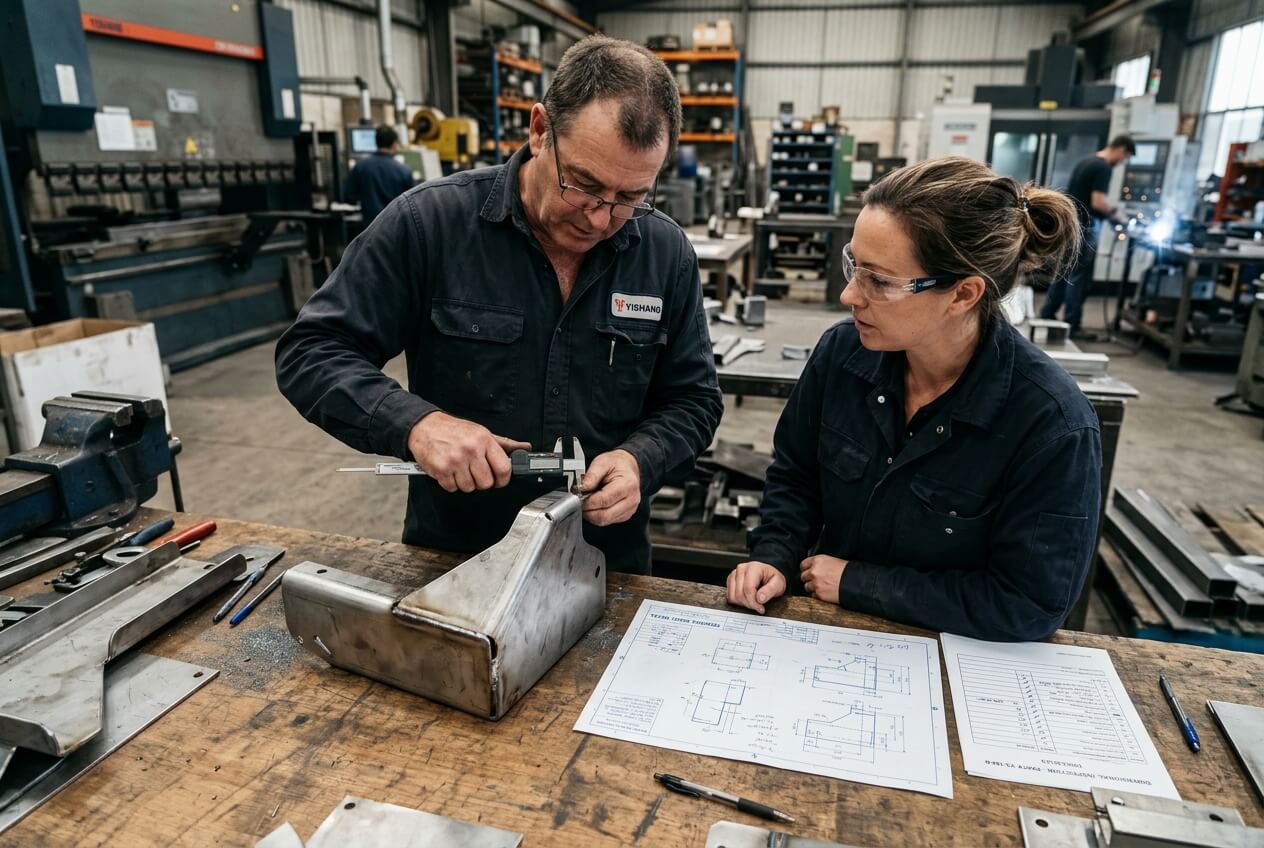
An OEM buyer sends one enclosure drawing to three sheet metal suppliers. The drawing looks complete at first glance. It shows laser-cut panels, bent flanges, welded brackets, PEM-style fastener locations, and black powder coating. One quote comes back much lower than the others. Another supplier asks about aluminum grade, temper, coating pretreatment, inspection after coating, and whether the prototype material must match batch production.
Those questions can feel like delay when purchasing needs a fast comparison. In reality, they often expose the main procurement risk: the RFQ lets suppliers quote different assumptions while the buyer believes they quoted the same part. The lowest price may exclude material control, finish preparation, post-coating inspection, or batch consistency requirements.
The search question are metalloids metals has a chemistry answer. Metalloids such as silicon, boron, antimony, arsenic, germanium, and tellurium sit between metals and nonmetals in their properties. Sheet metal buyers rarely purchase metalloids as sheet stock. The procurement issue is different. Metalloid elements can appear in alloys, coatings, flame-retardant systems, solders, or compliance documents. If the RFQ uses loose material language, suppliers may price different sourcing and processing routes.
This article focuses on one risk spine: RFQ ambiguity that lets alloy, finish, tolerance, and prototype assumptions hide inside unit price. Buyers do not need to become chemists. They need enough RFQ clarity to compare real scope before the purchase order locks in cost, lead time, and production risk.
The RFQ Ambiguity That Turns One Drawing Into Three Different Quotes
When a drawing says “aluminum,” “stainless steel,” “mild steel,” or “equivalent material,” procurement may see a normal material note. A sheet metal fabricator sees a production instruction. If the grade, standard, temper, finish condition, or compliance requirement is missing, each supplier may select a different basis for pricing.
That difference rarely appears as a bold warning in the quote. It may hide in the supplier’s default material stock, standard bend radius, ordinary powder coating process, or normal inspection point. The buyer then compares numbers that do not describe the same production plan.
The chemistry question becomes a scope question
The phrase are metalloids metals matters because it reminds buyers that material language can mislead. Silicon may appear in aluminum alloys and steelmaking. Boron can influence steel hardenability. Antimony compounds may appear in flame-retardant contexts. These elements do not automatically make a sheet metal part difficult to fabricate. They create risk when the RFQ does not state which complete material specification controls the job.
Consider a 2.0 mm aluminum control housing. The previous supplier used a grade and temper with reliable bending performance. The new RFQ only says “aluminum, black powder coated.” A low-price supplier quotes available stock. During bending, small cracks appear near tight cable-opening flanges. The shop then slows production, adjusts tooling, and asks for approval to change the bend radius. The issue started with one vague material callout. It became scrap, rework, coating delay, and a later shipment.
A stronger RFQ would name the aluminum grade and temper, define the minimum bend radius, identify critical flanges, and state whether prototype and batch material must match. Those details help suppliers price the same part, not three versions of a similar part.

Why Alloy Words and Finish Notes Distort Price Before Production Starts
Many quote gaps begin before cutting starts. One supplier may price ordinary sheet, standard bending, simple weld cleanup, and routine powder coating. Another may include controlled material, extra surface preparation, masking, coating thickness checks, and inspection after assembly. Both quotes can look valid if the RFQ leaves scope open.
Alloy wording affects more than material cost. A silicon-containing aluminum grade, boron-treated steel, or controlled stainless specification can change sourcing time, forming limits, weld behavior, corrosion performance, and documentation requirements. Finish wording can create the same problem. “Black powder coating” does not define pretreatment, texture, gloss, thickness range, masking, visible surfaces, or outdoor exposure expectations.
The consequence chain follows a familiar path. The RFQ uses a broad description. The supplier fills gaps silently. The price looks competitive because risk stays unpriced. Production then discovers tight bend limits, coating defects, weld shadow, or assembly interference. The buyer receives a change request, a delayed sample, or inconsistent batch quality.
A welded frame example
A buyer requests a welded display rack frame with powder coating. The drawing shows overall dimensions but does not define weld dressing, diagonal tolerance, visible faces, or coating coverage inside joints. One supplier prices structural welds with light cleanup. Another includes cosmetic grinding and fixture inspection after welding. The cheaper quote wins.
After the first batch, the customer rejects several racks. Some feet rock on the floor. Gloss powder reveals weld marks on front-facing corners. The buyer asks for rework, but the supplier argues that cosmetic grinding and tight diagonal control were not included. Both sides lose time. The problem did not start at welding. It started when the RFQ let finish expectations and assembly fit remain optional.
When Yishang reviews custom sheet metal fabrication RFQs, the most useful questions often come before price confirmation. Which material standard controls the part? Which surfaces matter to the customer? Which features need inspection after forming, welding, coating, or assembly? These questions help purchasing compare included scope instead of comparing incomplete numbers.
How Ambiguous Drawings Move Risk Into Bending, Welding, and Assembly
A 2D drawing and quantity can support rough budgeting. They often fail as a supplier-selection package. Production-ready pricing needs more than geometry. It needs context about function, mating parts, inspection stage, and customer acceptance.
Ambiguity often hides in small drawing details. A bracket may dimension holes from an outside edge, while the final assembly locates from a bent flange. A cabinet door may show clearance before coating, while powder buildup reduces final gap. A welded frame may show overall length and width, but not diagonal tolerance or fixture requirements. Each omission gives the supplier room to quote a different control method.
Material uncertainty makes the problem harder. If a drawing says “SS” without naming the stainless grade, the supplier may choose a common grade based on price and availability. If the application needs corrosion resistance, a brushed cosmetic surface, or controlled magnetic behavior, that shortcut can fail later. The quote may look low because it does not include the real requirement.
Assembly fit should drive the drawing notes
Buyers can reduce ambiguity by marking which features control function. Short notes help. Examples include “these four holes locate a motor,” “this flange fits into a plastic cover,” “this face is visible after installation,” and “inspect this gap after powder coating.” Such notes tell the supplier where normal shop variation will hurt the product.
Take a bent mounting bracket used inside a machine assembly. The drawing defines tight hole positions but does not state whether the tolerance applies before or after bending. The supplier checks the laser-cut blank, then forms the part. During assembly, the holes shift because bend variation changes their final location. Operators file holes by hand to recover the batch. Labor rises, and the buyer cannot easily prove a drawing violation.
A better RFQ would define the datum scheme from the formed condition, identify the mating part, and state the inspection stage. If coating affects hole size or flange clearance, the drawing should say so. These additions do not make the RFQ complicated. They prevent suppliers from pricing easy inspections that do not protect assembly fit.
Why Prototype Approval Can Hide a Different Batch Plan
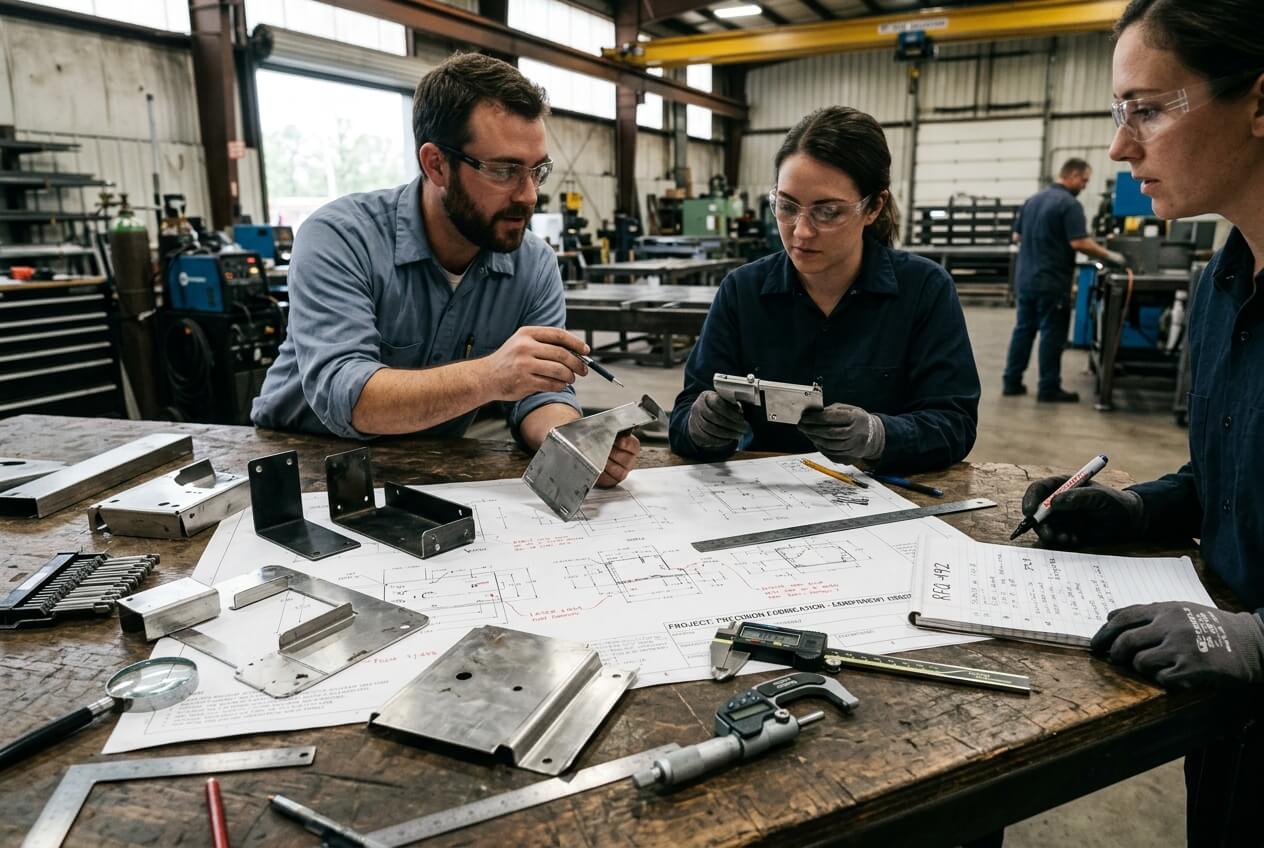
A prototype proves that one sample can be made. It does not prove that the supplier can repeat the same material, tooling setup, weld sequence, finish preparation, and inspection method across production quantity. This gap creates a serious procurement trap. Buyers approve a good sample, then assume the batch will follow the same invisible process.
Prototype work often receives special attention. A senior operator adjusts bends by feel. A welder corrects distortion with extra time. A painter gives the approval sample additional surface preparation. These actions may produce an acceptable part, but they do not define a repeatable batch plan unless the supplier documents them.
Small differences then appear in production. Cabinet doors rub after powder coating. Bracket holes need manual correction. Display rack feet do not sit flat. Large enclosure panels show waviness under gloss finish. Each problem consumes lead time because the batch now needs sorting, rework, repainting, or replacement.
Material substitutions can return after sample approval
Metalloid-related assumptions can also return during batch production. A prototype may use one sheet source. The batch may use another “equivalent” material. If the grade, temper, or compliance requirement remains loose, the supplier may meet its normal standard while missing the buyer’s project requirement. Forming behavior, weld response, and coating results can change even when the part drawing looks unchanged.
For a metal enclosure, buyers should freeze hinge alignment, door gap, gasket compression, coating buildup around holes, and flatness of large panels. For a welded frame, they should freeze diagonal measurement, fixture use, mounting face flatness, weld appearance, and powder coverage near joints. The approved sample should become a production reference, not just a photo in an email thread.
A short pre-production confirmation can protect the order. It should record material grade, thickness tolerance, bend tooling assumptions, weld finishing level, coating specification, masking locations, inspection gauges, and acceptable cosmetic variation. This step matters even more for repeat orders, where purchasing teams may reorder months later and assume every original condition still applies.
What Buyers Should Lock Before Comparing Sheet Metal Quotes
The supplier selected for a sheet metal project effectively decides how many hidden assumptions reach production. Price matters, but price only helps when scope matches. A supplier who challenges material, finish, tolerance, and inspection gaps has not quoted the same risk as a supplier who simply returns a number.
Late clarification raises cost quickly. Once material is purchased, the wrong grade becomes inventory waste. Once parts are cut, hole changes become rework. Once assemblies are welded, distortion correction consumes labor. Once parts receive powder coating, fit issues may require stripping, repainting, or replacement. Lead time suffers because the factory must solve engineering questions inside the production schedule.
Before awarding the job, buyers should ask suppliers to state their quotation basis in writing. What material grade, standard, and thickness tolerance does the quote include? Which bend radius and flange limits does the supplier assume? Which welds need cosmetic grinding? What coating pretreatment, thickness range, texture, masking, and visible-surface requirements apply? Will inspection occur on flat parts, formed parts, coated parts, or final assemblies?
These questions also separate value engineering from scope erosion. A supplier may recommend relaxing flatness tolerance on a hidden internal cabinet panel. That change can reduce cost without harming function. By contrast, removing pretreatment from a powder coating quote without telling the buyer only transfers risk. The first action improves manufacturability. The second hides future failure.
For custom sheet metal fabrication, Yishang can review drawings for RFQ ambiguity before prototype or batch release. The review should focus on the few assumptions that can distort price: material callouts, forming limits, weld finish, coating expectations, assembly fit, inspection stage, and prototype-to-batch controls.
Before a low quote becomes the production plan, send the details that carry risk. Share your drawings, material requirements, quantities, tolerances, finish expectations, photos, samples, assembly notes, and prototype comments with Yishang. A focused RFQ review can help confirm whether the quote reflects real cost savings or unpriced alloy, finish, inspection, and batch-control assumptions.
Frequently Asked Questions
Are metalloids metals when an RFQ lists alloy requirements?
For sheet metal procurement, do not treat metalloids as standard sheet metals. Elements such as silicon, boron, and antimony may appear inside alloys, coatings, or compliance systems. The quote should rely on the full material grade, standard, temper, finish route, and documentation requirement, not a broad chemistry label.
Why can a vague material note make sheet metal quotes impossible to compare?
A vague note lets each supplier choose a different material basis. One may quote available stock, while another includes a controlled grade, temper, certification, or tighter thickness tolerance. Those choices affect forming, welding, coating, inspection, cost, and lead time. Ask suppliers to state the exact material assumption in the quotation.
How can finish expectations distort the price of metal enclosures or welded frames?
Finish wording often hides major scope. Powder coating requirements should define pretreatment, color, texture, gloss, thickness range, masking, visible surfaces, and inspection after coating. Welded frames may also need cosmetic grinding before coating. If the RFQ only says “black powder coating,” suppliers may price very different finish standards.
What should buyers clarify when tolerances affect assembly fit?
Buyers should identify functional datums, mating parts, and the inspection stage. A hole tolerance checked on a flat blank may not protect alignment after bending. A cabinet gap checked before coating may not protect final fit. State whether critical dimensions apply after forming, welding, coating, or final assembly.
Why can one approved prototype fail to protect batch consistency?
A prototype may receive manual adjustments, extra weld correction, special surface preparation, or a different material source. Unless the supplier freezes those conditions, the batch may follow a different production method. After sample approval, record the material, bend setup, weld finish, coating route, masking, inspection points, and cosmetic standard.
When should buyers ask Yishang to review RFQ assumptions?
Ask for review before final quotation or purchase order release when the part has special material notes, tight bends, cosmetic powder coating, welded assemblies, assembly-critical holes, compliance requirements, or prototype-to-batch risk. Early review helps clarify scope before price becomes the production plan.