
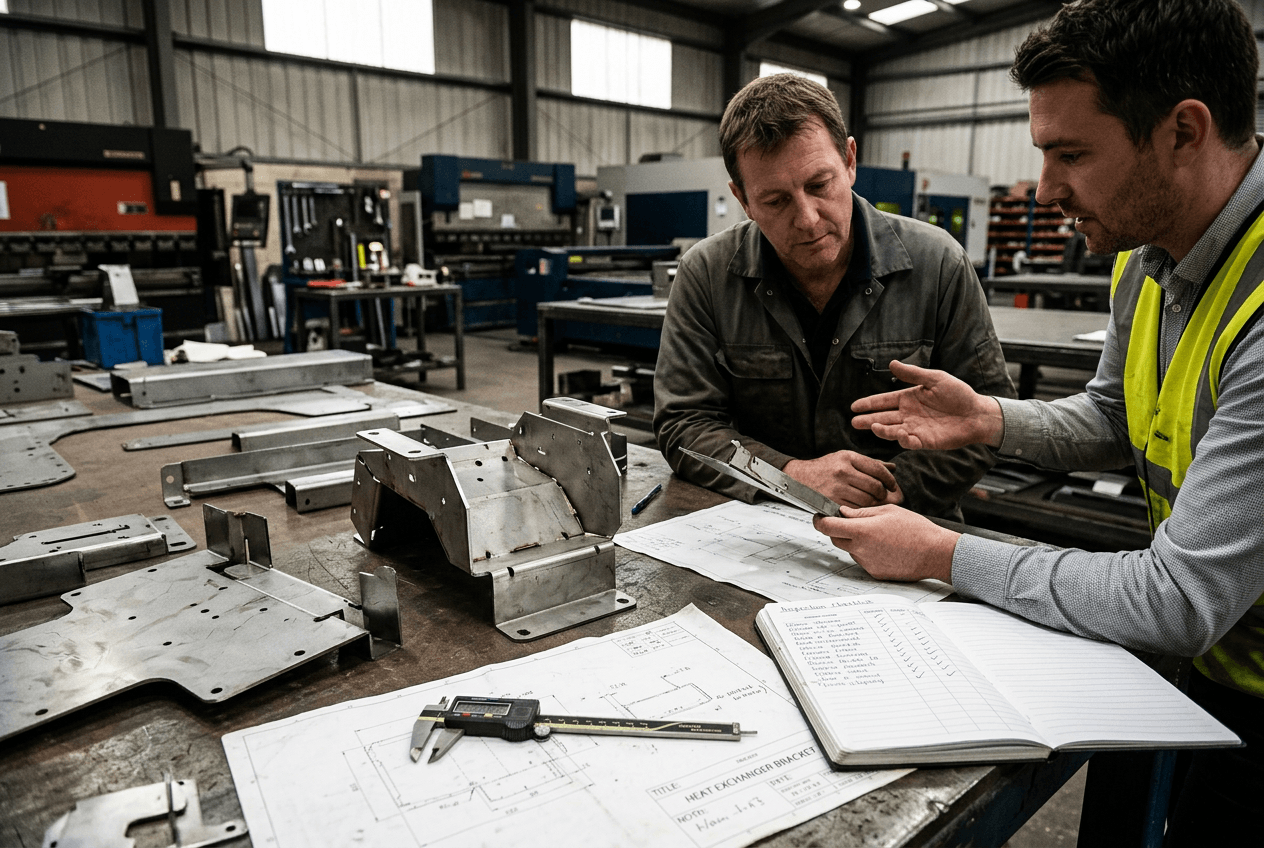
A buyer sourcing a laser-cut, bent, and welded enclosure for a heater controller may receive three quotes that look unrelated. One supplier prices a simple indoor cabinet. Another assumes light warmth and a standard powder coat. A third plans for a heat-exposed assembly near radiant load and adds weld control, finish checks, and distortion allowance. The first clue is often the phrase carbon melting temperature, but the real problem starts in the RFQ. If the drawing does not say what carbon means, how hot the part gets, or whether the finish must survive thermal cycling, the lowest quote can become the most expensive correction.
For sheet metal buyers, the useful question is not whether carbon itself melts. The better question is whether the material, geometry, weld sequence, and coating can survive the actual service environment without warping, discoloration, or fit problems after assembly. When Yishang reviews drawings at this stage, the main goal is to remove hidden assumptions before the price gets fixed.
How a Temperature Phrase Turns Into Three Different Quotes
Carbon melting temperature is a misleading phrase in a fabrication RFQ. A supplier may read it as a material note, a service-condition warning, or simply an unclear reminder that heat is involved. That small wording difference can split the quote into three different scopes. One shop prices an ordinary carbon steel part. Another adds a higher-temperature coating or extra handling. A third assumes the part lives beside a hot process line and prices for distortion control, masking, and more inspection.
The quote spread usually starts before the first cut. If one supplier imagines an office cabinet and another imagines a furnace-side enclosure, they will choose different thicknesses, different finish systems, and different weld allowances. The risk is not just cost. The risk is a quote that looks competitive because the supplier quietly excluded the real thermal exposure.
The first split happens in scope, not in steel
Buyers often expect price differences to come from labor rates or overhead. In heat-exposed work, scope drives the gap. Continuous temperature, peak temperature, direct heat, and radiant heat each change the process plan. A bracket that only sees warm ambient air may need standard fabrication. The same bracket near a heater may need extra spacing, a different coating, and tighter control on warp after forming.
State the service condition before price
Write the RFQ around the actual operating condition. Say whether the part is carbon steel, how hot it gets in normal use, and what the peak temperature is during start-up or upset conditions. Note which faces see direct heat and which stay shielded. If the finish must still look acceptable after thermal cycling, say that clearly. Those details help the fabricator price the real job instead of guessing at carbon melting temperature from context.
Why Heat Exposure Reaches the Quote Before It Reaches the Metal
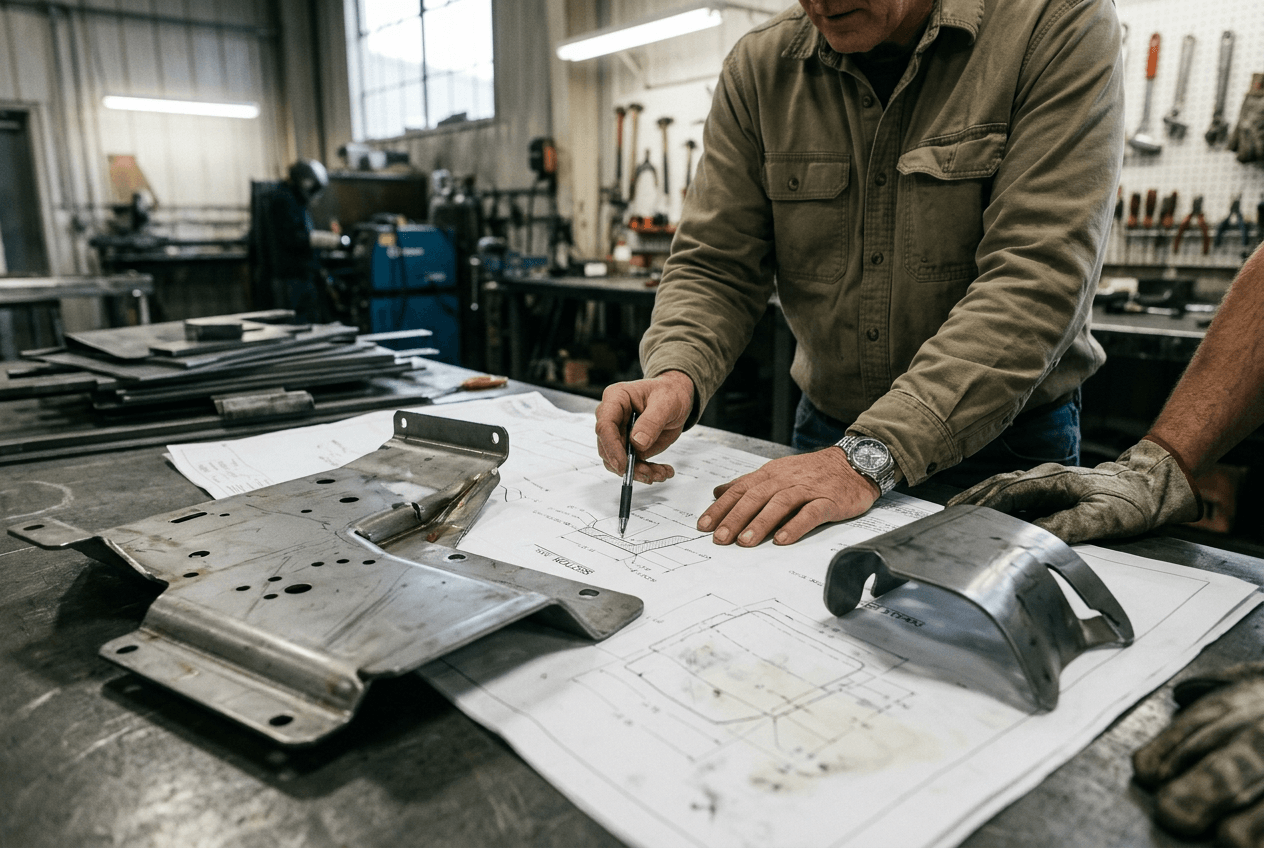
Many buyers think heat only affects appearance, but it changes the manufacturing plan first. A powder-coated panel near an oven may look fine on delivery day, then chalk, discolor, or soften after a few hot cycles. A bare carbon steel bracket may keep its shape, yet rust faster than expected if the heat breaks down the surface protection. In both cases, the quote changes because the process changes.
Heat exposure also changes cost drivers that do not show up in a simple unit price. The supplier may need a different coating line, more masking, sample panels, or a longer inspection step. If the part must handle a hot washdown area or a process line with repeated thermal cycling, the shop may also build in extra time for rework or finish testing. None of that appears in a vague RFQ, but all of it appears later as delay or change order.
Heat can invalidate a standard finish
Take a control enclosure mounted near a bakery oven. A standard black powder coat may look acceptable in the sample room, but the edge near the heat source can fade or blister after installation. The enclosure still exists, but the buyer now has a cosmetic failure and a service complaint. The same risk shows up on welded frames, brackets, and guards when the coating cure window does not match the service temperature.
Extra processing hides inside a low quote
The cheapest quote often assumes the easiest finish path. That quote may exclude high-temperature coating, special masking, or a post-finish flatness check. If the buyer notices the problem only after the parts arrive, the price advantage disappears in rework and delayed assembly. A heat-exposed part needs a quote that reflects the finish survival risk, not just the metal cost.
How Welding, Bending, and Hole Location Drift Under Heat
Heat-exposed sheet metal parts fail in more ways than one. Welding pulls material as it cools. Bending changes the formed geometry. Coating and cure steps can shift hole alignment by a small amount. On an ordinary bracket, those changes may not matter. On a cabinet, frame, or welded assembly, they can stop doors from closing, latches from engaging, or mounting points from lining up with the mating part.
This is where procurement risk becomes an assembly risk. A drawing can show the hole size and bend angle, yet still leave the supplier guessing about which face matters most after welding. If the functional face is not identified, the fabricator may build to a cosmetic standard that looks good on the bench and fails in the line build.
Functional faces and cosmetic faces are not the same
Imagine a welded electrical enclosure that sits beside a heat source. The front face must stay flat so the door seals correctly, but the side panel only needs to look clean. If the drawing does not separate those two requirements, the supplier may spend time controlling the wrong side. That can raise cost without improving fit, or worse, it can miss the panel that actually controls assembly.
Tolerance notes must survive welding
Heat-sensitive projects need tolerance notes that reflect the full fabrication chain. Hole-to-hole locations, flatness after weld, and door-gap targets should appear on the drawing or in the RFQ. If a bracket, frame, or enclosure will be welded after bending, state the acceptable shift after cooling. A buyer who leaves those points open usually gets a quote that looks tidy and a batch that needs hand adjustment.
One common example is a welded mounting frame for an industrial controller. The prototype closes cleanly because a technician adjusts the hinge position by hand. In batch production, that same frame can pull during cooling and move the hinge line just enough to create a latch problem. Another example is a support bracket near a hot conveyor zone. The bend is correct, but the hole pattern lands out of tolerance after welding, so the assembly team has to slot holes or scrap parts.
Why Prototype Approval Does Not Prove Batch Consistency
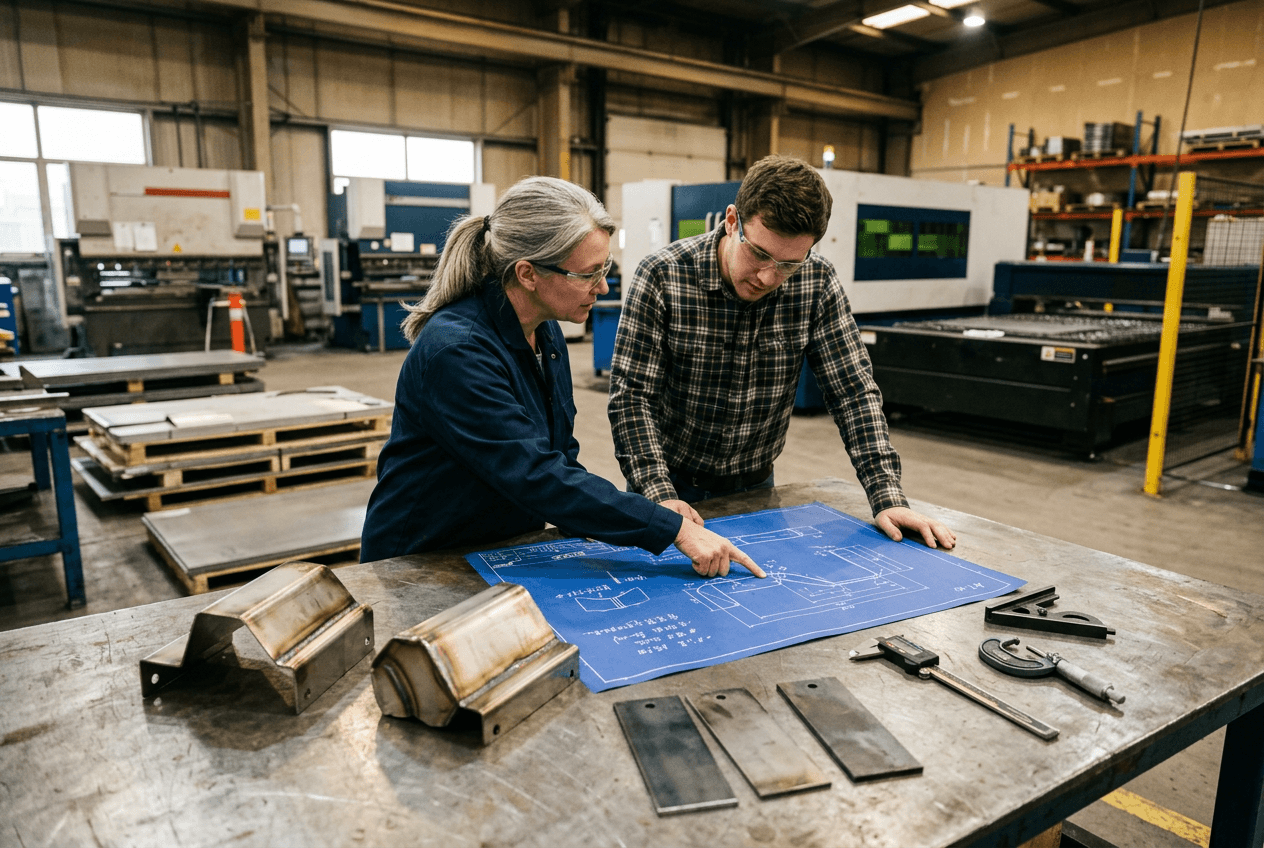
A prototype can pass and still hide the real production risk. One-off parts often get extra attention. A senior operator may tune the fit, a fixture may get adjusted mid-run, or a technician may hand-correct the door gap before shipment. That sample tells you the concept works, but it does not prove the process will repeat at 50, 200, or 500 pieces.
Batch risk gets worse when heat exposure is part of the job. Fixture drift, weld sequence changes, and coating thickness differences all create small variations. Those variations may seem harmless in isolation. Together, they can move a hinge, narrow a gap, or twist a frame enough to slow assembly. Yishang can review the prototype and the batch plan together, but the key is to lock the same assumptions before release, not after the sample passes.
A hand-fitted sample can hide drift
If a prototype needs manual adjustment to pass, the buyer should treat that adjustment as a process warning, not a success story. The sample may have been saved by rework that will not scale. When the order moves into batch production, the same hidden drift returns as inconsistent door fit, coating damage at the edges, or mounting holes that miss the mating part.
Lock the same assumptions before release
To reduce that risk, the buyer should confirm the sample revision, fixture approach, weld order, finish sequence, and inspection points before batch approval. The goal is not more paperwork. The goal is repeatability. If the prototype needed a different bend radius, a different clamp point, or a relaxed cosmetic standard, that change should be written into the release package so the batch does not drift from the approved sample.
What to Send Before You Compare Prices
The fastest way to reduce quote distortion is to send the supplier enough detail to price the thermal risk, not just the part geometry. Start with drawings, material requirements, quantities, tolerances, and finish expectations. Add the operating temperature, the heat source location, and whether the part sees radiant, contact, or ambient heat. If the project includes a prototype phase, note how the batch will differ, if at all.
Photos of the installation space help as well. So do assembly notes that show which face is cosmetic, which face is functional, and what must align after welding and coating. That package gives the fabricator a real basis for manufacturability review. It also lets a shop like Yishang quote the job with fewer assumptions, fewer exclusions, and fewer surprises after the first article.
Practical next step: if you are comparing quotes for a heat-exposed sheet metal part, send your drawings, material requirements, quantities, tolerances, finish expectations, and installation photos before you lock the RFQ. If the part needs drawing review, prototyping, or assembly-fit feedback, send the same package to Yishang so the quote reflects the real manufacturing risk instead of a guess around carbon melting temperature.
Frequently Asked Questions
If my RFQ says carbon melting temperature, what should I write instead?
Write the actual material, such as carbon steel, plus the continuous service temperature, the peak temperature, and the heat source near the part. That gives the fabricator enough information to judge coating choice, weld strategy, and distortion risk.
Why do two suppliers quote the same enclosure so differently?
They may be assuming different heat exposure, finish durability, weld complexity, or inspection scope. If one shop thinks the part sits in a cool cabinet and another thinks it sits beside a heater, the quote will not match.
How does heat affect powder-coated sheet metal parts?
Heat can soften the coating, change the color, or create chalking and blistering over time. If the part sits near repeated thermal cycling, the supplier needs that condition early so it can choose a finish that survives the environment.
What drawing notes help prevent weld distortion in a batch order?
Call out the functional face, flatness target, hole-position tolerance, and any critical door or hinge relationship. If weld order or cooling behavior matters, note it directly. That reduces hand-fitting and keeps the batch closer to the approved sample.
Why can a prototype pass when the production batch fails?
A prototype often gets manual tuning that the batch never receives. Once the order scales up, fixture drift, weld shrinkage, and coating variation show up. The sample proves the concept, but not always the repeatability.