Custom Metal Frames Built Square, Stable and Ready to Assemble.
From DFM review and fixture planning to welding, machining and final inspection, we build equipment frames that hold alignment through installation and repeat production.
NDA available · Sample approval · Repeat production
Get a Quote and DFM Review
Send the current files—even early-stage drawings, markups or reference samples. We will review the enclosure route and reply within 24 hours.
Your files are used only for project review.
1-Hour Quote
Custom product quotation
5-Hour Sample
Fast sample service
Online Inspection
Videos, reports & 3D/VR tour
No MOQ
Free samples & renderings
Typical Frame Capability—The Numbers Buyers Check First.
Use these as fast project-screening guidelines. Final capability and tolerance follow the drawing, section size, weld length, material, finish and quantity.
Small Parts to Large Structures
Size and construction are reviewed according to the drawing, application and transport requirements.
Sheet · Tube · Plate · Profile
Material thickness and reinforcement are selected around load, geometry and fabrication needs.
Carbon Steel · 304/316 Stainless · Aluminum
Galvanized components and mixed sheet-and-tube structures can also be reviewed.
Confirmed by Drawing
Unit weight, lifting points, shop access, packaging and transport must be reviewed together.
Cut · Drill · TIG/MIG Weld · CNC Machine
Post-weld drilling or machining is available for functional interfaces where the frame size permits.
Powder Coat · Brush · Plate · Passivate
Masking, visible faces, threads and contact areas are defined before finishing.
Sample → Pilot → Repeat Batches
Approve geometry and finish on a production-intent first frame before release.
Panels · Feet · Casters · Hardware
Specified brackets, fasteners and purchased components can be installed or packed as agreed.
No single weight number fits every welded frame. Unit weight, center of gravity, lifting points, packaging and transport method are confirmed from the actual drawing. Tighter interfaces may require post-weld machining or a project-specific inspection plan.
A Frame Can Look Finished and Still Stop Your Assembly.
The expensive problems often appear only when motors, panels, guards, tabletops, rollers or customer equipment are installed.
Frame out of square
Panels, doors, conveyors or machine modules cannot align during assembly, even when the frame looks complete.
Base datums and critical diagonals are defined before welding and checked again after the structure is released from the fixture.
Welding distortion
Heat movement changes width, angle or clearance and shifts the relationship between equipment interfaces.
Fixture restraint, tack plan, welding sequence and staged measurement are selected around section size, material and frame geometry.
Incorrect hole or interface position
Your assembly team must drill, slot or rework mounting points during installation.
Critical hole patterns, plates, rails and brackets are checked from shared datums as one assembly rather than isolated parts.
Uneven mounting surfaces
Equipment rocks, twists or loses alignment after motors, modules, panels or tabletops are installed.
Mounting planes, feet, leveling points and any post-weld machining requirements are agreed before production.
Inconsistent repeat batches
Replacement and repeat assembly become unpredictable when geometry, weld treatment or finish drifts from the approved frame.
Approved revisions, fixtures, inspection records and packing references remain linked to repeat production.
Frames Built Around What They Must Carry, Align or Protect.
The load path, mounting interfaces and installation method change with the application. We focus first on equipment frames and machine bases, then adapt the same control logic to related OEM structures.
Equipment & Machine Frames
Welded metal frames for automation equipment, processing machines, packaging systems and OEM machinery, built around load points, mounting interfaces and installation accuracy.
Conveyor Support Frames
Custom stainless steel conveyor frames for material handling lines, designed with support legs, mounting points and stable structures for smooth transport and equipment integration.
Guarding & Protective Structures
Metal guard frames, welding screens, modular barriers and protective enclosures built to separate work areas, improve safety and support on-site installation.
Furniture & Display Support Frames
Custom metal table legs, display bases and fixture frames for furniture, workstations and commercial projects, made to carry weight with stable joints and clean finishing.
Also supported for drawing-based B2B projects: conveyor frames, metal table bases and leg frames, welding screen frames, carts, racks and modular welded structures.
Different Frames Fail in Different Ways. We Build Around the End Use.
The photographs below are Yishang-manufactured customer projects. Customer names and proprietary dimensions remain confidential.
Large Stainless Equipment Frame
Application: automated processing equipment
- Material: Stainless steel
- Project scale: Large single-piece tubular structure; customer dimensions confidential
- Control plan: Shared datums, diagonals and equipment interfaces
Weld distortion could shift the machine mounting locations and leave the customer correcting a large structure during installation.
The frame was built in controlled stages using defined datums, temporary bracing, planned weld sequence and repeated diagonal and interface checks.
A complete equipment support frame prepared for downstream installation without leaving basic squareness and hole correction to the customer.
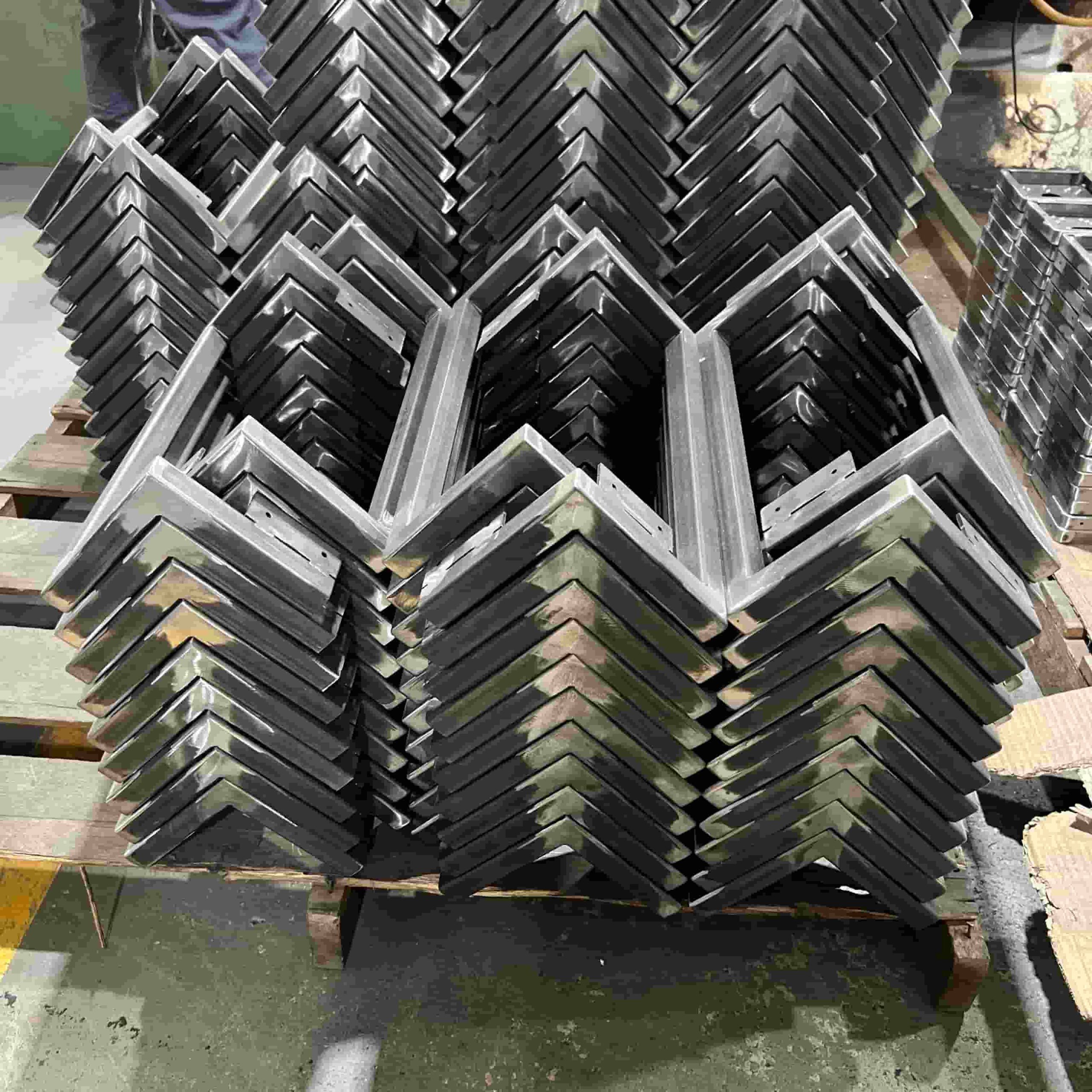
Powder-Coated Machine Support Frames
Application: repeat-production OEM equipment bases
- Material and finish: Carbon steel tube with black powder coating
- Production path: Approved first frame to multi-unit repeat batch
- Critical reference: Fixture positions and equipment interfaces
Each frame needed to repeat the approved geometry so equipment, panels and purchased components could be installed without batch-by-batch adjustment.
We linked the released drawing to fixture positions, critical interface checks, weld treatment, coating protection and the approved packing reference.
A finished repeat batch supplied to the same controlled assembly reference rather than treated as unrelated one-off weldments.
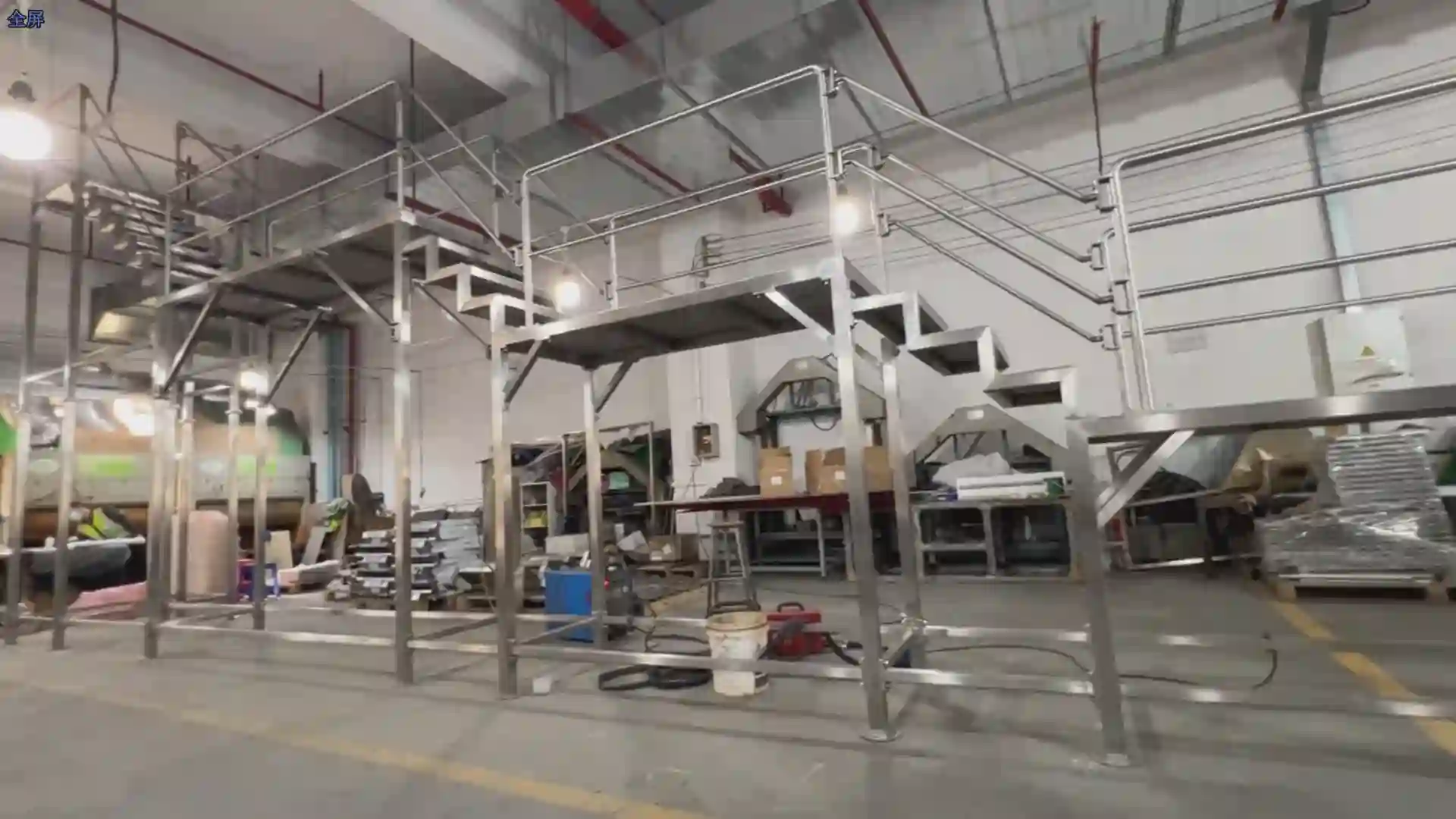
Stainless Access and Support Frame
Application: equipment access platform and support structure
- Material: Stainless steel
- Structure: Welded frame, stairs, platforms and guard rails
- Delivery plan: Site-installation interfaces and shipping configuration reviewed
The platform, stairs, guard rails and equipment-support points had to meet as one structure after a large amount of welding.
Subassemblies were controlled from common datums, checked through staged fabrication and reviewed around installation access and shipping configuration.
A coordinated support structure prepared for site assembly with the main relationships resolved before shipment.
Not Sure Whether the Current Frame Design Is Production-Ready?
Send the files you have. We will identify the questions that affect geometry, welding, assembly and quotation.
Early-stage drawings, STEP files and reference photos are welcome.
Six Checks That Protect Alignment and Repeat Orders.
Inspection follows the frame’s function. Not every dimension receives the same cost or control level.
Squareness and Diagonals
Critical diagonals are measured before and after welding so released frames do not rely on visual judgment alone.
Mounting Point Position
Hole patterns, plates, rails and equipment interfaces are checked from the agreed datums against the approved drawing.
Flatness of Mounting Areas
Contact and mounting surfaces are inspected before finishing; post-weld machining is reviewed when the function requires it.
Fixture and Weld Sequence
Fixture restraint, tack plan and welding sequence are selected around material, section size and expected heat movement.
Coating and Masking
Threads, grounding points, machined interfaces, visible faces and specified contact areas are protected as required.
Repeat-Batch Consistency
Approved samples, revisions, fixtures, inspection records and packing references are retained for repeat production.
From First Frame to a Repeatable Batch.
Approval captures more than appearance. It fixes the revision, geometry, interfaces, finish and packing details later orders must repeat.
Review the Drawing and End Use
Confirm what the frame carries, where it mounts, which interfaces are critical and how it will be shipped or installed.
Plan Fixtures and Welding Sequence
Define datums, restraint, tack plan, welding order, access and any post-weld machining before the structure is fixed by heat.
Build and Inspect the First Frame
Verify diagonals, mounting relationships, weld treatment, finish, included hardware and packing against the released requirements.
Approve and Release Repeat Production
Carry the approved revision, fixture plan, inspection points and protected interfaces into the production batch.
What Buyers Say About Our Custom Metal Frames
Feedback from completed equipment frame, support frame and welded structure orders. Buyer names and order details are withheld for privacy.
“The welded frame matched the confirmed dimensions and mounting points accurately, and the overall quality was great.”
Equipment frame buyer
“The frame was square, stable and well finished. The service was excellent throughout the project.”
Custom welded frame buyer
“We have been consistently satisfied with the quality across our repeat frame orders.”
Repeat OEM frame buyer
Drawing Review
Load points, datums and interfaces checked
Welded Frame Control
Squareness, flatness and alignment reviewed
Sample First
Confirm fit and finish before repeat orders
Export Packing
Protect finished frames during shipment
Questions Buyers Usually Ask.
What is the MOQ for a custom metal frame?
One production-intent sample can be made first. Production MOQ depends on frame size, material, fixture needs, finish, purchased hardware and repeat demand.
Can you work from a 3D model or assembly drawing?
Yes. STEP / STP models, assembly drawings, marked-up PDFs, sketches, reference photos and physical samples can start the review. Production-ready drawings are not required for the first discussion.
Can you sign an NDA?
Yes. An NDA can be arranged before detailed drawings and confidential project information are reviewed.
How do you control welding distortion?
We review the datum scheme, joint preparation, fixture restraint, tack plan, welding sequence and in-process measurement around the material, section size and critical equipment interfaces.
Can you machine critical surfaces after welding?
Yes, when the drawing and frame size support the process. Mounting plates, hole patterns and functional interfaces can be reviewed for post-weld drilling or CNC machining before finishing.
What frame sizes and weights can you handle?
A typical single-piece starting envelope is approximately 3,000 × 2,000 × 2,000 mm. Larger, heavier or split-frame structures are reviewed from the drawing, lifting points, shop access, packaging and transport requirements.
Can you build welding fixtures for repeat orders?
Yes. A project-specific fixture, stops or inspection gauges can be proposed when repeat geometry and assembly interfaces justify the tooling cost.
Can you install leveling feet, casters and purchased components?
Yes. Frames can be supplied with specified plates, brackets, inserts, feet, casters, panels, fasteners and purchased hardware installed or packed as agreed.
How do you inspect squareness, flatness and mounting locations?
Inspection can include diagonal comparison, squares, straightedges, height gauges, templates and drawing-based dimensional checks. The exact method follows the functional risk and agreed inspection plan.
How are large frames packaged and shipped?
Full-welded, split-frame, bolted or knock-down delivery can be reviewed. Protection may include film, foam, edge guards, separators, pallets, crates, bracing and restraints selected around finish and protrusions.
Do you also make metal table bases and welding screen frames?
Yes, for drawing-based B2B projects. Table load and mounting requirements must be defined, while welding-screen curtain material and any safety classification must be specified and verified per order.
How quickly will you reply?
We respond within 24 hours with initial feedback or clarification questions. A formal quotation follows after the manufacturing scope is clear.
Send the Frame Drawing Before Alignment Problems Reach Installation.
Upload your drawing for a quote and DFM review. Early-stage files are welcome.