
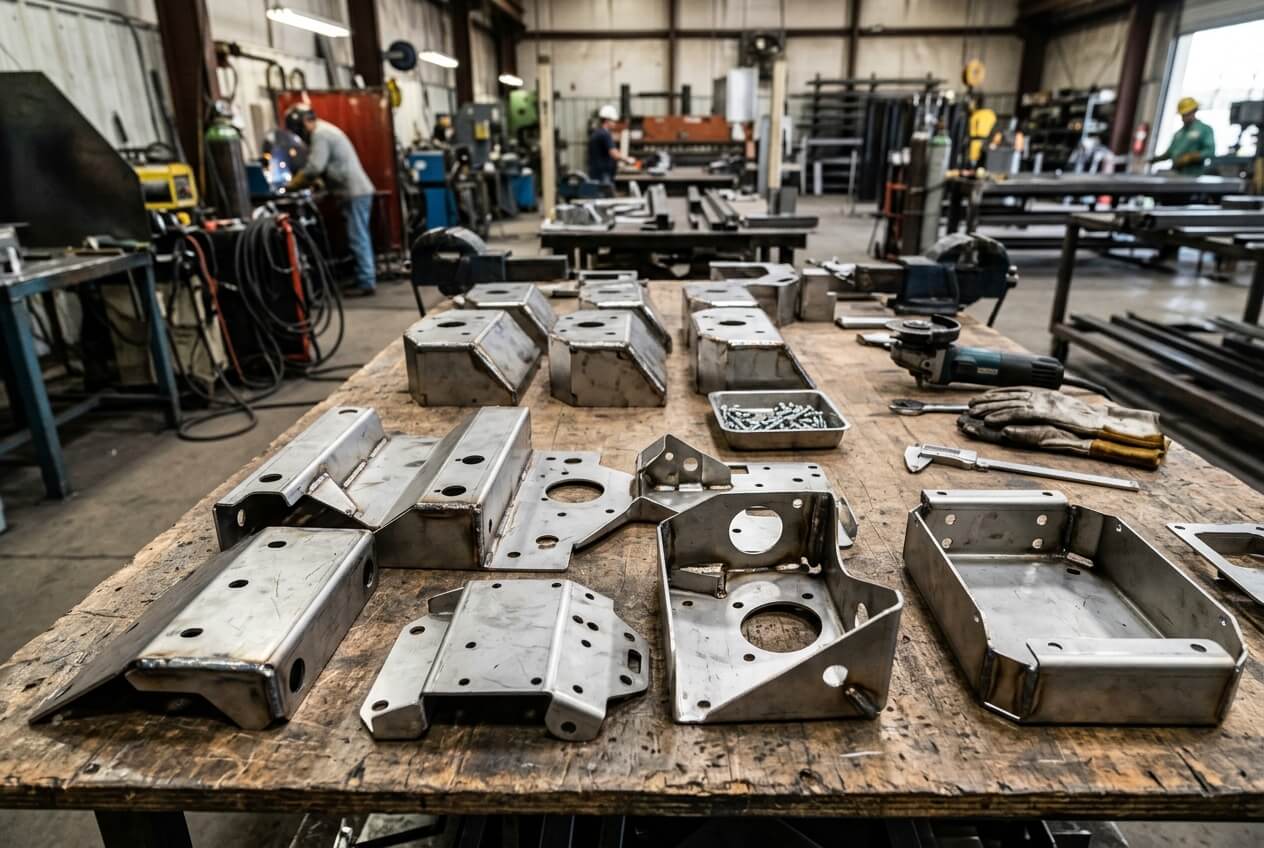
An OEM buyer sends an RFQ for stainless enclosure panels, bent brackets, and a small welded frame. The drawing says electrochemical polishing required on exposed surfaces. It does not mark cosmetic faces, hand-contact edges, functional holes, grounding areas, weld zones, or approved sample limits.
Three suppliers return prices that look reasonable. One includes mechanical pre-polishing and full assembly electropolishing. Another prices only the visible faces. A third assumes a standard brightening cycle and places contact marks wherever loading works best. Procurement now compares different scopes under the same finish note.
This is the main buyer risk with electrochemical polishing. The RFQ can look specific while still leaving the supplier to define the expensive details. That ambiguity changes cost, lead time, inspection, assembly fit, and batch consistency before production starts.
Electrochemical polishing can improve stainless sheet metal parts when the requirement matches the product risk. It can brighten surfaces, reduce fine peaks, improve edge feel, and support cleanability. It cannot rescue unclear drawings, hidden cosmetic expectations, or tolerance decisions made after quotation.
This article focuses on one procurement risk: incomplete RFQ finish scope. Buyers reduce overpaying and production disputes when they define which surfaces, edges, holes, welds, and assembly areas control the quote.
Ambiguous Finish Notes Turn One RFQ Into Several Different Jobs
A broad finish note gives suppliers too much room to price different parts. A stainless cabinet door may include a front cosmetic face, hidden returns, hinge reinforcements, ventilation slots, internal flanges, and welded corners. The phrase electrochemical polishing required does not tell the supplier which of those areas must meet the same standard.
That missing detail changes the quotation. Full-surface electropolishing after welding may require more cleaning, more handling, special racks, longer process time, and wider inspection. Polishing only the customer-facing side may reduce cost. Polishing cleanable internal areas may add cost for the right reason. Procurement cannot judge the price gap until the drawing explains the finish zones.
Where the quote starts to drift
Electrochemical polishing removes a thin surface layer through an electrochemical reaction. The process works differently on flat faces, sharp edges, punched holes, laser cut slots, and welded corners. Current density tends to concentrate on peaks and protrusions. Recessed corners and shadowed areas may respond less evenly.
When the RFQ does not define the target, the supplier must fill the gap. Some suppliers add mechanical pre-polishing because they know electropolishing may highlight scratches, grinding marks, weld discoloration, and mixed grain direction. Others quote only a standard cycle. Both may act reasonably, but they have not quoted the same work.
A short enclosure example shows the risk. A buyer asks for electropolished stainless control panels. The real requirement is a clean front face and safe edges around operator access holes. The hidden rear flanges only need normal deburring and corrosion-appropriate cleaning. If the drawing says all exposed surfaces, a strict quote includes work that adds cost without improving the product.
A second example moves the other way. A welded stainless housing for cleaning-sensitive equipment may need smoother internal corners and controlled residue removal. A low quote that treats electropolishing as a cosmetic face finish can miss the functional requirement. The cheaper price becomes expensive when inspection rejects the housing after assembly.
Low Electropolishing Prices Often Depend on Unwritten Assumptions
A low price can hide missing scope rather than better efficiency. Buyers often discover this after sample review, when they ask why the finish shows contact marks, uneven brightness, or visible weld cleanup differences. The supplier may answer that the quote did not include masking, pre-polishing, special fixturing, or cosmetic inspection.
The problem starts in the RFQ package. Drawings may include material grade and overall dimensions, but omit surface condition, mill finish, weld cleanup level, acceptable rack marks, and inspection distance. Electrochemical polishing then becomes a supplier-defined process instead of a buyer-defined outcome.
Surface preparation changes the real price
Electropolishing can reduce micro-burrs and smooth small peaks. It does not remove deep scratches, poor grinding, heavy heat tint, or inconsistent mechanical finish. If a visible panel has handling marks before finishing, the final part may look brighter and still look uneven. A supplier that includes scratch reduction will quote higher than one that does not.
Laser cutting, punching, bending, and welding also affect the finish. Laser striations on a visible edge may need deburring before electropolishing. Punched holes may need edge control if users touch them or if fasteners seat against them. Welded corners may need discoloration removal before the bath. These steps belong in the quotation, not in a late dispute.
Material and inspection assumptions create hidden variation
Stainless grades such as 304 and 316 often suit electrochemical polishing. The exact grade, mill finish, and surface condition still matter. 430 stainless can carry different appearance and corrosion risks. Aluminum or coated steel should not appear in the same RFQ as if the finishing behavior will match stainless sheet metal.
Inspection assumptions matter just as much. A cosmetic front panel may need visual review at an agreed distance under consistent lighting. A cleanable stainless tray may need a roughness target or residue-related acceptance. A structural bracket may only need edge feel and absence of sharp burrs. Without that ranking, suppliers price their own comfort level.
Yishang can review drawings, material notes, and finish zones before quotation when buyers need custom sheet metal parts with cutting, bending, welding, polishing, and assembly. That review should expose assumptions early, before procurement treats the lowest number as the complete scope.
Unclear Finish Boundaries Can Create Assembly and Tolerance Problems
Procurement may view electrochemical polishing as a surface decision. Production still has to assemble the parts. If the RFQ does not protect functional areas, a finish process can create fit, electrical, or fastening problems that the quote never priced.
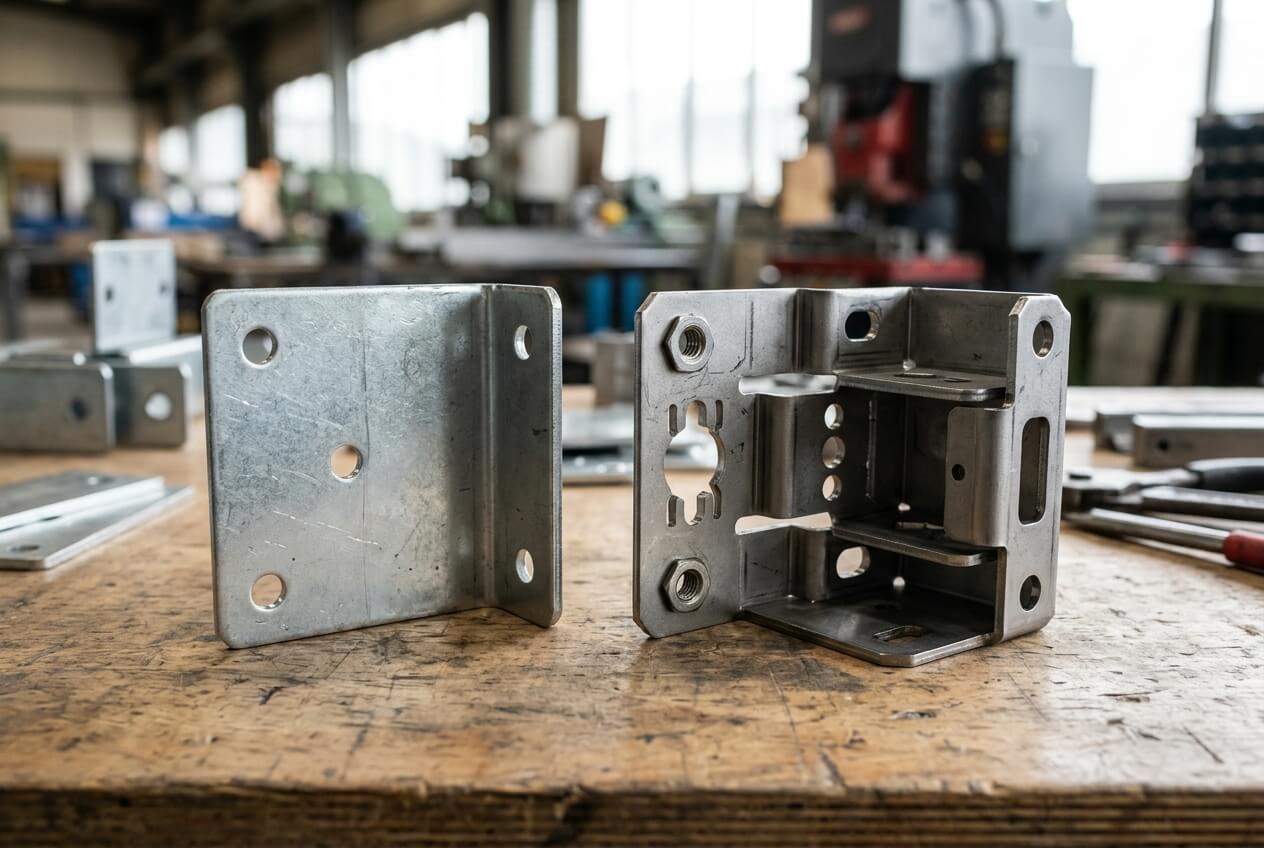
Electropolishing removes only a small amount of material in most sheet metal work. That does not make it irrelevant. Tight slots, tabs, press-fit features, grounding pads, threaded inserts, and hardware seating faces need review. A cosmetic finish note should not accidentally apply to every functional surface.
Holes, tabs, and contact areas need a separate decision
Consider a stainless electronics enclosure with a front panel, formed returns, PEM-style hardware, and welded seams. The buyer wants a bright exterior and a clean edge around the display opening. Threaded insert areas, grounding points, and hardware seating faces may need masking or post-finish checks. If the drawing does not identify those areas, the supplier may polish the whole assembly and create assembly questions later.
A metal display frame creates another common case. Customer-facing tubes, trays, and side panels need consistent brightness and smooth touch points. Hidden welded joints may only need cleanup. If the RFQ treats every inner corner as cosmetic, the quote rises. If it ignores visible fixture marks, the batch may fail appearance review.
Finish boundaries should appear on the drawing, not only in an email thread. Mark cosmetic faces, allowed contact locations, no-polish areas, masked zones, threaded hardware locations, and critical mating surfaces. Add tolerance concerns where finishing follows cutting or forming. This helps the supplier choose a fabrication and finishing sequence that supports assembly fit.
Sequence decisions affect both cost and risk
Polishing before welding may protect access to flat parts, but welding can discolor the finish later. Polishing after welding may improve final uniformity, but recessed corners and contact points become harder to control. Large assemblies may need special racks or different loading plans. Small brackets may need simple fixtures but tighter edge inspection.
Buyers do not need to dictate every process parameter. They do need to state which outcomes matter. A supplier can then decide whether to adjust bend relief, weld location, corner radius, drain holes, or fixture areas before production. Those choices can reduce risk without changing the part’s function.

A Good Prototype Does Not Prove the Batch Scope Was Defined
A prototype can look excellent and still fail to protect procurement from batch risk. One sample only proves that one part can meet the expectation under one set of handling conditions. It does not prove that 500 panels, brackets, frames, or welded assemblies will show the same brightness, edge feel, contact marks, and assembly fit.
Electrochemical polishing depends on a controlled process window. Current density, bath condition, temperature, part spacing, contact point, immersion time, rinsing, drying, and packaging all influence the result. A prototype may receive extra manual attention. Batch production exposes the assumptions that the RFQ never defined.
Prototype approval should freeze acceptance, not just appearance
Buyers should record what the approved sample proves. Mark the approved viewing surfaces. Note allowed fixture mark locations. Define edge feel around touch points. State whether weld zones must match flat surfaces or only meet a cleanup requirement. If roughness, corrosion support, or cleanliness matters more than mirror-like appearance, write that down.
Photos help, but they do not replace acceptance criteria. Lighting can make polished stainless look better or worse than it is. A golden sample works well for cosmetic parts, especially enclosure doors, cabinet panels, and retail display components. Functional parts may need measurement, assembly checks, or documented inspection points instead.
Batch consistency also affects lead time. If the supplier must rework contact marks, sort uneven panels, or rebuild fixtures after sample approval, delivery slips. That delay often traces back to unclear finish scope, not to the electropolishing bath itself.
For overseas OEM work, confirm the batch plan before the purchase order. Ask whether the prototype fixture will match production loading. Confirm how the supplier will protect visible faces during packing. Clarify how many parts inspection will compare against the sample. These details keep prototype approval from becoming a weak checkpoint.
Clarify the Finish Scope Before Comparing Supplier Quotes
The strongest purchasing move is not to demand electrochemical polishing everywhere. It is to define where the process earns its cost. A clean RFQ lets suppliers quote the same job and gives engineering a chance to remove avoidable finishing risk before production.
Start with the product’s real requirement. A factory control cabinet may need a clean front face, corrosion-appropriate stainless, safe edges, and protected grounding areas. A welded cleanable housing may need smoother internal corners and more careful residue control. A retail display rack may prioritize uniform visible brightness and controlled contact marks.
Then connect that requirement to the fabrication route. Laser cut edges, punched holes, bends, welded seams, threaded inserts, and mating faces should not receive the same wording by default. Identify which features control appearance, touch safety, cleanability, corrosion expectations, or assembly fit.
Details that make supplier quotes comparable
Send drawings that mark finish zones directly. Include stainless grade, mill finish when relevant, quantity range, tolerance concerns, assembly notes, prototype status, and previous sample photos. State whether mechanical pre-polishing, weld discoloration removal, deburring, masking, special racking, or sample approval belongs in the quoted scope.
Define allowed fixture contact locations before the supplier builds the process around convenience. Hidden flanges, non-cosmetic returns, internal faces, or removable tabs may work. Customer-facing faces, gasket areas, grounding pads, and hardware seating surfaces usually need protection or review.
Ask suppliers to separate required cost from flexible cost. For example, full polishing on all surfaces may make sense for a cleanable stainless assembly. It may waste budget on hidden brackets inside a metal enclosure. That distinction helps procurement negotiate scope without weakening the actual specification.
Yishang supports RFQ review for custom sheet metal fabrication, including metal enclosures, brackets, frames, and welded assemblies where finishing affects cost or fit. Buyers should send drawings, material requirements, quantities, tolerances, and finish expectations through https://zsyishang.com/. Include marked finish zones, allowed contact areas, photos, samples, and assembly notes so the quote reflects the real production risk.
Frequently Asked Questions
Can electrochemical polishing remove laser cutting marks on stainless sheet metal edges?
It can reduce fine peaks and improve edge feel, but it should not carry the full burden for heavy laser striations, deep scratches, or poor cutting quality. If users see or touch the edge, define the required edge condition and ask whether deburring or mechanical preparation sits inside the quote.
Where should fixture contact marks be allowed on electropolished enclosure panels?
Place them on hidden faces, internal flanges, non-cosmetic returns, or areas that do not affect assembly. Every part needs electrical contact during electrochemical polishing. If visible surfaces cannot show marks, the supplier may need special hanging points, custom fixtures, or extra handling time.
Should cosmetic faces and cleanable internal areas use the same electropolishing requirement?
Not always. Cosmetic faces need controlled appearance and viewing criteria. Cleanable internal areas may need smoother weld zones, residue control, or roughness targets. Hidden structural surfaces may only need cleaning or corrosion-appropriate treatment. Mark these zones separately so the quote follows the product risk.
Can electrochemical polishing affect slotted holes, tabs, inserts, or grounding points?
Material removal is usually small, but sensitive features still need review. Slotted holes, sharp tabs, PEM-style hardware, grounding areas, and mating faces may need masking, finish sequence control, or post-finish inspection. Clarify those areas before prototype approval.
Why can a prototype electropolished sample look better than the production batch?
A prototype may receive more individual preparation, different rack placement, or extra manual attention. Batch production depends on repeatable loading, contact location, cleaning, rinsing, drying, and inspection. Record approved viewing surfaces, acceptable fixture marks, edge feel, and sample limits before scaling production.
What should buyers send when electrochemical polishing quotes are hard to compare?
Send drawings, stainless grade, quantities, tolerances, marked finish zones, weld cleanup expectations, allowed fixture contact areas, photos, samples, and prototype notes. Those details help separate necessary polishing cost from optional full-surface treatment before batch production.