
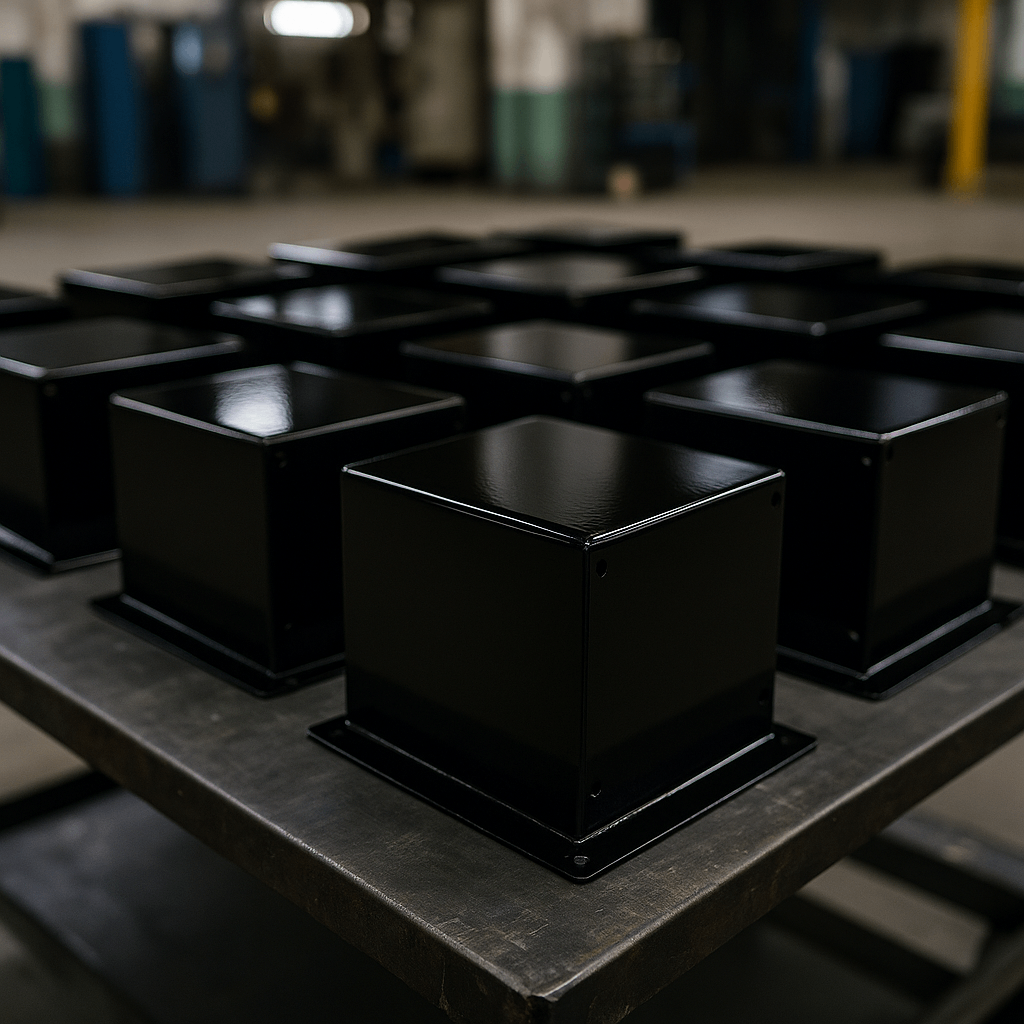
Why Enamel Paint Still Matters for Metal Product Buyers
For industrial buyers, coating choice is never just about appearance. It affects durability, compliance, reworkability, transport performance, and long-term field reliability.
Enamel paint still matters because it remains a practical option for many bulk metal products, especially where buyers need a balance of protective performance, manageable cost, and easier touch-up during logistics or installation.
What Is Enamel Paint and Why It Matters in Bulk Metal Coating Projects
Enamel paint is a resin-based coating that cures into a hard, relatively glossy, and protective film. In industrial projects, it is used not because it is fashionable, but because it can provide a useful combination of surface protection, visual consistency, and repair flexibility.
For buyers managing bulk orders, enamel becomes relevant in applications such as metal cabinets, kiosks, racks, shelving, hardware, signage, and mild steel enclosures where coating performance must be practical rather than overly complex.
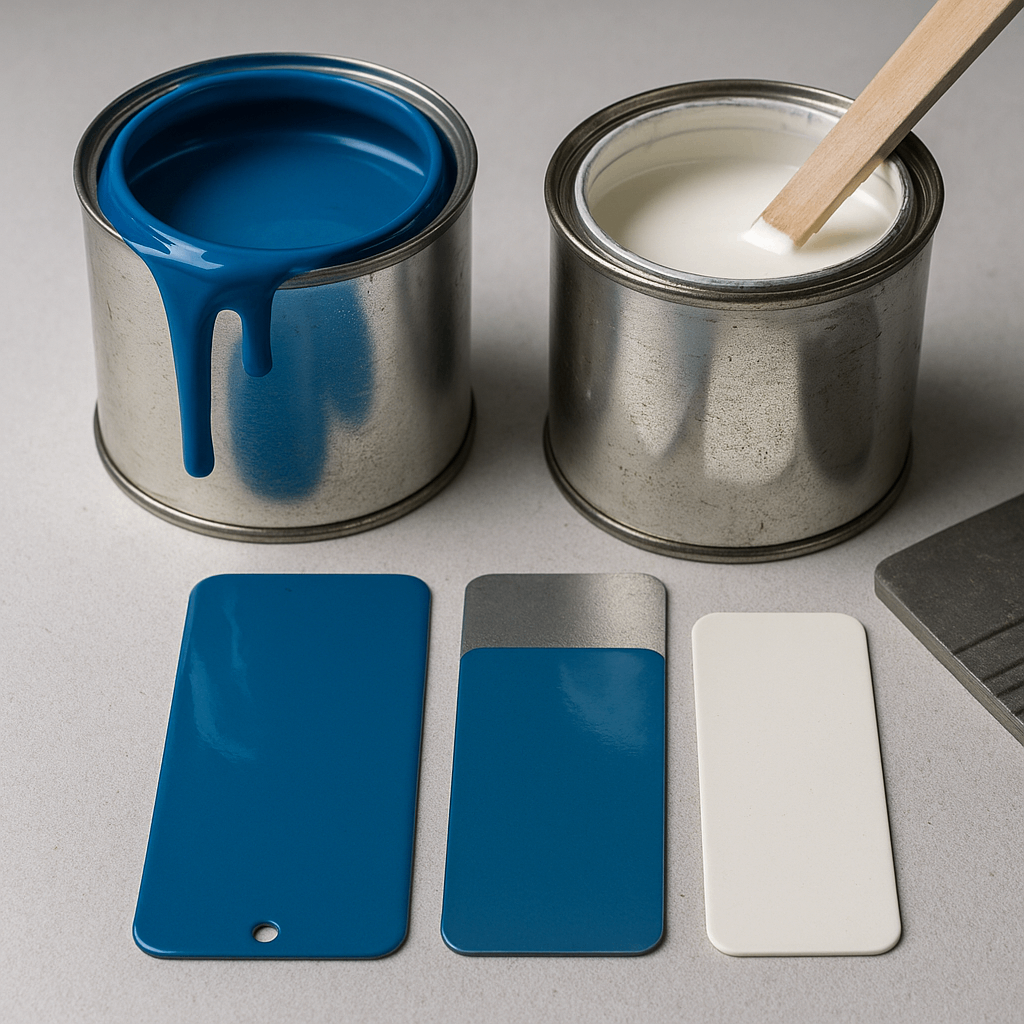
What Is Enamel Paint Made Of? Technical Composition and Standards
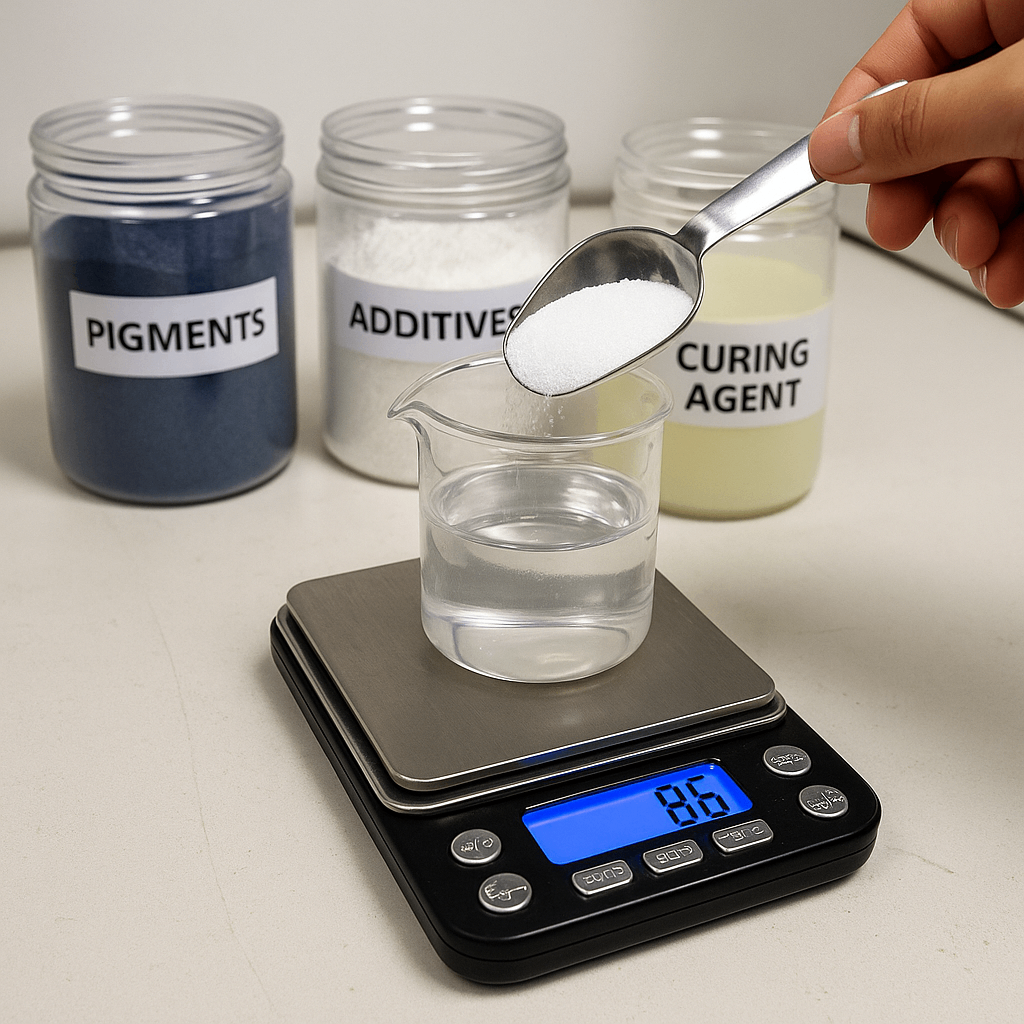
Industrial enamel systems typically include four main elements: binders, pigments, carriers, and additives. Together, these determine adhesion, gloss, hardness, coverage, drying behaviour, and long-term durability.
For procurement teams, the more important point is documentation. Buyers should always request TDS and SDS files, and where needed, ask suppliers to confirm the coating’s performance using recognized ASTM, ISO, or equivalent test methods.
When to Specify Enamel Paint (and When You Shouldn’t)
Enamel paint works best when the product requirements match its strengths.
Ideal for:
Exterior enclosures that need a hard, visually clean surface
Large-volume metal parts where touch-up during transit or installation may be necessary
Cost-sensitive production where powder coating would add unnecessary process complexity
Avoid when:
The project requires extreme UV durability or high flexibility
The substrate is untreated aluminum or galvanized steel without the correct primer system
The service environment includes heavy marine exposure or aggressive chemical conditions
Quick Match Matrix: Best Enamel Coating Uses for Metal Buyers
A simple way to evaluate enamel is to match it against the real use case:
| Application | Enamel Paint Fit | Notes |
|---|---|---|
| Outdoor kiosks and cabinets | ✅ Yes | Use on properly pretreated steel with the right primer system |
| Aluminum profile frames for signage | ⚠ Partial | Primer selection is critical for adhesion |
| Food-grade equipment frames | ❌ No | A more specialized system is usually required |
| Display racks for shipping | ✅ Yes | Useful where low-cost touch-up is an advantage |
This kind of quick comparison helps buyers align coating choice with practical operating conditions rather than habit.
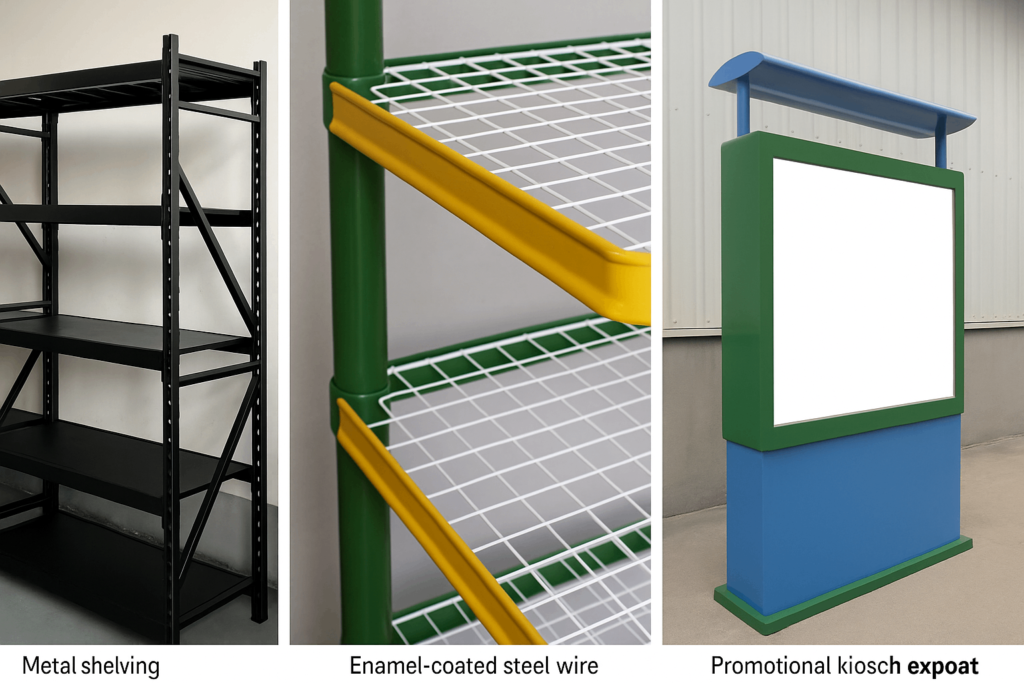
Enamel vs Epoxy vs Powder Coating: What Industrial Buyers Should Know
Industrial buyers usually compare enamel with epoxy and powder coating because the choice affects both product performance and manufacturing flow.
| Feature | Enamel Paint | Epoxy Paint | Powder Coating |
| VOC compliance | Moderate to low | Medium | Very low |
| Substrate flexibility | Low to medium | Medium | Low |
| Touch-up feasibility | ✅ Easy | ⚠ More limited | ❌ Difficult |
| Application process | Brush or spray | Usually spray | Electrostatic + oven |
| Repair cost | Low | Moderate | Higher |
For many buyers, the biggest practical difference is that enamel remains easier to repair in transit or after minor handling damage.
Evaluating & Controlling Enamel Coating Quality
Enamel quality should be verified with process control, not just visual approval.
Before confirming mass production, buyers should ask for sample panels or real-substrate samples, coating test data, and confirmation of pretreatment logic. During production, it is also useful to check whether the supplier records curing conditions, coating batches, and traceable quality data.
In many projects, enamel failures come less from the paint formula itself and more from weak pretreatment, poor curing discipline, or inconsistent substrate preparation.
Eco Compliance in Enamel Systems for Export Buyers
Export buyers increasingly need coating systems that align with environmental expectations in the destination market. Depending on the region, that may include VOC limits, heavy-metal restrictions, solvent restrictions, and chemical registration requirements.
For projects shipping into stricter markets, buyers should confirm compliance early rather than assuming a standard enamel formula will be acceptable everywhere.
FAQ: Enamel Paint for International Procurement
Q1: Can enamel be applied directly to aluminum or galvanized steel?
Not reliably in most industrial projects. These substrates usually need a suitable primer system to avoid peeling or weak adhesion.
Q2: Does high gloss equal higher durability?
No. Gloss affects appearance. Durability depends more on resin type, pretreatment, film build, and the total coating system.
Q3: What tests should I ask for?
At minimum, buyers should look at adhesion, gloss, hardness, and corrosion-related test data where relevant to the application.
Q4: Can enamel resist salt air or humidity?
It can perform in moderate conditions when specified correctly, but in higher-risk corrosion environments a stronger coating system may be more appropriate.
Q5: Enamel vs epoxy for mild steel components?
Epoxy usually offers stronger chemical and corrosion resistance, while enamel is often easier to rework and repair.
Q6: Is enamel suitable for RFQ specs in the EU or US?
Yes, but only when the formula and supporting documents meet the compliance expectations of the target market.
Should You Use Enamel for Your Next Batch?
Enamel paint can still be a strong choice for many industrial metal products, especially where buyers value practical durability, export readiness, and easier coating repair during handling or installation.
The right decision depends on matching enamel to the actual product, base metal, pretreatment route, and service environment—not using it by default.
At Yishang Metal Products Co., Ltd., we support OEM and wholesale customers with custom metal fabrication and finishing for products such as enclosures, racks, cabinets, frames, kiosks, display systems, and other fabricated metal components. With 26+ years of manufacturing experience, we support processes including laser cutting, bending, stamping, welding, CNC machining, surface treatment, assembly, packaging, inspection, and shipment.
📩 If you are evaluating enamel coating for your next batch of metal products, send us your drawings or technical requirements to discuss the most suitable coating and manufacturing solution.