
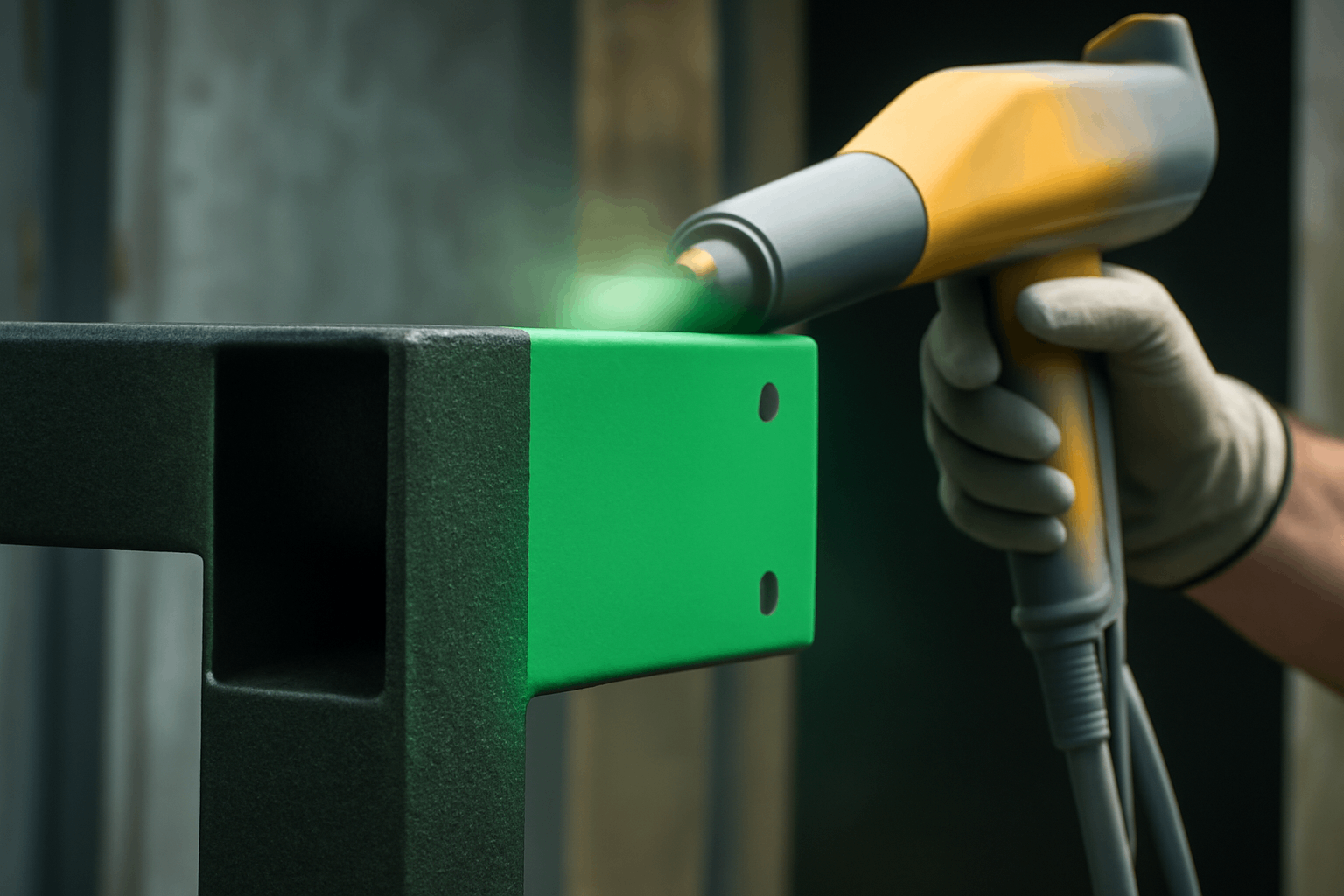
When buyers ask how long powder coating lasts, they are usually asking a more practical question: how long the finish will continue to protect the part, hold its appearance, and avoid early failure in real use.
That answer depends on more than years alone. Powder coating lifespan is influenced by pretreatment, powder chemistry, curing quality, design details, service environment, and maintenance. This article explains those variables from a sourcing and engineering perspective so buyers can judge durability more realistically.
Powder Coating Lifespan Is Not Just a Number
For buyers, powder coating lifespan should be judged by performance rather than by a single advertised service-life number. The key questions are whether the coating still protects the substrate, whether it still maintains acceptable appearance, and whether it continues to meet the functional requirement of the product.
What Actually Determines Powder Coating Durability
Surface Preparation
Pretreatment is often the single most important factor behind coating durability. If oil, oxidation, zinc residue, or surface contamination are not properly removed before coating, adhesion can fail long before the powder itself reaches its theoretical lifespan.
Why Early Failure Often Starts at the Surface
Many coating failures that appear to be “powder problems” are actually pretreatment problems. Blistering, edge lift, or early corrosion often begin where the substrate was not properly cleaned, converted, or prepared before application.
Why Powder Type and Curing Quality Matter
Powder coating durability depends heavily on using the right powder system for the environment.
Common Powder Types
Epoxy powders offer strong chemical resistance but are usually not ideal for long-term outdoor UV exposure.
Polyester powders are commonly used for general outdoor applications because of their UV stability and balanced durability.
Polyurethane or fluoropolymer systems may be preferred where appearance retention, weather resistance, or more demanding exposure is required.
Curing Quality
Even the right powder can fail if curing is incomplete or inconsistent. Under-cured coatings may show weak adhesion or chemical resistance, while over-curing can affect appearance and film properties. For thick parts or complex assemblies, buyers should remember that surface temperature and internal cure consistency are not always the same thing.
Where Powder Coating Fails First
Powder coating usually fails first where moisture, UV exposure, impact, or chemical contamination are most difficult to control. Outdoor edges, sharp corners, standing-water zones, and damaged film areas are often the earliest failure points.
How Environment and Design Affect Lifespan
Exposure Conditions
Coastal air, strong sunlight, industrial pollution, and repeated wet-dry cycling all shorten coating life faster than mild indoor conditions.
Part Design
Part geometry can also change coating life. Water traps, sharp edges, poor drainage, and inaccessible recesses can all make a coated part fail sooner, even if the coating material is nominally correct.
Maintenance
Maintenance does not create durability, but poor maintenance can shorten it. Aggressive cleaners, neglected chips, and long-term contamination buildup can reduce the useful life of a coated surface.
What Buyers Should Confirm Before Ordering Powder Coated Parts
Before approving a supplier or placing a large order, buyers should confirm:
substrate material and pretreatment method;
powder type and whether it is intended for indoor or outdoor use;
curing control and thickness verification method;
salt spray, adhesion, or UV testing requirements where relevant;
packaging and transport protection if cosmetic surfaces are exposed.
FAQ
Can powder coating help prevent rust?
Yes, but only when substrate preparation, coating integrity, and service conditions are all properly managed. Powder coating is a barrier system, so damage, poor adhesion, or exposed edges can still lead to corrosion.
What is the best coating for outdoor steel?
For many outdoor steel applications, polyester-based or other exterior-grade powder systems are commonly used, but the best choice still depends on the environment, pretreatment, and expected service life.
How long does powder coating last on steel?
That depends on environment, powder type, pretreatment, and film integrity. In moderate conditions it can last many years, but in harsh outdoor or coastal exposure the correct system selection becomes much more important.
Can powder coating be used over previously painted surfaces?
It can be done in some cases, but only if the old coating condition and substrate preparation are properly evaluated. Without adequate preparation, adhesion risk increases.
Is powder coating better than paint for industrial use?
Often yes, especially where durability, film uniformity, and long-term performance matter. But the answer still depends on the environment, substrate, and required finish performance.
Conclusion
Powder coating lifespan should be understood as the result of a complete system rather than a single promised number. Pretreatment, powder chemistry, curing quality, exposure conditions, and design details all determine whether the finish performs well over time.
For buyers, the safest way to reduce coating-related risk is to ask better questions before ordering, not after field failures begin.