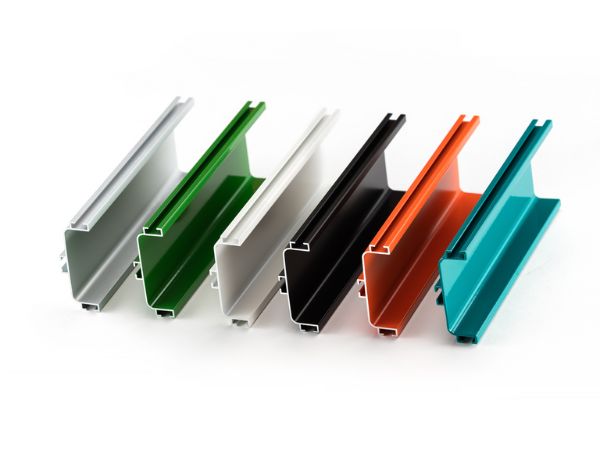
For B2B buyers, powder coating aluminum is not simply a finishing step. It affects appearance consistency, surface protection, handling durability, weather resistance, and the reliability of exported batches.
This guide focuses on how aluminum powder coating works in production and what buyers should verify before ordering: pretreatment, powder type, film thickness, curing control, and the quality risks that usually appear when those steps are not managed correctly.
Why Powder Coating Aluminum Is Different From Coating Steel
Aluminum already has natural corrosion resistance, but powder coating adds another level of protection and improves color stability, appearance consistency, and resistance to handling damage.
For buyers, the difference is that aluminum parts are often chosen not only for function, but also for visible finish quality. That makes coating appearance, adhesion, and color matching especially important.
Common Powder Systems for Aluminum Parts
Different powder chemistries suit different use conditions:
Polyester powders are commonly used for outdoor aluminum parts because of their UV stability.
Epoxy powders are better suited to indoor applications where chemical resistance matters more than outdoor weathering.
Hybrid systems may be used where cost balance and moderate indoor durability are the priority.
Color and Finish Control
For visible aluminum parts, buyers should also pay attention to gloss level, texture, and color consistency between batches. These factors often affect acceptance as much as the base corrosion performance does.
What the Aluminum Powder Coating Process Actually Involves
A stable aluminum powder coating process usually includes surface cleaning, suitable conversion coating, powder application, curing, and final inspection. Each stage affects the final result.
Pretreatment
Pretreatment is critical because aluminum surfaces can carry oils, oxides, or residues that reduce adhesion. If pretreatment is inconsistent, coating failure may begin long before the powder itself should fail.
Powder Application and Curing
After preparation, the powder is electrostatically applied and then cured under controlled temperature and time conditions. For complex aluminum parts, curing consistency matters because visible surfaces, edges, and hidden corners may not all respond the same way.
What Controls Appearance, Adhesion, and Durability
Three of the most important quality controls are:
coating thickness;
adhesion after pretreatment and cure;
color and gloss consistency across batches.
These are often the difference between a coating that performs reliably and one that leads to early complaints.
Why Coating Thickness and Curing Need Tight Control
Coating thickness influences both durability and fit. Too little film can reduce protection, while too much can affect appearance, edge build-up, or assembly clearance.
For aluminum parts with visible faces or tight tolerances, thickness control becomes even more important because excess build can create cosmetic inconsistency or interfere with final assembly.
Typical Failure Risks
Common issues include:
poor adhesion due to inadequate pretreatment;
orange peel caused by process imbalance or excessive build;
color variation between batches;
edge weakness or damage during handling and transport.
Why Packaging Still Matters After Coating
Even a correctly coated aluminum part can be damaged if export packaging is weak. For overseas shipments, buyers should confirm that the supplier has suitable scratch protection, moisture control, and labeling discipline for finished coated parts.
What Buyers Should Confirm Before Ordering Powder Coated Aluminum Parts
Before approving a supplier or placing a large order, buyers should confirm:
how aluminum surfaces are pretreated before coating;
which powder system is being used and whether it is intended for indoor or outdoor service;
how coating thickness and curing are verified;
how color, gloss, and batch consistency are controlled;
how coated parts are protected during packing and export shipment.
FAQ
Does powder coating work well on aluminum?
Yes, when surface preparation and curing are properly controlled. Aluminum is widely powder coated for architectural, industrial, consumer, and transport applications.
Can powder coating prevent corrosion on aluminum?
Aluminum does not rust like steel, but powder coating helps protect the surface from oxidation, weathering, surface damage, and appearance loss.
Is thicker coating always better?
Not necessarily. Excess thickness can create appearance issues, edge build-up, or fit problems. The best result usually comes from controlled thickness, not maximum thickness.
Why do some powder coated aluminum parts show color variation?
Color shift can come from batch inconsistency, curing variation, gloss differences, or uneven application conditions.
Conclusion
Powder coating aluminum successfully is less about the idea of coating and more about how consistently the process is controlled. Pretreatment, powder choice, film thickness, curing, and packaging all influence whether the finished part performs well in the field.
For buyers, the safest approach is to review the process logic early and confirm the critical quality controls before volume production begins.
If you have any questions or need a quote, please send us a message. One of our specialists will get back to you within 24 hours and help you select the correct valve for your needs.