

Rust prevention is not only about keeping metal products looking clean. For buyers, it affects service life, maintenance cost, product reliability, and the risk of rejection during storage, transport, or field use.
Whether the product is a cabinet, bracket, enclosure, frame, or structural component, preventing rust usually depends on three things working together: selecting the right material, applying the right surface protection, and controlling moisture exposure during storage and shipment.
What Rust Is and Why It Forms
Rust is the corrosion product that forms when iron or steel reacts with oxygen and moisture. Over time, this reaction weakens the metal surface and can eventually affect structural integrity, appearance, or product function.
For buyers, the important point is that rust is not random. It appears when the material, environment, and protection method are mismatched.
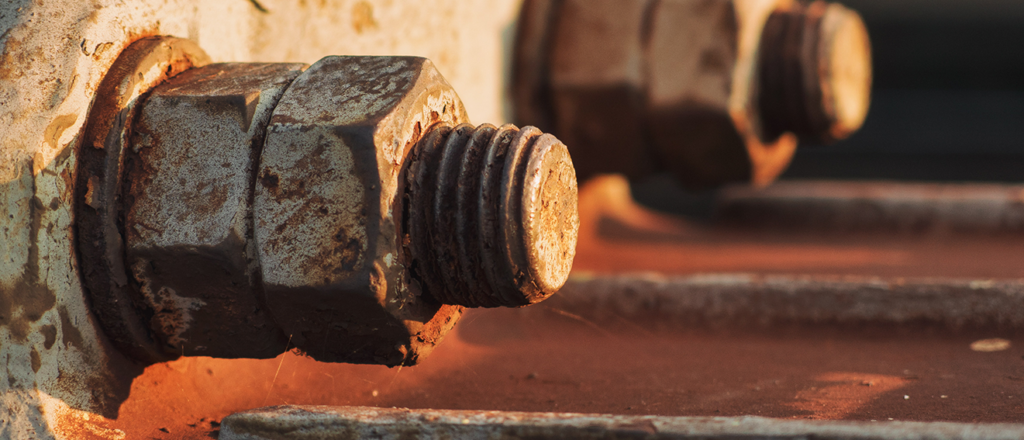
What Makes Rust Happen Faster
Several conditions accelerate corrosion more quickly than normal indoor exposure.
High Humidity
Moisture in the air increases the likelihood of oxidation, especially when metal is stored for long periods without adequate protection.
Salt Exposure
Saltwater, road salts, and coastal air accelerate corrosion because chlorides break down protective surface layers more quickly.
Pollution and Industrial Atmospheres
Pollutants such as sulfur compounds and acidic residues can intensify corrosion, especially on unprotected carbon steel.
Choosing Materials for Better Corrosion Resistance
Rust prevention often starts with material selection. The right base metal can reduce the amount of maintenance and coating complexity required later.
Stainless Steel
Stainless steel resists rust by forming a passive oxide layer on its surface. It is often chosen for food equipment, medical environments, marine-adjacent use, and applications where regular moisture exposure is expected.
Galvanized Steel
Galvanized steel uses a zinc layer to protect the underlying steel. It is often a practical option for outdoor structures, utility products, and cost-sensitive industrial applications.
Aluminum
Aluminum does not rust in the same way as steel, although it can still corrode under certain conditions. It is often chosen where weight reduction and corrosion resistance are both important.
What Buyers Should Compare
When selecting rust-resistant materials, buyers should compare:
expected environment;
required service life;
appearance expectations;
coating compatibility;
total cost over the product lifecycle.
Why Coatings and Finishes Matter
Even when the right material is selected, additional surface protection is often necessary. Coatings act as a barrier between the metal and the environment, reducing the chance that moisture, salt, or pollutants will reach the substrate.
Common Rust Prevention Methods
Powder coating for durable decorative and protective coverage;
Epoxy coating where chemical resistance and moisture barrier performance matter;
Zinc-based protection for sacrificial corrosion control on steel;
Passivation or other chemical treatments where corrosion resistance needs to be improved without changing part geometry.
Newer Technologies
More advanced rust prevention systems may include nano-scale barrier coatings or self-healing coating systems. These can be useful in specialized applications, but buyers should verify whether they are commercially proven for the required environment rather than assuming every “advanced coating” is the right choice.
Why Rust Prevention Matters in Procurement
For buyers, corrosion control affects more than appearance. Rust can lead to rejected goods, extra maintenance, warranty claims, and shortened service life.
A product that rusts too early may still have been manufactured correctly in every other way, but it will still fail commercially if the protection strategy was not matched to the environment.
Why Storage and Transport Control Are Part of Rust Prevention
Rust prevention does not end after fabrication or coating. Storage and transport conditions can undo earlier protection if moisture is trapped around the metal.
Common Practical Controls
storing products in dry, controlled conditions where possible;
using moisture-resistant or moisture-absorbing packaging;
checking for damaged coating or exposed edges before shipment;
reducing condensation risk during long-distance transport.
For overseas buyers, this is especially important because corrosion can begin in transit long before the product reaches installation or end use.
Conclusion
Preventing rust usually requires layered thinking rather than one single fix. The most reliable approach combines suitable material selection, the right coating or finish, and consistent moisture control during storage and shipment.
For buyers, rust prevention works best when it is treated as part of the full sourcing decision—not as an afterthought once the product has already been made.