

A buyer sends drawings for a laser-cut and bent metal enclosure. The RFQ asks for black industrial powder coating and shipment before a product launch. Three suppliers return similar dates, so the lowest quote looks safe.
The risk appears later. The RAL color is not confirmed. Threaded inserts need masking. The coating line has no reserved slot. The approved prototype never went through the final export packing test. The delay did not start in the powder booth. It started when the RFQ treated coating as a short finish note instead of a planned production step.
For custom sheet metal fabrication, industrial powder coating affects quotation, routing, inspection, packaging, and assembly fit. It can delay metal enclosures, brackets, frames, cabinets, and welded assemblies when buyers and suppliers do not share the same finish assumptions before purchase order release.
The dominant procurement risk is RFQ ambiguity. A vague coating note lets each supplier quote a different production route. One supplier may include masking, sample approval, film thickness checks, and protective packing. Another may assume a standard indoor finish with no special controls. Both quotes may say powder coating, but they do not carry the same lead time risk.
Vague Powder Coating Notes Make Supplier Quotes Look More Comparable Than They Are
Many RFQs describe the finish with only two or three words: black powder coating, white powder coating, or textured powder coating. That language feels clear to a purchasing team under time pressure. It does not define enough work for a stable sheet metal fabrication quote.
A supplier still needs to know the color code, gloss, texture, film thickness range, surface class, pretreatment expectation, and inspection level. If the part ships overseas, the supplier also needs to understand packing protection. Without those details, the quotation depends on assumptions rather than confirmed requirements.
How one missing detail changes the route
Consider a wall-mounted electronics enclosure. The buyer requests white industrial powder coating but does not give a RAL code or gloss range. The prototype looks acceptable under office lighting. During batch production, the buyer compares the enclosure with plastic bezels from another supplier and rejects the color. The coated parts now need sorting, possible stripping, recoating, and another coating queue.
The same issue can affect a retail display frame. The RFQ says matte black. The supplier quotes a standard black powder that sits in stock. After the order starts, the buyer asks the frame to match an existing store fixture. That request may require a different powder supplier, a sample panel, and buyer approval before batch coating.
Small wording changes reduce this risk. Instead of writing black powder coating, define the finish as a production requirement. For example: RAL 9005 matte black, fine texture, typical 60–90 microns, visible front surfaces free from exposed metal and heavy orange peel. Add any sample-matching requirement before suppliers quote.
This does not make the RFQ complicated. It gives each supplier the same basis for price and lead time. It also helps the buyer see when a fast quote excludes work that the project actually needs.
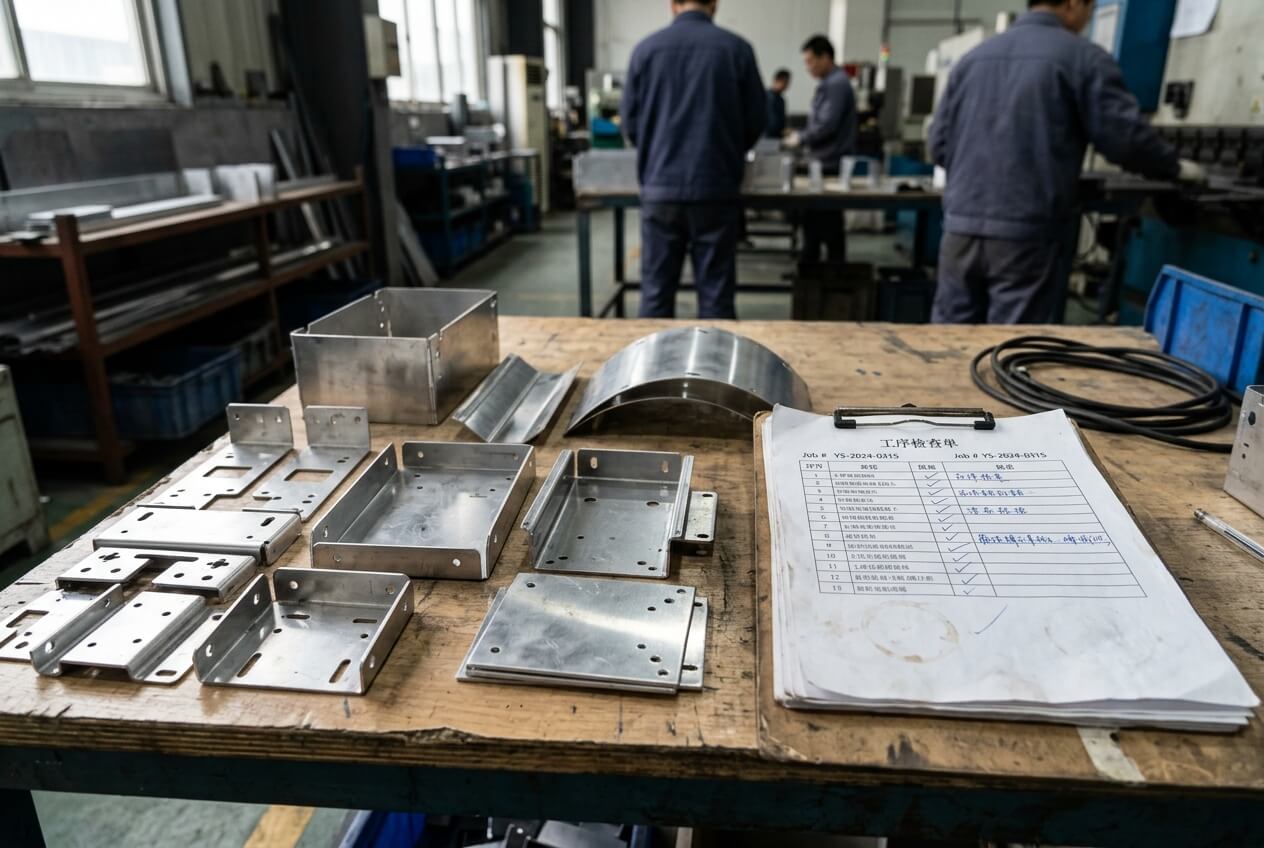
Unmarked Masking Areas Turn Finish Work Into Assembly Rework
Powder coating adds thickness. It can cover threads, reduce slot clearance, insulate grounding points, and interfere with hinges or sliding parts. If the drawing does not show where coating must stop, the coating team must guess or wait for clarification.
That uncertainty moves through the schedule. The fabricator may quote normal coating. After bending, welding, or insert installation, the buyer notices that PEM nuts, studs, gasket seats, or grounding pads need protection. The supplier then needs plugs, caps, tape, or custom masking fixtures. Manual masking adds labor before coating and removal time after curing.
Fit risk often hides inside ordinary features
A control cabinet with M6 welded studs shows the problem clearly. The buyer wants corrosion protection on the whole cabinet. Installers also need clean threads for fast assembly. If the RFQ does not mention thread protection, one supplier may quote without masking. Another supplier may include caps and post-coating thread checks. The first quote may look faster, but it may create assembly rework.
Mounting brackets create another common failure. A slot may accept a mating tab before coating. After coating builds on both surfaces, the same slot can bind. If the bracket belongs to a welded assembly or frame, the problem may appear only during final trial assembly. At that stage, filing, scraping, or remaking parts can damage the finish and push shipment.
Drawings should mark fit-critical areas before quote comparison. Identify tapped holes, PEM nuts, studs, inserts, hinge barrels, grounding pads, gasket seats, sliding faces, and holes that need a controlled after-coating size. If a dimension must apply after coating, state that directly. If coating may remain but clearance matters, give the supplier the mating part condition.
Buyers do not need to mask every feature. They need to flag the few places where industrial powder coating changes function. Yishang can review these drawing areas during RFQ clarification for enclosures, brackets, frames, and welded assemblies, especially when coating affects assembly fit or electrical grounding.
Prototype Approval Can Hide Batch Coating Assumptions
Prototype approval often gives buyers a false sense of security. A sample may use available powder, careful handling, one operator, and individual packing. Batch production needs repeatable pretreatment, racking, curing, color control, inspection, touch-up rules, and packaging for a larger quantity.
If the prototype approval record only says approved, the supplier may not have enough data to reproduce the finish. Photos do not capture gloss, texture, or lighting differences reliably. A physical sample helps, but it still needs notes that explain what the buyer accepted.
Approval should record the production reference
A machine housing prototype may pass because the front cover looks smooth. During the first batch, welded side panels show small pinholes after curing. The cause may involve weld condition, cleaning, material surface, pretreatment, or oven profile. If the RFQ never defines acceptable pinholes on non-cosmetic surfaces, inspection becomes subjective at the worst moment.
A display rack project has a different batch risk. The prototype may come from one coating run. Larger production may require several coating runs across frames, shelves, and brackets. If the buyer did not request a retained reference sample or batch color comparison, small differences may appear during store installation.
Procurement teams should convert prototype approval into a batch control record. Record the powder code, color reference, gloss or texture target, typical film thickness, accepted surface limits, and any prototype concessions. State whether those concessions may repeat. If the prototype required touch-up, extra grinding, or special packing, include that information before batch pricing.
This step protects both cost and delivery. Suppliers can quote the real batch route instead of guessing from a single sample. Buyers can avoid late disputes over whether production parts match a prototype that no one described precisely.
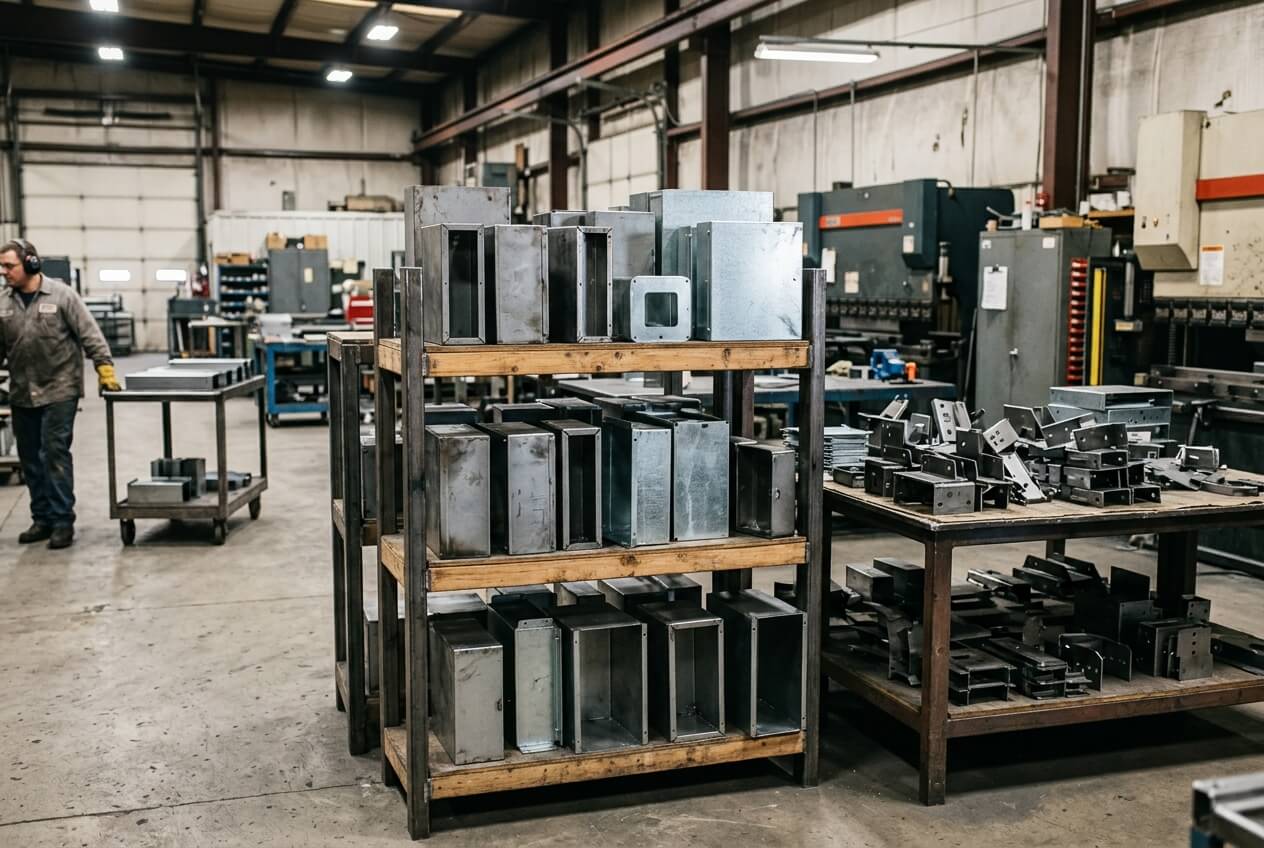
Late Inspection and Packing Requirements Hold Finished Parts at the End of the Schedule
Industrial powder coating does not end when parts leave the oven. The supplier may need adhesion checks, film thickness measurements, gloss readings, color comparison, salt spray samples, and cosmetic inspection. After approval, the parts still need packing that protects the finish during handling and transport.
Late inspection requests create schedule pressure because they appear after the coating work already finished. A quote may assume normal visual inspection under factory lighting. Later, the buyer asks for cross-hatch adhesion testing, measured film thickness records, a light booth color check, or corrosion testing. Those checks may be reasonable, but they require planning.
Testing scope must match the product risk
An outdoor cabinet may need stronger corrosion evidence than an indoor electronics bracket. If the buyer needs 500 hours of neutral salt spray testing, the RFQ must state the test standard, sample quantity, and timing. That test cannot disappear into normal production lead time. It adds calendar time unless the buyer accepts first article or periodic validation instead of every-batch testing.
Cosmetic inspection also needs clear limits. A visible front panel may require tighter control of scratches, exposed metal, heavy orange peel, rack marks, and dirt inclusions. A hidden internal bracket may not need the same level of review. When the RFQ does not separate cosmetic surfaces from non-cosmetic surfaces, suppliers may overquote, underquote, or reject parts inconsistently.
Packing can create the final delay. Powder coated cabinet doors and display frames may pass inspection, then arrive scratched because finished faces rubbed in transit. If the RFQ does not define foam separation, corner protection, carton strength, pallet method, or protective film, the supplier will choose a standard method. Upgrading packing after damage takes longer than planning it before coating.
Buyers should connect inspection and packing to real use. A machine enclosure for export may need film thickness records, protected A-surfaces, and no loose powder residue near electrical areas. A bracket for internal assembly may need clean threads and functional checks more than cosmetic review. This clarity helps the supplier reserve the right production time.
Compare the Coating Assumptions Before You Trust the Fastest Delivery Date
A fast delivery date can hide missing work. The risk does not always show in unit price. It often sits in the assumptions behind coating procurement, masking labor, sample approval, inspection, and packing.
Before selecting a supplier, procurement teams should ask what the quote includes. Has the supplier included the exact powder or only a standard color? Does the lead time include sample approval? Are masking tools and labor included? Do fit-critical dimensions apply before or after coating? Does the quote include inspection records or only visual checks? Does packing protect cosmetic faces during export transport?
These questions help buyers compare the same production route. They also expose cost drivers early. Special powder, tighter color control, manual masking, corrosion testing, retained samples, and protective packing all add real work. Removing ambiguity before the purchase order gives buyers more control than negotiating after coated parts fail inspection or assembly.
Supplier communication should stay practical. Mark up the drawing instead of relying only on email. Attach photos of cosmetic surfaces, grounding areas, hanging points, mating parts, and packing expectations. For prototype-to-batch projects, include approval notes and any assembly issues from the trial build.
Yishang reviews fabrication and finishing assumptions together when buyers share complete project files. That review can identify coating-related fit risks, masking needs, inspection steps, and packing concerns before the delivery date becomes a promise.
Planning custom sheet metal parts with industrial powder coating? Send Yishang your drawings, material requirements, quantities, tolerances, finish expectations, RAL or sample color, gloss or texture target, masking notes, assembly concerns, prototype records, inspection requirements, and packing standards. A clearer RFQ helps confirm whether the quoted delivery date includes the real fabrication, coating, inspection, and packing route. Start with your project files at Yishang.
Frequently Asked Questions
What industrial powder coating details should appear in a sheet metal RFQ?
Include the color reference, gloss or texture, typical film thickness range, cosmetic surfaces, masking locations, inspection expectations, and packing requirements. These details help suppliers quote the same production route instead of relying on different assumptions.
Why can a simple black powder coating note delay metal enclosure production?
Black powder coating may refer to many powders, textures, gloss levels, and inspection standards. If the buyer confirms these details after purchase order release, the supplier may need new powder, sample approval, revised masking, or a new coating slot.
How does powder coating affect tolerances on brackets and assemblies?
Powder coating adds thickness to surfaces, holes, and slots. It can reduce clearance and interfere with mating parts. Mark dimensions that must apply after coating, and identify threads, grounding pads, sliding areas, and gasket seats that need masking.
Does prototype approval guarantee batch coating consistency?
No. A prototype may use a different coating route from batch production. Record the powder code, gloss, texture, film thickness, accepted defect limits, and any concessions. Keep a physical reference sample when appearance matters.
When should salt spray testing be included in the quotation?
Include salt spray requirements before quotation. State the standard, hours, sample quantity, and whether testing applies to first article approval, periodic validation, or every batch. Late corrosion testing requests can hold finished parts.
What files help a supplier find coating-related delivery risks early?
Send 2D drawings, 3D files when available, material and tolerance requirements, quantities, finish specifications, marked masking areas, prototype records, assembly notes, inspection standards, and packing photos or requirements.