Custom Injection Molding for Industrial Housings, Covers and Equipment Components.
Yishang coordinates drawing-based molded plastic components for equipment manufacturers that also depend on metal frames, panels, brackets and hardware. From the first molded sample to repeat orders, one project contact keeps fit, appearance, assembly and delivery connected.
Made to your product files rather than sold as raw material
Molded samples available
Review production-intent samples before repeat orders
Plastic and metal fit
Interfaces checked around frames, panels, brackets and hardware
One project contact
Coordinated sampling, production, assembly and delivery follow-up
WHAT WE SUPPLY
Finished Plastic Components That Belong in Real Equipment.
The focus is not plastic resin or decorative samples. It is custom components that must install correctly, look consistent and support a commercial product.
01
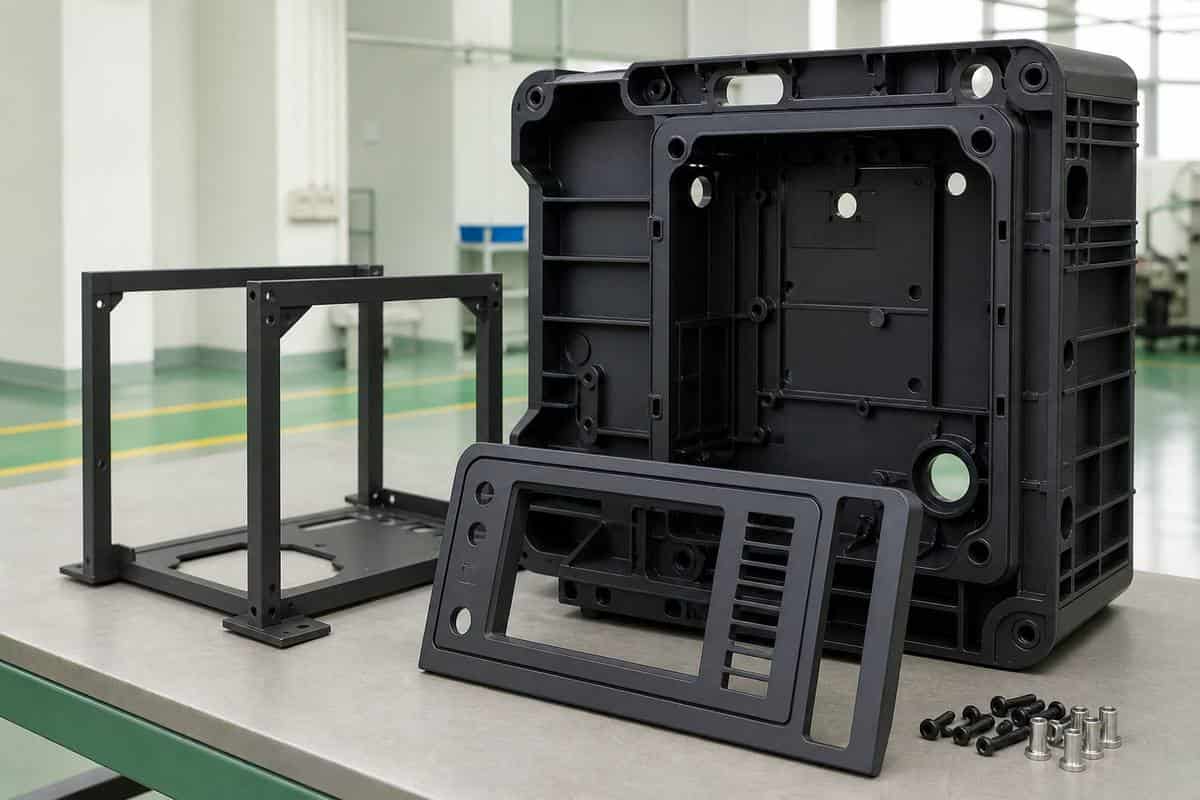
Equipment Housings and Covers
Protective outer shells, removable covers and internal housings designed around the product structure and service access.
02
Control-Panel Bezels and Faceplates
Molded front panels and display surrounds that must align with sheet-metal openings, controls and visible gaps.
03
Handles, Knobs and Interface Components
User-contact components developed around grip, mounting, movement and the appearance of the complete equipment.
04
Clips, Guides and Protective Features
Cable guides, guards, mounting features and retention components that simplify installation and protect surrounding parts.
05
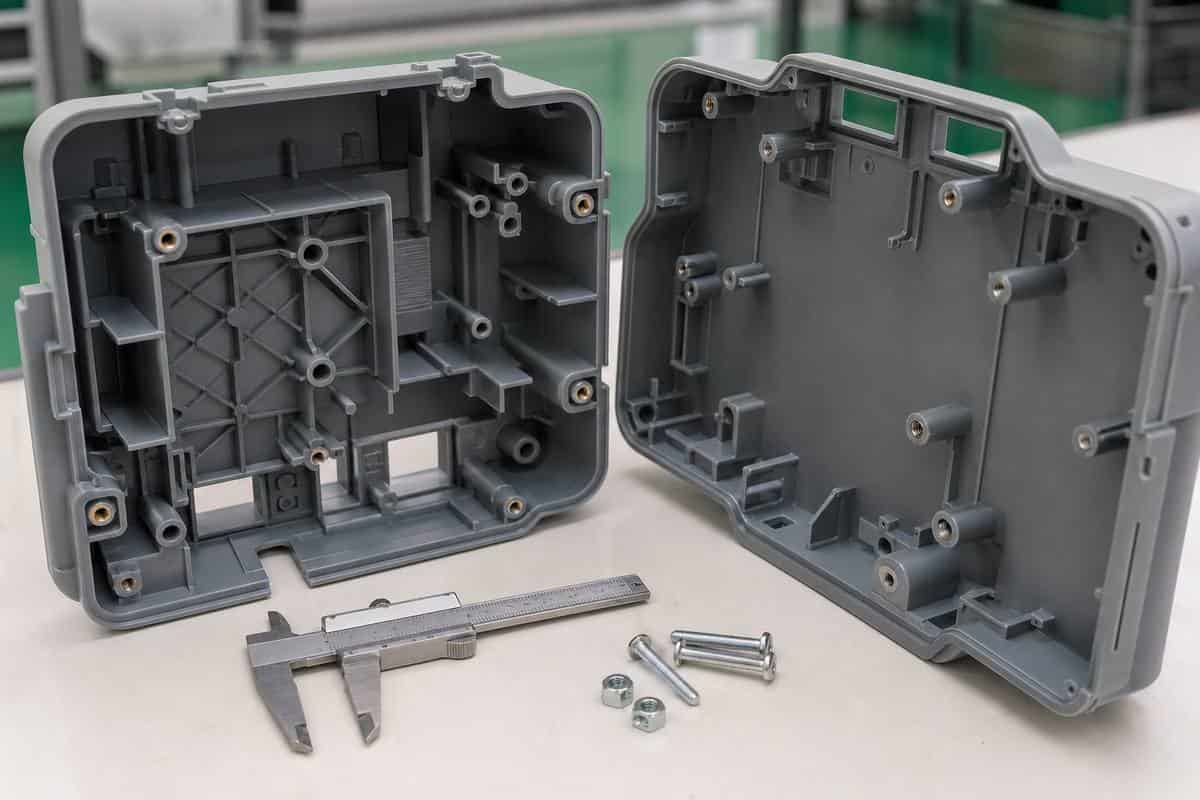
Insert-Molded Components
Plastic components with metal inserts or embedded hardware can be reviewed when the load, geometry and production route are suitable.
06
Overmolded Functional Features
Grip, sealing or protective overmolded areas can be evaluated with the selected production partner when required by the product.
WHAT THE PROJECT CAN INCLUDE
More Than a Molded Part—A Coordinated Route From Review to Delivery.
The value is not simply placing a plastic order. The project can connect the molded component with the decisions and operations required to use it in the finished product.
A
Part and Manufacturability Review
Review walls, ribs, bosses, release direction, visible faces and assembly interfaces before the tooling direction is confirmed.
B
Tooling Coordination
Coordinate a suitable tooling and molding route with the selected production partner around the approved component and order plan.
C
Production-Intent Molded Samples
Provide molded samples for dimensional, appearance, assembly and agreed functional review before repeat production.
D
Appearance and Surface Direction
Connect color, texture, gloss, visible faces and acceptable process-mark locations to the actual product appearance.
E
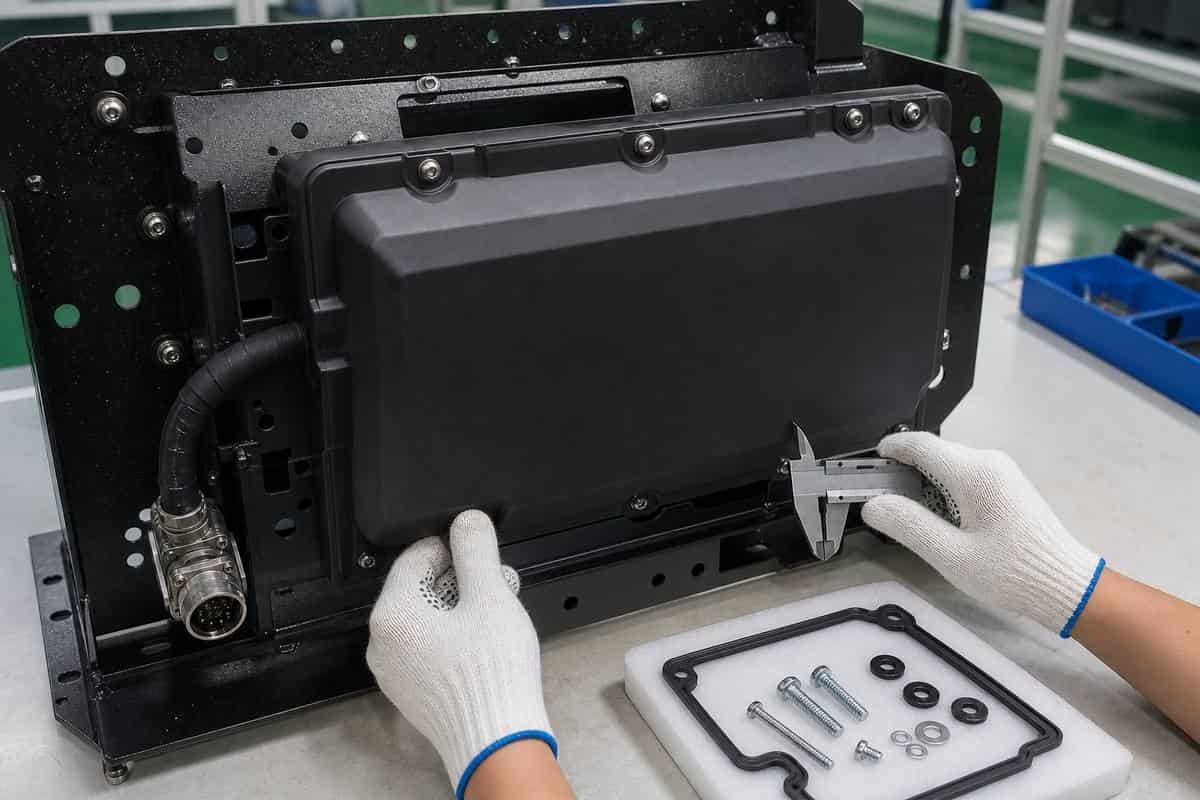
Metal-Part Fit and Trial Assembly
Check housings and covers with sheet-metal frames, brackets, machined parts, inserts, cables and fasteners when included in the project.
F
Assembly, Protection and Export Packing
Coordinate hardware installation, subassembly, cosmetic protection and export packing according to the agreed supply scope.
WHERE INJECTION MOLDING ADDS VALUE
Best Suited to Products That Need Repeatable Geometry, Appearance and Ongoing Supply.
Injection molding becomes commercially useful when the component design is sufficiently stable and the expected demand justifies a production tooling route.
01
Equipment Programs With Repeat Demand
Products that need the same housing, bezel, handle or protective component across recurring orders.
02
Components With Defined Product Interfaces
Parts whose fit, gaps, fastening, service access and visible surfaces can be reviewed against a stable assembly.
03
Plastic Components That Depend on Metal Structure
Projects where molded covers and interfaces must work with fabricated frames, brackets, panels or machined features.
If the product geometry is still changing, a 3D printed form-and-fit prototype may reduce risk before a molding tool is committed.
PLASTIC AND METAL AS ONE PRODUCT
A Molded Cover Is Only Successful When the Complete Equipment Fits and Functions.
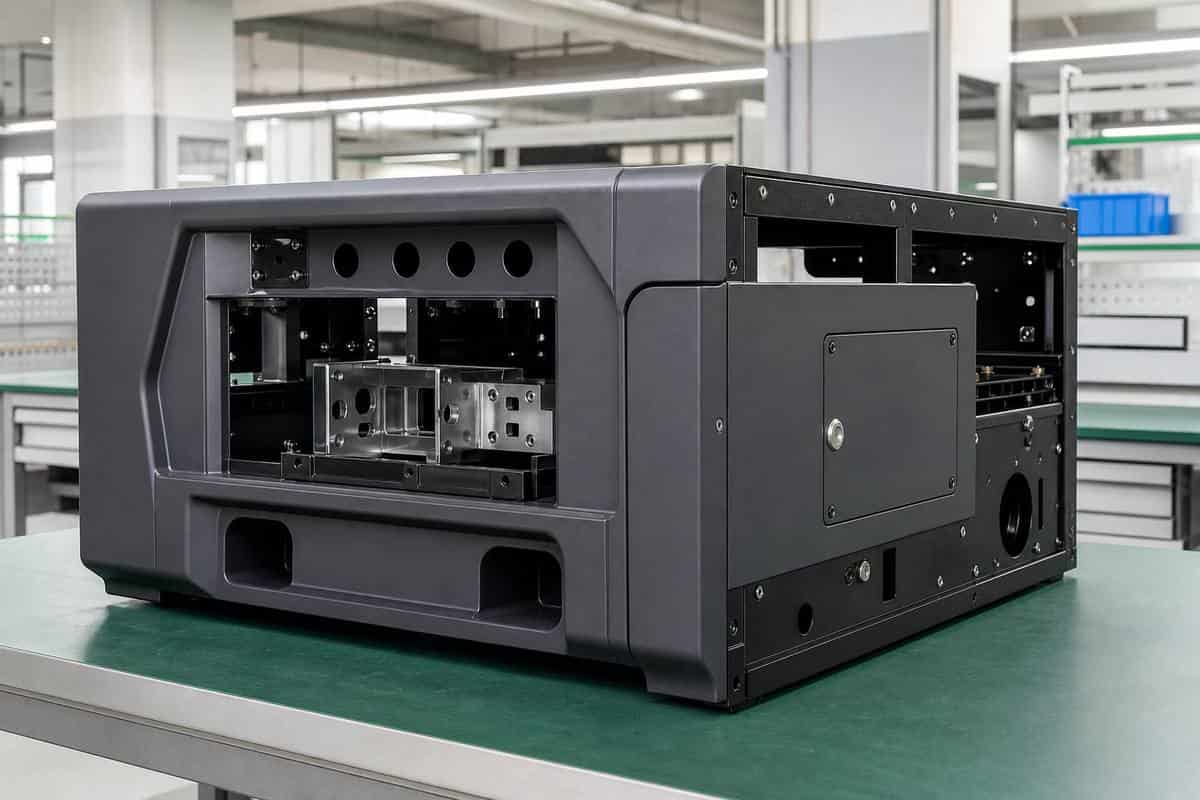
Yishang’s metal manufacturing background helps connect molded components with the fabricated structure instead of treating plastic and metal as unrelated purchases.
01
Aligned Mounting and Openings
Coordinate hole positions, references, display openings and cable routes across molded and metal components.
02
Controlled Gaps and Flush Surfaces
Review the visible relationship between molded bezels, covers and adjacent sheet-metal panels.
03
Fastening and Insert Integration
Connect screw access, insert position, local support and assembly sequence to the actual metal structure.
04
Serviceable Product Assembly
Keep covers, wiring, controls and removable hardware accessible for installation, service and replacement.
QUALITY THAT PROTECTS YOUR ASSEMBLY LINE
Control the Results That Decide Whether the Component Can Be Used.
Quality control is most valuable when it prevents sorting, rework and visible inconsistency on the finished equipment.
01
Geometry and Fit
Monitor the dimensions and shape that control mounting, seating, alignment and product gaps.
02
Visible Surface Condition
Review agreed cosmetic faces for sink, flow appearance, scratches, handling damage and unwanted process marks.
03
Color and Texture Direction
Use the approved appearance direction to reduce mixed-looking assemblies across repeat orders.
04
Inserts and Functional Features
Check inserts, clips, bosses, openings and fastening features that must survive assembly and intended use.
05
Assembly Verification
Confirm representative molded components fit the actual metal structure and hardware before shipment when included.
06
Surface Protection and Packing
Separate and protect visible components so acceptable molded parts do not arrive scratched or deformed.
THE MOLDED SAMPLE IS A DECISION GATE
Review a Production-Intent Component Before Releasing Repeat Orders.
The molded sample gives engineering, purchasing and product teams a common physical reference for the next decision.
01
Revision-Matched Sample
The physical component is linked to the current part revision so the team reviews the correct geometry.
02
Critical Measurement Results
Agreed fit and interface dimensions can be checked before another production order is released.
03
Complete-Assembly Fit Result
The sample can be trial-fitted with the metal frame, fasteners, cables and surrounding components.
04
Appearance and Change Decision
The team can approve the visible result or identify changes before the approved reference is frozen.
Samples are supported. A project does not need to jump directly from a drawing into unrestricted repeat production.
FEWER HANDOFFS ACROSS THE PROJECT
One Contact for the Molded Component and Its Metal Assembly Context.
Injection molding is coordinated through a suitable production partner. Yishang remains the project contact and connects the molded component with the metal, assembly and delivery work included in the order.
01
Plastic and Metal Interface Review
Keep the molded component and fabricated structure working from compatible references and assembly assumptions.
02
Coordinated Sampling and Follow-Up
Reduce the number of separate conversations needed to connect molded samples with the complete product review.
03
Combined Assembly Scope
Where required, coordinate hardware, metal parts, molded components and trial assembly within one project scope.
04
Unified Packing and Delivery
Plan protection, grouping and export delivery around the finished component or assembly rather than unrelated supplier shipments.
ONE COMPACT RFQ CHECKLIST
Send Four Things for a Useful Project Review.
01
Current Part Files
3D model, drawing and revision status.
02
Product and Assembly Context
Mating parts, metal structure, hardware and visible faces.
03
Performance and Appearance Direction
Material needs, color, texture, environment and compliance requirements.
04
Sample and Order Plan
Sample quantity, expected order volume and target schedule.
COMMON BUYER QUESTIONS
Before You Start.
Can we review molded samples before repeat production?
Yes. Molded samples can be checked for fit, appearance, dimensions and agreed function before repeat production is approved.
Do you sell raw plastic material?
No. The service is for custom finished components supplied from customer drawings as part of a B2B product program.
Is injection molding completed inside Yishang's metal factory?
Injection molding is coordinated through a suitable production partner. Yishang manages the project contact and can connect the molded component with metal fabrication, assembly, inspection and delivery requirements.
CUSTOM INJECTION MOLDING FOR INDUSTRIAL EQUIPMENT
Need the Plastic Component to Fit the Product—not Just Match the Drawing?
Send the current part files and assembly context. We will review the appropriate next step, from a molded sample to coordinated repeat production and delivery.