
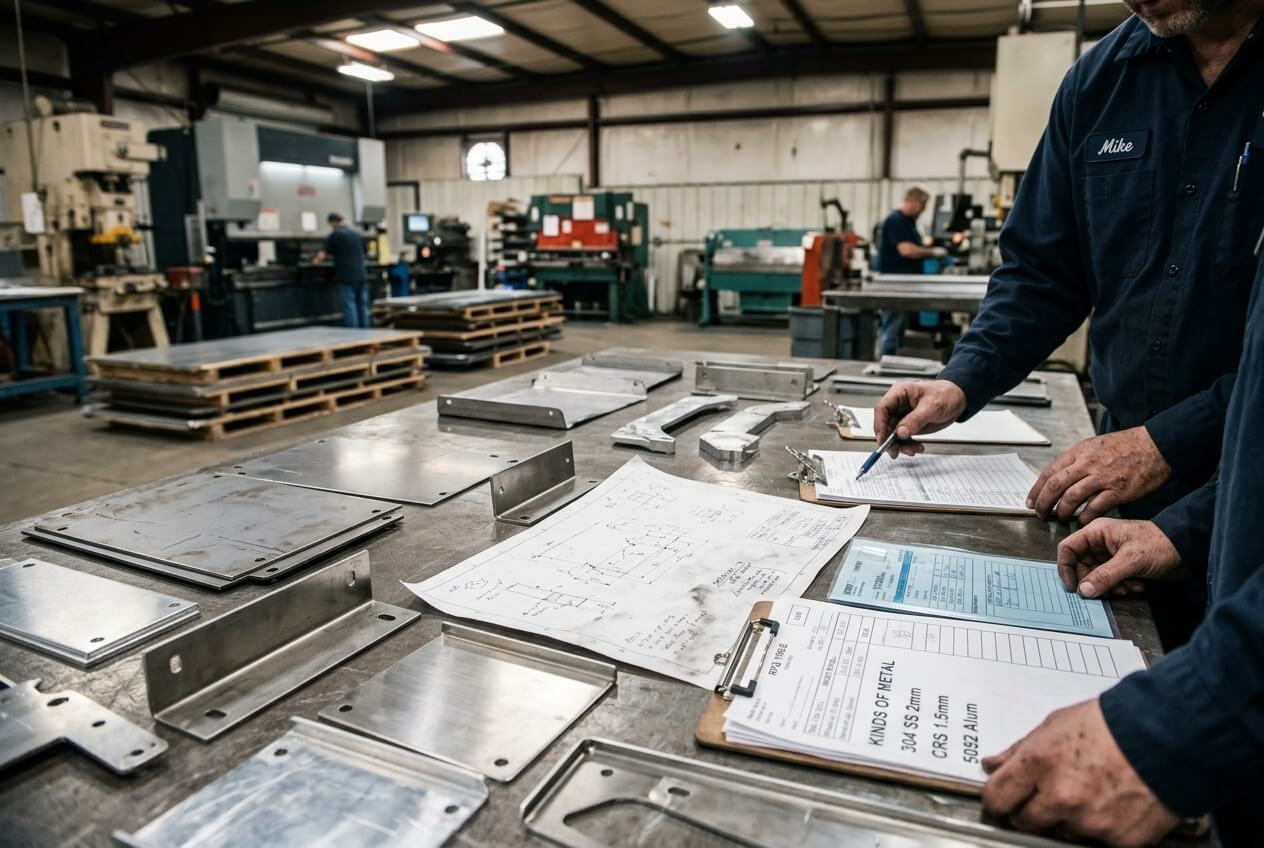
When buyers compare kinds of metal for custom sheet metal fabrication, the real risk is not material choice alone. The bigger risk is RFQ drift. A vague drawing or note pushes each supplier to fill in missing details with a different assumption. One shop may price stocked SPCC. Another may assume 304 stainless. A third may add time for special finishing or a material purchase. The quotes then look comparable, but they are not.
\n
That mismatch hurts more than budget. It can change bend behavior, weld distortion, finish approval, and the date a batch can ship. It also makes prototype approval unreliable. A buyer may approve one sample and still face rework on the next lot because the supplier built the sample with a different metal path.
\n
For enclosures, brackets, frames, and welded assemblies, the safest approach is simple: lock the assumptions early enough that every supplier prices the same job.
\n
Where RFQ Ambiguity Makes Suppliers Price Different Kinds of Metal
\n
A drawing that says only enclosure, bracket, or panel leaves too much room for judgment. The supplier still has to choose the grade, thickness, sheet size, temper, and finish route before it can price the job. That is where the first quote gap begins. The part may still look simple on paper, but the procurement path can change from stock sheet to mill order in one line of text.
\n
For a control box, that gap can be wide. One supplier may assume cold-rolled steel with powder coating. Another may assume galvanized steel for corrosion resistance. A third may price stainless steel because the outdoor environment is unclear. Each assumption changes raw material cost, cutting setup, handling, and delivery timing. The buyer may compare unit price first and lead time later, which hides the real tradeoff.
\n
One word like cabinet can hide three different price paths
\n
A 200-piece cabinet RFQ illustrates the problem. The buyer sent dimensions, a photo, and the words metal enclosure. One supplier quoted SPCC, another quoted 304 stainless, and a third added time for a brushed finish. The prices looked close enough to start a discussion. The schedules did not. The stainless route needed different sheet stock and more surface control, so its ship date moved even though the geometry stayed the same.
\n
The buyer did not have a pricing problem. The buyer had an assumption problem. If the RFQ does not fix the metal family, the supplier has to guess which kinds of metal fit the job. That guess then flows into nesting, stock checks, bend planning, and inspection. The cheapest quote often belongs to the supplier who guessed most optimistically.
\n
Clear RFQs reduce that spread. They tell every bidder whether the job is a fast stock build, a special-order material job, or a project that needs a substitute approval path. That clarity matters most when the buyer wants to compare suppliers on the same basis.
\n
Why Grade, Thickness, and Sheet Size Change the Fabrication Route
\n
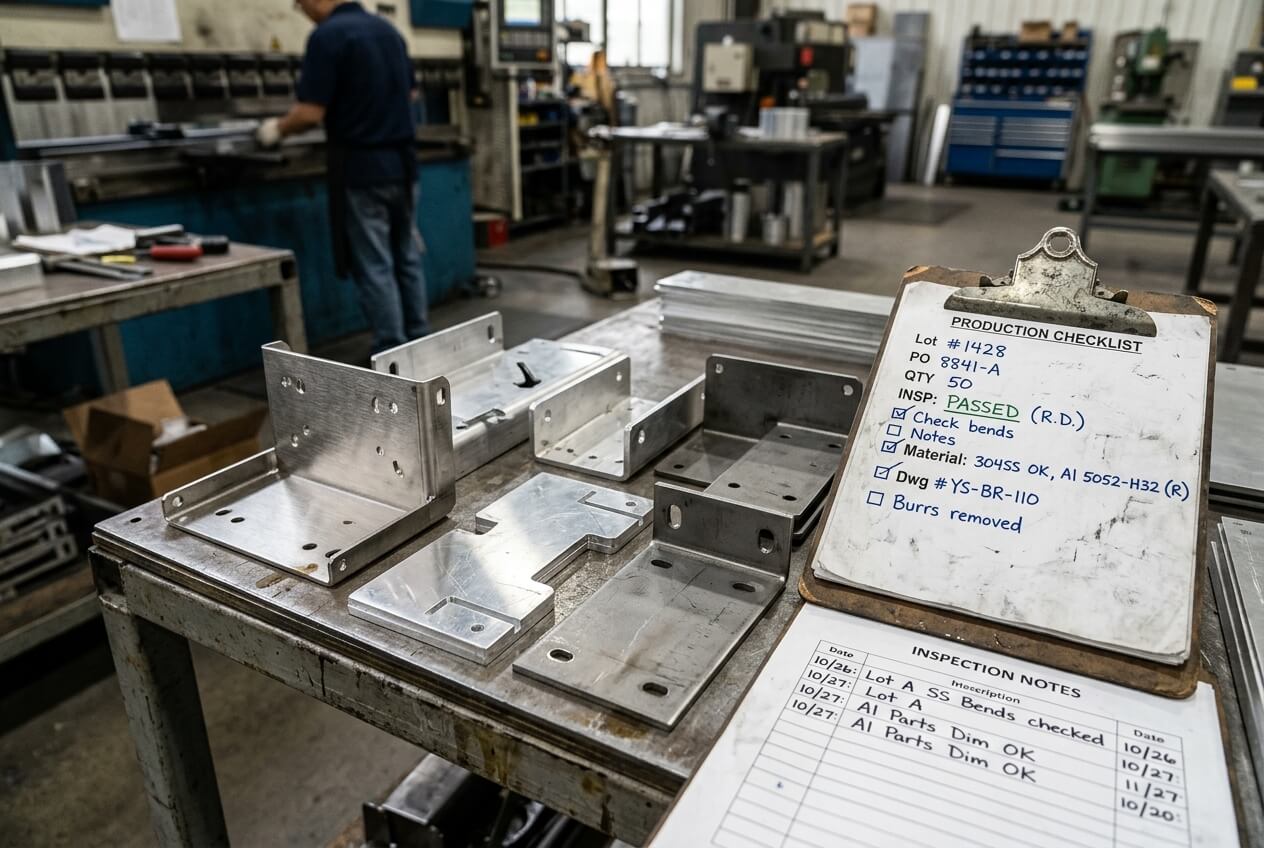
Material family is only the first layer. Grade, thickness, and sheet size can change the fabrication route just as much. A 1.5 mm galvanized panel and a 2.0 mm stainless cover may look similar in the drawing package, yet they behave differently on the press brake, in welding, and during coating. The supplier may need different bend allowances, different tooling, and different handling rules before it can promise a date.
\n
Stock status matters too. A shop can move fast when the exact sheet is on the rack. It slows down when it needs mill order material, a special cut size, or a substitute that still meets the end use. If the RFQ leaves those decisions open, one supplier may price from stock and another may price from procurement. The result is not just a price difference. It is a schedule difference.
\n
Prototype stock does not guarantee batch stock
\n
This matters most when prototype and batch look identical but do not use the same supply path. A sample panel may come from whatever sheet is on hand. The production lot may need a different sheet size to fit the nest. If the buyer did not freeze the grade and size, the sample can pass while the batch waits for fresh stock. That is a common source of schedule drift in sheet metal parts.
\n
The same issue shows up in welded frames. Material thickness influences distortion, weld heat, and final fit. If the frame uses a thicker plate than expected, the bending and welding plan may change. If it uses a thinner plate, the part may need extra support or a different sequence. Those details do not belong in a late email. They belong in the RFQ and drawing notes.
\n
Buyers should treat thickness, sheet size, and substitute rules as procurement controls, not simple technical details. When those points are fixed, the supplier can compare jobs fairly and set a realistic lead time. When they are vague, the lowest quote often hides the most expensive surprises.
\n
How Finish Rules Turn a Clean Quote into Hidden Rework
\n
Finish expectations can distort a quote even after the raw part looks settled. Powder coating, brushing, polishing, masking, pretreatment, and color approval all add cost and time. Some kinds of metal also need different prep before the finish can bond and look right. If the RFQ does not state what the buyer expects to see on visible faces, hidden faces, and weld zones, the supplier has to guess at the quality bar.
\n
That guess affects more than cosmetics. It affects whether the shop needs extra edge cleanup, a sample panel, a special mask, or a longer approval loop. A stainless front panel can need brush direction confirmed. An aluminum display rack can need tighter scratch control because the visible surface will decide acceptance. A steel cabinet can need pretreatment before powder coating starts. Every one of those choices changes the quote, the queue, or both.
\n
Visible faces create the strictest quote assumptions
\n
Consider a retail display rack made from aluminum. The buyer wanted a clean powder-coated look but did not define the acceptable scratch level. The first sample passed the dimensions check but failed the appearance review. The shop had to re-sample the finish before batch release. The parts were already cut and bent, yet the project still lost time because the surface standard was unclear.
\n
The same thing happens with welded assemblies. Weld discoloration may be acceptable on a hidden face and unacceptable on a front panel. Masking may be required around threaded holes. Color tolerance may need a reference sample. If those points are not written into the RFQ, the supplier has to protect itself by adding time and cost, or it risks rework after coating.
\n
This is why finish should be treated as a procurement decision, not a cosmetic afterthought. The buyer who defines appearance early gets a quote that reflects the real job. The buyer who waits until the sample stage often discovers that the cheapest option depends on relaxed finish rules that the final part cannot accept.
\n
Why Prototype Approval Can Fail When Assembly Fit Depends on Metal Choice
\n
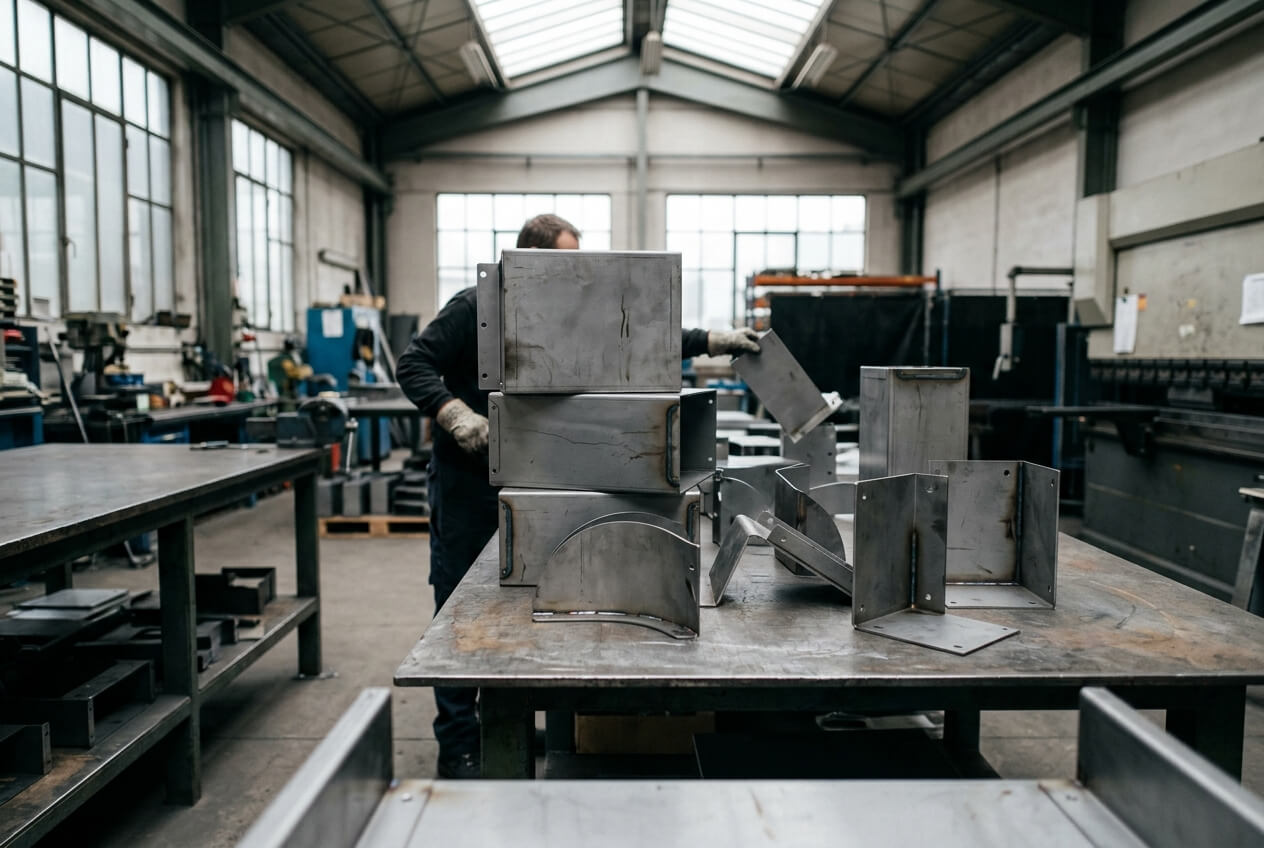
A prototype can approve cleanly and still fail at batch production. That happens when the sample was hand-fitted, trimmed, or adjusted in a way the batch cannot repeat. The risk gets higher when the design uses several kinds of metal in the same assembly. Aluminum may spring back more after bending. Stainless steel may behave differently during welding. Galvanized steel may need more care at the weld zone. If the prototype masks those differences, the batch will expose them.
\n
This is where assembly fit becomes part of the RFQ risk, not just a shop-floor issue. Hole location after coating, hinge alignment, bracket spacing, and frame squareness all depend on the material path the supplier chooses. A drawing that ignores those details can still get a quote, but it will not get a stable production plan.
\n
A hand-trimmed sample can hide a batch miss
\n
A welded machine frame shows the danger clearly. The prototype fit because a technician shifted one bracket and cleaned up one corner by hand. The batch could not rely on that kind of adjustment. Once the frame moved into fixture-based production, the same small offset created a fit-up problem with the cover panels. Inspection took longer, and the release slipped.
\n
A drawing review from Yishang can help buyers separate functional dimensions from cosmetic ones before that happens. The point is not to over-specify every feature. The point is to identify which dimensions must stay tight after forming, welding, and coating. Once those dimensions are visible, the supplier can decide whether the chosen metal supports repeatable batch production.
\n
Prototype approval should therefore answer one question: will the batch use the same metal, the same tooling, and the same acceptance rules? If the answer is no, the sample may not predict the schedule or the fit. That is how a good prototype becomes a weak production promise.
\n
What to Freeze in the RFQ Before You Compare Supplier Quotes
\n
The best RFQ does not try to describe everything. It removes the decisions that cause quote drift. For sheet metal parts, that means the buyer should make the metal path, finish path, and fit path visible enough that each supplier prices the same job. When the notes are clear, the comparison becomes useful. When they are vague, the cheapest quote often wins only because it made the boldest assumption.
\n
Use the drawing, notes, and quantity split to remove the biggest unknowns. The most useful details are the ones that change procurement time or production sequence. That includes the exact material, thickness, visible-surface rule, prototype-versus-batch quantity, and any assembly requirement that depends on post-finish fit. A supplier can only price what it can see.
\n
- \n
- State the exact grade and temper, not only the metal family.
- Confirm thickness, sheet size, and whether stock sheet is acceptable.
- Define the finish, the visible face, and any masking or weld-cleanup rule.
- Mark the functional tolerances that affect fit after bending or coating.
- Separate prototype quantity from batch quantity if the routing may differ.
- List any traceability, sample approval, or assembly notes the job needs.
\n
\n
\n
\n
\n
\n
\n
If you want a clearer quote from Yishang, send the drawings, material requirements, quantities, tolerances, finish expectations, and any prototype or assembly notes together. That lets the team review manufacturability before the schedule is fixed. It also makes it easier to flag where the kinds of metal, coating choice, or fit requirement could change lead time or unit cost.
\n
When the RFQ is complete, buyers can compare suppliers on the same terms. That is the real control point. It protects the budget, but it also protects the batch from delays that start with an unfinished assumption.
\n\n
Frequently Asked Questions
\n
Why do two suppliers quote different lead times for the same sheet metal drawing?
They may not be pricing the same kinds of metal, finish route, or stock path. One supplier may use stocked sheet. Another may need mill order material or extra surface work. Ask each supplier to confirm the assumed grade, thickness, and finish before you compare dates.
\n
Does choosing stainless steel always reduce procurement risk?
No. Stainless steel can help with corrosion resistance, but it can also change stock availability, surface rules, and cost. If the RFQ is vague, stainless may create more uncertainty, not less. The safer choice is the metal that matches the environment and the drawing notes.
\n
When should prototype and batch use the same metal?
They should match whenever bend behavior, weld distortion, coating buildup, or assembly fit can affect the final part. A hand-fit sample can hide a production problem. If the batch must be repeatable, keep the material path as close to the prototype as possible.
\n
What finish details most often cause late approval on enclosures and brackets?
Visible-face scratch limits, weld discoloration, masking around holes, brush direction, and color match are common issues. If buyers leave those points open, the supplier may need extra samples or revision time. Define the appearance standard before the first quote lands.
\n
What should buyers send to get a comparable quote for welded assemblies?
Send drawings, exact material requirements, quantity splits, tolerances, finish expectations, and any assembly or sample approval notes. If the job is still unclear, a supplier like Yishang can review the drawings for manufacturability and help identify where the assumptions will affect cost or lead time.
\n