
Laser tube cutting has quickly become a cornerstone process for industries that demand precision, efficiency, and flexibility in metal fabrication. From aerospace to furniture manufacturing, this technology is reshaping how buyers think about cutting complexity, production scalability, and cost control. However, behind the promise of clean cuts and high throughput lies a web of decision points that directly affect quoting accuracy, manufacturability, and long-term project success.
For sourcing managers, engineers, and procurement teams, the challenge isn’t just about understanding the capabilities of laser tube cutting. It’s about asking the right questions and providing the right information to ensure the quoted price reflects reality—not just in prototyping, but in full-scale production. This article dives into the overlooked nuances that drive quotation clarity and manufacturability in laser tube cutting projects, helping you avoid costly surprises.
Why Quoting for Laser Tube Cutting Is More Complex Than It Seems
At first glance, laser tube cutting may seem straightforward: feed a tube into a machine, apply a laser beam, and out comes a perfectly cut part. But the reality is far more nuanced. The way information is presented during the RFQ stage can significantly impact not only the quoted price but also the feasibility of the project down the line.
1. Material Specification: Beyond the Basics
One of the most common pitfalls during quoting is under-specifying material requirements. While it’s easy to state the material type—such as stainless steel or aluminum—many buyers overlook key details like wall thickness tolerances, material grade variations, or surface finish expectations. For instance, a 304 stainless steel tube with a ±0.1 mm wall thickness tolerance may require entirely different cutting parameters compared to a grade with tighter tolerances.
Why does this matter? Because laser settings, cutting speed, and even the type of assist gas used (e.g., nitrogen vs. oxygen) all depend on these variables. Missing details at the RFQ stage can lead to inaccurate quotes, unexpected costs, or even rejected parts during quality checks.
2. Geometry Complexity: The Hidden Cost Driver
Another factor that often skews quotations is the complexity of the tube geometry. While simple cuts on round or square tubes are relatively easy to quote, intricate designs involving angled cuts, slots, or intersecting holes can introduce hidden costs. The number of axes on the laser cutting machine—whether it’s a 2D or 3D system—also dictates the feasibility and pricing of such designs.
For example, a 3D laser system can handle complex cuts on multi-faced tubes without additional setups, but these machines are typically more expensive to operate. If the RFQ doesn’t clearly define the geometry requirements, suppliers may either overquote to hedge their risk or underquote, leading to disputes later.
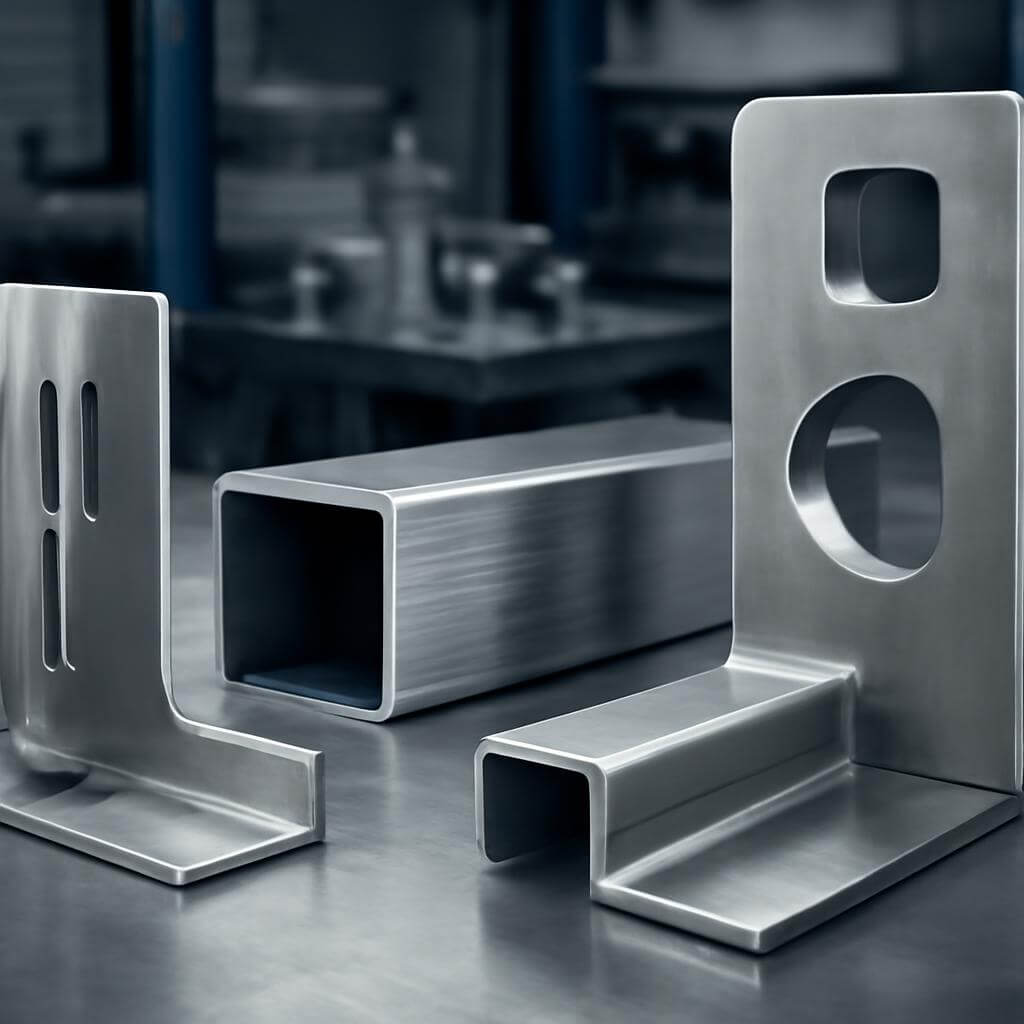
Material-Specific Challenges in Laser Tube Cutting
Not all materials behave the same under a laser beam. Each material brings its own set of challenges that can impact cutting precision, edge quality, and even post-process requirements like welding or assembly. Understanding these nuances can help buyers make informed decisions during the RFQ process.
1. Stainless Steel: Precision Comes at a Cost
Stainless steel is a popular choice for laser tube cutting due to its strength and corrosion resistance. However, its reflectivity and thermal conductivity require precise laser calibration. High-power lasers and nitrogen assist gas are often used to achieve clean, oxide-free edges, but this comes at a higher operational cost compared to cutting mild steel.
Buyers should also consider the impact of cutting precision on downstream processes. For example, tight tolerances are critical for welded assemblies, but achieving these tolerances may increase cutting time and, consequently, the cost.
2. Aluminum: Lightweight but Tricky
Aluminum presents a different set of challenges. Its high reflectivity can scatter the laser beam, reducing cutting efficiency and increasing wear on the cutting head. Additionally, aluminum’s low melting point makes it prone to burr formation, which may require secondary deburring operations.
For applications requiring cosmetic finishes, such as architectural components, buyers should specify whether edge polishing or additional finishing is needed. This detail can significantly affect both the quote and the production timeline.
The Role of Tolerances and Fit in Quotation Accuracy
One of the most overlooked aspects of quoting for laser tube cutting is the role of tolerances. While tight tolerances are often desirable, they can dramatically increase cutting time, reduce material yield, and complicate quality assurance processes.
1. Balancing Precision and Cost
For example, achieving a ±0.1 mm tolerance on a 2-meter-long tube may require multiple passes with the laser, slowing down production. In contrast, a more forgiving ±0.3 mm tolerance might allow for faster cuts without compromising functional performance. Buyers should carefully evaluate whether ultra-tight tolerances are truly necessary for their application or if a more balanced approach could save costs.
2. Assembly Implications
Tolerances also play a critical role in assembly fit. A tube that’s slightly out of spec may require rework or force-fitting during assembly, leading to higher labor costs and potential quality issues. Providing detailed assembly drawings along with the RFQ can help suppliers understand the critical dimensions and prioritize them during cutting.
How RFQ Completeness Impacts Lead Time and Cost
A well-prepared RFQ is the foundation of a successful laser tube cutting project. Yet, many buyers underestimate how incomplete or ambiguous RFQs can lead to delays, misquotes, or even project failure. Here’s what you should include to ensure clarity and alignment with your supplier:
1. Detailed Drawings
Include CAD files with all relevant dimensions, tolerances, and material specifications. Avoid relying solely on verbal descriptions or hand-drawn sketches, as these can lead to misinterpretation.
2. Production Volumes
Specify whether the project is for a prototype run, low-volume production, or full-scale manufacturing. This information helps suppliers determine the best cutting strategy and allocate resources accordingly.
3. Post-Processing Requirements
If the parts require additional processes like welding, painting, or assembly, include these details in the RFQ. Suppliers like Yishang, with integrated capabilities, can often bundle these services, saving you time and logistical complexity.
Choosing the Right Supplier: Beyond Price
While cost is a critical factor in supplier selection, it shouldn’t be the only one. The capabilities, experience, and communication practices of your supplier can significantly impact the success of your laser tube cutting project.
1. Equipment and Expertise
Does the supplier use state-of-the-art 3D laser cutting systems? Do they have experience with your specific material and geometry requirements? Suppliers like Yishang, with over 26 years of manufacturing experience, bring a level of expertise that minimizes risk and ensures quality.
2. Communication and Responsiveness
A good supplier doesn’t just provide a quote—they ask clarifying questions, suggest design improvements, and proactively address potential challenges. This level of engagement is often a better predictor of project success than the initial quoted price.
Conclusion
Laser tube cutting offers unparalleled precision and versatility, but only if the quoting process accounts for the full scope of your project’s requirements. From material specifications to tolerance trade-offs, every detail matters. By working with experienced suppliers like Yishang and providing comprehensive RFQs, you can ensure that your project moves smoothly from prototype to production.
Ready to discuss your laser tube cutting needs? Visit Yishang to learn more about our capabilities.