
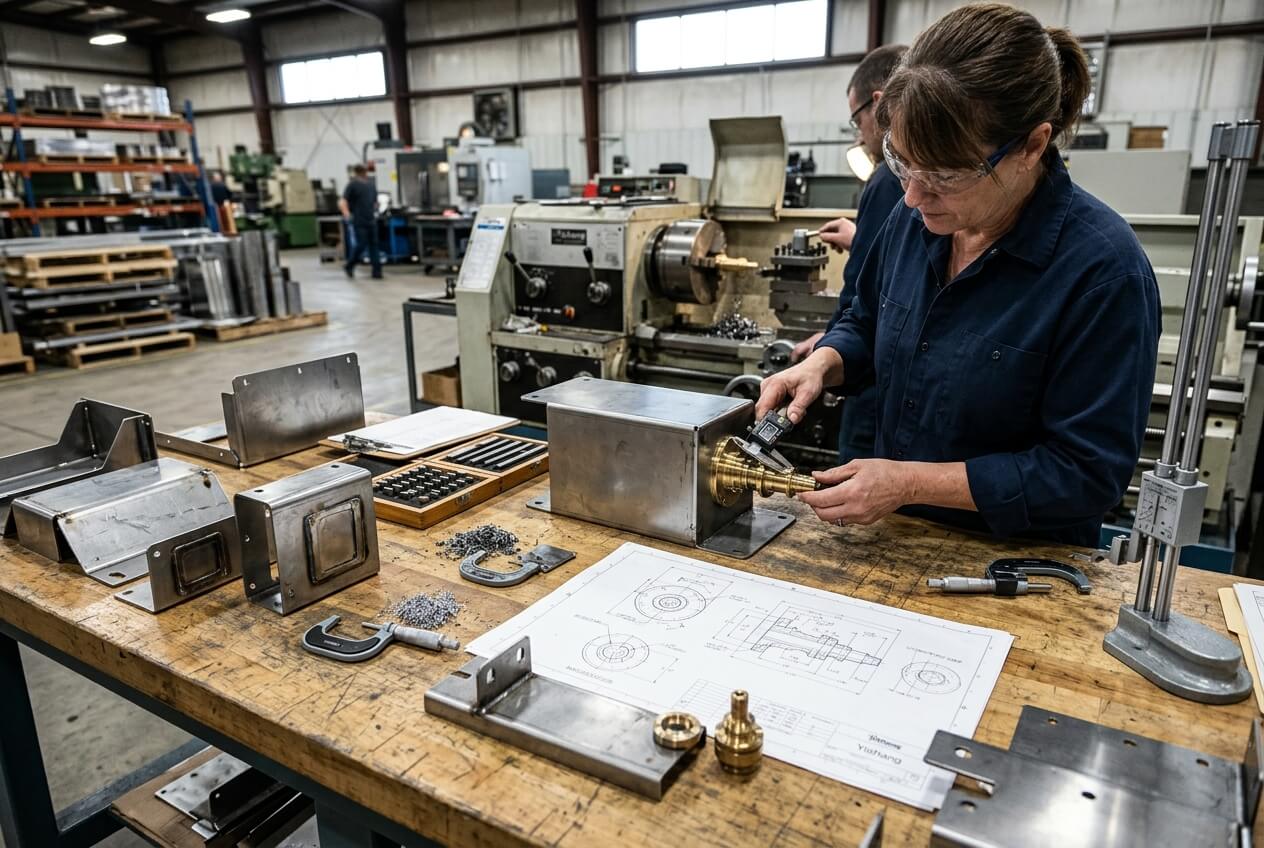
An OEM buyer sends an RFQ for a control enclosure. The package includes laser cut panels, bent covers, a welded base, powder coating, and four round spacers for an internal module. Three suppliers quote the same part numbers and quantities. One price looks low and fast. Another sits 18% higher. A third asks whether the spacers need custom turning on a machine lathe, whether threads need checking after coating, and which surfaces affect assembly.
Those quotes do not describe the same scope. One supplier may assume standard hardware. Another may include custom turned standoffs, thread gauges, masking, and assembly checks. A third may leave coating buildup around threaded features outside the quote. The spreadsheet shows a price difference, but the real difference sits inside the assumptions.
This article focuses on one procurement risk: RFQ ambiguity around lathe-related details inside sheet metal assemblies. Small round parts often look secondary beside cabinets, brackets, enclosures, and welded frames. Yet they can control fit, inspection, cost, and batch consistency. If the RFQ does not define what suppliers must make, buy, install, finish, and inspect, the low quote may become the expensive order.
Where Machine Lathe Assumptions Start to Distort Fabrication Quotes
Sheet metal buyers often focus on large visible parts. Panels, doors, brackets, and frames carry most of the drawing area. They also attract most cost attention during sourcing. Small round items can appear harmless, especially when the drawing calls them spacers, pins, sleeves, bosses, or inserts.
That harmless label creates quote risk. A spacer can mean a catalog standoff. It can also mean a custom aluminum part turned to a controlled height. A hinge pin can mean cut rod. It can also mean a turned steel pin with chamfered ends, a defined diameter, and a plating requirement. Both choices may fit the same drawing symbol, but they do not carry the same cost or production risk.
Standard hardware and custom turned parts are not the same quote
The first clarification should separate standard hardware from custom machine lathe work. If suppliers must make a round part from bar stock, they must consider material sourcing, machining time, deburring, thread quality, surface finish, and inspection. If they can use purchased hardware, they may only need availability checks and installation labor.
A wall-mounted electronics enclosure shows the risk clearly. The drawing lists four M4 spacers, 18 mm high, inside a powder coated enclosure. If the RFQ does not define outside diameter, height tolerance, material, or coating-free threads, one supplier may buy common standoffs. Another may machine spacers because the PCB clearance and cover closure depend on height. The buyer sees two enclosure prices, but one includes assembly control that the other omitted.
A welded machine guard frame creates a similar trap. The hinge line controls door swing, but the RFQ only shows round pins. One supplier prices cut rod and manual fitting. Another prices turned pins with a controlled diameter and end chamfers. If the buyer awards the cheaper quote without asking why, the first production batch may arrive with doors that rub, bind, or need rework.
Buyers do not need to add machining theory to every RFQ. They do need to state which round parts affect function. The RFQ should say whether suppliers may use standard hardware, whether custom turning applies, and which dimensions control assembly. Yishang can review drawings for enclosures, cabinets, brackets, frames, and welded assemblies when these small parts decide whether quotes describe the same product.
The Quote Gap Grows When Responsibility Is Not Named
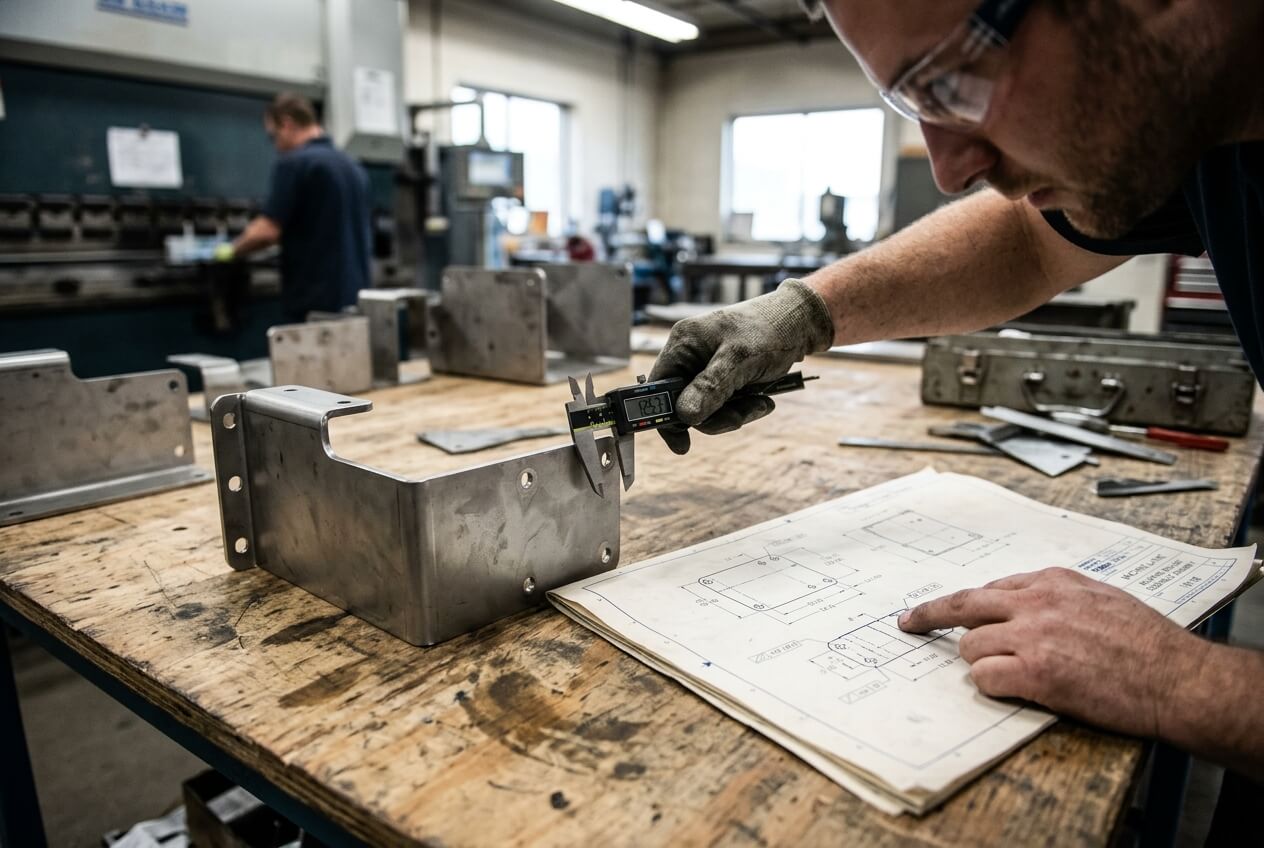
Many cost disputes start because the drawing shows geometry but not responsibility. A supplier may see a threaded boss and assume the buyer will provide it. Another may include the boss, install it, protect the threads, and check it after powder coating. The unit price difference may look like supplier competitiveness. In reality, the RFQ allowed each supplier to quote a different job.
This risk affects more than cost. It changes lead time, inspection planning, and production sequence. If custom turned components come from an outside machining source, the fabrication supplier must schedule incoming inspection before welding or assembly. If the RFQ does not mention that step, the quote may ignore it. The buyer then discovers the delay only after purchase order release.
Include, install, finish, and inspect must be visible
A clear RFQ should name who supplies each spacer, pin, sleeve, boss, shaft, or threaded insert. It should also state whether the supplier installs it, packs it separately, or assembles it into the finished product. That one line can prevent a low quote from excluding hardware that the buyer assumed was included.
Finish details need the same clarity. Powder coating can block threads, build up on bearing faces, and change tight clearances. Zinc plating or black oxide may apply to a steel pin inside a painted assembly. Aluminum spacers may need no coating, but they may need clean threads and burr-free ends. If the finish expectation remains vague, suppliers will protect different surfaces and inspect different conditions.
For example, a metal cabinet may require M6 threaded spacers inside a coated shell. The RFQ should say whether suppliers must mask threads before coating, chase threads after coating, or gauge threads during final inspection. Each route changes labor and rejection risk. A supplier that excludes masking may quote lower, but the assembly plant may later spend hours cleaning threads by hand.
Procurement teams should also ask suppliers to list exclusions. Exclusions reveal risk faster than a polished price table. A quote that excludes turned parts, purchased hardware, coating masks, post-coating inspection, or final assembly checks may still serve a project. It should not compete directly against a quote that includes those items.
Assembly Fit Risk Appears When Tolerances Around Round Parts Stay Vague
RFQ ambiguity often hides inside tolerance notes. A drawing may show general fabrication tolerances, while a turned spacer or pin quietly controls the final assembly. The supplier then chooses how tightly to control the part. That choice affects price during quotation and fit during production.
Sheet metal does not behave like a machined block. Bend variation, weld distortion, hole position, coating thickness, and installed hardware all accumulate. A turned part may meet its own drawing, yet the assembly may fail because the surrounding sheet metal moved. The RFQ must identify the relationship that matters, not only the individual part size.
Critical dimensions need different treatment from normal fabrication dimensions
Not every dimension deserves tight control. Over-tolerancing a whole enclosure can raise cost without improving performance. The better approach identifies the few dimensions that control fit. Typical examples include standoff height for PCB clearance, hole-to-hole location for a mating bracket, pin diameter for hinge rotation, flatness for gasket compression, and coated clearance for removable panels.
A control cabinet may use normal fabrication tolerance on outer covers. The internal mounting plate holes, however, may need a controlled datum from the bottom flange. If a turned boss passes through the plate, the hole location and boss diameter must work together. Suppliers need that information before they quote fixtures, gauges, or inspection time.
A bracket assembly offers another example. The buyer needs a bent steel bracket with a round sleeve welded through one side. The sleeve supports a pivot. If the RFQ only defines sleeve length and hole size, one supplier may weld by eye and clean the bore afterward. Another may use a fixture to hold the sleeve axis. The second quote costs more because it controls the assembly function, not because it wastes labor.
Inspection stage changes the meaning of compliance
Buyers also need to state when suppliers should inspect critical features. Bare metal inspection may pass before powder coating. Finished inspection may fail after coating buildup or heat distortion. Both results can be true, depending on the inspection stage.
Door alignment in a cabinet shows the difference. A welded frame may measure correctly before coating. After powder coating, hinges, pins, locks, and gaskets create a different fit condition. If the buyer judges the finished cabinet after assembly, the RFQ should require that same final check. Otherwise, the supplier may defend a bare-frame measurement while the buyer rejects a finished product.
This does not mean every project needs extensive reports. It means the RFQ should name the acceptance condition for functional areas. A simple note such as check hinge swing after coating and assembly can prevent a costly argument. It also helps suppliers price the inspection work openly instead of hiding or ignoring it.
Prototype Approval Can Hide a Different Batch Process
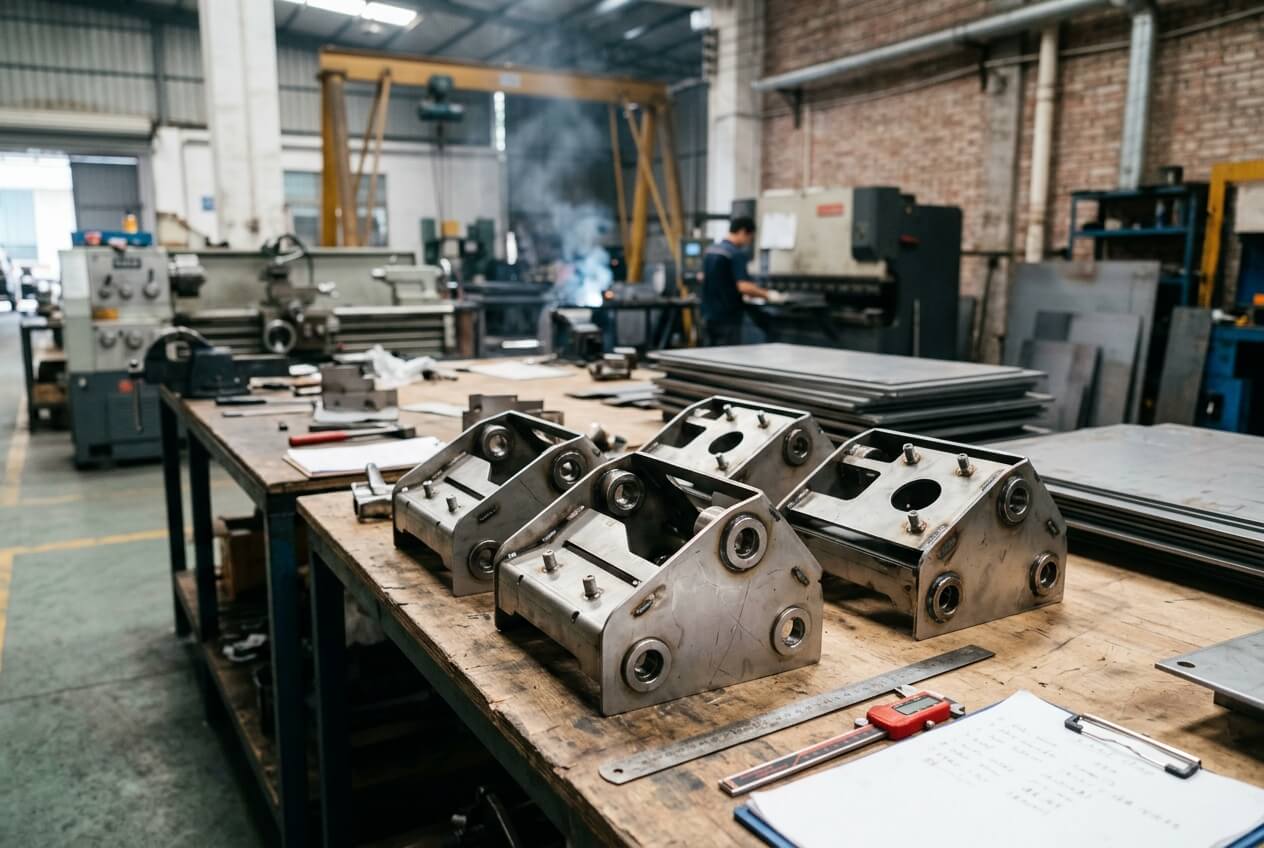
A prototype often receives extra attention. A technician may hand-fit a door. A welder may adjust a bracket after tacking. A machinist may turn five spacers slowly and check each one. Those actions help create a good sample, but they do not automatically define the batch method.
The procurement risk appears when buyers treat prototype approval as process approval. A sample can prove that the design can work once. It may not prove that the supplier can repeat the same result across 100, 500, or 2,000 units. The RFQ should separate sample acceptance from production control.
Hand-fitting can make a weak RFQ look successful
Consider a medical device housing with a removable rear panel. The prototype closes well because the latch bracket was adjusted after powder coating. During batch production, the supplier welds the same bracket before coating and does not repeat the adjustment. Coating buildup changes latch engagement, and the assembly team must sort parts by fit. The prototype passed, but the RFQ never locked the production sequence.
A welded equipment frame with custom turned leveling feet creates another common case. The sample sits flat because workers adjust each foot during assembly. In the batch, the machine lathe parts remain consistent, but weld distortion changes the frame contact points. The real control point is the finished frame levelness, not only the foot dimension.
Before approving batch pricing, buyers should ask which prototype steps will repeat. The answer should cover material grade, bend tooling, weld fixtures, hardware source, machining source, coating mask method, inspection datum, and final assembly checks. If any prototype step was temporary, the supplier should quote the production method again.
Quantity changes also matter. A five-piece sample run can absorb manual cleaning, trial fitting, and slow inspection. A 500-piece order needs stable fixtures, clear acceptance criteria, and predictable incoming checks for machined components. When procurement ignores that shift, the first batch becomes a process experiment at production volume.
Compare Supplier Quotes by Locked Assumptions, Not by Unit Price Alone
A lower sheet metal quote may reflect better purchasing, efficient nesting, faster bending, or a practical design suggestion. It may also reflect missing scope. The buyer must separate real efficiency from omitted responsibility before awarding the order.
Start by asking each supplier to confirm the same assumptions. Does the price include all custom sheet metal parts, required machine lathe components, purchased hardware, welding fixtures, powder coating, masking, assembly, packing, and inspection? Which items sit outside the offer? Which tolerances drive extra control? Which features will be checked after coating rather than before coating?
Supplier communication should stay practical. Buyers do not need long meetings for every bracket. They need clear answers for features that can stop assembly. For enclosures, confirm internal studs, standoffs, grounding points, and threaded inserts. For cabinets, confirm doors with hinges, pins, locks, and gaskets installed. For welded assemblies, confirm flatness, hole alignment, and pin axis after welding. For panels, confirm cosmetic face protection and coating-free contact areas.
Good clarification can also reduce cost. A custom turned sleeve may become a standard press-in spacer if the load is low. A tight hole tolerance may relax if the mating bracket has slots. A masked area may shrink to one grounding pad instead of a full panel edge. These changes reduce price by removing unnecessary control, not by hiding scope.
Yishang can support RFQ review when buyers need fabricated sheet metal parts that include laser cutting, CNC punching, bending, welding, finishing, assembly, and lathe-related components. The most useful review happens before quote comparison. At that stage, buyers can still align drawings, tolerance notes, finish expectations, quantities, and inspection needs.
If your RFQ includes enclosures, brackets, cabinets, frames, welded assemblies, spacers, hinge pins, threaded bosses, sleeves, shafts, or other machine lathe details, send Yishang your drawings, material requirements, order quantities, tolerance notes, finish expectations, assembly references, photos, samples, and prototype history. We can help identify the assumptions that should be locked before you compare supplier prices or release batch production.
Frequently Asked Questions
When should a spacer in a sheet metal enclosure be treated as a machine lathe part?
Treat it as a machine lathe part when height, diameter, thread depth, concentricity, or end finish controls assembly. If the spacer only separates non-critical covers, standard hardware may work. The RFQ should state the function so suppliers quote the same scope.
Why do small turned parts create large differences between sheet metal quotes?
They change manufacturing responsibility. One supplier may assume purchased hardware, while another includes custom turning, deburring, plating, masking, installation, and inspection. The price gap often reflects different scope rather than only different margins.
What should buyers clarify about threaded bosses before powder coating?
Buyers should define whether threads need masking, post-coating chasing, or gauge inspection. They should also mark bearing faces, grounding points, and contact areas that must stay coating-free. These notes prevent suppliers from making different finish assumptions.
How can prototype approval still lead to batch inconsistency?
A prototype may pass because workers hand-fit parts, clean threads, adjust brackets, or inspect every turned component. Batch production needs repeatable fixtures, stable machining sources, coating controls, and final assembly checks. Buyers should confirm which prototype steps will repeat in production.
Should suppliers inspect lathe-related features before or after finishing?
It depends on the feature function. Bare metal inspection may suit non-contact dimensions. Threads, hinge movement, grounding areas, sliding fits, and PCB clearances often need checks after coating and assembly. The RFQ should name the acceptance condition.
What information helps a supplier quote lathe-related sheet metal assemblies accurately?
Send drawings, quantities, material requirements, functional tolerances, finish expectations, hardware responsibility, assembly notes, inspection needs, and prototype history. If a round part affects fit, identify whether suppliers should buy it, machine it, install it, and inspect it.