
When sourcing custom metal parts, design complexity can often feel like a double-edged sword. On one hand, advanced designs enable unique functionality and aesthetics. On the other, poorly optimized designs can lead to higher costs, longer lead times, and unforeseen production issues. For overseas wholesale buyers, engineers, and sourcing managers, understanding the interplay between design and manufacturability is critical to ensuring a successful project outcome.
This guide explores common design challenges in metal parts manufacturing, how they impact production, and practical ways to address them with the right supplier. Whether you’re working on OEM equipment housings, industrial brackets, or precision components, this article will help you make informed decisions and avoid costly mistakes.
Why Design Choices Matter in Metal Parts Manufacturing
Every design decision—material selection, tolerances, surface finishes, and assembly features—directly impacts the manufacturing process. For example, a design with unnecessarily tight tolerances may require additional machining steps, driving up costs and lead times. Similarly, selecting a material without considering its machinability or corrosion resistance can result in production inefficiencies or premature failure in the field.
Consider a scenario where a buyer specifies stainless steel 316 for a control cabinet. While 316 offers excellent corrosion resistance, it’s also more expensive and harder to machine than stainless steel 304. If the application doesn’t require 316’s enhanced properties, switching to 304 could reduce costs without compromising performance. These tradeoffs highlight the importance of aligning design requirements with manufacturing realities.
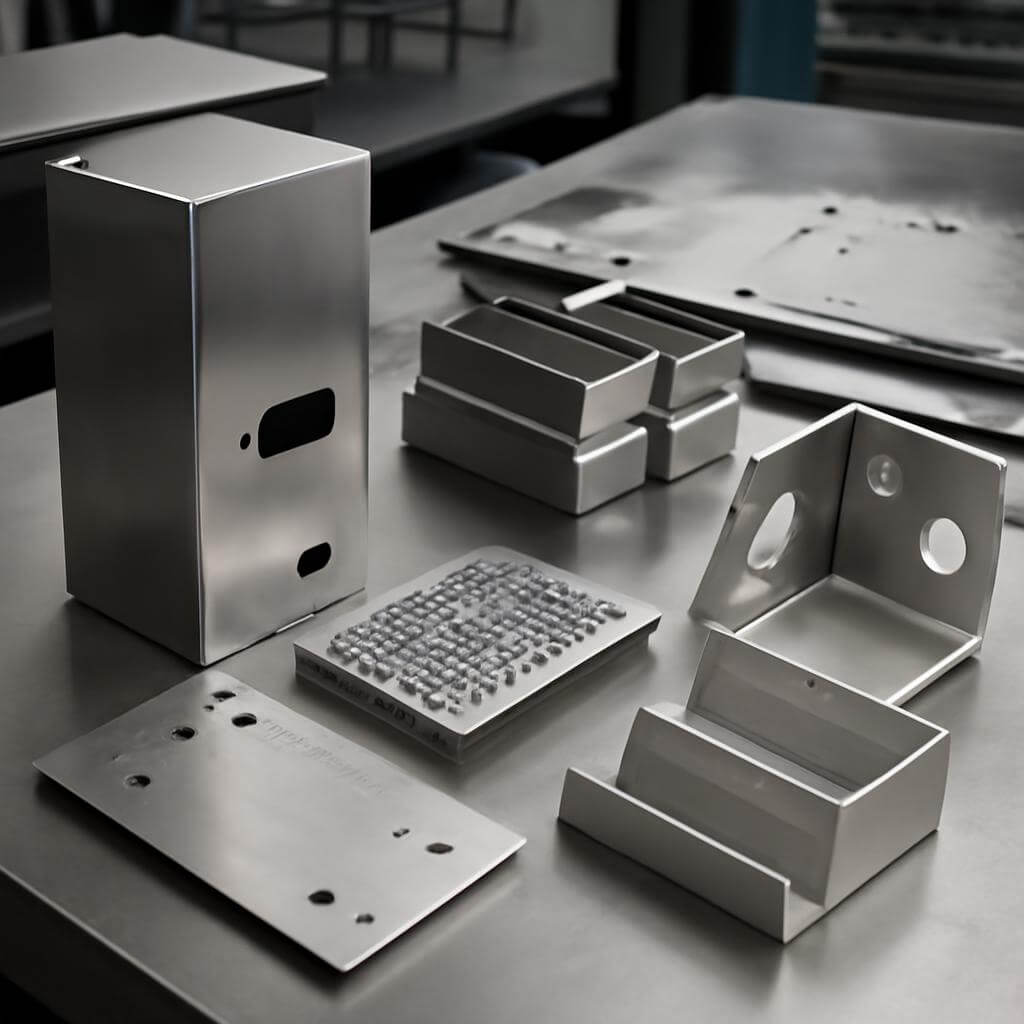
Common Design Mistakes That Increase Manufacturing Costs
One of the most frequent mistakes buyers make is overcomplicating designs. Features like intricate bends, non-standard hole sizes, or excessive hardware requirements may seem minor on paper but can significantly increase production difficulty. For instance, tight bend radii in sheet metal parts may require specialized tooling, adding both expense and production time.
Another common issue is neglecting design-for-manufacturability (DFM) principles. Designs that don’t account for the limitations of laser cutting, CNC punching, or welding can lead to defects or rework. For example, specifying sharp internal corners in a laser-cut part may result in stress concentrations, making the part prone to cracking during use. A knowledgeable supplier can suggest design adjustments, such as adding fillets, to improve part durability and manufacturability.
Hidden Risks in Material Selection
Material choice is another area where hidden risks often arise. While buyers may prioritize strength or corrosion resistance, they sometimes overlook factors like availability, cost, and compatibility with finishing processes. For example, aluminum is lightweight and corrosion-resistant, but certain alloys are harder to weld, which could complicate assembly.
Additionally, buyers must consider how materials interact with surface finishes. Galvanized steel, for instance, is excellent for corrosion resistance but may require special preparation before powder coating to ensure adhesion. An experienced supplier like Yishang can guide you through these nuances, helping you select materials that balance performance, cost, and manufacturability.
How the Right Supplier Can Solve Design Challenges
A capable manufacturing partner doesn’t just produce parts—they collaborate with you to refine your designs for optimal manufacturability. For example, Yishang’s engineering team can review your CAD files and identify potential issues before production begins. This proactive approach minimizes rework, reduces costs, and ensures a smoother production process.
Yishang also offers prototyping services, allowing buyers to validate designs before committing to mass production. This step is particularly valuable for complex projects, as it provides an opportunity to test assembly fit, verify tolerances, and evaluate surface finishes. By addressing potential issues early, you can avoid costly delays and quality problems down the line.
Practical Tips for Buyers: Avoiding Design Pitfalls
To ensure a successful project, buyers should follow these practical tips:
- Engage your supplier early: Share your design requirements with your supplier during the initial stages of development. Their feedback can help you avoid costly revisions later.
- Simplify where possible: Minimize unnecessary features, such as overly tight tolerances or complex geometries, unless they are essential to the part’s function.
- Standardize components: Use standard hole sizes, hardware, and finishes to streamline production and reduce costs.
- Test before scaling: Invest in prototypes to validate your design and ensure it meets all functional and aesthetic requirements.
By taking these steps, you can reduce project risks and achieve a better balance between cost, quality, and lead time.
Conclusion
Sourcing custom metal parts involves more than just selecting a supplier—it requires careful consideration of design, materials, and manufacturing processes. By understanding common pitfalls and working with an experienced partner like Yishang, you can overcome design challenges, optimize production, and deliver high-quality products to your market.
Ready to discuss your next project? Contact Yishang today for expert guidance and reliable manufacturing solutions.
FAQs
- What is the best material for corrosion-resistant metal parts?
Stainless steel 304 and 316 are commonly used for corrosion-resistant applications. The choice depends on the environment—316 is better for marine or highly corrosive conditions, while 304 is suitable for most industrial uses. - How can I reduce costs in metal parts manufacturing?
Focus on simplifying your design, using standard components, and selecting materials that balance performance and cost. Engaging your supplier early for DFM advice can also help identify cost-saving opportunities. - Can Yishang help with prototyping?
Yes, Yishang offers prototyping services to validate designs, test assembly fit, and ensure the final product meets your requirements before mass production. - What are the lead times for custom metal parts?
Lead times vary depending on design complexity, material availability, and production volume. Yishang typically provides detailed timelines during the quotation process. - How does material selection impact finishing options?
Different materials interact with finishes in unique ways. For example, aluminum anodizes well, while galvanized steel requires special preparation for powder coating. Your supplier can guide you in selecting compatible materials and finishes. - What is design-for-manufacturability (DFM)?
DFM is the practice of designing parts to optimize manufacturing efficiency and cost. It involves simplifying features, standardizing components, and aligning design requirements with production capabilities.