
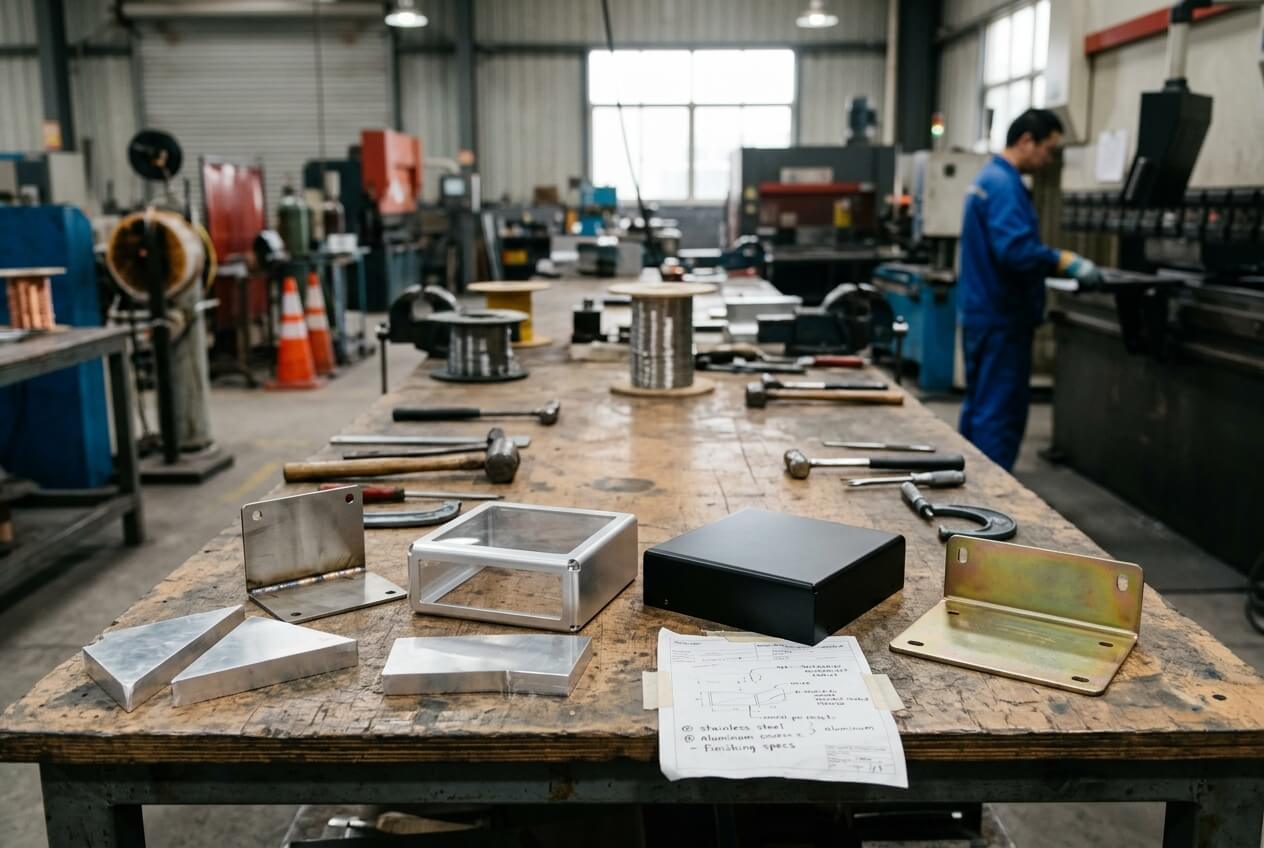
A sourcing team sends one enclosure drawing to three sheet metal fabrication suppliers. The prices return with a wide spread. At first, procurement sees a normal bidding result. After review, the quotes describe three different products.
One supplier priced mild steel, open bends, and a standard powder coat. Another included welded corners, cosmetic grinding, masking for grounding points, and tighter inspection. A third quote excluded assembly-critical inserts and treated several dimensions as general tolerances. The drawing did not change. The assumptions changed.
A metalloids example helps explain this risk. Metalloids such as silicon or boron sit between familiar material categories. They may look simple in a classroom definition, yet behave differently under heat, stress, or processing. Sheet metal RFQs create a similar trap. A material note, finish callout, or tolerance block can look clear while leaving the actual fabrication route open.
For OEM buyers, the main risk is not choosing the “wrong” metal in isolation. The larger risk is RFQ ambiguity. If the RFQ does not connect material, forming, welding, coating, assembly fit, and inspection, each supplier must fill the gaps. The buyer then compares prices that do not cover the same work.
Where RFQ Assumptions Start Turning One Drawing Into Several Quotes
Quote distortion usually starts before any supplier calculates labor or material. It starts when the RFQ names a part but not the manufacturing route. A drawing may say “sheet metal enclosure,” “mounting bracket,” or “welded frame.” Those names help identify the product type, but they do not define the cost structure.
A formed enclosure can mean a simple bent shell with open seams. It can also mean welded corners, ground exterior faces, powder-coated surfaces, masked holes, installed hardware, and checked door gaps. Both versions may match the same overall drawing. They will not carry the same price, lead time, or production risk.
The missing details that create silent quote gaps
Procurement teams often focus on thickness, outside size, and quantity. Fabricators need more context. They must know which holes locate a PCB, which surfaces remain visible, which bends affect mating parts, and which welds need grinding. They also need to know whether coating thickness matters near hinges, latches, grounding points, or sliding interfaces.
If the buyer does not define those points, the supplier has two choices. The supplier can ask questions and delay the quote. Or the supplier can price assumptions. Fast quotes often hide those assumptions in exclusions, broad tolerance notes, or vague finish descriptions.
A short enclosure example
Consider a 1.2 mm steel control enclosure for an indoor machine. The RFQ includes a 2D drawing, a powder coat color, and a quantity of 300 units. One supplier assumes visible seams are acceptable and prices stitch welds inside the corners. Another assumes the front face needs cosmetic grinding and extra surface preparation. A third supplier leaves grounding-mask areas out of scope.
The lowest quote may not be the cheapest build. It may simply omit the most difficult work. When the buyer discovers the missing grounding points after coating, rework starts. The batch may need stripping, local sanding, touch-up, or replacement panels. The cost problem began with a missing RFQ note, not with the coating line.
Why Material Notes Distort Quotes When They Do Not Define Processing Behavior
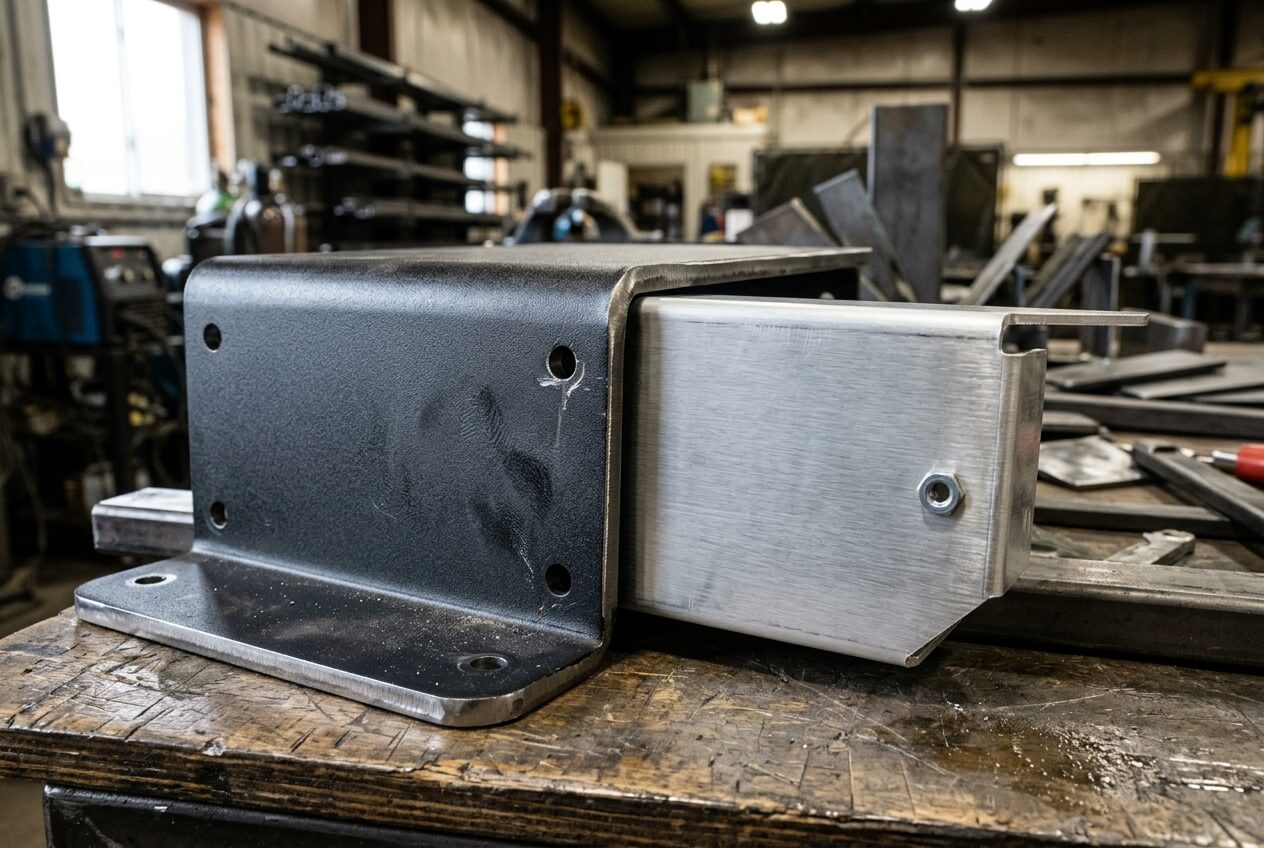
A metalloids example shows why category names can mislead. Silicon appears in many material discussions, yet its behavior changes with composition and use. Sheet metal buyers face the same pattern when they describe a material too broadly. “Stainless steel,” “aluminum,” or “mild steel” does not tell the supplier enough to price forming, welding, finishing, and inspection risk.
Material choice affects more than raw material cost. It changes bend force, springback, marking risk, weld heat input, grinding time, coating preparation, and packing requirements. If the RFQ treats the material as a simple purchasing line, the quote may miss process labor.
Stainless, aluminum, and carbon steel create different assumptions
Stainless steel may solve a corrosion concern, but it can increase forming resistance and show stress marks at tight bends. Aluminum can reduce weight, yet it often needs more handling control to avoid scratches and deformation. Carbon steel may support a lower unit cost, but cosmetic powder coating can expose weld cleanup and surface preparation issues.
These differences matter most when the drawing includes sharp bends, large flat panels, welded corners, or visible faces. A supplier that assumes normal shop marks will price differently from a supplier that protects cosmetic surfaces throughout cutting, bending, welding, coating, and packing.
A bracket example with hidden assembly risk
An OEM requests an aluminum mounting bracket for a display assembly. The drawing gives thickness, hole sizes, and outside dimensions. It does not define bend radius, hole datum, or acceptable flatness after forming. The prototype fits after a technician opens two holes by hand. Procurement approves the sample and releases a batch order.
During batch assembly, several brackets pull the display out of alignment. The coating also adds thickness around slots that guide a mating rail. Operators slow down to file parts and force alignment. The bracket was not complex. The RFQ failed to connect material behavior, forming variation, coating thickness, and assembly fit.
Yishang can review material preferences against bend areas, weld locations, finish expectations, and assembly datums during RFQ discussion. That review helps buyers compare a real fabrication route instead of a material name with hidden assumptions.
How Tolerance and Fit Ambiguity Becomes a Production Cost Problem
Tolerance ambiguity often hides inside drawings that look complete. A title block may include a general tolerance, while several features actually control assembly fit. Suppliers then decide which dimensions require tighter control and which can follow standard fabrication variation. Different decisions create different quotes.
This risk grows on enclosures, brackets, frames, and welded assemblies. Sheet metal processes introduce variation through laser cutting, punching, bending, weld shrinkage, grinding, and coating. A tight tolerance on the wrong feature adds cost without improving assembly. A loose tolerance on a critical feature can cause rework, delays, and field complaints.
Datums matter more than long tolerance lists
Buyers often add tight tolerances to many dimensions because they want safer parts. That approach can raise inspection cost and still miss the real risk. The supplier needs to know which holes, slots, faces, or tabs locate the part in the final assembly. Those features should reference clear datums.
For example, a cabinet door may need a consistent gap around the front opening. The outside width of the flat blank may matter less than hinge position, latch location, and formed-frame squareness. If the RFQ only lists outside dimensions, suppliers may quote standard forming tolerances. The door may then bind after coating or show uneven gaps at final assembly.
Welded frames magnify small tolerance assumptions
A welded equipment frame may appear simple because it uses cut tubes, brackets, and sheet panels. In production, each weld can pull the frame slightly out of square. Grinding can remove local material. Powder coating can add thickness at mounting faces. These changes affect panel fit and hole alignment.
If the buyer needs the frame to support sliding rails, hinged covers, or mating modules, the RFQ should define functional datums and inspection checks. It should also state whether the supplier must fixture the assembly, inspect diagonals, or protect specific mounting pads from coating buildup.
Without those notes, one supplier may quote a basic welded structure. Another may include fixturing, controlled weld sequence, straightening time, and inspection. The higher quote may represent the real requirement. The lower quote may transfer the risk to assembly.
Why Prototype Approval Can Still Leave Batch Quotes Exposed
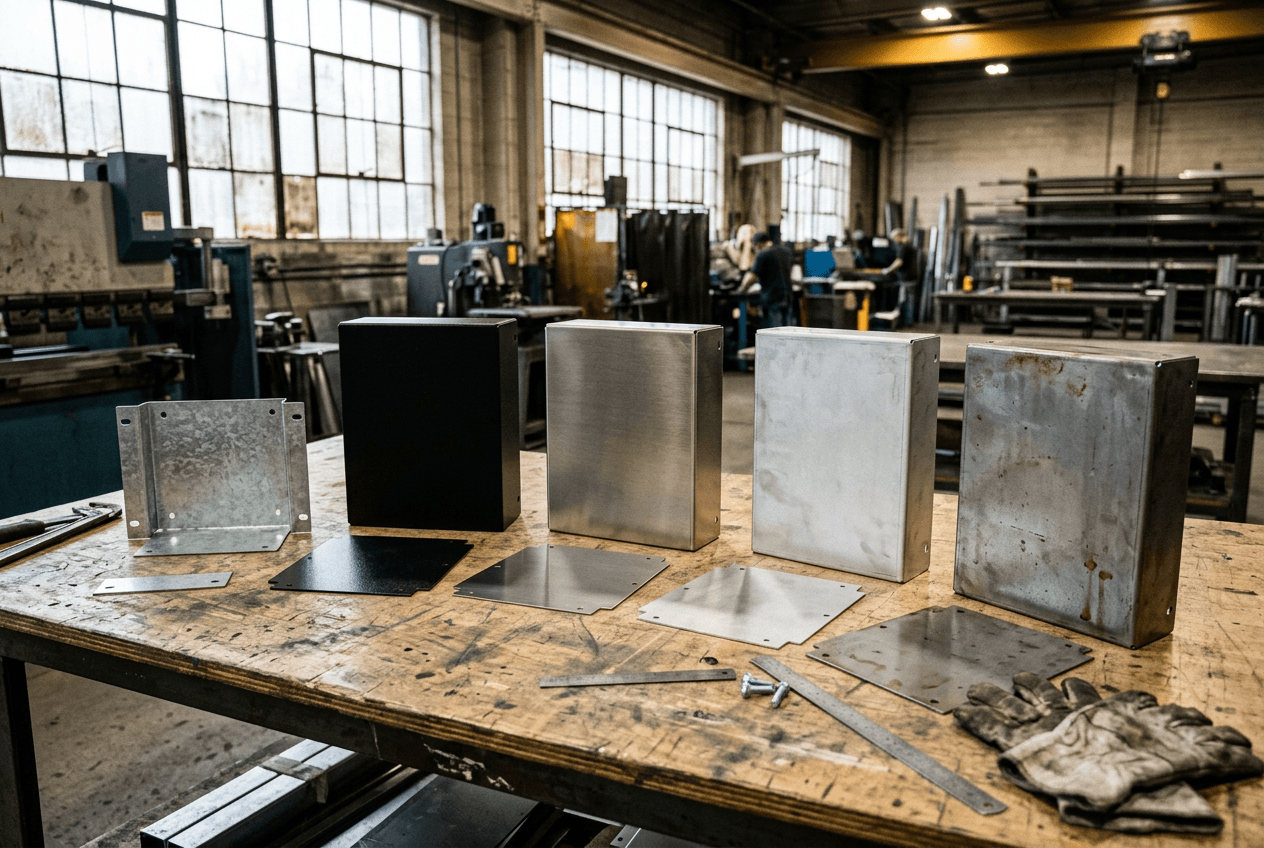
A prototype can prove that a concept works. It does not always prove that the production route works. This distinction matters when the sample passes after manual adjustment, special handling, or one-off technician judgment. Batch production repeats the process hundreds or thousands of times. Small uncontrolled variations then become visible.
Prototype ambiguity creates a dangerous quote assumption. A supplier may price the batch based on the approved sample but not know which sample conditions must repeat. Was the bend sequence fixed? Did the shop use the same material grade? Were holes adjusted after coating? Did the inspector accept a surface mark that the end customer later rejects?
Sample approval should freeze the route, not only the appearance
Buyers should treat prototype approval as a controlled checkpoint. The approval should lock material grade, thickness, bend radius, weld method, grinding level, finish system, color, gloss, masking locations, and inspection points. It should also identify any approved deviations.
When procurement skips this step, batch consistency becomes a negotiation after parts arrive. The supplier may argue that the batch matches the drawing. The buyer may argue that it does not match the sample. Both sides can be partly right if the RFQ never defined which sample attributes mattered.
Batch consequences show up in assembly, not only inspection
Many defects do not fail during incoming inspection. They fail when operators install PCBs, hinges, latches, gaskets, panels, or mating brackets. A hole pattern may pass a broad tolerance but still force an assembler to loosen hardware and realign parts. A coated latch area may look clean but add too much thickness for smooth closure.
These issues slow production lines. They also create hidden costs. Operators sort parts, adjust holes, touch up scratches, or hold assemblies while engineering reviews the deviation. The purchasing price no longer reflects the true cost of the part.
For repeat orders, buyers should send prototype feedback with the batch RFQ. Photos of adjusted holes, marked cosmetic areas, assembly gaps, or coating interference help the supplier price the controlled route. Yishang can use that feedback during drawing review and prototype-to-batch planning when buyers need custom sheet metal parts, enclosures, brackets, frames, or welded assemblies.
What Buyers Should Clarify Before Comparing Sheet Metal Supplier Prices
Buyers do not need to turn every RFQ into a textbook. They need to remove the assumptions that change the quote. The fastest way to do that is to connect the drawing to the part’s real use. A supplier can then price the process route, not guess the missing intent.
Start with the features that can create downstream cost. Identify assembly datums, mating parts, visible faces, grounding points, gasket surfaces, hinge areas, and load-bearing brackets. Then clarify the manufacturing details that control those features.
Clarifications that make quotes comparable
- State the application: enclosure, cabinet, bracket, panel, frame, or welded assembly.
- Define material grade, thickness, and any approved substitute rules.
- Mark assembly-critical dimensions, datums, hole patterns, slots, and mating faces.
- Separate cosmetic surfaces from hidden surfaces and define acceptable marks.
- Specify weld locations, weld length, weld visibility, grinding level, and distortion concerns.
- Define finish type, color, gloss, texture, masking areas, coating thickness concerns, and grounding requirements.
- Explain prototype purpose, approved sample status, batch quantity, inspection method, and known failure history.
Lead time also depends on these details. A simple cut-and-bend part may move quickly. A cosmetic welded enclosure with masking, hardware installation, and controlled inspection needs more planning. If the RFQ hides that difference, the delivery promise may fail even when the unit price looks attractive.
Supplier communication should focus on risk, not endless clarification. Instead of asking, “Can you make this part?” ask, “Which assumptions affect price, fit, finish, or batch repeatability?” That question invites a manufacturability review and exposes quote gaps early.
If your next RFQ still relies on assumptions, send Yishang your drawings, material requirements, quantities, tolerances, finish expectations, photos, samples, assembly notes, and prototype feedback. The team can review whether the quoted fabrication route matches the part’s real use before cost, fit, and batch consistency problems reach production. Visit https://zsyishang.com/ to start the review.
Frequently Asked Questions
How does a metalloids example relate to sheet metal RFQ risk?
A metalloids example shows how familiar categories can hide different behavior. In sheet metal sourcing, a broad material note can do the same. The part may look clear on paper, yet forming, welding, coating, and assembly reveal assumptions that change price and performance.
Why do suppliers quote different prices for the same enclosure drawing?
They may price different fabrication routes. One supplier may assume open seams and standard powder coating. Another may include welded corners, cosmetic grinding, masking, inserts, and tighter inspection. Buyers should define material, weld level, finish, cosmetic surfaces, tolerances, and assembly-critical features before comparing prices.
Which RFQ details most often affect assembly fit?
Hole datums, bend radius, slot locations, hinge areas, latch points, gasket surfaces, weld distortion, and coating thickness often control fit. General tolerances may not protect these features. Buyers should mark the features that locate mating parts or affect final assembly.
Can an approved prototype still fail in batch production?
Yes. A prototype may pass after hand adjustment, special handling, or one-off inspection judgment. Batch production needs repeatable controls. Buyers should freeze material grade, bend sequence, weld standard, finish system, masking, inspection points, and approved sample references before releasing volume orders.
How should buyers handle finish expectations in a sheet metal RFQ?
Buyers should identify visible faces, acceptable tooling marks, color, gloss, texture, coating thickness concerns, masking areas, and functional surfaces such as grounding points or sliding interfaces. Finish expectations affect welding cleanup, surface preparation, inspection time, packing, cost, and lead time.
What should buyers send for a clearer custom sheet metal fabrication quote?
Send 2D drawings, 3D files when available, material requirements, quantities, tolerances, finish expectations, assembly notes, photos, samples, and prototype feedback. Clear inputs help the supplier price the real manufacturing route instead of adding assumptions or leaving critical work out of scope.