
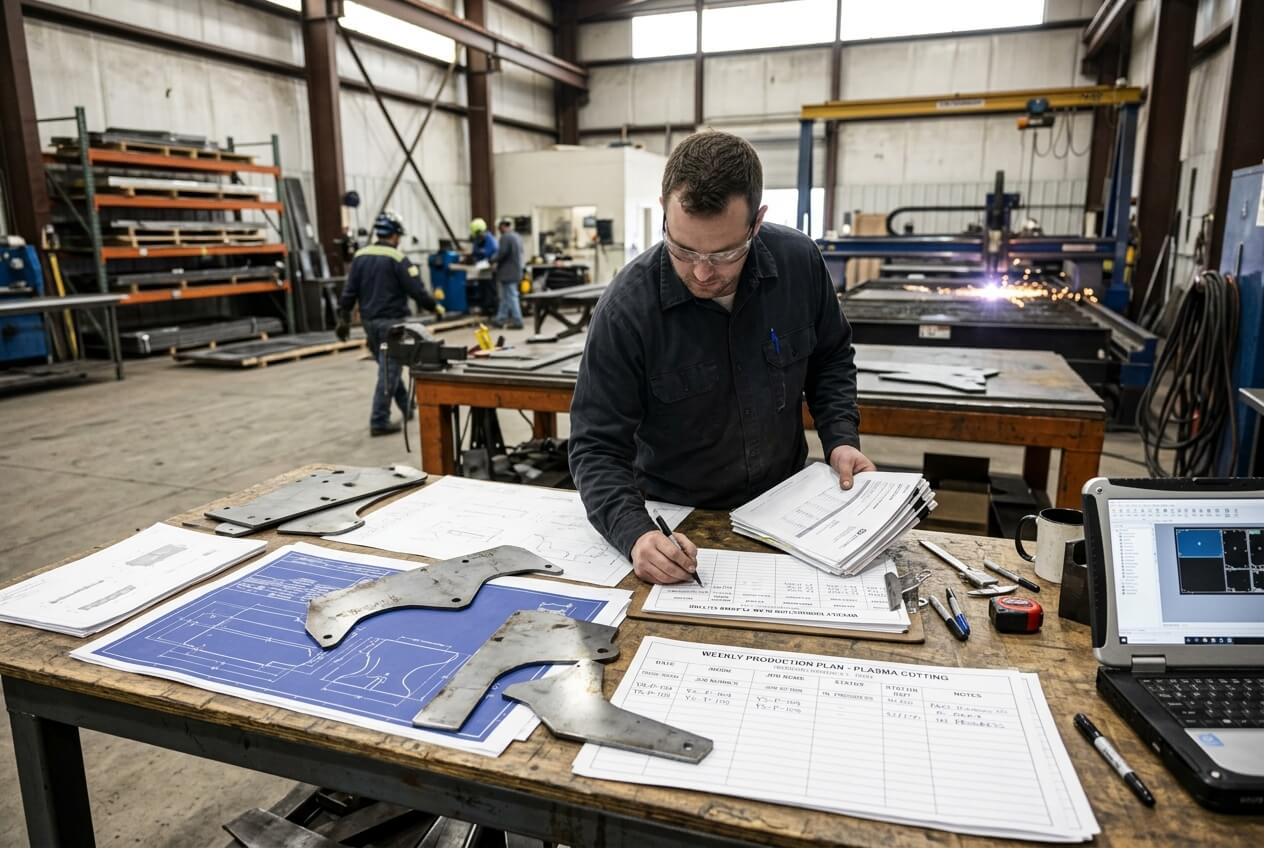
A plasma cutting quote can look simple when the RFQ only asks for fast delivery. The drawing shows the profile. The buyer adds material, quantity, and a delivery target. Several suppliers respond with similar prices and lead times, so procurement chooses the fastest answer.
The risk starts when those quotes do not include the same work. One supplier may assume stock carbon steel, rough plasma-cut holes, and basic deburring. Another may include drilling, edge cleanup, welding fixtures, powder coating preparation, inspection, and protective packing. Both may write a 15-day lead time, but they are not quoting the same deliverable.
This article focuses on one procurement risk: RFQ ambiguity that makes plasma cutting quotes compare different production scopes. The cutting process may be fast. The order still fails when material assumptions, functional holes, finish expectations, prototype approvals, and assembly requirements surface after purchase order release. Buyers should clarify those points before they compare price or delivery.
When One Plasma Cutting RFQ Creates Three Different Production Routes
Many schedule problems begin before the first program reaches the cutting table. The RFQ may say “plasma cutting acceptable” without explaining whether plasma cutting is required, preferred, or only suggested. That small gap lets each supplier build a different route around the same drawing.
A mixed order shows the problem clearly. An OEM may request powder-coated equipment panels, 8 mm mounting brackets, and a small welded base frame in one package. The buyer may use plasma cutting as a general process term. A supplier may choose laser cutting for thin panels, plasma cutting for thicker plates, and drilling for critical holes. Another supplier may quote plasma cutting for all profiles to protect price. A third supplier may exclude hole finishing and coating preparation from the quoted lead time.
The drawing may define shape, not production scope
Profiles alone rarely define the full job. Material grade, thickness tolerance, flatness, grain direction, visible surfaces, hole function, and coating requirements all affect the route. If the RFQ omits those details, the supplier must either ask questions or make assumptions. Under delivery pressure, many quotes move forward with hidden assumptions.
Material availability also changes the real schedule. Plasma cutting works on conductive metals such as carbon steel, stainless steel, and aluminum. That does not mean every grade and thickness sits in stock. A common 10 mm carbon steel plate may move quickly. A specified stainless grade for outdoor cabinets may need procurement time. Aluminum plate may require extra attention to flatness and heat distortion.
The buyer should not try to prescribe every machine setting. A better RFQ sentence is practical: “Plasma cutting may be used where suitable. Please state the cutting route, secondary processes, material assumptions, and any lead-time risk before quotation.” This request forces suppliers to expose the route behind the date.
Yishang can review drawings against fabrication routes when buyers need one supplier to produce sheet metal parts, brackets, frames, and welded assemblies under one RFQ. That review works best when the buyer shares the expected function of each part, not only the outer contour.
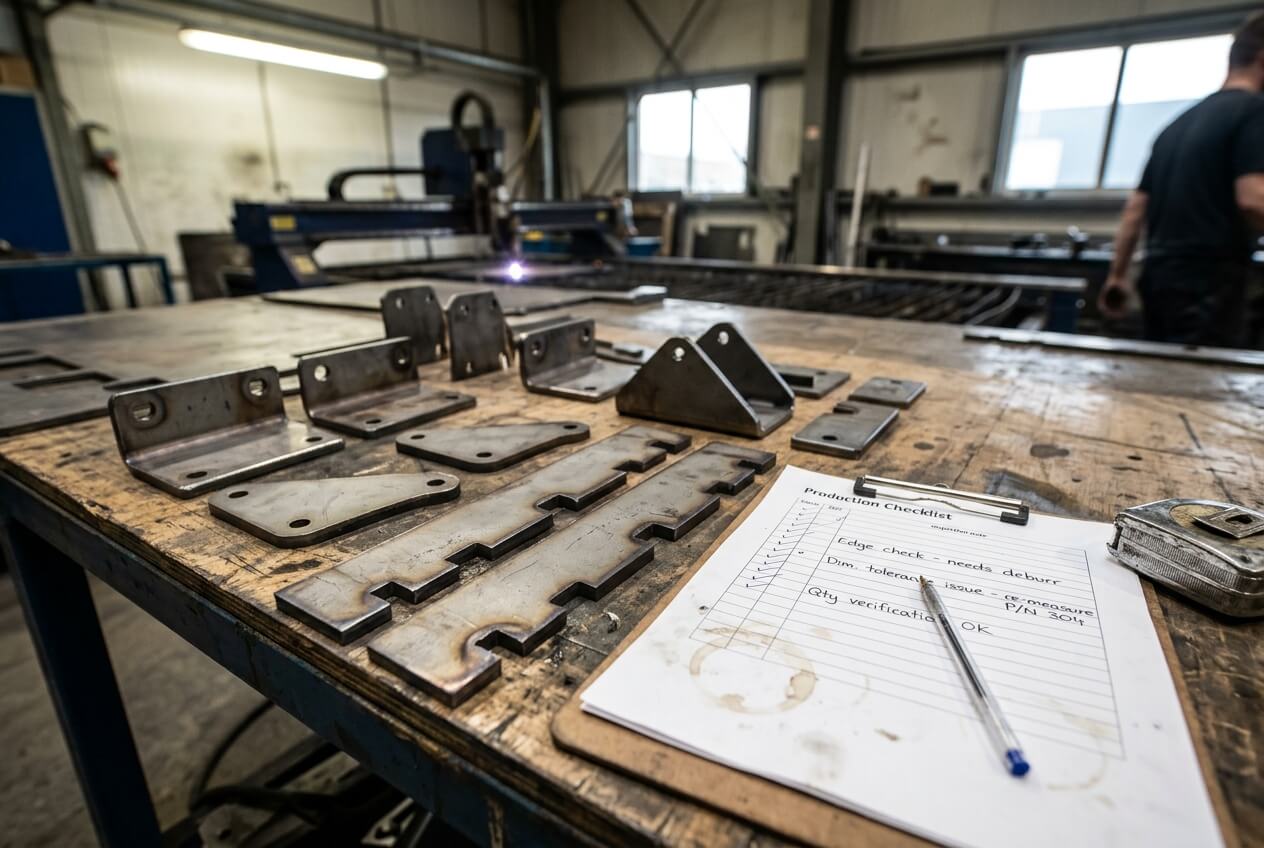
Unclear Critical Features Turn Fast Cutting Into Late Secondary Work
Plasma cutting often suits heavier brackets, base plates, frames, and structural components. It can also leave dross, heat-affected edges, bevel, pierce marks, and rougher hole profiles than more precise processes. Those conditions may not matter on a welded hidden edge. They may matter a lot on a slotted mounting hole or visible enclosure face.
The quote becomes risky when the drawing treats all edges and holes the same. A supplier may assume plasma-cut holes will pass. The buyer may expect drilled holes, clean slots, or coating-ready edges. The disagreement may stay invisible until prototype fit-up, powder coating, or final assembly.
Example: a mounting bracket that fits before coating but not after
Consider a 6 mm steel bracket for an electrical cabinet. The bracket includes two slotted holes for field adjustment. The buyer requests black powder coating and fast delivery. The low quote assumes plasma-cut slots with light deburring. The prototype fits after a technician cleans the holes by hand.
Batch production exposes the gap. Coating thickness reduces clearance. Small slot variation affects bolt movement. Assembly workers start forcing hardware through the slots. The supplier adds drilling or hand filing after coating, which damages finish and delays packing. The issue started as an RFQ detail, not as a cutting speed problem.
Procurement can reduce this risk by marking functional features. Critical holes, hinge points, fastener locations, slide tracks, threaded insert positions, and field-mounting slots need clear notes. The RFQ should state whether plasma-cut holes are acceptable or whether the supplier must drill, punch, ream, tap, or machine them after cutting.
Example: an enclosure panel with the wrong edge expectation
A front panel for a metal enclosure may look simple on a drawing. If the edge remains visible after assembly, heavy grind marks, bevel, or pierce marks may fail cosmetic inspection. If the edge sits inside a welded cabinet, the same condition may pass after normal cleanup. Without surface notes, two suppliers can quote very different finishing effort.
Clear notes do not need long technical language. Buyers can mark edges as visible, welded, hidden, user-contact, or safety-critical. They can also state whether burr removal, edge rounding, grinding, or polishing must happen before bending, welding, or powder coating. These notes protect the quote because they define the work suppliers must include.
Finish and Assembly Expectations Can Break a Quote That Looked Complete
A plasma cutting RFQ often includes more than cutting. The buyer may need bending, welding, powder coating, hardware installation, inspection, and packing. The quote still looks like a cutting job because the first operation dominates the drawing. That view creates a dangerous schedule gap.
Powder coating depends on edge condition, surface preparation, masking, color availability, curing capacity, and post-coating inspection. Plasma-cut edges may need dross removal, scale removal, blasting, or grinding before coating. If the quote excludes that work, the delivery date moves after fabrication, not before it.
Coating notes must connect to cut edges
“Black powder coating” does not define the finish. It does not tell the supplier which surface is visible, whether the part sits outdoors, which areas need masking, or how much coating thickness the assembly can tolerate. A bracket with a grounding point may require bare metal in one area. A threaded hole may need masking or chasing. A sliding contact surface may need no coating at all.
When those notes arrive late, the supplier may need rework. Threads may need cleaning. Coated surfaces may need scraping. Parts may require recoating after masking errors. Those corrections consume more time than the original plasma cutting operation.
Assembly fit creates a similar chain. A welded enclosure frame may include plasma-cut base plates and thinner bent panels. If the base plates arrive with rough edges or poor flatness, welding pulls the frame out of square. Powder coating then locks in the problem. Final assembly discovers door gaps, cover interference, or mounting hole misalignment.
The RFQ should connect finish and assembly requirements to the quoted route. Buyers should provide mating part photos, hardware details, clearance limits, coating thickness expectations, and inspection points. If parts must assemble after coating, the supplier needs to know that before it chooses hole size, edge cleanup, and tolerance strategy.
For custom sheet metal fabrication, Yishang’s drawing review can include finish notes, welding sequence concerns, and assembly fit questions before the quote is finalized. That step helps buyers compare finished parts, not just cut profiles.
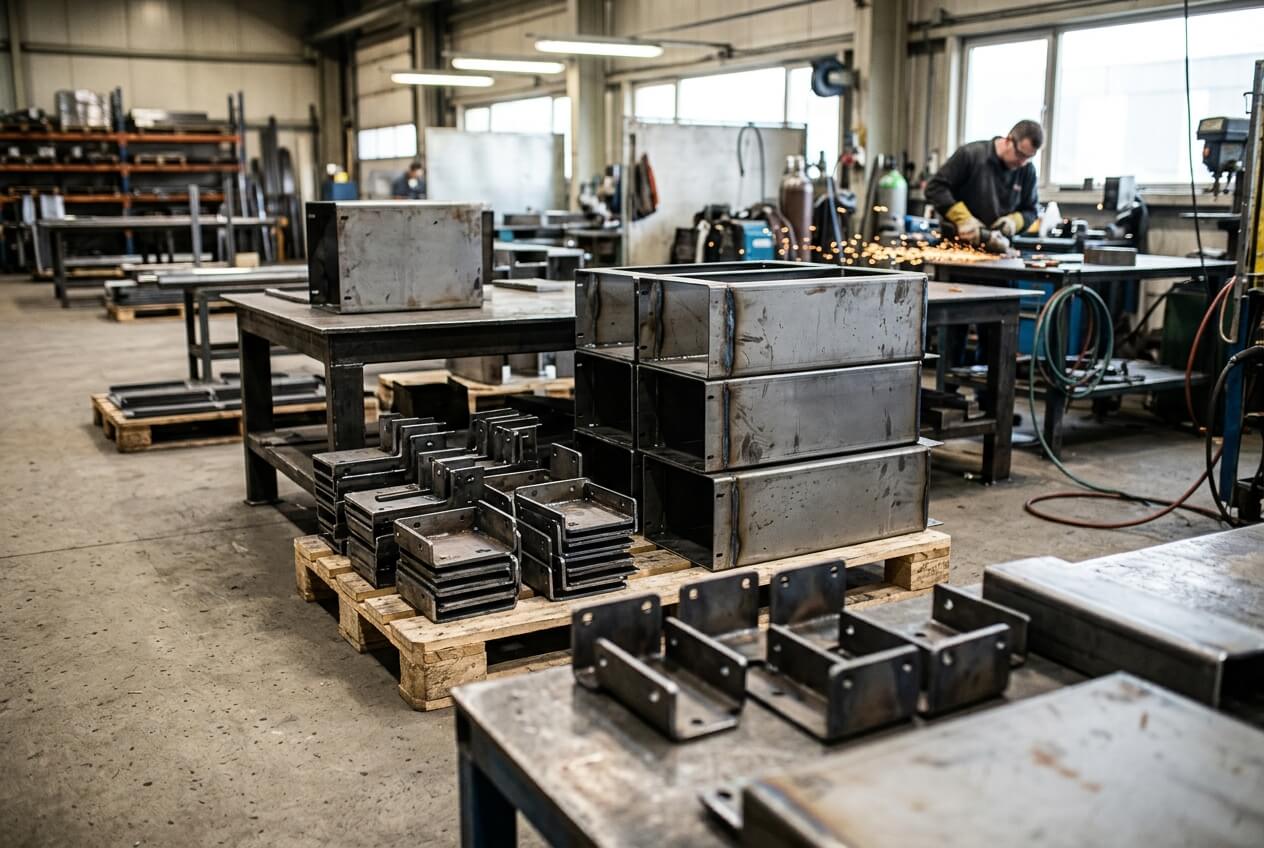
Prototype Approval May Hide Manual Recovery That the Batch Cannot Repeat
A prototype can reduce risk, but it can also hide it. One sample often receives extra attention. A technician may grind one edge, re-drill one hole, adjust one bend, or correct one weldment before the buyer sees it. The finished sample looks acceptable, yet the production method remains unstable.
This issue matters with plasma cutting because batch behavior can differ from a single part. Nesting density, plate thickness, heat input, consumable condition, pierce location, and part orientation can affect edge condition and distortion. A prototype cut from one plate may not represent a tightly nested batch across many sheets.
Ask what changed before the sample passed
Buyers should ask suppliers which manual steps made the prototype acceptable. Did workers clean holes by hand? Did they grind visible edges longer than planned? Did they adjust bend angles after trial assembly? Did they correct weld distortion without a fixture? Those answers matter more than a simple “sample approved” note.
A welded display rack gives a useful example. The foot plates use plasma cutting because they are thick and cost-sensitive. The first sample stands level after a worker adjusts weld sequence and grinds several contact edges. The buyer approves the rack based on appearance and color.
In a 300-piece batch, that manual recovery becomes a capacity problem. Frames arrive slightly out of square. Some racks rock on the floor. Coating chips appear where workers try to correct contact points after finishing. The supplier can recover the batch, but the lead time and cost no longer match the quote.
Prototype approval should freeze the process, not only the appearance. Buyers can request notes on cutting route, secondary hole processing, edge finishing, fixture use, weld sequence, coating preparation, and inspection gauges. If the prototype required special handling, the production quote must include that handling. Otherwise, procurement buys a sample condition that production cannot repeat.
Before Accepting the Fastest Date, Freeze the Assumptions Behind the Quote
Procurement teams often compare plasma cutting quotes by unit price and lead time. That comparison works only when every supplier quotes the same scope. If one quote includes secondary drilling and another excludes it, the cheaper offer may simply move cost and schedule risk into production.
A stronger comparison asks each supplier to describe the complete route in plain manufacturing language. For a cabinet, the route may include cutting, bending, welding, grinding, coating, hardware installation, inspection, and protective packing. For a heavy frame, it may include plasma cutting, hole drilling, fixture welding, straightness checks, surface preparation, powder coating, and final assembly inspection.
Buyers should also identify approval pauses. A first article inspection report, coating sample, weld sample, or prototype approval can stop production. If the buyer takes three days to respond, the supplier may miss the next coating slot. The final shipment date can slip even when fabrication finished on time.
Cost drivers deserve the same clarity. Critical tolerances, drilled holes, tighter flatness, cosmetic edges, masking, outdoor powder, fixture welding, special packing, and inspection reports all add work. They may be necessary. The problem comes when they enter the order after quotation.
A practical RFQ request can be short: “Please confirm material assumptions, cutting method, secondary hole processing, tolerance risks, edge cleanup, bending, welding, finish preparation, coating, inspection, packing, and approval steps included in your price and lead time.” This wording helps suppliers expose exclusions before procurement selects the quote.
Send Yishang the details that control the real delivery date. For RFQs involving plasma cutting, sheet metal parts, metal enclosures, brackets, frames, or welded assemblies, share drawings, material requirements, quantities, tolerances, finish expectations, mating part information, prototype needs, and inspection requirements. Ask for a manufacturability and schedule review before choosing the fastest quote. The key question is not “How quickly can you cut it?” The safer question is “What work is included before these parts are ready to assemble?”
Frequently Asked Questions
Why do plasma cutting quotes with the same lead time create different procurement risks?
They may include different scopes. One supplier may quote cutting only, while another includes material procurement, deburring, drilling, welding, coating, inspection, and packing. Buyers should ask each supplier to state the production route and exclusions before comparing dates.
What RFQ details matter most for plasma-cut holes and slots?
Identify holes that control fastener fit, hinges, slides, inserts, field mounting, or mating parts. State whether plasma-cut holes are acceptable or whether drilling, punching, reaming, tapping, or machining must follow cutting. This prevents late assembly problems.
How can powder coating affect the quoted plasma cutting schedule?
Powder coating can add surface preparation, masking, curing, inspection, and queue time. Plasma-cut edges may need extra cleaning or grinding before coating. If the RFQ only says “powder coat,” suppliers may not include all finish-related work.
Why can a prototype pass while the batch still fails?
A prototype may receive manual cleanup, bend adjustment, hole correction, or weld correction that the quote does not include for batch production. Buyers should ask what manual work made the sample acceptable and whether the batch route will repeat it.
Should buyers require plasma cutting for every sheet metal part in an RFQ?
Not always. Thin panels may suit laser cutting or punching, while thicker plates may suit plasma cutting. Buyers can allow alternative processes if the supplier maintains dimensions, finish, assembly fit, and lead time. The supplier should disclose the selected route.
What should buyers send for a more reliable plasma cutting quote?
Send 2D drawings or 3D files, material grade and thickness, quantities, tolerances, critical holes, visible surfaces, finish expectations, assembly notes, mating part details, prototype requirements, inspection needs, and delivery targets. These details reduce quote assumptions.