
Plastic coating for metal is a critical process in industrial manufacturing, offering enhanced durability, corrosion resistance, and aesthetic appeal. Whether you’re an engineer, sourcing manager, or project owner, understanding the nuances of plastic coatings can significantly impact the success of your custom projects. In this guide, we will explore the technical, material, and application considerations to help you make informed decisions and optimize your sourcing strategy with Yishang.
What Is Plastic Coating for Metal in Practical Manufacturing Terms?
Plastic coating involves applying a polymer layer to metal surfaces to improve performance and protection. Commonly used polymers include PVC, polyethylene, and rubber, each tailored to specific industrial requirements. The process can be achieved through methods such as dipping, spraying, or electrostatic application, depending on the geometry and functional needs of the metal component.
Plastic coatings are widely used in sheet metal fabrication, where they provide insulation, chemical resistance, and mechanical protection. At Yishang, we specialize in integrating plastic coating processes into custom manufacturing workflows, ensuring precision and reliability for every project.
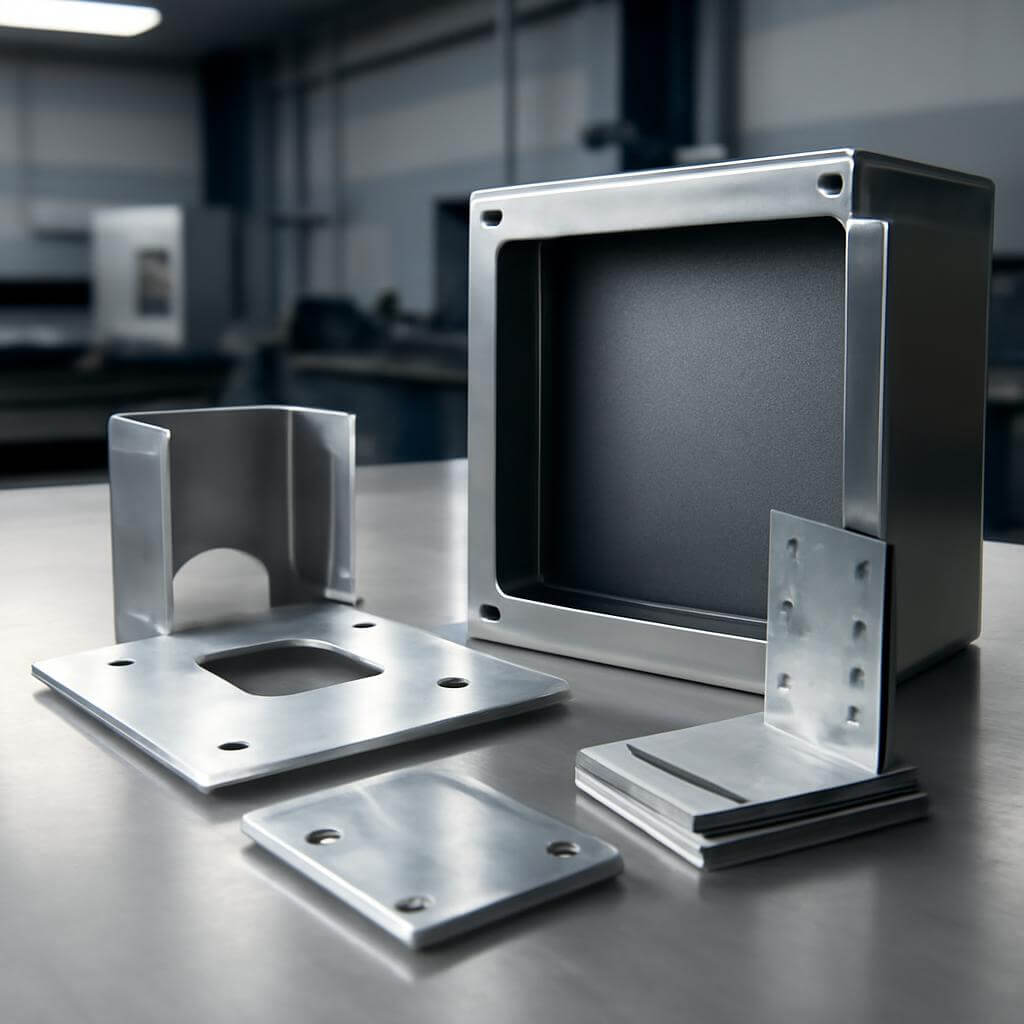
Key Materials and Processes for Plastic Coating
Material Options
- PVC Coating: Ideal for corrosion resistance and insulation in electrical and automotive applications.
- Polyethylene Coating: Lightweight and cost-effective, commonly used for outdoor equipment and piping.
- Rubber Coating: Provides excellent grip, shock absorption, and chemical resistance, suitable for tools and industrial machinery.
Process Choices
- Dipping: Best for uniform coverage on complex geometries.
- Spraying: Suitable for large surfaces with precise thickness control.
- Electrostatic Application: Ensures strong adhesion and even distribution, often used for high-performance coatings.
Yishang leverages advanced equipment and strict process controls to deliver consistent quality across all coating methods.
Application Scenarios and Industry Use Cases
Plastic coating for metal is indispensable across various industries:
- Automotive: Coated metal components resist rust and wear, extending the lifespan of vehicles.
- Electronics: Insulated metal parts ensure safety and performance in electrical systems.
- Construction: Coated metal roofing and structures withstand harsh environmental conditions.
- Industrial Equipment: Rubber-coated tools and machinery improve grip and reduce vibration.
Yishang has extensive experience in customizing solutions for these applications, ensuring compatibility with your project specifications.
Cost Drivers and How to Optimize Your Project
Several factors influence the cost of plastic coating for metal:
- Material Selection: High-performance polymers like rubber may cost more than PVC.
- Surface Preparation: Cleaning, degreasing, and priming add to labor and material costs.
- Coating Thickness: Thicker layers require more material and processing time.
- Geometry Complexity: Intricate designs may need specialized equipment and techniques.
To optimize costs, collaborate with a supplier like Yishang that offers technical support and design-for-manufacturing insights. Our team can recommend cost-effective materials and processes tailored to your application.
Common Mistakes and Sourcing Risks
Avoid these pitfalls when sourcing plastic coating services:
- Insufficient Specifications: Vague requirements can lead to mismatched coatings and delays.
- Overlooking Tolerances: Coating thickness must align with functional and assembly needs.
- Ignoring Supplier Capabilities: Not all manufacturers can handle complex geometries or high-performance coatings.
Yishang mitigates these risks by working closely with clients to develop precise specifications and ensure engineering alignment.
How to Choose a Reliable Supplier
Selecting the right supplier is crucial for project success. Consider the following:
- Technical Expertise: Does the supplier understand your industry requirements?
- Quality Assurance: Are there robust inspection and testing protocols?
- Lead Time Reliability: Can the supplier meet your deadlines consistently?
- Custom Capabilities: Does the supplier offer tailored solutions for unique projects?
Yishang excels in all these areas, providing end-to-end support for custom sheet metal fabrication and plastic coating services.
Conclusion
Plastic coating for metal is a vital process that enhances durability, functionality, and aesthetics across industries. By understanding material options, process choices, and sourcing considerations, you can achieve better results and reduce risks. Yishang’s expertise in sheet metal fabrication and custom manufacturing ensures reliable, high-quality solutions tailored to your needs. Contact us today to discuss your project requirements and receive a detailed quote.
FAQs
- What are the advantages of plastic coating? Plastic coating improves corrosion resistance, insulation, and mechanical protection for metal surfaces.
- What are the 4 types of coatings? Common types include PVC, polyethylene, rubber, and epoxy coatings.
- What is the process of applying a plastic coating to metal? Methods include dipping, spraying, and electrostatic application, each suited to specific needs.
- Why is plastic coating done on metal surfaces? It enhances durability, prevents rust, and improves aesthetics in industrial applications.
- How do I choose the right supplier? Look for technical expertise, quality assurance, and custom capabilities like those offered by Yishang.
- What information should I send for an accurate quote? Provide detailed specifications, including material, dimensions, tolerances, and application requirements.